









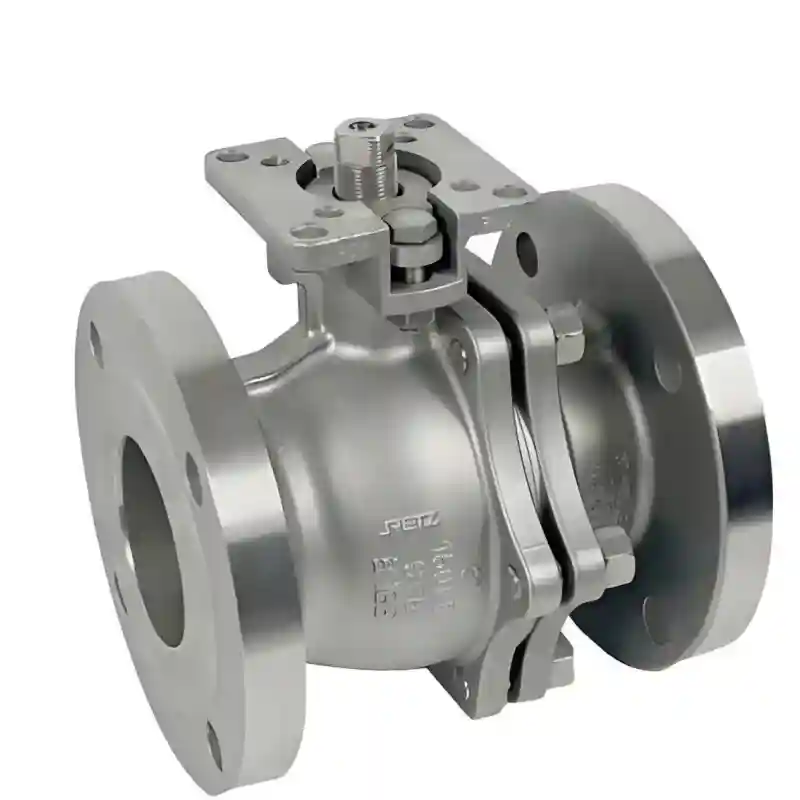
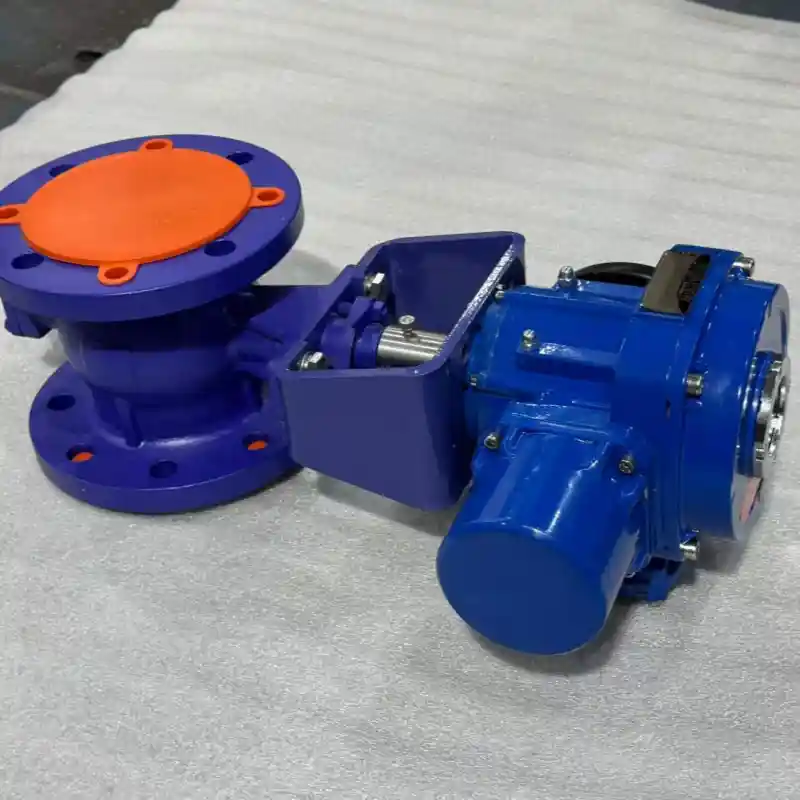
120V Motorized Ball Valve AC 60Hz NPT For North America Pipeline
motorized ball valve 120v AC 60Hz, NPT thread, stable torque for HVAC, irrigation & water equipment for North America market.
Description
1. Product Overview
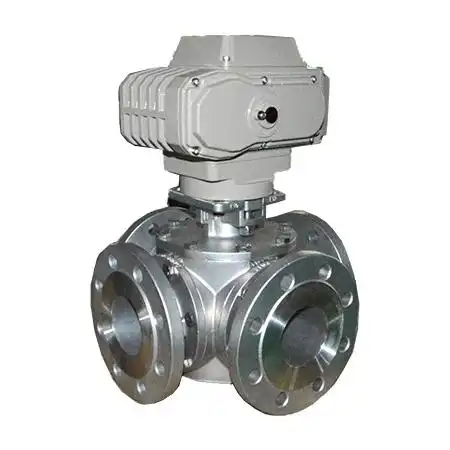
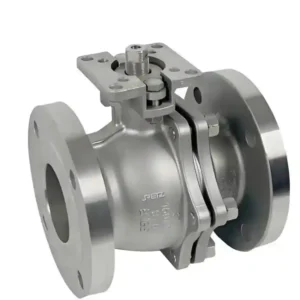
The motorized ball valve 120v is an AC‑driven electric ball valve rated at AC 120 V, 60 Hz – specifically developed for the North American mains standard. The AC actuator delivers ample torque and connects directly to building power circuits without the need for transformers or other voltage‑conversion accessories. A manual override is provided for emergency local operation, and an optional spring‑return mechanism enables automatic closure on power failure.
The valve body comes with NPT threads as standard, fully compatible with North American pipe fittings. Compared to low‑voltage DC or 220 V European‑standard valves, this model eliminates internal power‑supply modifications in finished equipment, simplifying the electrical design for exports. It is widely used in HVAC, water purification, agricultural irrigation, and other packaged systems, serving residential, commercial, and light‑industrial clean‑water applications.
2. Materials & Technical Specifications
| Parameter | Detail |
|---|---|
| Rated voltage | AC 120 V, 60 Hz |
| Common port sizes | 1/2″ ~ 2″ (DN15–DN50) |
| Connection thread | NPT (US standard, female) |
| Body material | Lead‑free brass / SS304 stainless steel |
| Control wiring | 2‑wire basic / 5‑wire with position feedback |
| Key characteristics | Designed for North American 120 V / 60 Hz mains, high AC torque output |
| Optional functions | Manual override, spring‑return fail‑safe |
| Working pressure | 0.1–1.6 MPa |
| Medium temperature | 0–95°C |
| Applicable media | Drinking water, HVAC circulating water, irrigation clean water, mildly corrosive fluids |
3. Application Scenarios
Typical deployments include residential HVAC systems in North America, swimming‑pool circulation in Canada, commercial water purifiers to US standards, farm fertigation equipment, building water‑supply automation, laboratory fluid devices with US specifications, small‑to‑medium water‑treatment units, and packaged water‑supply systems exported to North America.
4. Real‑World Project
ComfortAir Solutions in Ohio, USA, has widely deployed this valve in residential and small‑commercial HVAC projects. It connects directly to 120 V building mains – no extra power conversion is needed. The AC actuator provides steady torque and reliable open/close performance even under network pressure fluctuations, greatly improving on‑site installation and commissioning efficiency. For basic on‑off control in standard HVAC units, the 2‑wire 120v motorized ball valve is preferred for its simple wiring and cost‑effectiveness.
5. Selection Guide & Distinctive Strengths
The primary advantage is its direct compatibility with North American AC 120 V / 60 Hz power grids. The AC actuator generates sufficient torque to handle larger‑bore valves firmly, withstands common voltage sags, and reduces the risk of coil burnout. The NPT threading matches local pipe fittings out of the box, eliminating adapter needs for export machinery.
-
For commercial projects requiring valve‑status feedback to building management systems → choose the 5‑wire 120v motorized ball valve.
-
For mildly corrosive media → opt for the stainless‑steel body (stainless steel 120v motorized ball valve).
-
For unattended farm irrigation lines → configure with the spring return 120v motorized ball valve for automatic shut‑off on power loss to prevent water damage.
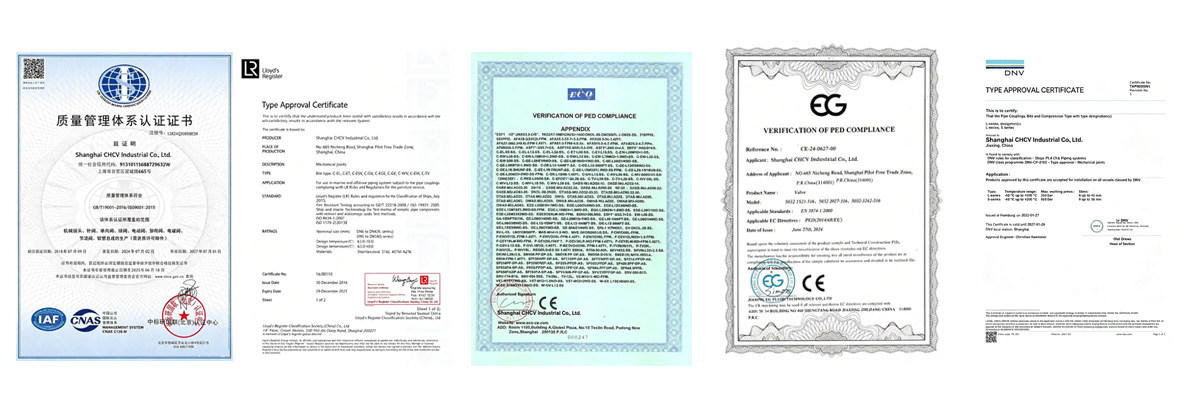
The product carries CE and UL certifications; the coils use heat‑resistant insulation materials suited to North America’s variable power environment. Customisation options include port size, thread type, and actuator functions. Each shipment includes English wiring manuals, NPT dimensional drawings, and voltage test reports – facilitating equipment certification and project acceptance for US‑based manufacturers. Large‑volume stock is available for quick delivery, and separate replacement actuators are offered to minimise future maintenance costs without full valve replacement.