
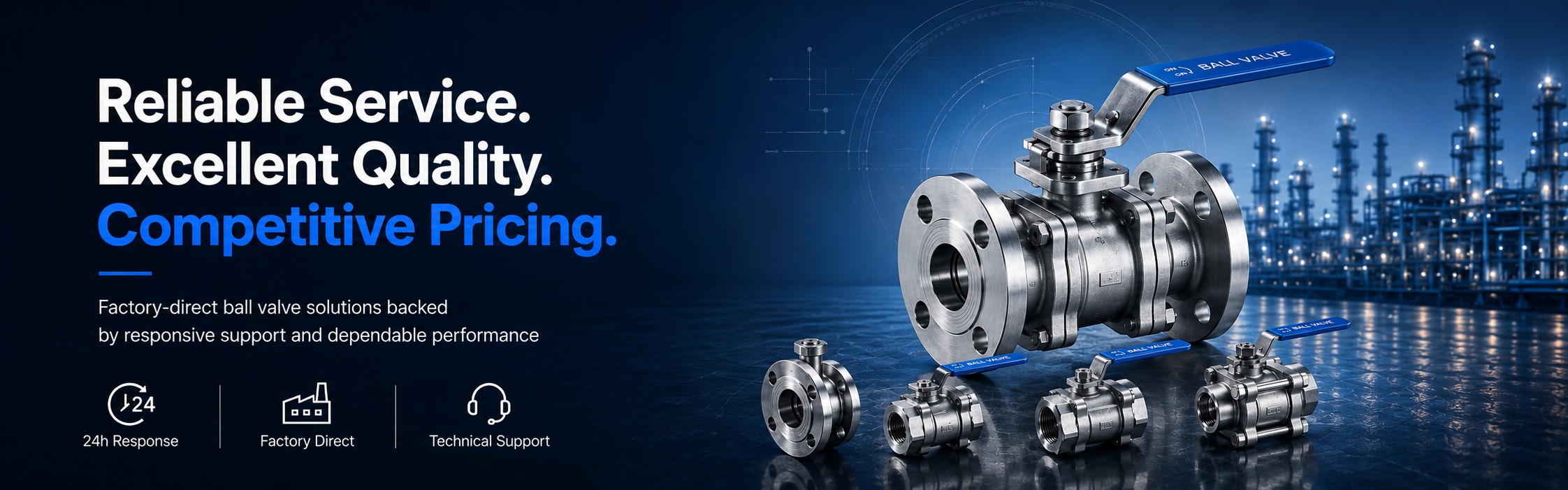






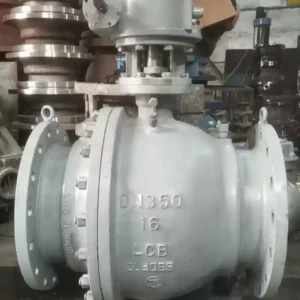
Three Piece Body Ball Valve – 3PC Floating Design for In-Line Maintenance

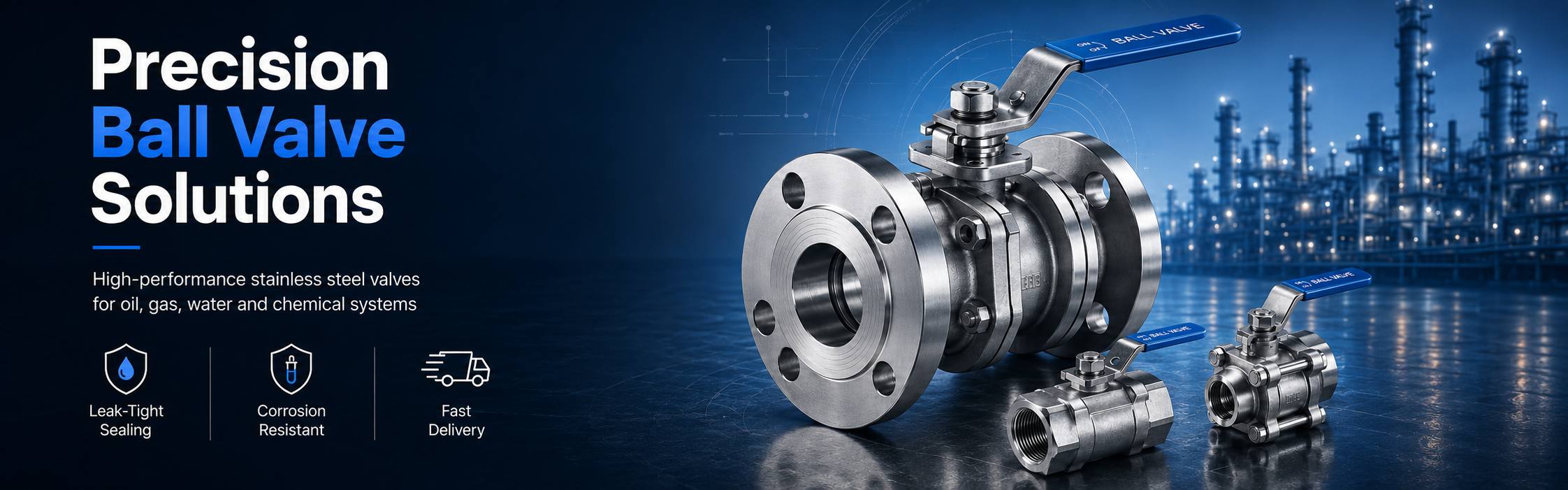
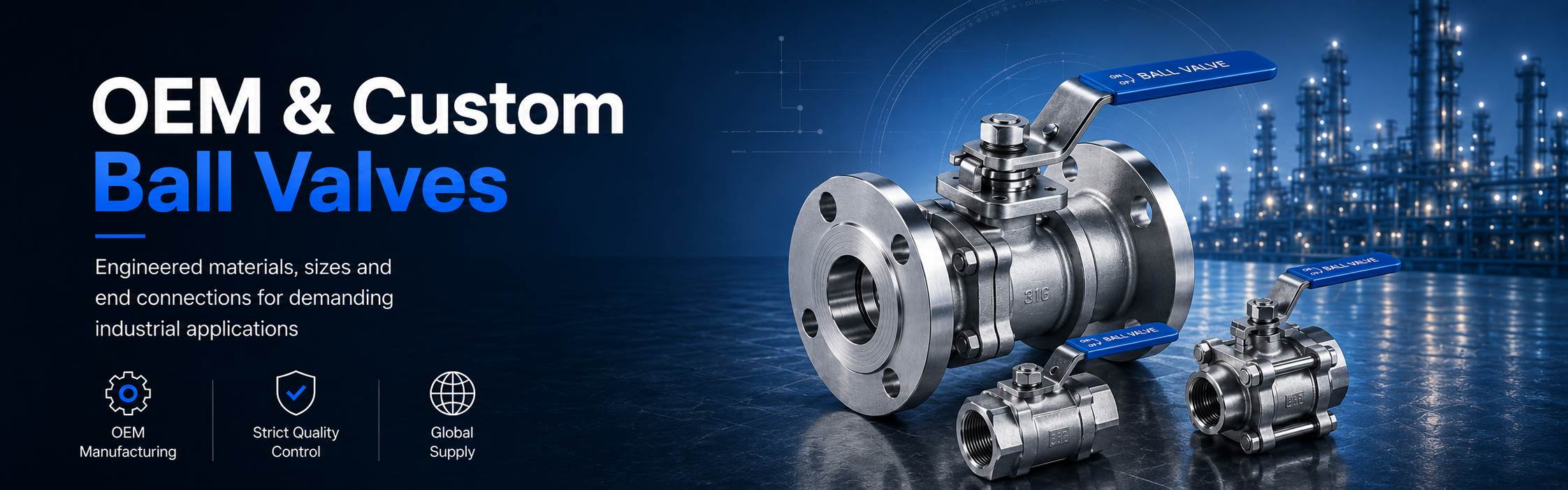
Three piece body ball valve with 3-piece floating design for in-line seat replacement without unpiping. Available in stainless steel 316L, flanged or welded ends.

Description

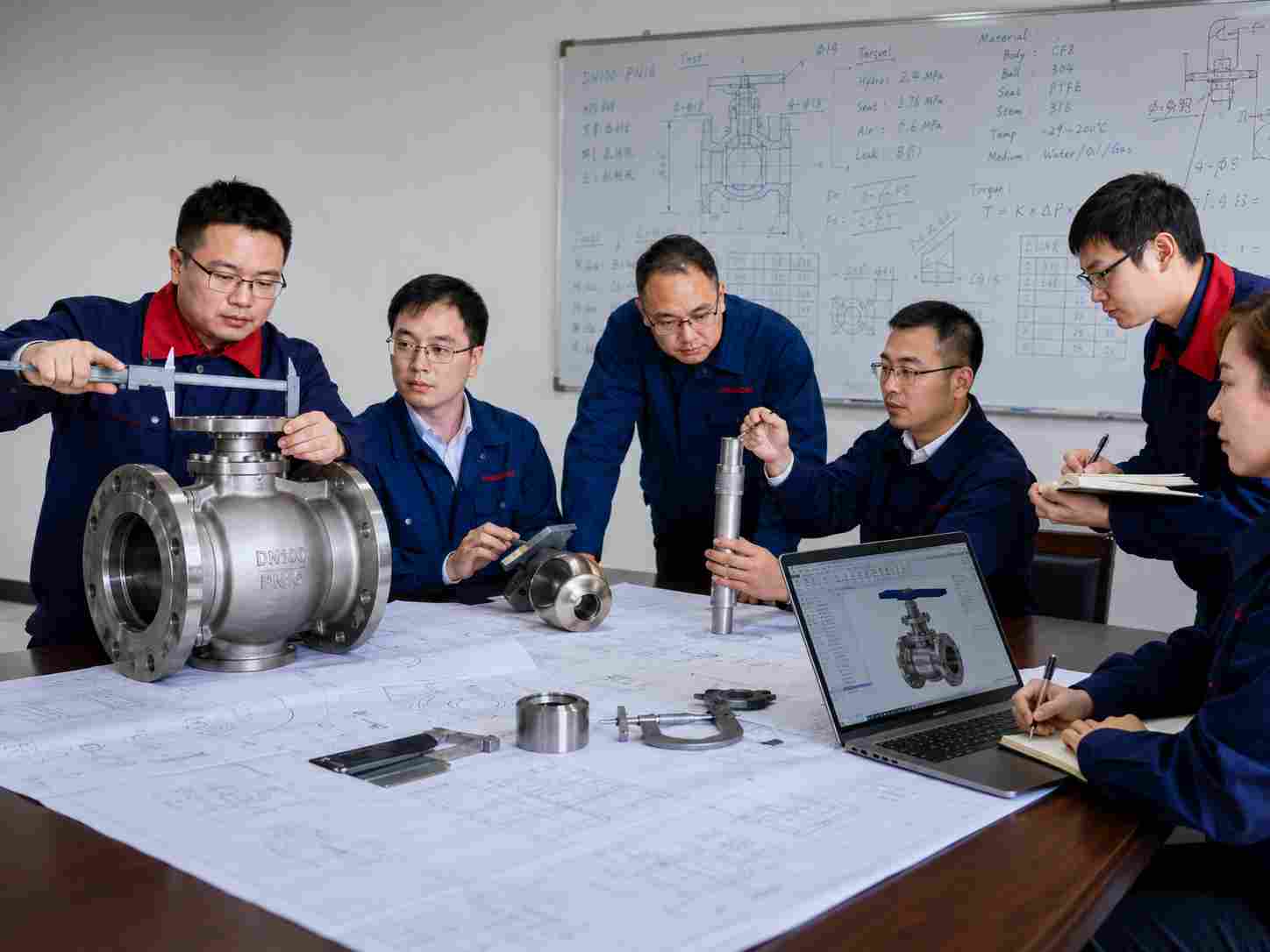
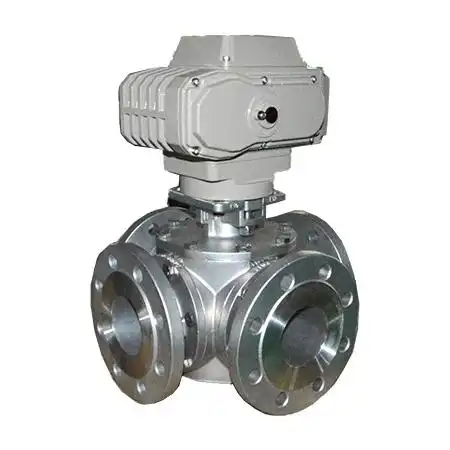
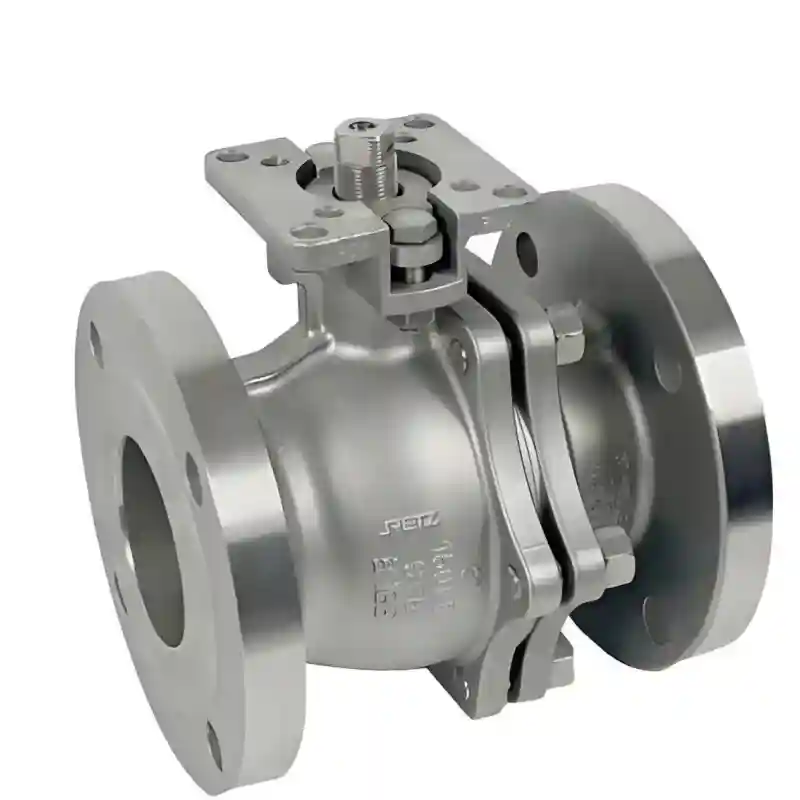
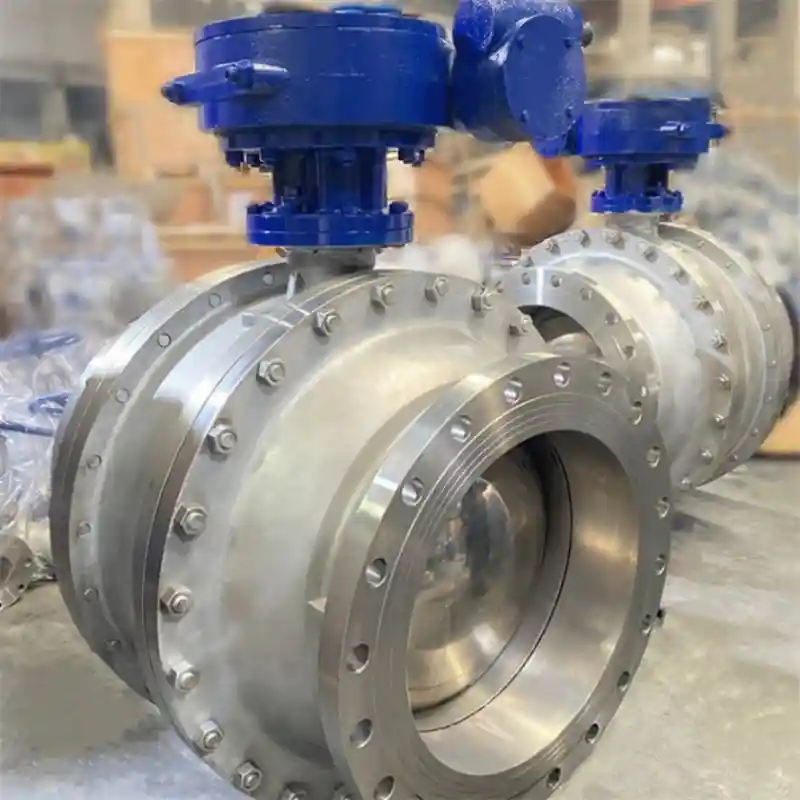
A three piece body ball valve consists of three discrete components: left‑hand body, central body and right‑hand body, securely joined by high‑strength bolts. The ball and valve seats are housed within the central body cavity. Stem rotation drives the ball through 90° to achieve media shut‑off and flow conduction. After releasing the fasteners on both sides, the central‑body assembly together with ball and seats can be pulled out from the piping. Seal replacement can be performed without detaching the entire valve from the line. Thanks to this configuration, three‑piece body ball valves deliver superior service efficiency for welded piping and hygienic process pipelines.

Materials and Specifications

Parameter Item Specification Range
Valve Body Material WCB (Carbon Steel) / CF8 (304) / CF8M (316) / 316L / CF3M / 2205 Duplex Stainless Steel
Ball Material Same grade as valve body or higher‑grade stainless steel
Stem Material 316L / 17‑4PH / Monel alloy
Seat Material PTFE / RPTFE / TFM / PEEK / Metal seat (Stellite hard‑faced overlay)
Nominal Size DN15 ~ DN600 (1/2″ ~ 24″)
Pressure Class Class 150 / 300 / 600 / 900 / 1500 / 2500
Body Style floating type — DN ≤ 200 / Class ≤ 600; trunnion mounted — DN ≥ 250 / Class ≥ 900
End Connection Types Flanged (ASME B16.5 / EN 1092‑1) / butt weld / socket‑welded / threaded (NPT/BSPT) / Tri‑Clamp
Face‑to‑Face Standard ASME B16.10 / EN 558
Fire‑Safe Design API 607 / ISO 10497 (optional)
Anti‑Static Feature Standard anti‑static assembly fitted between stem and ball
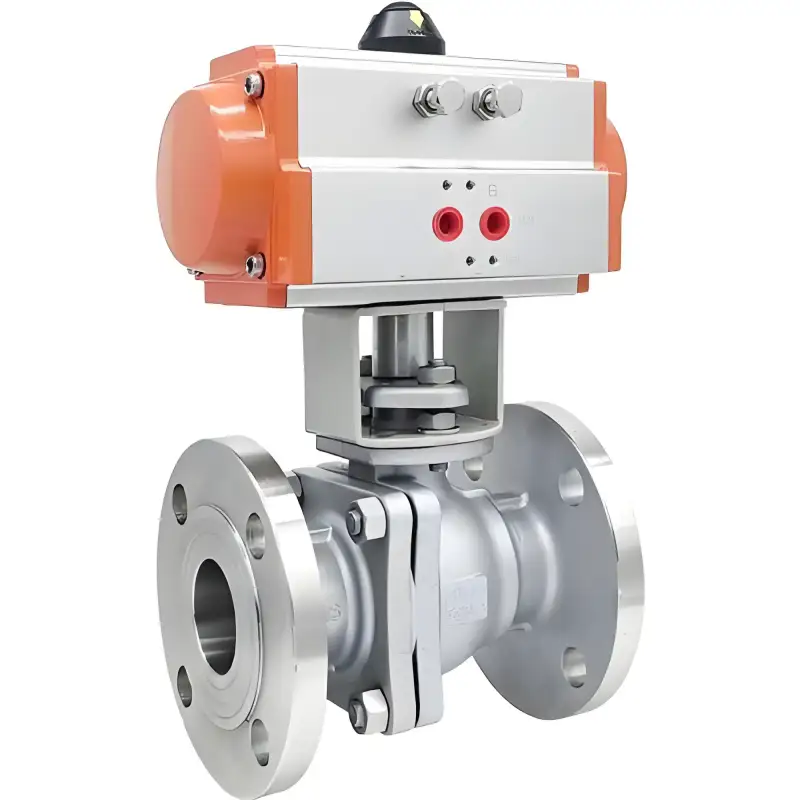
Actuator Mounting Pad ISO 5211 direct‑mount platform (F03/F05/F07/F10/F12)
Internal Surface Treatment As‑cast / mechanical polishing / electro‑polishing (sanitary grade) / pickling‑passivation
Fugitive Emission Performance ISO 15848‑1 (optional)
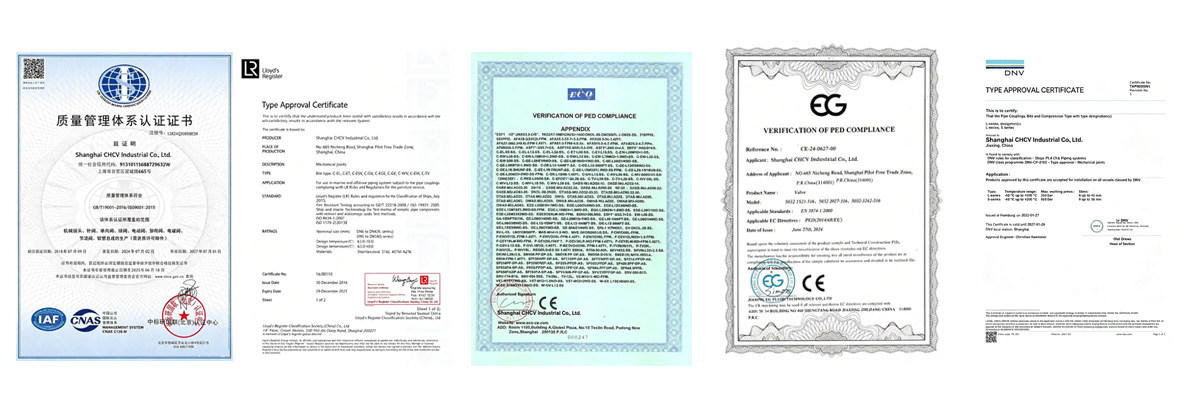
Material Certificates EN 10204 3.1 / 3.2 (available upon request)

Structural Feature: On‑Line Maintenance

The defining advantage of a ball valve 3 piece body lies in its removable central‑body cartridge. The on‑site service workflow runs as follows: isolate upstream and downstream isolation valves and depressurise the line; undo the bolts connecting the central body to left‑ and right‑hand bodies; extract the whole central‑body unit inclusive of ball and seats. Technicians may clean the ball, renew seats and gaskets either on‑site or at a workshop bench, before re‑inserting the cartridge and retightening bolts. Throughout the whole procedure, the left‑ and right‑hand bodies remain firmly attached to process piping. No pipe cutting, flange disconnection or heavy lifting of the complete valve assembly is required.

For welded pipe installations, this design eliminates pipe‑cutting and re‑welding steps entirely. For flanged circuits, it removes labour‑intensive tasks including flange decoupling, valve hoisting, flange realignment and fresh flange‑gasket fitting. Where numerous or large‑size valves are deployed, substantial savings in man‑hours and lifting‑equipment costs can be realised during each maintenance event.

Application Sectors

  • Food & beverage processing: Pipelines carrying syrups, fruit juices, dairy products, beer and other viscous or particle‑laden fluids requiring periodic seat renewal.
  • Pharmaceutical & biotechnology: Distribution loops for sterile active pharmaceutical ingredients, Water‑for‑Injection (WFI) and Purified Water (PW), where regular cavity disassembly and cleaning are mandatory.
  • Fine chemicals & coatings: Media prone to scaling or seat abrasion such as resins, pigments and surfactants.
  • Petrochemical & energy industries: High‑temperature high‑pressure steam, H₂S‑bearing sour fluids and high‑pressure natural‑gas pipelines (trunnion mounted plus metal seats are commonly specified).
  • Seawater desalination & offshore engineering: Transfer of highly corrosive seawater and brine, facilitating routine inspection for seat corrosion damage.

Field Application Case

Within the starch‑syrup refining section at Cargill B.V. (Industrieweg 1, 4551 LA Sas van Gent, Netherlands), three‑piece body ball valves made of 316L stainless steel serve as shut‑off and diversion valves on inlet‑outlet lines for ion‑exchange resin columns. The units range from DN50 to DN100, Class 150 pressure rating, full‑port floating‑type construction and PTFE seats.

Process media including glucose syrup and high‑fructose corn syrup carry fine resin fragments and sugar crystals. Over prolonged runtime, gradual abrasion wears down PTFE seat surfaces and gives rise to imperfect valve closure. The process piping is stainless‑steel welded construction. If two‑piece ball valves had been adopted, every seat replacement would demand plasma pipe cutting, full‑valve removal, off‑site disassembly for seat renewal, followed by re‑welding onto the pipeline. Such work entails hot‑work permits, post‑weld penetrant testing (PT) and lengthy production‑line shutdowns. By contrast, three piece ball valves enable field‑side servicing: technicians loosen bolts, pull out the central‑body cartridge, fit new seats and balls, then reassemble and torque fasteners without cutting pipework. According to site maintenance records, on‑site seat‑replacement duration per valve drops from 8‑10 hours for conventional two‑piece alternatives down to 1.5 hours. Put into service in 2017, this valve fleet undergoes preventive on‑line seat replacement roughly every 18 months per unit. No unplanned production‑line outages triggered by valve‑repair activities have been recorded at this plant.