









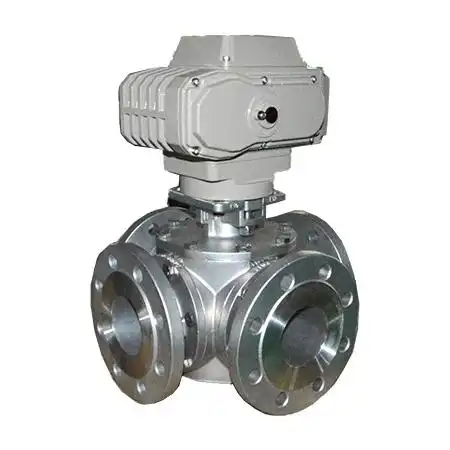
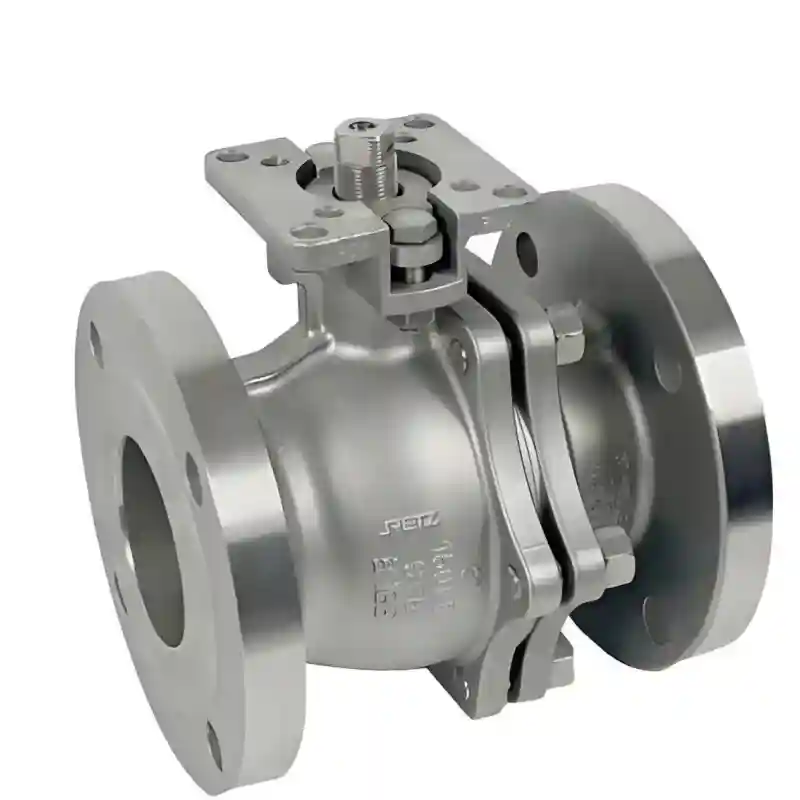
Three Way Stop Valve – L/T Port Shut-off and Switching Valve

Three way stop valve with bubble-tight shut-off, L-port and T-port options for flow switching and positive isolation. PEEK seats, anti-static, API 607 fire-safe. Ideal for sampling systems and equipment bypass.

Description

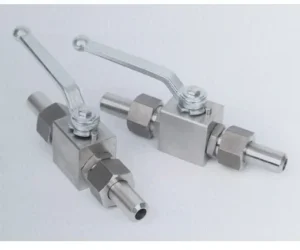
A three‑way stop valve is a multi‑purpose valve integrating three‑way flow‑reversing capability together with reliable Stop/Shut‑off performance. Its core function within piping networks covers flow‑path switching and positive media isolation: it can divert incoming fluid from one inlet selectively toward either of two outlets for diversion or directional change, while delivering bubble‑tight bi‑directional shut‑off on inactive branches to fully isolate downstream piping from upstream process sections. Thanks to this combined “switching plus tight shut‑off” capability, it serves as an optimal selection for operating conditions demanding both flow rerouting and dependable isolation.
What sets it apart from standard three‑way ball valves lies in sealing performance. Conventional three‑way ball valves are primarily engineered for flow switching. When an outlet stays closed over extended periods, sustained pressure may induce seat creep and result in minor internal leakage. By contrast, the three‑way stop valve adopts PEEK seat material with far superior anti‑creep characteristics versus PTFE. It maintains stable sealing specific pressure under long‑term pressurised service and achieves bubble‑tight shut‑off with leakage rates below 0.01 cc/min, ensuring trustworthy isolation for idle branch circuits.

Design Features for Robust Sealing

Reliable sealing performance of three‑way stop valves stems from the following structural highlights:
  • PEEK seats with high creep resistance: PEEK (polyetheretherketone) seats exhibit outstanding dimensional stability and anti‑creep behaviour under prolonged pressure load. Sealing contact pressure does not degrade over time, eliminating micro‑leakage triggered by permanent deformation common to PTFE seats under long‑term compression.
  • Precision‑finished ball element: Balls are ultra‑precision polished to Ra ≤ 0.4 μm. The matched interface between ball and PEEK seat enables bi‑directional bubble‑tight closure on the closed port, with internal leakage below 0.01 cc/min compliant with ANSI/FCI 70‑2 Class VI leakage criteria.
  • Standard anti‑static assembly: An anti‑static unit fitted between ball and stem safely dissipates static charge build‑up. This mitigates ignition‑and‑explosion hazards in service with flammable media such as fuel gas, oil and chemical fluids.
  • Optional fire‑safe construction: Designed to satisfy API 607 fire‑safety standards. Upon seat failure under fire conditions, secondary metal‑to‑metal sealing surfaces retain partial tightness to prevent massive media discharge.

Valve Specifications and Technical Parameters

Parameter Specification Details
Nominal Size 1/4″ ~ 6″ (DN8 ~ DN150)
End Connection NPT thread / BSP thread / Flange (ANSI/EN) / Tri‑Clamp sanitary clamp
Pressure Class Class 150 / 300 / 600
Temperature Range -46°C ~ 250°C (PEEK seat)
Flow Path Type L‑Port (flow switching + single‑branch shut‑off) / T‑Port (mixing‑diversion + multi‑branch control)
Body Material ASTM A105 forged steel / A182 F316 stainless steel / Ductile iron
Ball Material 13Cr stainless steel / Hardened 316L stainless steel
Seat Material PEEK (standard) / Reinforced PTFE (optional)
Leakage Class ANSI/FCI 70‑2 Class VI (bi‑directional bubble‑tight shut‑off)
Anti‑static Device Supplied as standard
Fire‑Safe Design API 607 compliant (optional)
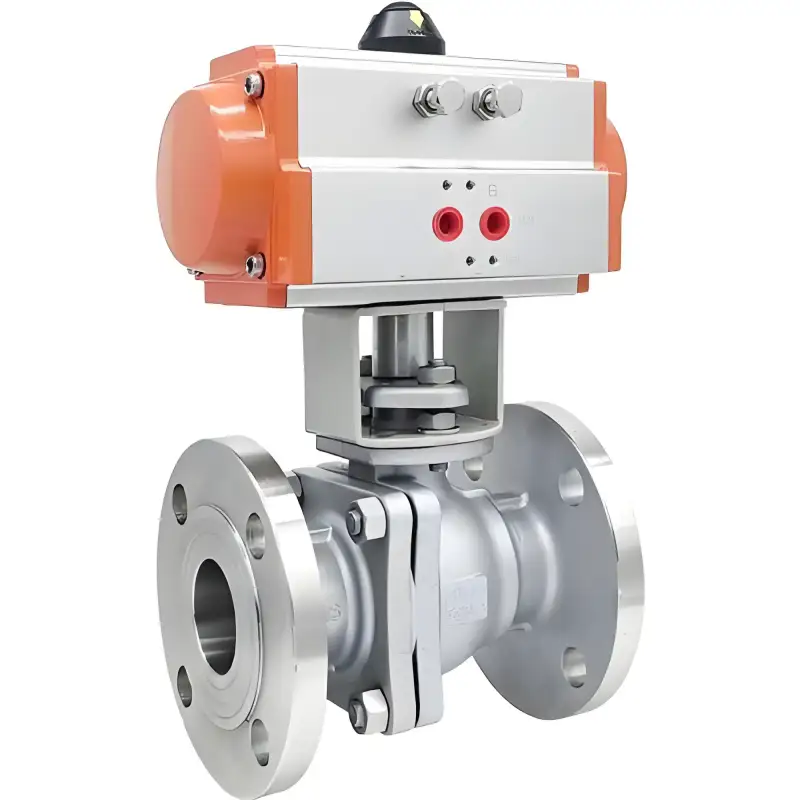
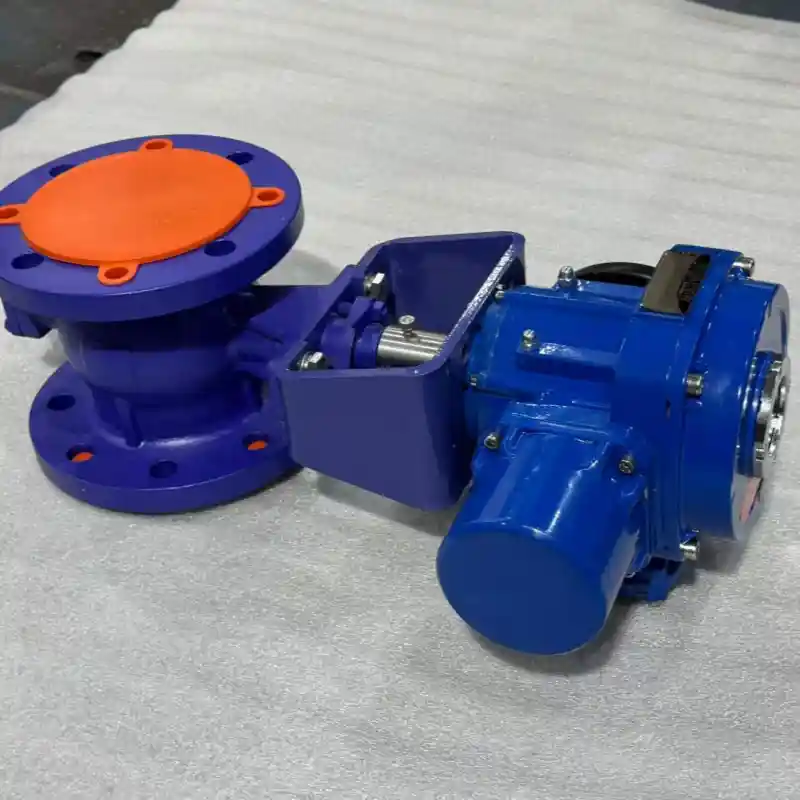
Actuation Manual lever (lockable) / Gear operator / Pneumatic actuator / Electric actuator

Flow‑Path Selection Guidance

  • L‑Port: Directs single‑inlet flow toward one of two outlets and delivers positive shut‑off on the closed side. Suited for select‑one‑of‑two workflows such as sampling‑loop switching & isolation and equipment bypass change‑over with isolation.
  • T‑Port: Splits flow from one inlet into two outlets, or merges two incoming streams for single‑port discharge. Applicable for mixing or diversion duties, with reliable shut‑off achievable for every connected branch.

Typical Application Scenarios

3 way stop valves are widely deployed across industrial processes requiring combined flow‑switching and isolation functions:
  • Sampling systems: Alternate between multiple sample tap points. While sampling is inactive, sample lines are fully segregated from main process piping to avoid port blockage by residual fluid and eliminate safety risks.
  • Equipment bypass and isolation: Online switching and isolation for heat exchangers, filters, pump assemblies and other process hardware. During maintenance, flow rerouting takes place while the unit under service is fully disconnected from the running system.
  • Instrument impulse‑line isolation: Sampling switching and isolation for pressure and differential‑pressure transmitters. Positive disconnection between instrument tubing and process piping is guaranteed during blow‑down or maintenance work.
  • Fuel‑gas / fuel‑oil supply switching and emergency shut‑off: Performs supply‑source change‑over plus emergency cut‑off for gas and oil pipelines, where anti‑static and fire‑safe configurations are mandatory.

Field Application Reference

Case 1 covers the sampling‑system upgrade for a styrene monomer plant within an ExxonMobil chemical complex located on Jurong Island, Singapore. The production line required sample extraction from multiple process take‑off points for quality laboratory analysis. The sampling circuit had to toggle among tap locations while ensuring complete separation between sample lines and main process piping in idle status. Previously deployed standard three‑way ball valves suffered seat creep of PTFE components under sustained closing pressure. The resultant minor leakage allowed styrene monomer residue inside sample lines to self‑polymerise, clogging sampling ports. This compromised analytical accuracy and created operational safety hazards.
The implemented solution adopted three‑way stop valve featuring L‑Port geometry, 316L stainless‑steel body, full‑port bore, PEEK seats, built‑in anti‑static hardware and API 607 fire‑safe certification. Thanks to PEEK’s superior creep resistance versus PTFE, stable sealing specific pressure was preserved under long‑term operating conditions (150 PSI, 50°C). Internal leakage stayed below 0.01 cc/min and solid isolation between sample lines and main process piping was secured. A simple 90‑degree valve rotation completes sample‑point selection and isolation, removing human error risks arising from multi‑valve manual operations.
Inspections after 24 consecutive months of runtime revealed negligible wear on seat sealing surfaces. No blockage caused by styrene self‑polymerisation occurred within sample loops. Both sampling‑analysis precision and site operational safety were markedly enhanced. This technical solution has been specified as standard sampling‑system hardware for multiple ExxonMobil chemical facilities across the Asia‑Pacific region.

Quality Assurance

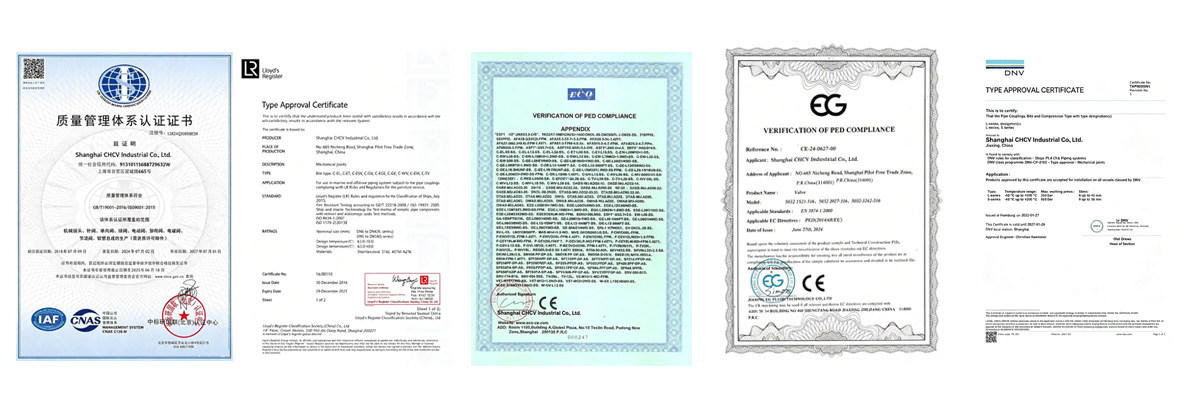
CHCV three‑way stop valves are manufactured and inspected conforming to ASME B16.34 under the ISO 9001 quality‑management framework. Every valve undergoes 100 % hydrostatic shell‑strength testing and bi‑directional seat tightness verification complying with API 598 and ANSI/FCI 70‑2 Class‑VI requirements. Full material certificates and physical‑property test reports are furnished for PEEK seat components. All anti‑static assemblies pass 100 % continuity testing. Fire‑safe‑version units can provide official API 607 certification documentation upon request.