









3 Way Ball Valves – Full Port L/T Port for Flow Diverter & Mixing
3 way ball valves in stainless steel, brass, and carbon steel. Full port L-port and T-port designs reduce leak points vs multi-valve systems. Ideal for water treatment, chemical, and industrial processing.
Description
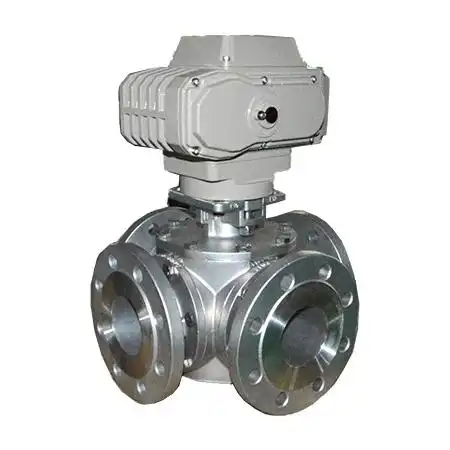
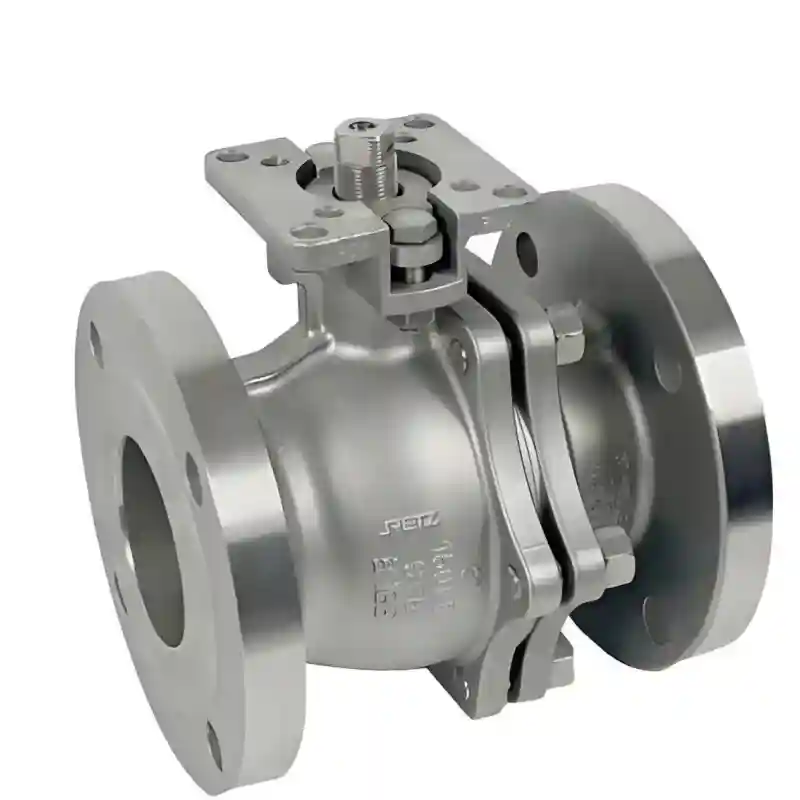
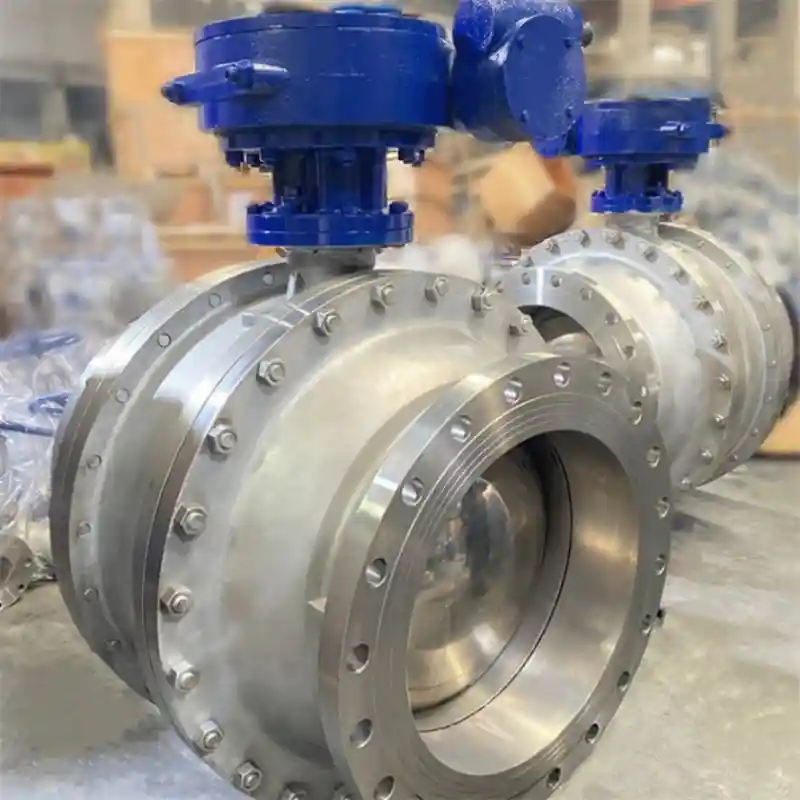
3 way ball valves represent a family of quarter‑turn fluid‑control hardware. Rotation of the internal ball enables flow‑path re‑routing, media diversion and stream merging across three‑port piping circuits. All three fluid passages are integrated within a single valve housing, eliminating intricate pipe layouts that would otherwise demand multiple 2‑way ball valves plus assorted fittings. Widely deployed throughout industrial piping networks, this valve category covers a comprehensive size spectrum ranging from miniature instrument‑grade 1/4‑inch units up to large‑bore 24‑inch main‑line versions.
Compared against conventional assemblies consisting of multiple 2‑way ball valves and connecting fittings, the major advantage of 3 way ball valves lies in system simplification. One single unit delivers complete three‑port flow‑switching capability that would otherwise require two 2‑way ball valves plus ancillary pipe components. It brings joint count down from 6‑8 flange or threaded connections to merely 2‑3, cutting potential leak points by 60%‑75%. Every flange, threaded and Tri‑Clamp joint constitutes a probable leakage source during long‑term service. Fewer interfacing joints directly mitigate leak risks while trimming routine inspection and maintenance overhead.
Structural Benefits for Minimised Leak Points
Each connection joint within a piping system carries inherent leakage potential. A typical switching setup built around two 2‑way ball valves and one T‑fitting generally contains 6‑8 connection interfaces. When substituting this arrangement with one 3 way ball valve:
- Flanged configuration: Only three flange interfaces (one inlet flange plus two outlet flanges), removing more than five mating flange faces versus traditional builds.
- Threaded configuration: Just 2‑3 threaded ports, delivering over 60 % reduction in threaded connections.
- Sanitary Tri‑Clamp configuration: Equipped with three clamp connections, reducing clamp‑style sealing interfaces by 62 % and lowering risks of microbial proliferation.
Ageing flange gaskets, degraded thread sealant and deformed Tri‑Clamp gaskets rank among leading root causes of piping‑system failures over operating lifecycles. Reduced joint quantity not only suppresses leakage likelihood, but also cuts down locations requiring bolt or clamp tightening and leak checks during regular rounds. It further lessens sealing‑component replacement workload during major plant overhauls.
Material and Specification Options
| Parameter | Specification Details |
|---|---|
| Nominal Size | 1/4″ ~ 24″ (DN8 ~ DN600) |
| End Connection | NPT thread / BSP thread / Flange (ANSI/EN) / Tri‑Clamp sanitary clamp |
| Pressure Class | Class 150 / 300 / 600 / 900 / 1500 / 2500 |
| Temperature Range | -20°C ~ 180°C (PTFE seat); -46°C ~ 250°C (optional PEEK seat) |
| Flow‑Port Type | L‑Port (flow‑path switching) / T‑Port (mixing & diversion) |
| Body Material | WCB carbon steel / CF8M (316L) stainless steel / Nickel‑plated brass / Ductile Iron / PVC |
| Ball Material | SS304 / SS316L stainless steel / Chrome‑plated brass |
| Seat Material | Reinforced PTFE / PEEK |
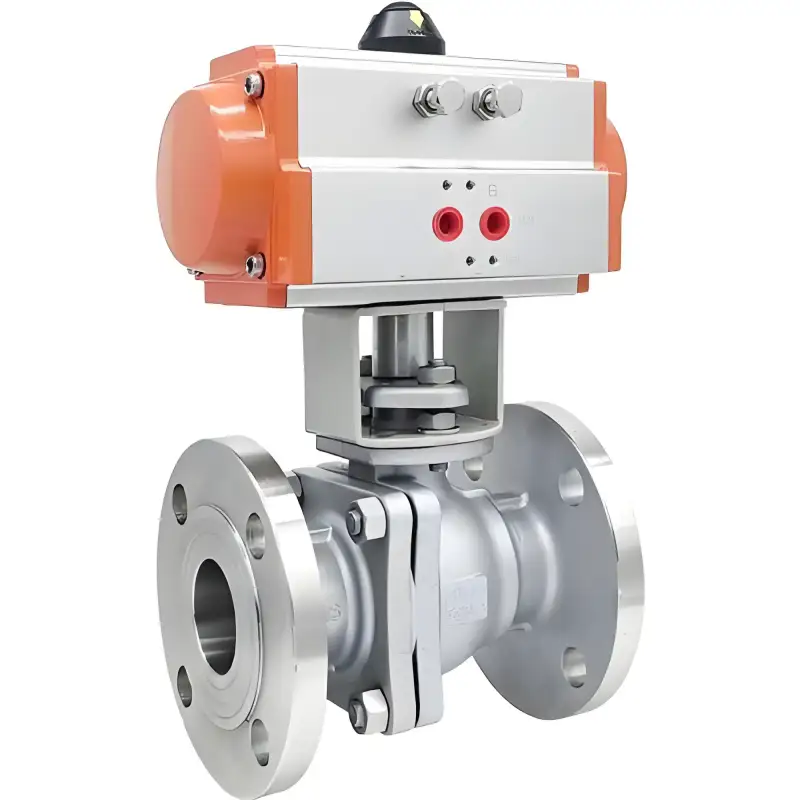
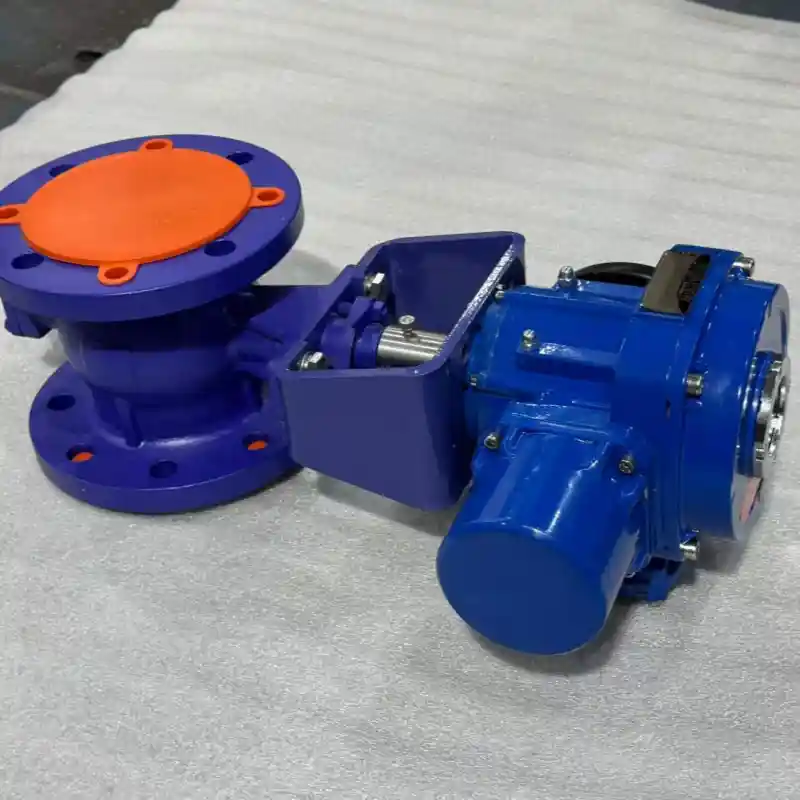
| Operation Method | Manual lever (lockable) / Gear operator / Pneumatic actuator / Electric actuator |
| Anti‑Static Device | Standard for metallic valve bodies |
| Fire‑Safe Performance | API 607 compliant (optional) |
Flow‑Port Selection Guidance
- L‑Port: Directs inflow selectively toward one of two outlet ports for exclusive‑choice operation. Suitable for flow‑path change‑over, bypass modulation, filter back‑wash sequencing and permeate diversion duties.
- T‑Port: Splits incoming flow toward two simultaneous outlet streams, or combines two incoming feeds into one single discharge. Commonly applied for fluid blending and CIP cleaning‑solution distribution workflows.
Typical Application Scenarios
3 way ball valves see broad utilisation across a wide array of industrial operating environments:
- Oil & Gas: Manifold switching, multi‑stream allocation on metering skids, media diversion for well‑head control assemblies.
- Water Treatment & Municipal Utilities: Filter‑tank back‑wash change‑overs, membrane‑system permeate splitting, influent‑effluent distribution within wastewater facilities.
- Chemical & Fine‑Chemical Processing: Reactor feed switching, solvent‑recovery diversion, batch‑oriented product transfer within intermediate tank farms.
- HVAC & District Energy Networks: Hot‑chilled water supply‑return reconfiguration, branch‑line regulation for district cooling and heating infrastructure.
- Food, Beverage & Pharmaceutical Industries: Sequential routing for CIP cleaning media and product‑stream switching across batch‑mode production cycles.
- Industrial Circulating Cooling Water: Heat‑exchanger supply‑return switching and branch allocation for cooling‑tower circuits.
- OEM Equipment Integration: Internal piping control for generator‑set cooling loops and compressor skid‑mounted packages.
Field Application Reference
Case 2 describes the permeate‑diversion upgrade for the NEWater membrane plant at Ulu Pandan, managed by Singapore’s Public Utilities Board (PUB). Permeate generated by reverse‑osmosis (RO) membranes required on‑demand distribution between municipal potable‑water pipelines and industrial‑water networks. The legacy diversion system was assembled from multiple gate valves and pipe fittings, yielding eight flange‑groove joints per switching unit. High working pressure (around 250 PSI) plus frequent valve cycling (2‑4 operations daily) triggered recurring minor seepage at joints. Standing water accumulated persistently across pump‑house floors, pushing up maintenance costs and creating slip hazards.
The implemented solution deployed CHCV 3 way ball valves with L‑Port geometry, ductile‑iron body, full‑port bore, Class 150 flanged ends and electric actuation. Each diversion loop required only one three‑way ball valve, cutting flange‑groove joints from 8 down to 3 for a 62 % reduction in leak‑prone interfaces. The full‑port design preserved a steady 120 m³/h permeate throughput without flow restriction. Cumbersome multi‑person manual handling gave way to one‑click remote automatic switching, shortening actuation response from 15 minutes to merely 30 seconds.
After commissioning, pump‑house floors remained dry. Relevant maintenance work‑orders fell from 3‑4 per week to fewer than one per month, delivering substantial annual operational‑cost savings for the water utility. PUB has incorporated this solution as the standard design specification for future NEWater facilities.
Quality Assurance
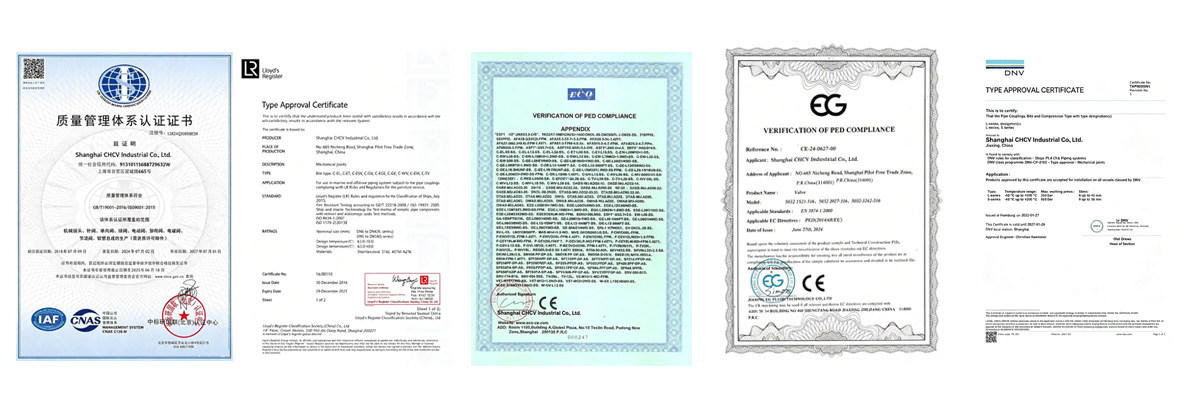
CHCV 3 way ball valves are manufactured and inspected conforming to ASME B16.34 under the ISO 9001 quality‑management framework. Products satisfy API 6D pipeline‑valve standards, with API 607 fire‑safe certification available as an optional add‑on. Every unit undergoes 100 % hydrostatic shell‑strength testing and bi‑directional seat tightness verification in accordance with API 598 prior to shipment. Complete material traceability certificates and test reports are supplied with each order.