
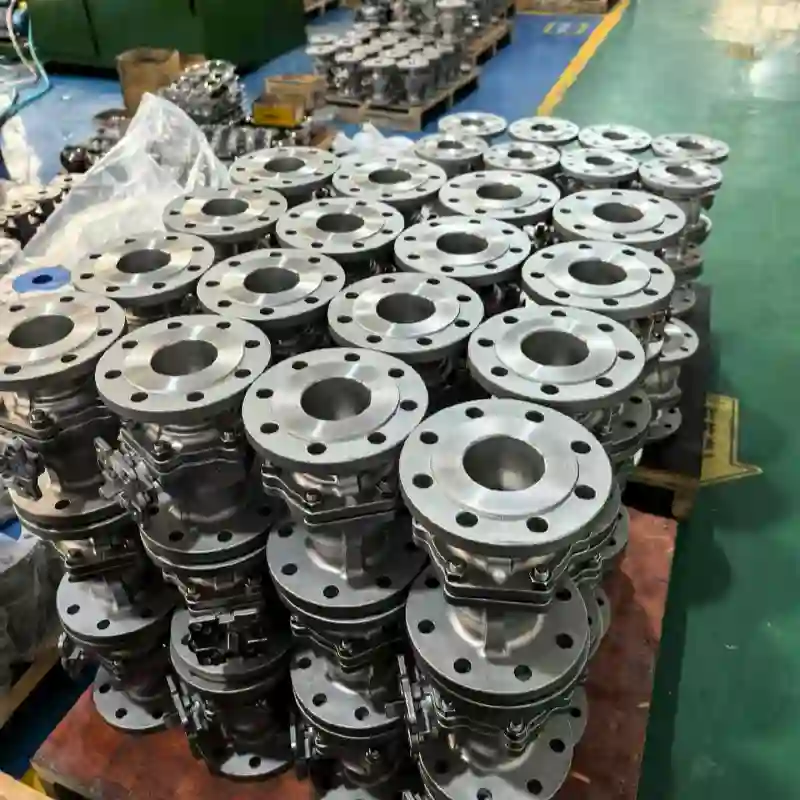
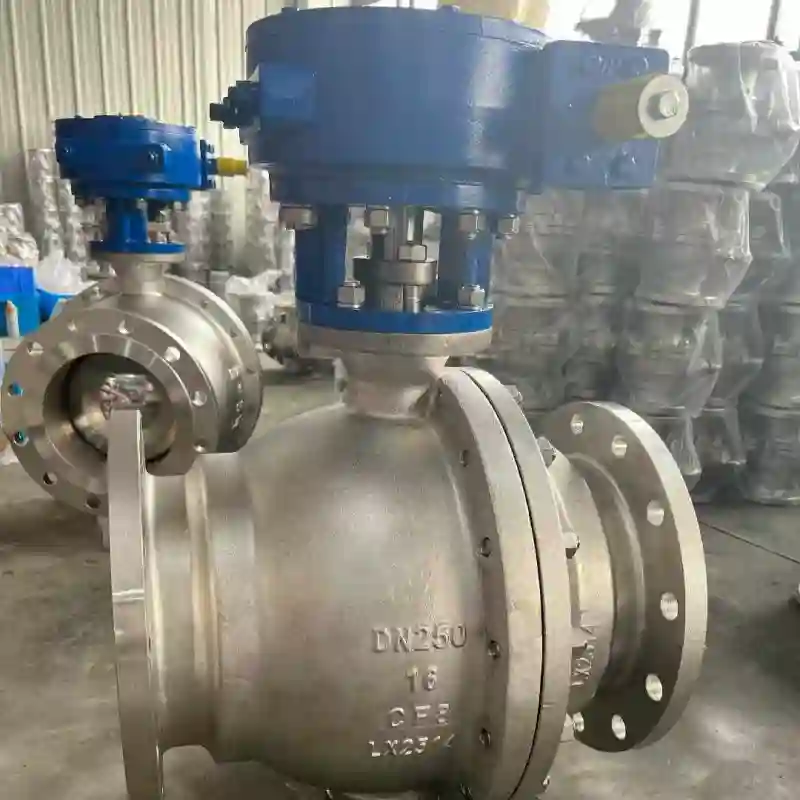
10″ Full Port Trunnion Ball Valve Low Flow Resistance Industrial Shutoff Valve
DN250 10″ ball valve with full port design, ultra low flow resistance, flanged & welded ends, carbon/SS material for oil, gas, water industrial pipeline isolation.
Description
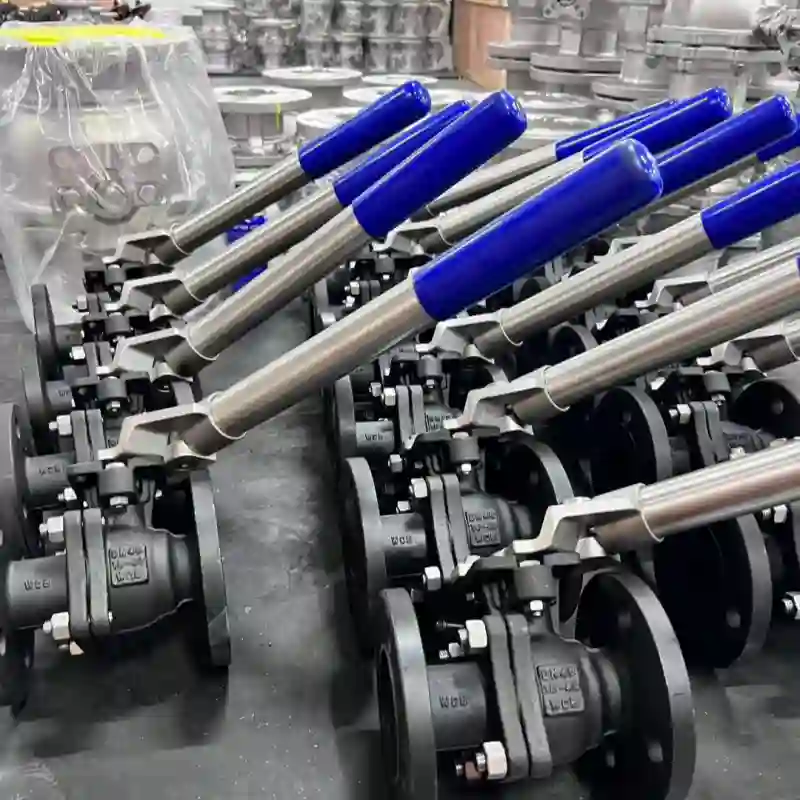
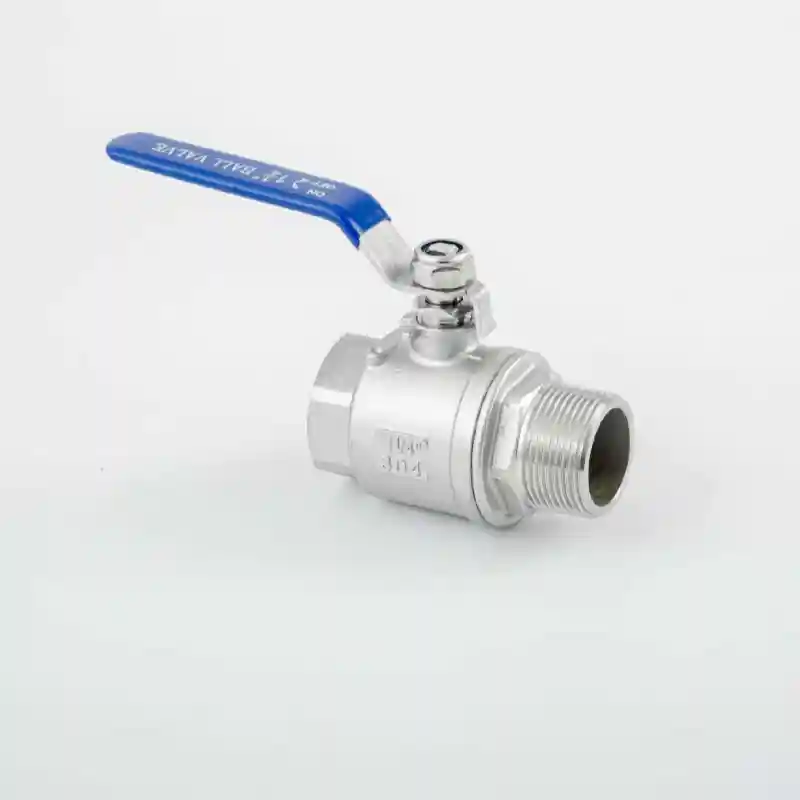
This 10″ ball valve (DN250 / NPS 10) is an industrial shut‑off valve featuring a full‑port design. Its core advantage lies in extremely low flow resistance – the internal bore matches the pipe inner diameter, significantly reducing pressure losses during media conveyance. Ideal for high‑volume, continuous on‑off service, it enables rapid full open/close without throttling penalties, making it well suited for main pipelines in oil & gas, water utilities, and chemical processing.
Material, Connection, Pressure & Specifications
| Parameter | Specification |
|---|---|
| Size | DN250 / NPS 10 (within DN50–DN300 range) |
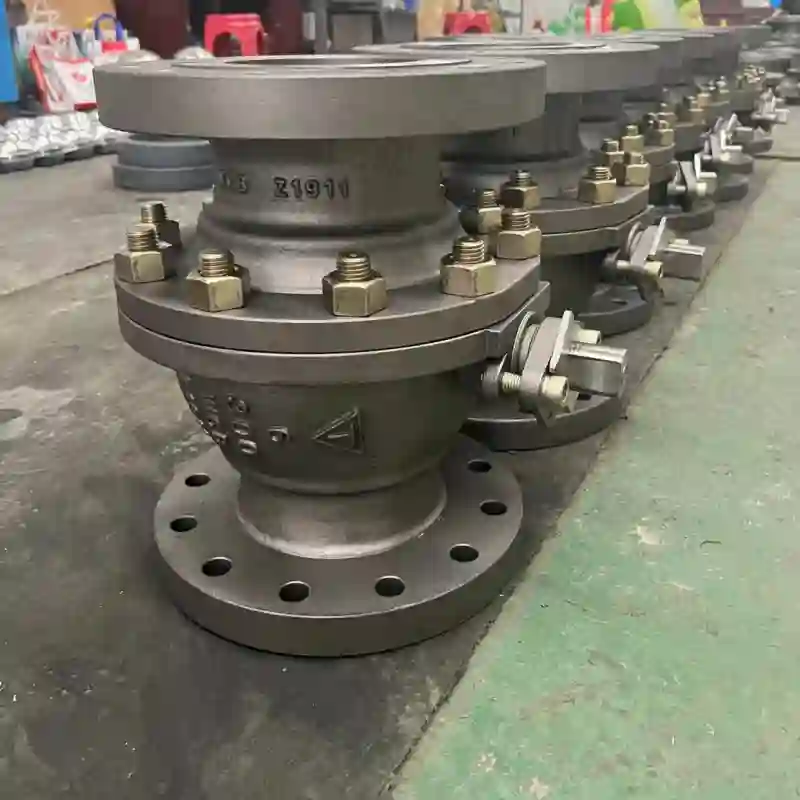
| Body material | WCB carbon steel / CF8M stainless steel (stainless steel ball valve) |
| Ball | 304/316 stainless steel |
| Pressure rating | 1000 WOG, Class150/300 |
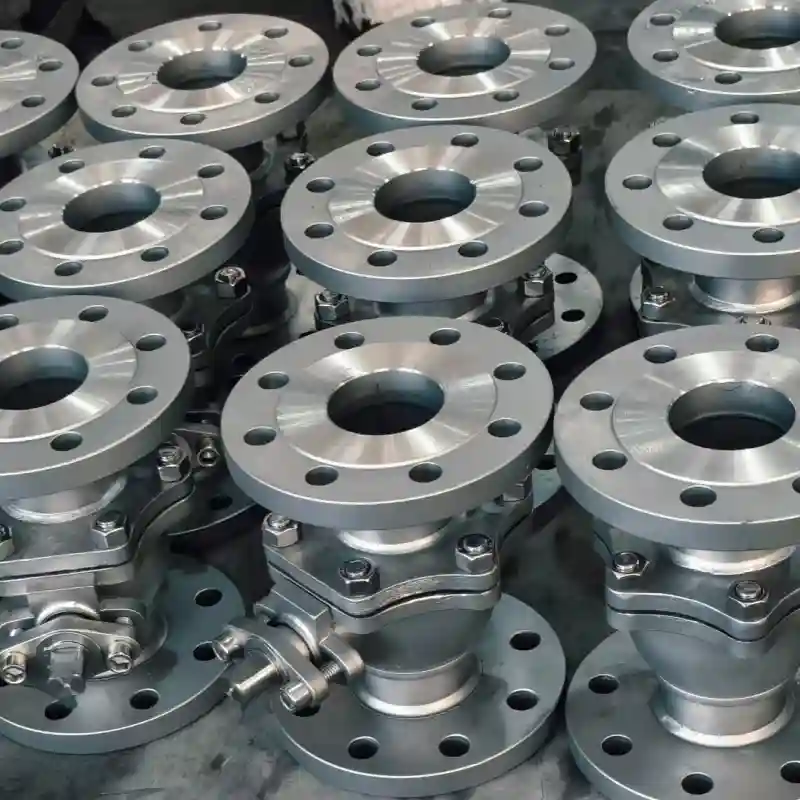
| Connection | Flanged (flanged ball valve), butt‑weld |
| Ball design | Trunnion ball valve (fixed‑ball configuration) |
| Temperature range | –29°C ~ 200°C |
The body is available in forged/cast carbon steel or stainless steel. Flanged and butt‑weld ends accommodate various industrial piping requirements. The trunnion‑mounted ball ensures stable alignment under high pressure, delivering reliable long‑term sealing.
Application Scenarios
Widely deployed in long‑distance oil/gas transmission, large municipal wastewater plants, chemical feedstock lines, power plant cooling water loops, and seawater desalination mains. The low‑resistance characteristic reduces pump energy consumption and lowers pipeline operating costs.
Common Overseas Procurement Q&A
Q: What is the pressure‑drop difference between the low‑resistance full‑port version and a reduced‑bore ball valve?
A: Under identical flow conditions, the full‑port design experiences only about one‑quarter of the pressure loss compared with a reduced‑bore valve – significantly cutting electricity costs at pumping stations on long trunk lines.
Q: For oil/gas pipelines, should I choose carbon steel or stainless steel body?
A: For non‑corrosive crude oil and natural gas, WCB carbon steel is sufficient. For sour gas, seawater, or corrosive chemical media, CF8M stainless steel is recommended.