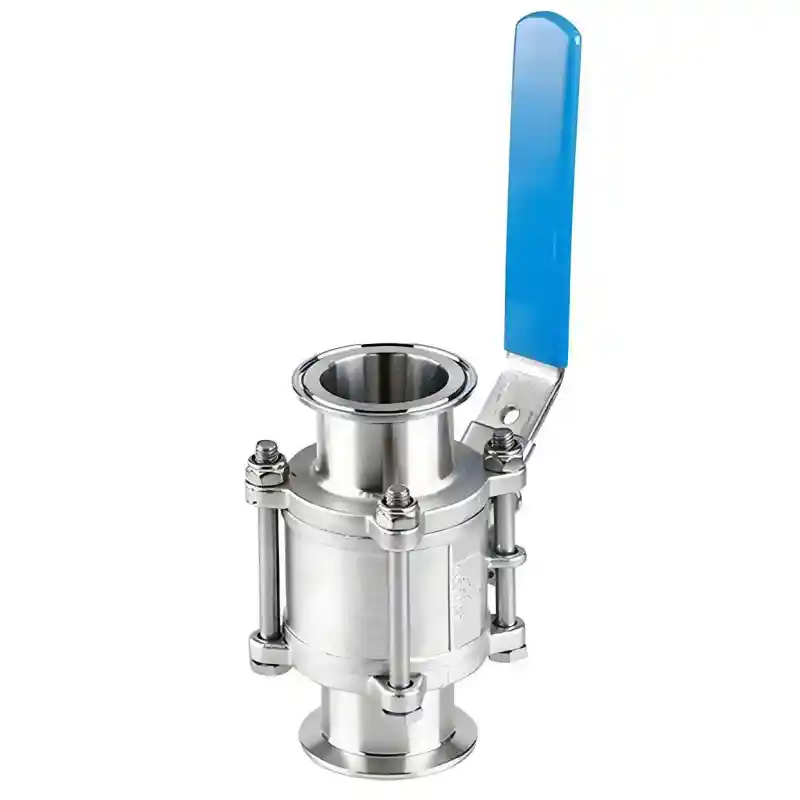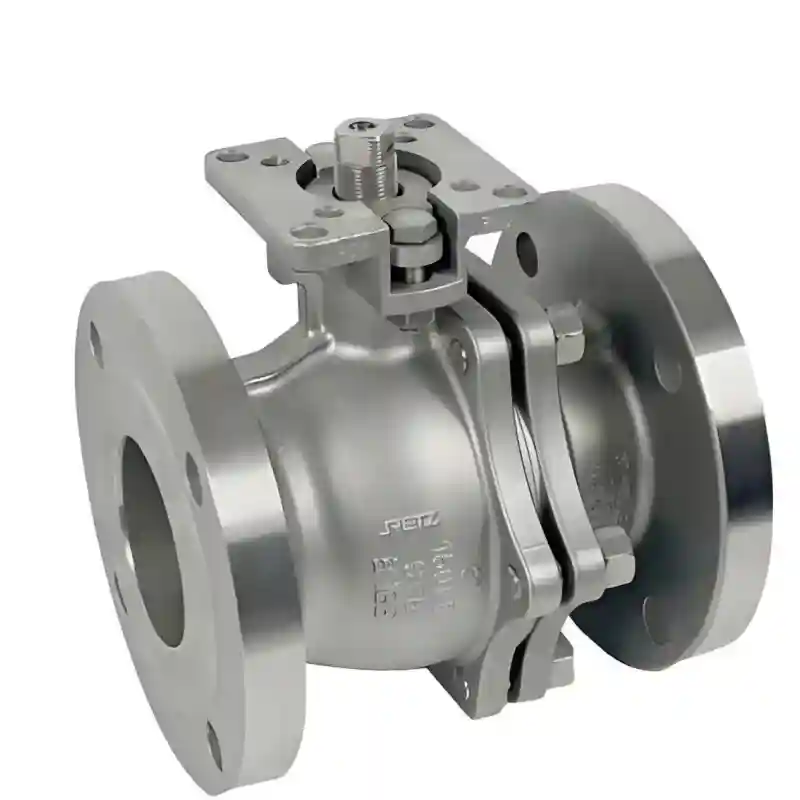

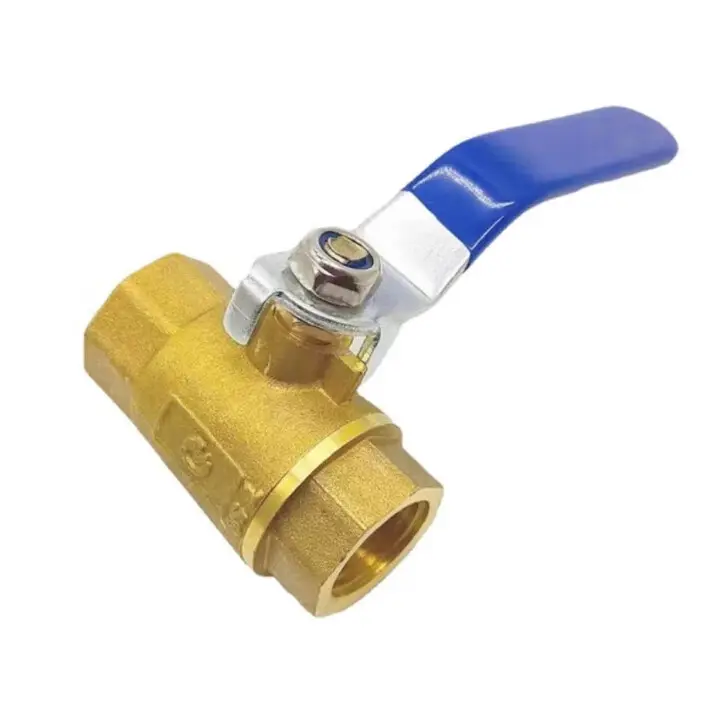
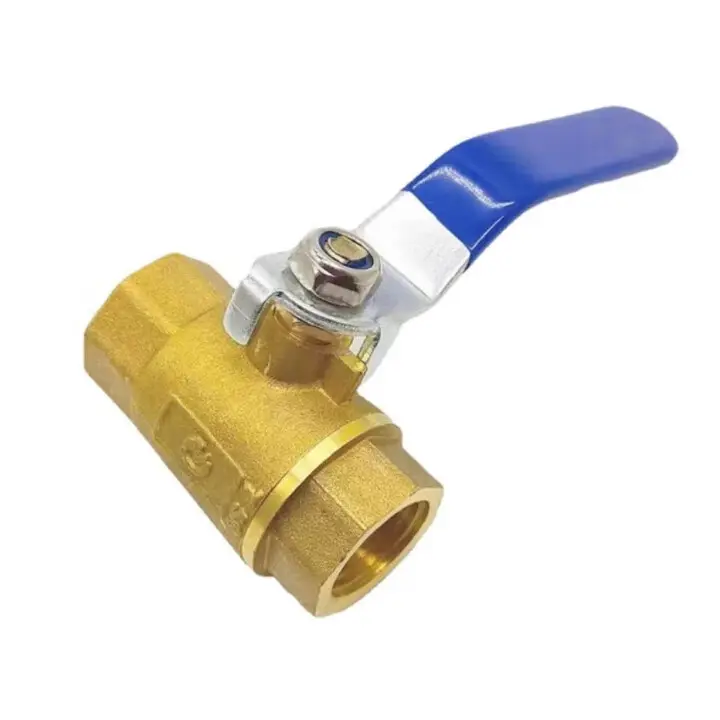
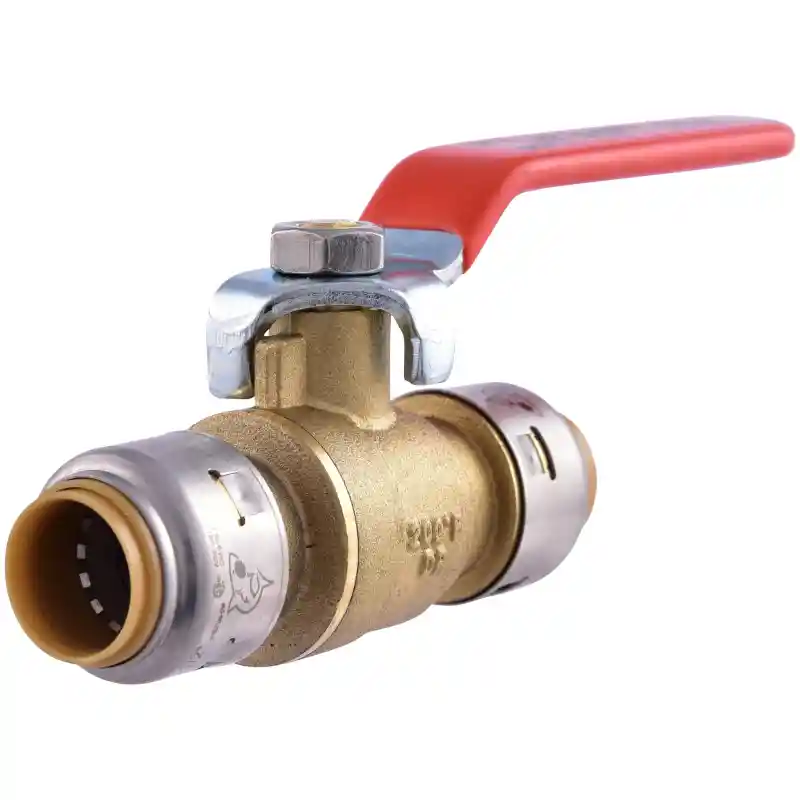
3/4″ Push-to-Connect Brass Ball Valve – Easy Install, Removable
3/4″ push-to-connect brass ball valve for PEX/copper/CPVC. No tools required for installation, removable with disconnect clip for maintenance. 200 psi, lead-free.
Description
The 3/4‑inch push‑to‑connect brass ball valve represents an innovative piping control component integrating instant shut‑off performance and tool‑free joining. It targets residential water supply, commercial piping networks and equipment maintenance work where frequent disassembly or fast response is demanded. By rotating its internal ball assembly through 90 degrees, the valve delivers rapid on‑off fluid regulation. Meanwhile, the Push‑to‑Connect technology enables ultra‑fast assembly and non‑destructive detachment.
Embedded stainless steel grab rings and EPDM O‑ring seals sit within both end ports. Users simply trim pipe ends flat and insert PEX, copper or CPVC tubing into the valve body to form a pressure‑resistant joint. With a dedicated Disconnect Clip, technicians can release connections without harming either valve bodies or pipework, supporting non‑destructive disassembly and repeated reuse. This hardware serves as a practical solution for aging‑community pipe rehabilitation, fast water‑heater replacement and retrofits of commercial equipment supply branches.
Material & Specification Parameters
| Item | Specification |
|---|---|
| Valve Body Material | Forged Brass (CW617N / ASTM B124, lead‑free variant optional) |
| Ball Material | Chrome‑plated Brass / SS304 Stainless Steel |
| Sealing Material | Potable‑water‑grade EPDM (for hot & cold water service) |
| Grab Ring Material | 301 stainless spring steel |
| Nominal Size | DN20 (3/4″) |
| End Connection | Dual‑end Push‑to‑Connect fitting |
| Compatible Pipe Types | PEX (Type A/B/C), Copper (Type K/L/M), CPVC (CTS standard) |
| Pressure Rating | 200 psi (water), 150 psi (gas) |
| Temperature Range | 33°F ~ 200°F (0°C ~ 93°C) |
| Operation Mode | Handle‑equipped quarter‑turn (90°) fast opening & closing |
| Disassembly Method | Depress fitting collar with Disconnect Clip to release pipe |
| Flow Path Type | Full Port |
| Stem Design | Blow‑out Proof structure |
| Installation Requirement | No special tools required; pipe cutter only |
| Reusability | Supports repeated assembly and disassembly |
| Potable‑Water Certification | NSF/ANSI 61 (lead‑free version) |
| Applicable Standards | ASTM F1960 / ASSE 1061 / CSA B125.3 |
Application Scenarios
- Swift replacement of water supply branches in ageing residential compounds: when existing household shut‑off valves seize or fail, repairs proceed within 15 minutes without building‑wide main‑valve shutdown or soldering work.
- Quick isolation for water‑heater inlet and outlet ports: push‑fit joints cut down water‑heater swap duration from 60‑90 minutes to merely 15‑20 minutes.
- Mixed‑material piping systems combining PEX, copper and CPVC: one single valve connects three distinct pipe formats, making it well‑suited for legacy‑home retrofits converting copper lines to PEX.
- Water supply branch isolation for commercial kitchen hardware: fast shut‑down for dishwashers, steam ovens and water boilers to simplify cleaning and servicing routines.
- Bypass assemblies for water softeners and water purifiers: rapid bypass switching allows filter‑media replacement without system shutdown.
- Temporary water supply and emergency field restoration: builds makeshift water delivery lines for municipal repair assignments and property‑management emergency responses.
- Seasonal equipment isolation: quick closure and drainage for outdoor hose bibs and irrigation setups prior to winter freeze periods.
Core Advantages: Streamlined Installation & Service‑Friendly Disassembly
1. Streamlined Installation: Tool‑free connection completed within 15 seconds
Conventional threaded ball valves demand PTFE tape wrapping and pipe‑wrench tightening, consuming an average of 8‑12 minutes per joint. Soldered alternatives involve surface grinding, flux application, heating and cooling cycles, taking 15‑20 minutes. PEX crimp‑style ball valves call for dedicated crimping tools, with 3‑5 minutes of overhead including tool preparation.
A 3/4 in push to connect brass ball valve follows a straightforward three‑step installation workflow:
- Trim pipe ends squarely with a pipe cutter.
- Insert tubing fully into the fitting port until an audible “click” signals full seating.
- Rotate the handle and perform flow‑testing.
No thread sealing tape, soldering operations or crimp instruments are needed throughout the whole workflow, and fitting finishes generally take under 30 seconds. For property‑maintenance crews, such efficiency gains bring single‑household repair lead‑times down from 2.5 working hours to roughly 20 minutes, cutting labour expenses by approximately 85%.
2. Service‑Friendly Disassembly: Reusable construction drastically lowers spare‑part spending
Soldered or threaded ball valves form permanent joints once fitted. Replacement or maintenance work forces technicians to cut pipework and discard old valve units. This product comes paired with a purpose‑built Disconnect Clip:
- Slip the Disconnect Clip over the fitting collar.
- Apply pressure against the collar toward the valve‑body side.
- Pull the pipe gently to separate it from the valve assembly.
The whole procedure lasts less than one minute and imposes zero structural damage on the valve, enabling redeployment at subsequent job‑sites. For property‑management and equipment‑service teams handling frequent maintenance assignments:
- Valves can be detached and reinstalled during water‑meter or filter‑element swap‑outs.
- Identical valve hardware can circulate among multiple repair points across one residential complex.
- Over 90% valve re‑utilization rate is achievable, driving spare‑part procurement costs down by 40%‑60%.
Application Case: Major Property Management Group in Shanghai — Fast‑Replacement Project for Water‑Supply Branches in Ageing Communities
Project Name: Standardized Quick‑Replacement Program for Household Inlet Valves in Shanghai Old‑Neighborhood Communities Location: Shanghai, China
Vanke Property Services ranks among Shanghai’s largest property‑management operators, overseeing roughly 40 000 housing units distributed across over 30 ageing residential estates built between 1990 and 2005. After 20‑30 years of runtime, legacy brass gate valves and globe valves fitted on household inlet supply branches commonly exhibited multiple pain‑points:
- Approximately 60 % of household inlet valves seized due to long‑term idle‑state corrosion.
- Around 25 % of units suffered internal or external leakage even under closed‑valve conditions.
- Multi‑turn operating sequences for old‑style gate valves created operational barriers for elderly residents.
When pipe‑bursting or hose‑leakage incidents happened inside residents’ apartments, property‑maintenance crews were compelled to execute these cumbersome workflows:
- Shut off the main building‑wide supply valve (disrupting water access for 20‑40 households).
- Drain residual water within riser pipelines (20‑30 minutes of downtime).
- Remove seized legacy valves using pipe wrenches and welding torches (averaging 2‑3 hours).
- Restore water service, vent air and run inspection checks (30 minutes).
Total turnaround for one‑household valve replacement typically spanned 3‑4 hours and required two field technicians, alongside half‑day water outages for the entire building, triggering high volumes of resident complaints.
Starting in 2024, Vanke Property Services Shanghai Engineering Department added the 3/4‑inch push‑to‑connect brass ball valve to its official repair‑material inventory as the preferred drop‑in replacement for household inlet valves in ageing communities, and rolled out standardized operating protocols.
Project Outcomes
- Simplified field fitting: technicians cut pipe segments on both sides of defective valves, deburr tube ends, then push‑fit the new valve onto upstream and downstream piping. Full execution including old‑valve removal and new‑valve installation takes merely 15 minutes and can be completed by one individual technician.
- Convenient servicing workflow: when residents require water‑meter swapping or filter retrofits afterwards, field staff detach valves non‑destructively within one minute with the Disconnect Clip, refit them upon task completion and reuse the hardware without ordering brand‑new stock.
- Sharply reduced building‑wide water‑outage duration: downtime shrank from 3‑4 hours down to 20‑30 minutes, achieved by isolating only the relevant unit riser valve. Resident complaint volumes dropped by roughly 85%.
- Standardized roll‑out results: up to June 2025, Vanke’s Shanghai sites completed over 1 200 household inlet‑valve retrofits. Average single‑household repair time fell from 2.5 hours to 20 minutes; labour expenditure dropped by 85%. Valve re‑utilization exceeded 80%, generating monthly spare‑part‑cost savings of approximately CNY 50 000.
Quote from Vanke Property Services Shanghai Engineering Lead: “The two standout features of push‑to‑connect brass ball valves — easy installation and re‑usable disassembly — have reshaped our repair practices for water‑supply systems in older neighbourhoods. Previously, swapping one valve would shut down an entire building for half a day. Today the task finishes within 20 minutes: residents face minimal disruption, field crews avoid overtime shifts, and overall project costs go down.”