
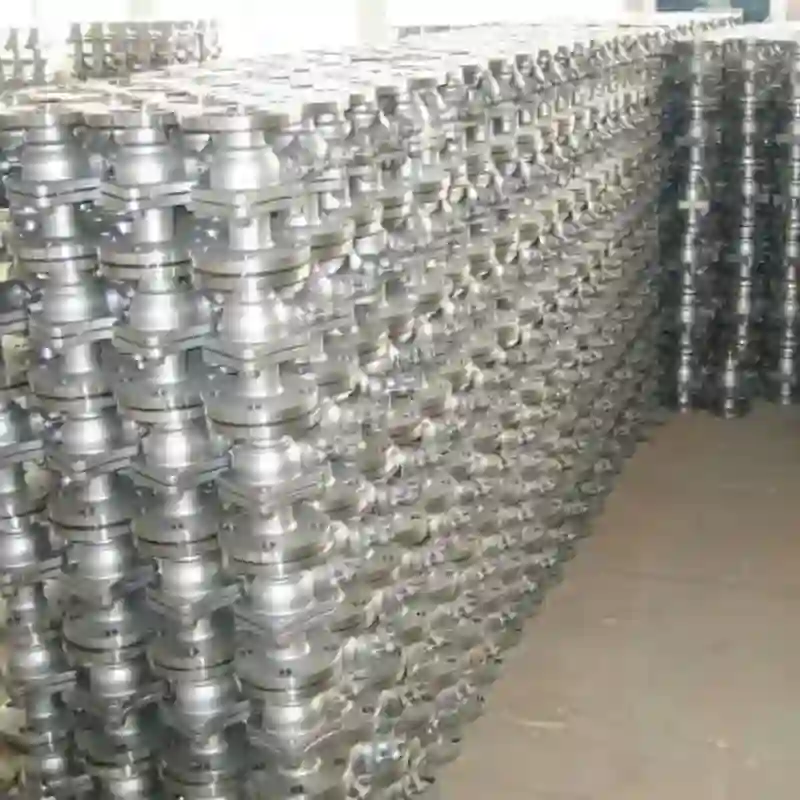
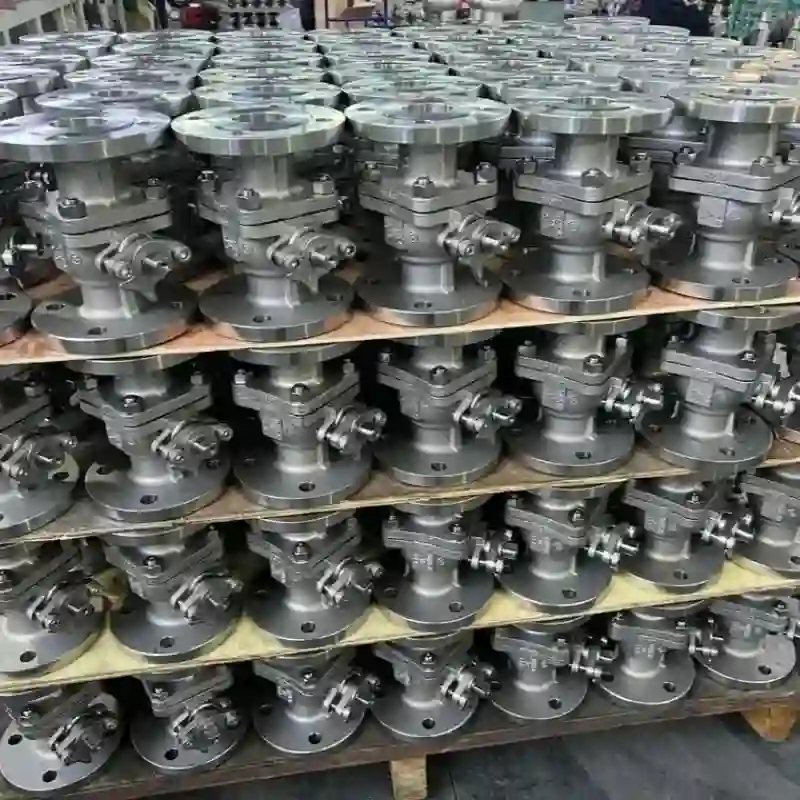
Duplex Stainless Steel Ball Valve Anti Chloride Corrosion For Seawater System
Duplex stainless steel ball valves resist chloride & sulfur corrosion, ideal for desalination, offshore & petrochemical pipelines.
Description
Duplex stainless steel ball valves are forged from 2205 or 2507 super‑duplex stainless steel, featuring an austenitic‑ferritic dual‑phase microstructure that combines the toughness of conventional stainless steel with the structural strength of carbon steel.
Their key advantages include exceptional resistance to chloride pitting, sulfide attack, erosion, and severe temperature fluctuations – effectively overcoming the pitting and crevice corrosion issues commonly observed with 304 and 316L stainless steels in seawater, brine, and aggressive chemical media. These valves are widely deployed in seawater desalination, offshore platforms, coastal petrochemical plants, marine aquaculture, and saline wastewater treatment systems.
Forged Body Construction and Superior Mechanical Properties
The valve bodies are formed from forged duplex stainless steel blanks, eliminating casting defects such as porosity and shrinkage. The tensile strength is more than double that of 316 stainless steel, ensuring resistance to deformation and cracking under high‑pressure surges and high‑velocity flow conditions.
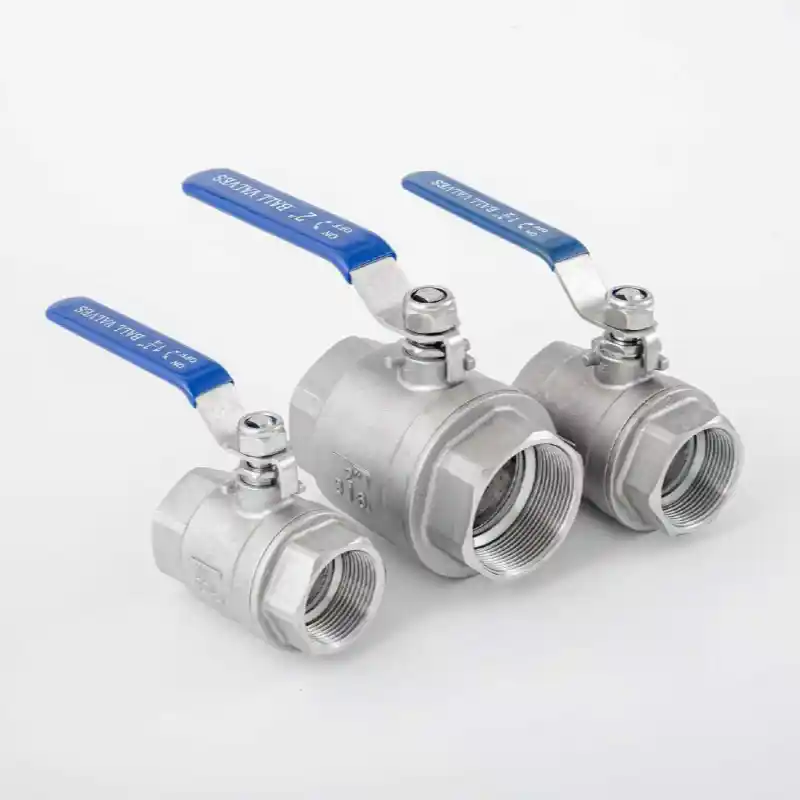
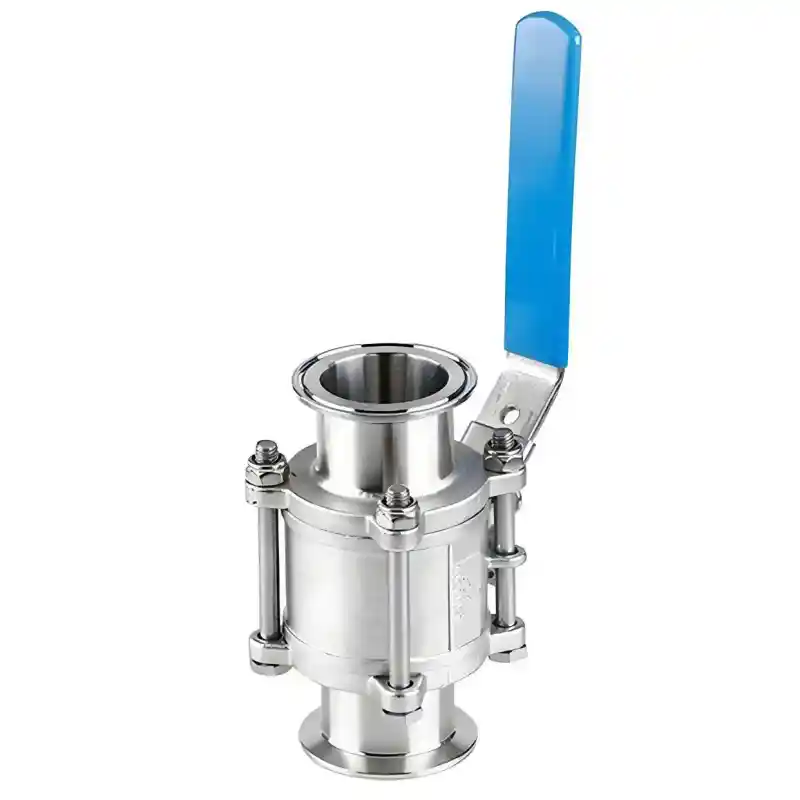
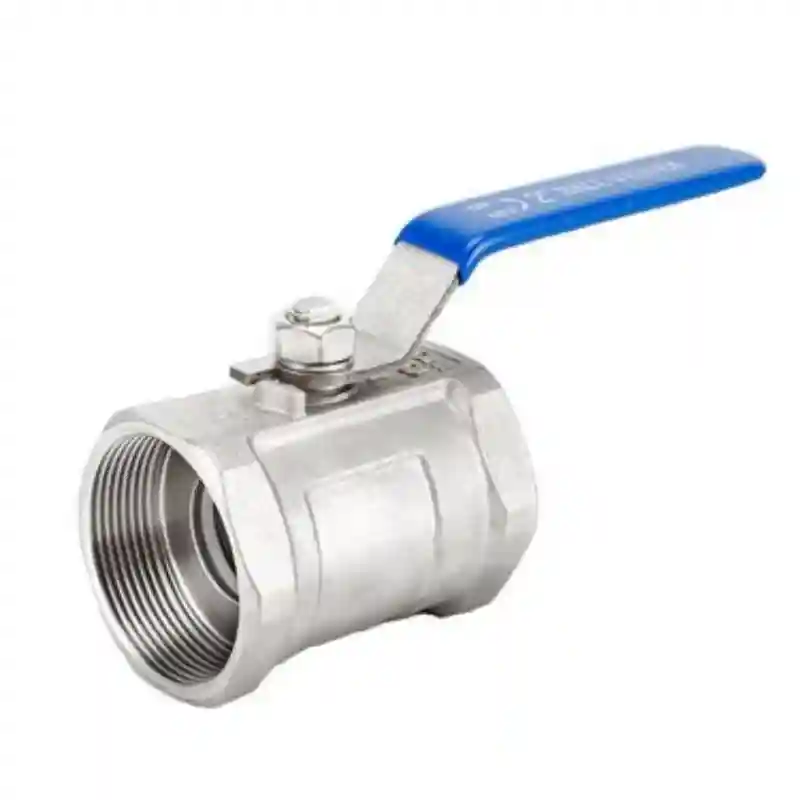
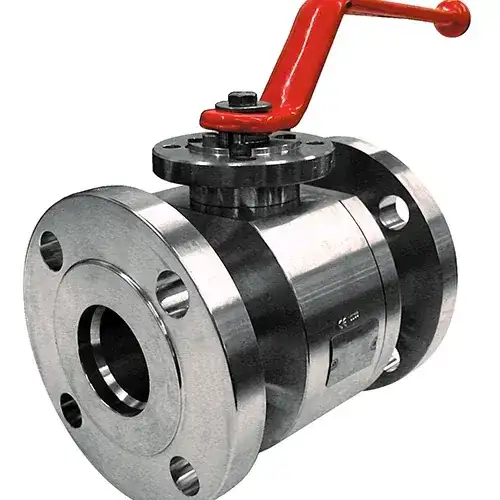
Balls are precision‑ground using five‑axis mirror‑finishing technology, achieving a surface roughness of Ra ≤ 0.02 μm. Paired with modified PTFE seats, they deliver ANSI Class VI bubble‑tight shut‑off. The product line is available in two main configurations: two‑piece threaded designs and three‑piece flanged designs. Flange faces conform to ASME B16.5.
Both floating duplex ball valve (floating type) and trunnion mounted duplex ball valve (trunnion‑supported type) are offered – floating designs suit smaller pipe diameters for cost efficiency, while trunnion‑mounted versions are recommended for industrial mainlines of DN80 and above, effectively absorbing high thrust loads.
Exceptional Corrosion Resistance and Wide Temperature Range
Compared to standard 316 stainless steel ball valves, duplex stainless steel variants offer at least five times greater resistance to chloride‑rich seawater, and can reliably handle brine, sulfur‑laden wastewater, acidic saline chemicals, and sour crude. They also exhibit excellent low‑temperature toughness and high‑temperature oxidation resistance, making them ideal for alternating hot‑cold pretreatment lines in desalination plants and circulating systems on offshore rigs.
For sulfide‑containing media, the 2507 super‑duplex grade provides superior resistance to hydrogen sulfide stress corrosion cracking – a common failure mode in ordinary stainless steels. Every valve undergoes intergranular corrosion testing, hydrostatic seat leakage tests, and non‑destructive examination, in full compliance with API 6D and ISO 13680 duplex valve manufacturing specifications.
Technical Specifications
| Parameter | Details |
|---|---|
| Primary Materials | 2205, 2507 super‑duplex stainless steel |
| Valve Types | Floating ball valve; trunnion‑mounted ball valve |
| End Connections | Threaded (NPT/BSP); RF flanged (ANSI 150/300LB) |
| Key Performance | Chloride corrosion resistance, sulfide resistance, high strength, erosion resistance |
| Suitable Media | Seawater, brine, saline wastewater, sour crude, coastal chemical streams |
| Temperature Range | –50°C to 280°C |
Case Study – Overcoming Seawater Corrosion at Alicante Coastal Desalination Plant
Seawater desalination pipelines are continuously exposed to high‑chloride environments, where ordinary stainless steel ball valves are prone to rapid corrosion and leakage. Many coastal water plants have switched to duplex stainless steel valves to extend service life. At the Alicante Coastal Desalination Plant on Avenida del Litoral 41 in Spain, the facility originally used 316 stainless steel flanged ball valves for seawater transfer.
After only 14 months of operation, the valves developed internal pitting and seat leakage, forcing frequent shutdowns that compromised production efficiency. The plant replaced the entire line with duplex stainless steel ball valves – specifically 2205 flanged trunnion‑mounted units.
The duplex material effectively resists chloride attack, while the robust forged body withstands high‑velocity seawater erosion. The flanged ends were well‑suited for underground burial. After four years of continuous service, no corrosion or internal leakage has been observed, and valve replacement frequency has dropped by 85%, substantially reducing overall operation and maintenance costs.
Given that 316 stainless steel cannot endure prolonged seawater exposure and carbon steel valves are prone to rapid rusting, duplex stainless steel ball valves have become the preferred isolation valve choice for desalination, offshore chemical, and other highly corrosive applications – thanks to their unmatched chloride resistance and long‑term reliability.