
Two Way Motorized Valve – Electric On/Off Control
Explore our two way motorized valve range with electric actuation, 12V/24V/110V options, and feedback variants. Ideal for water, gas, and steam systems. Durable brass or stainless steel bodies.
Description
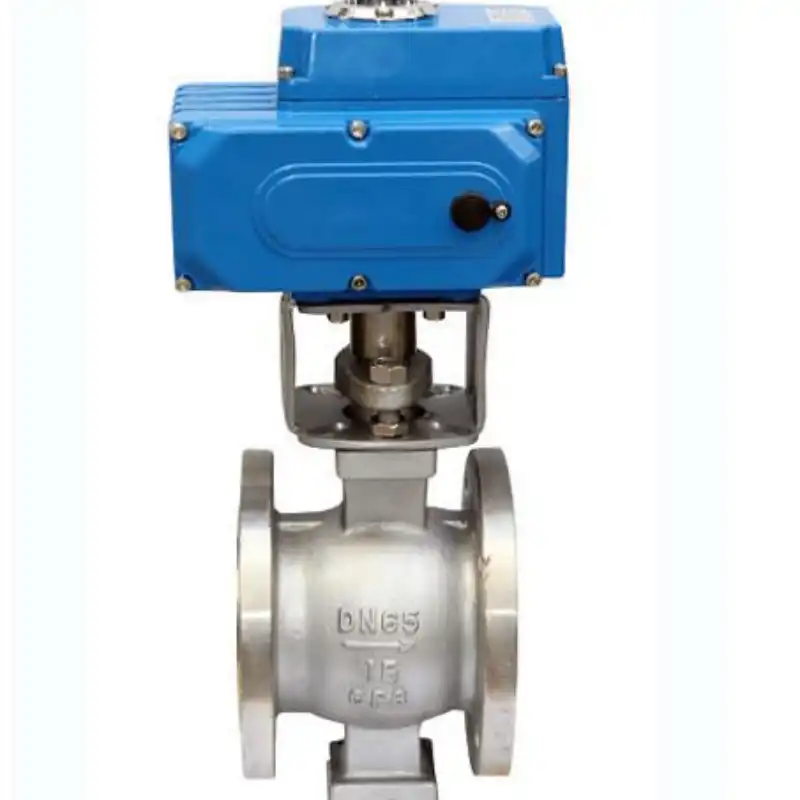
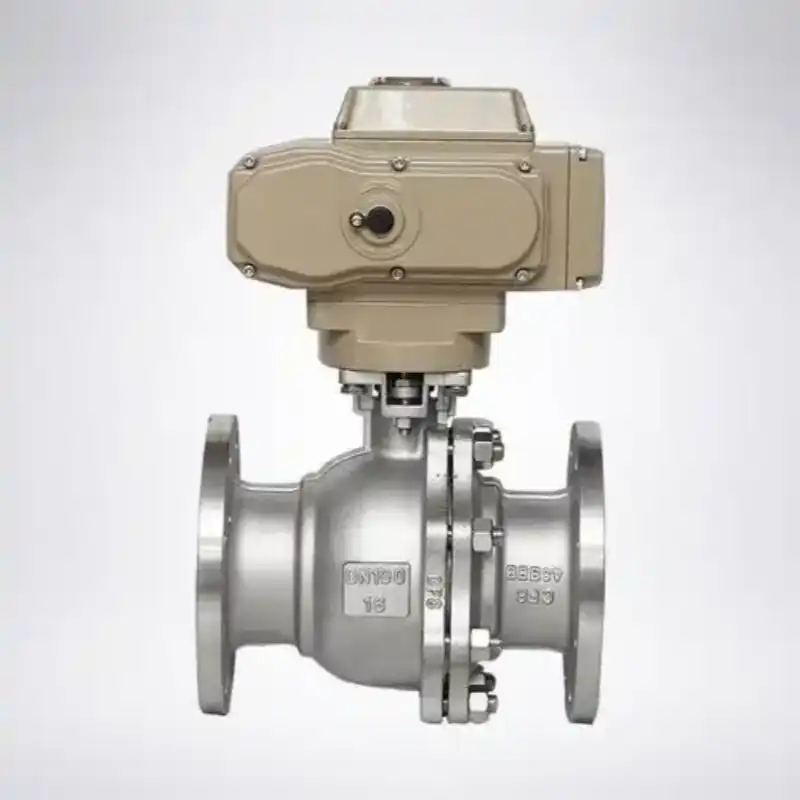
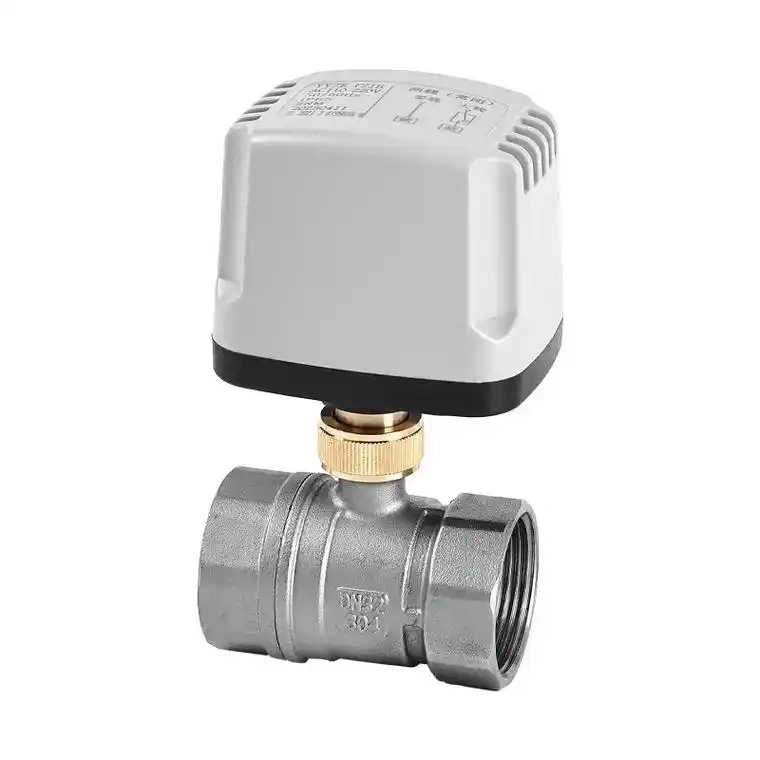
Two-way Motorized Valve adopts a one-in-one-out structure, using a motor to drive the ball core to rotate 90° to achieve on/off switching of the pipeline. It is commonly used for shutoff or start/stop control on a single pipeline.
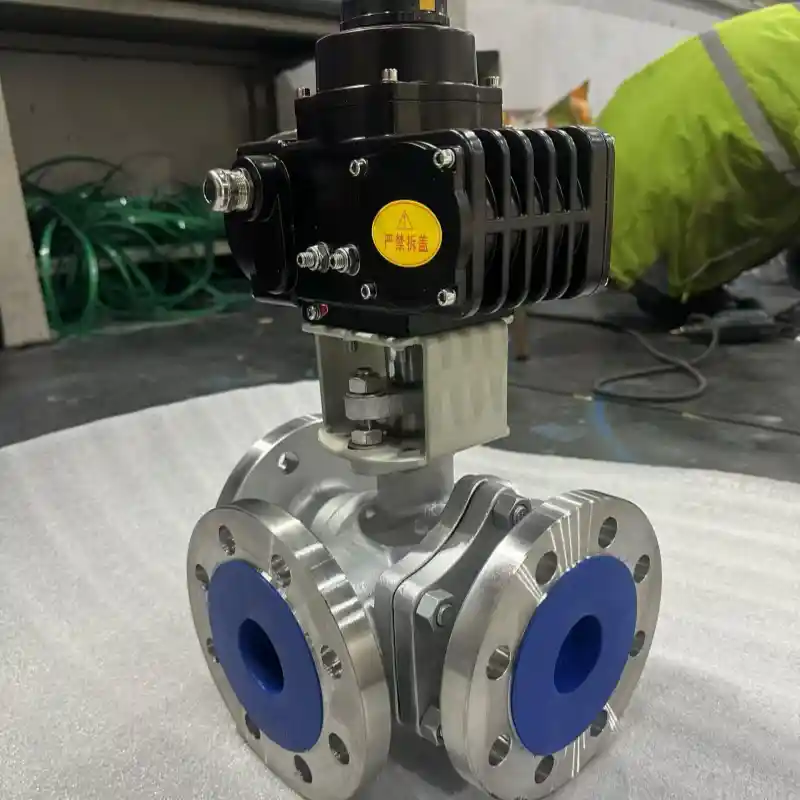
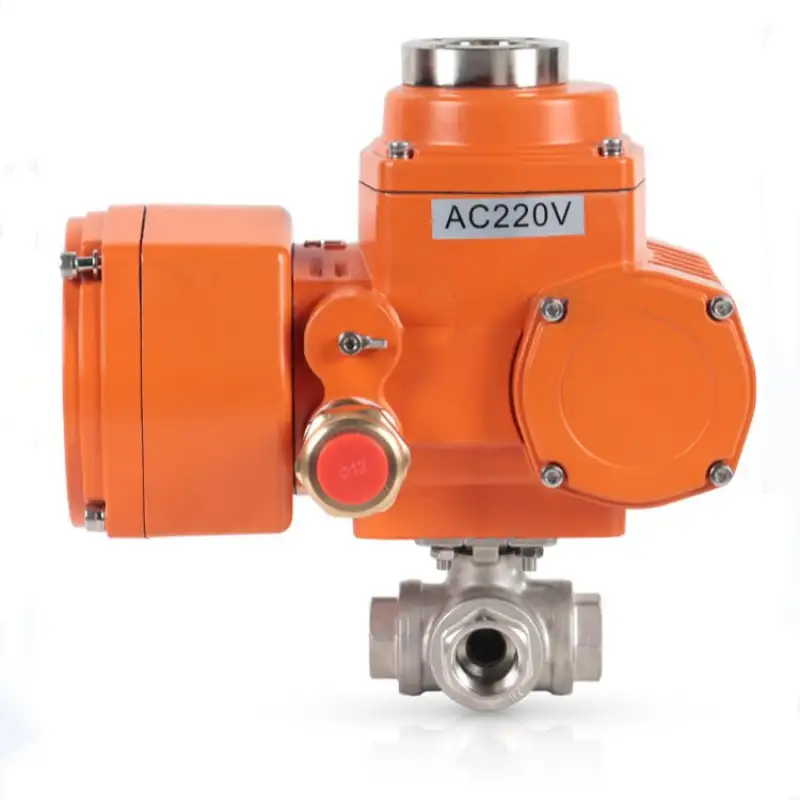
Three-way Motorized Ball Valve has three ports (L‑port or T‑port flow paths) and is used for diverting, mixing, or switching media flow direction. For applications such as HVAC terminal coils, cooling water branches, irrigation zones, etc., where only single‑line on/off control is needed, two‑way valves are preferred due to their simple structure and cost‑effectiveness.
Key Selection Parameters for Procurement
When integrating into engineering systems or equipment, it is recommended to specify the following five dimensions:
-
Pipe connection size: Threaded connections are mainly NPT or BSP, with standard sizes covering 1/2″, 3/4″, 1″, 1‑1/4″, 1‑1/2″, and 2″; diameters above DN50 are mostly flanged.
-
Operating voltage: Available in 12V DC, 24V DC, 110V AC, and 220V AC. Among these, 24V DC is the mainstream industrial control safety voltage, while 12V is often used in vehicle‑mounted or solar off‑grid systems.
-
Control mode: Divided into on‑off type (accepting dry contact or three‑wire switch signals) and modulating type (accepting 4‑20mA or 0‑10V analog signals to achieve any opening from 0° to 90°).
-
Valve body material: Typically forged brass (CW617N); for corrosive media or steam service, stainless steel 304 or 316L is required, paired with PTFE or reinforced seat materials.
-
Working media: Suitable for water, air, low‑pressure steam, oils, and weak acid/alkali fluids. If the medium contains a small amount of particulates, a full‑bore design is recommended to reduce clogging risk.
Practical Considerations for Control Wiring and Feedback Signals
In on‑site wiring solutions, the difference between 2‑wire vs 3‑wire motorized ball valve directly affects the control logic design.
-
2‑wire type achieves open/close switching by reversing the positive and negative polarity. The wiring is simple, making it suitable for battery‑powered or remote‑control applications.
-
3‑wire type includes a common wire, an open signal wire, and a close signal wire, allowing direct connection to relay output modules or PLC digital ports. It avoids the instantaneous current surge caused by polarity reversal and is more widely used in industrial control cabinets.
For systems that require remote monitoring of valve status, a motorized ball valve with feedback should be selected. Such products incorporate built‑in limit switches (open/close dry contacts) or analog position feedback boards (4‑20mA / 0‑10V), enabling real‑time transmission of ball opening signals to the central control room. This facilitates fault diagnosis and interlocking, and is especially suitable for unattended pumping stations and building automation networks.
Material and Voltage Selection Recommendations for Application Conditions
In food & beverage, pharmaceutical, and ultrapure water applications, the combination of 24V motorized ball valve with stainless steel material is very common. 24V DC supply meets low‑voltage safety standards, facilitating on‑site maintenance; stainless steel 316L valve body offers both good resistance to chloride ion corrosion and excellent cleanability, meeting CIP (clean‑in‑place) requirements.
For outdoor or humid environments, it is recommended to confirm whether the product’s ingress protection rating reaches IP67 and whether a manual override handle is provided as standard for emergency operation during power outages.
In modulating applications, the flow characteristic (equal percentage or linear) of 2‑way motorized ball valve flow control depends on the V‑port notch design of the ball core. During procurement, the supplier should be asked to provide the Cv value vs. opening curve to ensure proper matching with the PID parameters of the controller.
Additionally, products are usually equipped with a manual override handle for emergency operation during power outages; optional IP67 protection rating is available to suit outdoor or damp environments.