









2 Inch Motorized Ball Valve Full Port DN50 High Flow For Water Treatment
motorized ball valve 2 inch full port DN50, high flow low pressure drop for irrigation, HVAC and water treatment system.
Description
1. Product Overview
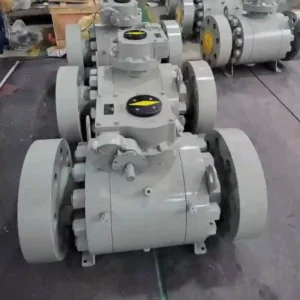
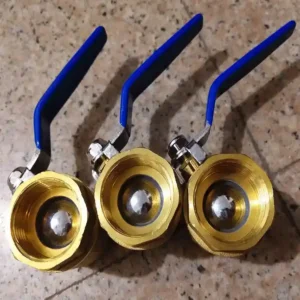
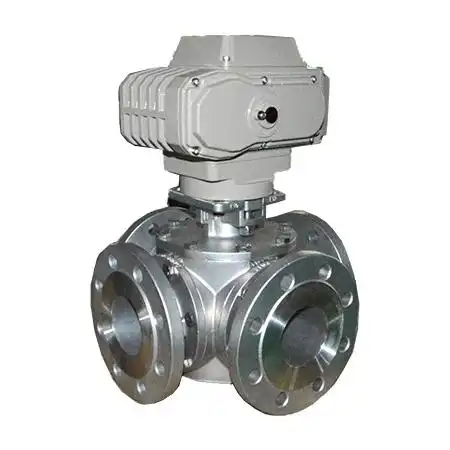
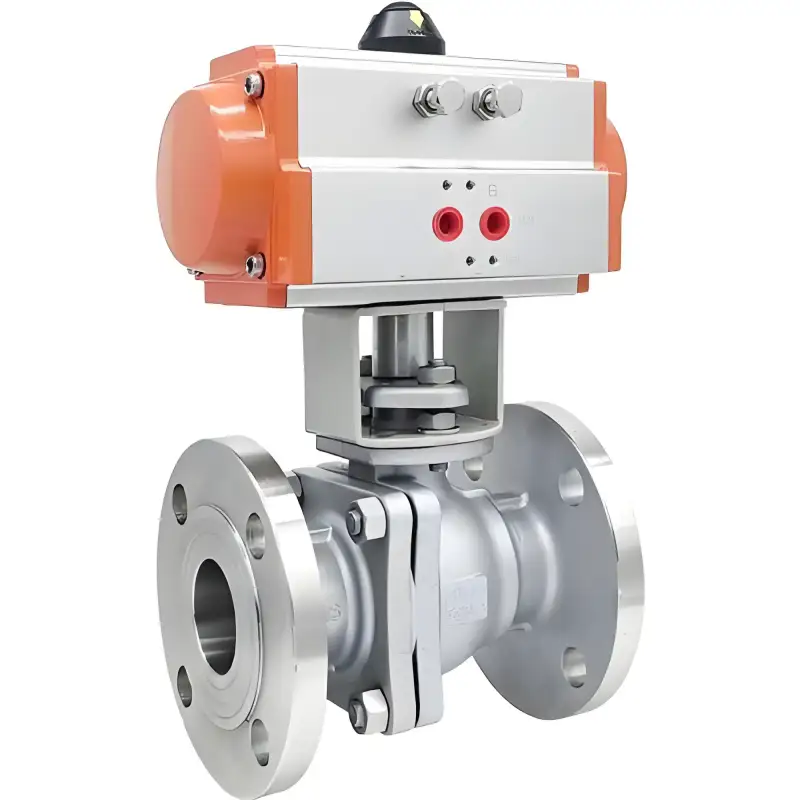
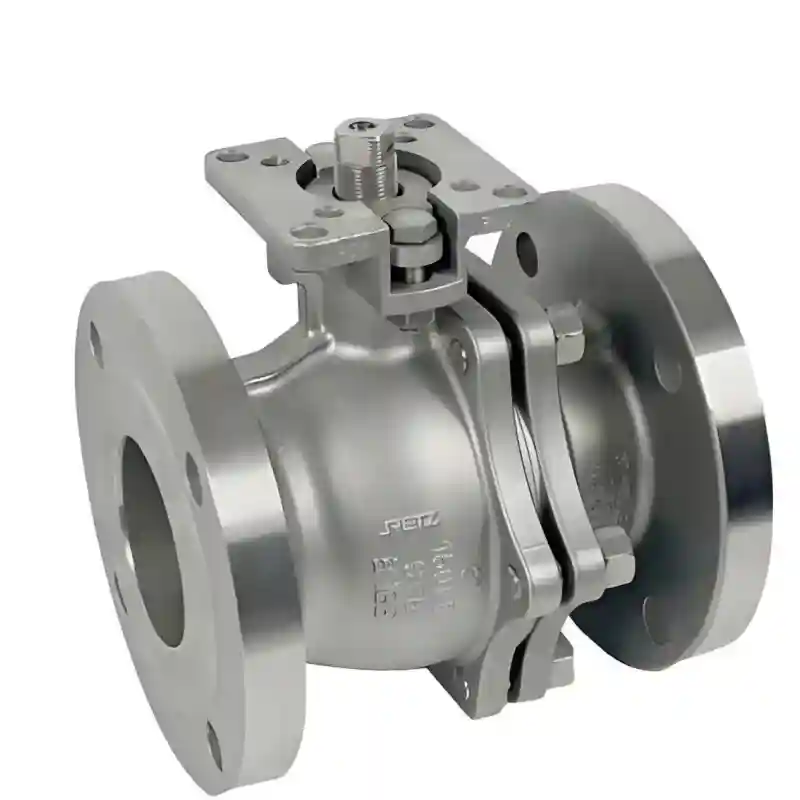
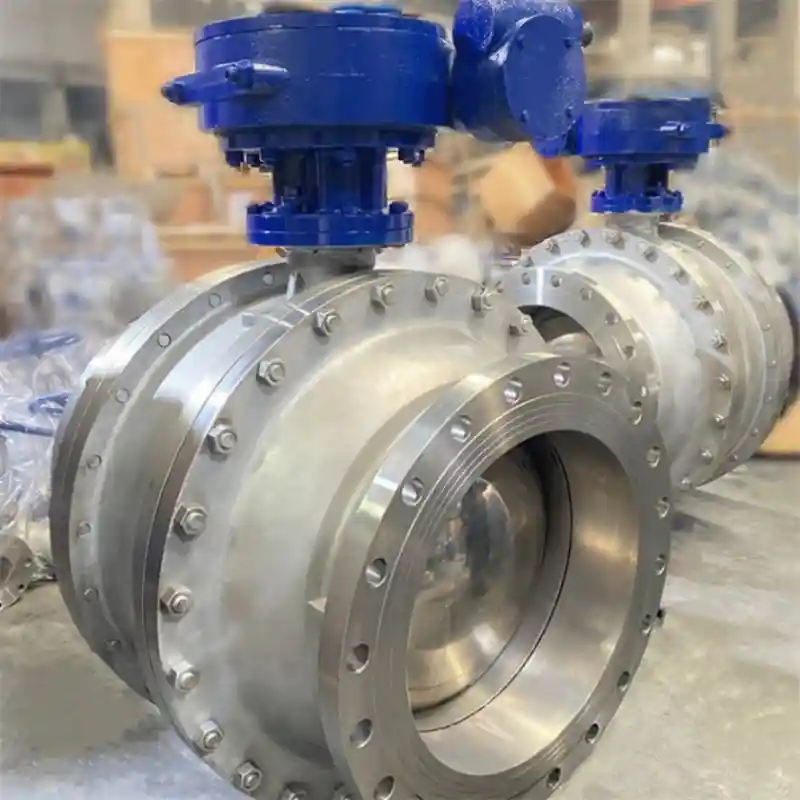
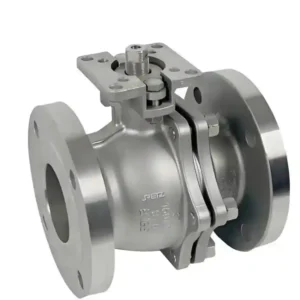
The motorized ball valve 2 inch (DN50) is a large‑bore automated ball valve for commercial and light‑industrial applications. It features a full port (full‑bore) ball design, where the ball’s opening closely matches the pipe’s internal diameter, effectively minimising throttling pressure drop across the valve.
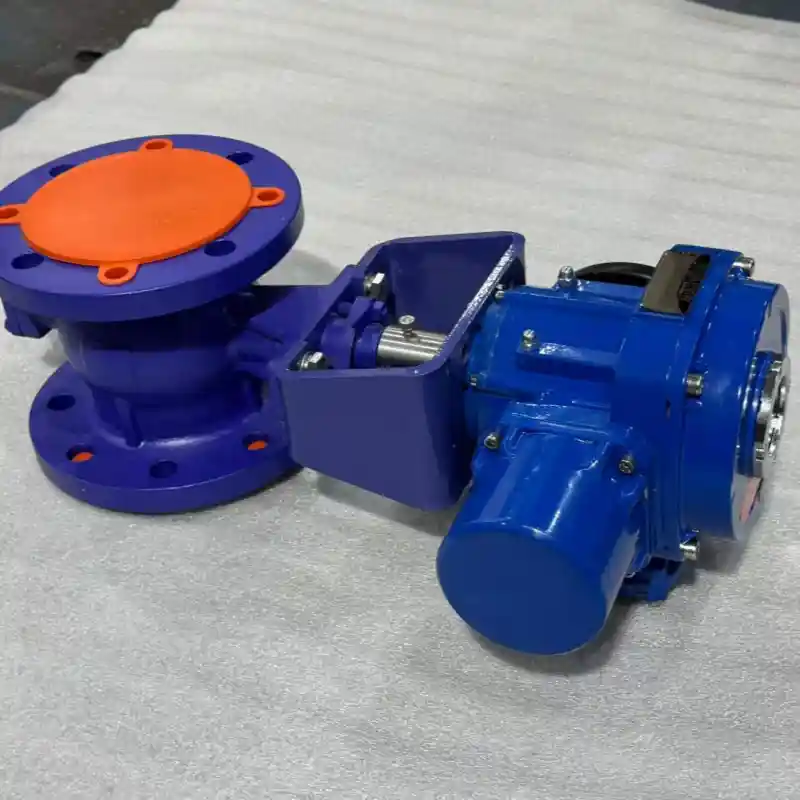
A high‑torque electric actuator drives the ball through a 90° rotation for on/off control; a manual override is provided for local operation, and an optional spring‑return mechanism enables automatic closure upon power failure. The valve is available with either threaded or flanged connections. Unlike reduced‑bore valves, the full‑bore construction offers virtually unrestricted flow when fully open, making it ideal for high‑capacity transfer duties. It is widely used in water treatment, large‑scale irrigation, central‑plant HVAC, and similar projects – avoiding the flow bottlenecks and increased pumping energy that often result from valving downsizing.
2. Materials & Technical Specifications
| Parameter | Detail |
|---|---|
| Nominal size | 2 inch (DN50) |
| Ball type | Full port (full bore) |
| Connection | BSP / NPT threaded; flanged optional |
| Body material | Brass / SS304 / SS316 stainless steel |
| Supply voltage | DC12V/24V, AC110V/220V |
| Control wiring | 2‑wire basic / 5‑wire with position feedback |
| Key features | Full‑bore, high flow capacity, low pressure drop, suited for large pipelines |
| Optional functions | Manual override, spring‑return fail‑safe |
| Working pressure | 0.1–1.6 MPa |
| Medium temperature | 0–120°C |
| Applicable media | Circulating water, irrigation water, clean water, mildly corrosive fluids |
3. Application Scenarios
Typical uses include branch lines in medium‑sized water treatment plants, main supply headers for large agricultural irrigation, central energy stations for industrial parks, building main water risers, large swimming‑pool circulation, industrial cooling‑water systems, boiler main feed lines, wastewater treatment equipment, and large‑capacity water purification units.
4. Real‑World Project
At the Wasserwerk Brühl water treatment facility in Brühl, Germany, the motorized ball valve 2″ full‑port valves have been extensively installed on supply branches. In the fully open position, throttling is negligible, keeping line pressure drop very low – thereby safeguarding high‑flow transmission efficiency and reducing pump energy consumption. For simple on‑off control of large irrigation mains, the 2‑wire 2 inch motorized ball valve offers straightforward wiring and simplifies on‑site installation.
5. Selection Guide & Distinctive Strengths
The standout advantage is the full‑bore design: the ball opening essentially matches the pipe bore, so flow resistance is minimal when open – unlike reduced‑port valves that incur additional pressure losses. This protects system flow rates and lowers pump operating loads.
-
For projects requiring valve‑status feedback to a central control system → choose the 5‑wire 2 inch motorized ball valve.
-
For media like seawater or weak acids/bases → select the stainless steel 2 inch motorized ball valve.
-
For unattended supply or irrigation mains → recommend the spring return 2 inch motorized ball valve for automatic shut‑off on power loss to prevent spillage.
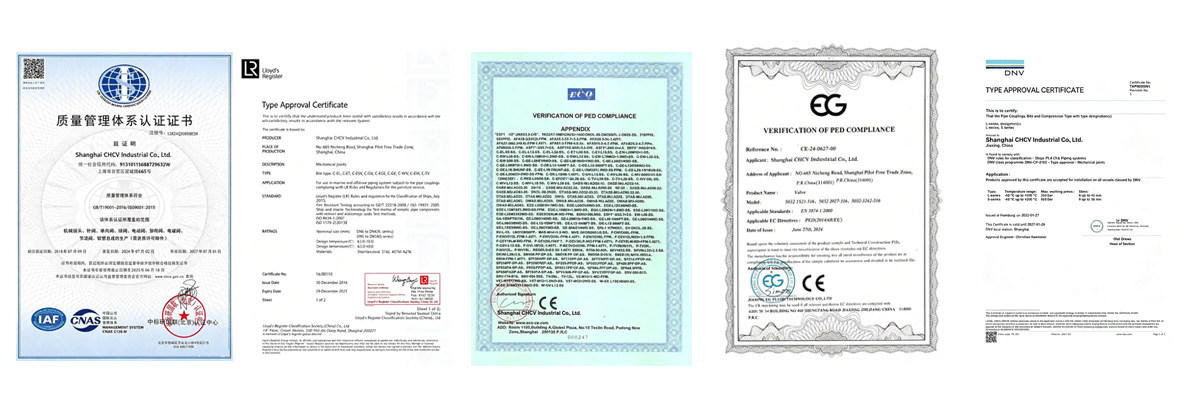
Given the considerable weight of this large‑bore valve, it must be paired with a corresponding high‑torque actuator – never use an undersized actuator. The product holds CE export certification; the actuator is rated IP54, suitable for equipment rooms or sheltered outdoor enclosures.
Customisation options include flange/thread style, voltage, and body material. Each shipment comes with actuator sizing guidelines, dimensional drawings, and pressure‑test reports to support overseas contractors in project design and acceptance. Bulk orders are welcome, and separate replacement actuators are available to reduce future on‑site maintenance costs.