








Electro Pneumatic Ball Valve Integrated Electro-Pneumatic Assembly For Process Control
electro pneumatic ball valve with integrated electro-pneumatic assembly, easy PLC connection for chemical, food and water-treatment pipelines.
Description
1. Product Overview
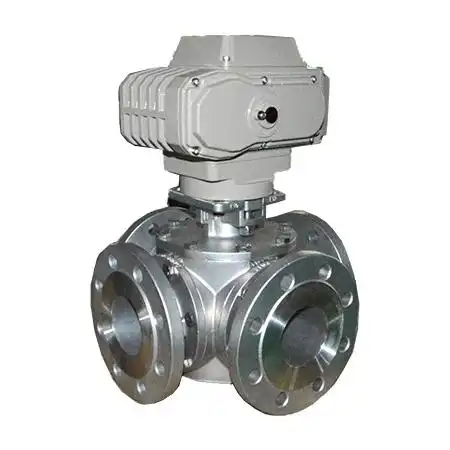
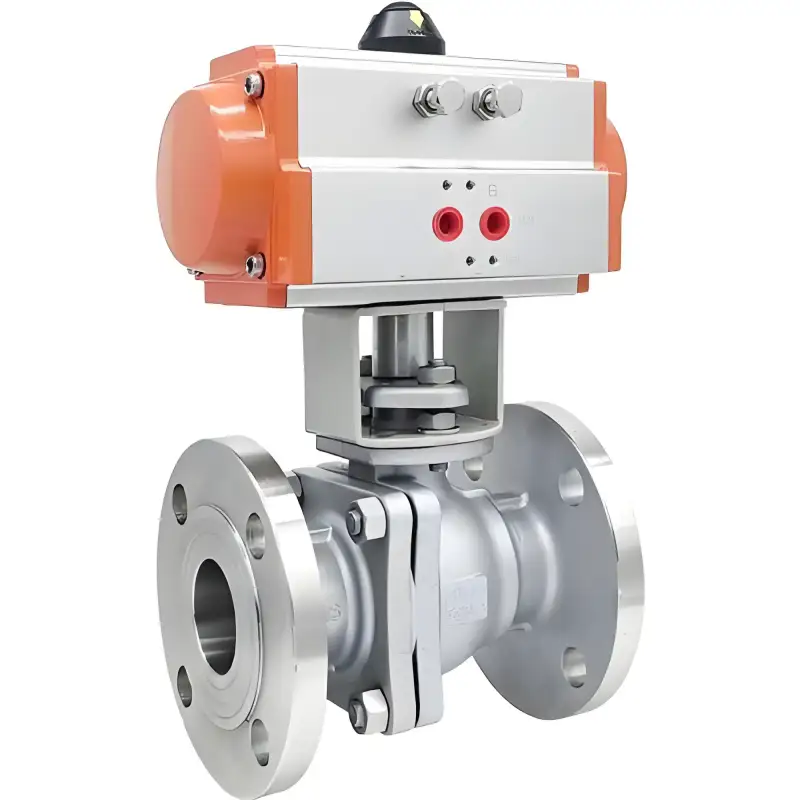
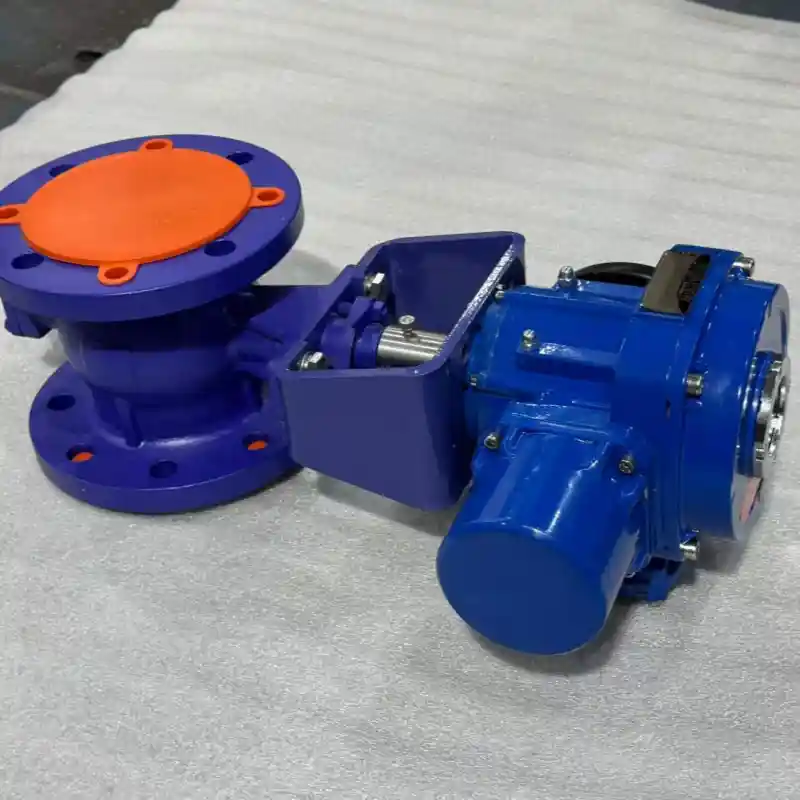
The electro pneumatic ball valve integrates a solenoid valve and a pneumatic actuator into a single electrical‑pneumatic unit. It accepts electrical control signals to switch the compressed‑air circuit, which then rotates the ball 90° for full open/close operation. The complete valve set is factory‑assembled and pre‑tested, so customers are spared the task of sourcing and mounting the solenoid and actuator separately.
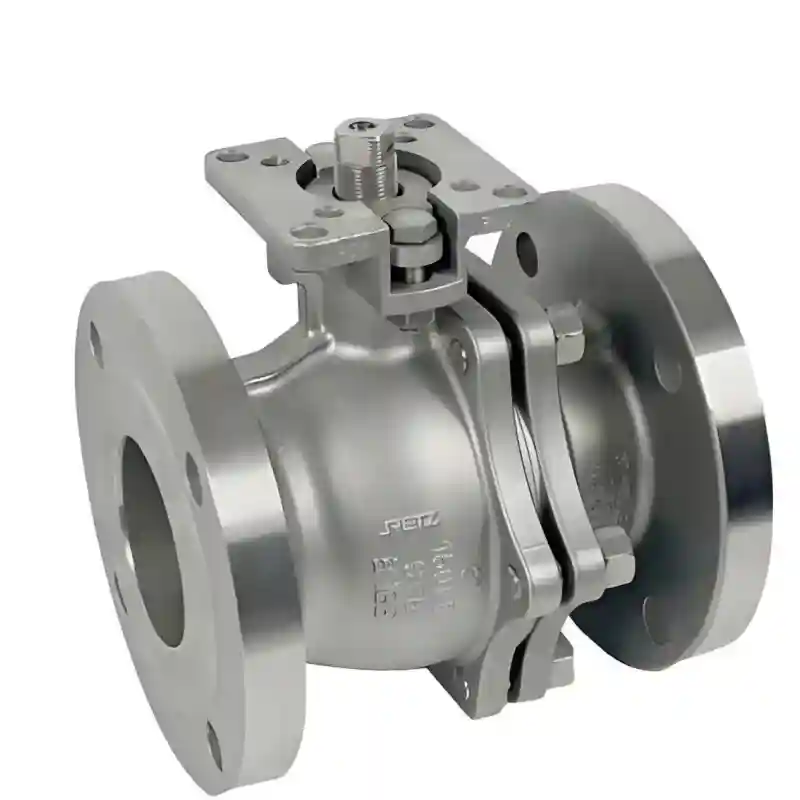
Two actuator versions are available: double‑acting and single‑acting spring‑return; the latter automatically closes upon air supply failure. Optional limit switches can be added to provide valve‑position feedback. The valve supports flanged or NPT/BSP threaded connections. Combining the rapid stroking and ruggedness of pneumatic valves with the convenience of electrical signal interfacing for industrial control systems, it finds broad use in chemical processing, food and pharmaceutical production, and automated water‑treatment applications.
2. Materials & Technical Specifications
| Parameter | Detail |
|---|---|
| Nominal sizes | DN15–DN150 (1/2″ – 6″) |
| Drive type | Electro‑pneumatic – integrated solenoid valve + pneumatic actuator |
| Actuator type | Double‑acting / Single‑acting spring return |
| Connection | BSP/NPT threaded; flanged optional |
| Body material | WCB carbon steel / SS304 / SS316 stainless steel |
| Air supply pressure | 0.4–0.7 MPa |
| Solenoid voltage | DC24V / AC110V / AC220V |
| Key feature | Integrated electrical‑pneumatic assembly, factory‑matched, ready for PLC automation systems |
| Optional accessories | Limit switches, air preparation units (FRL) |
| Working pressure | 0.1–1.6 MPa |
| Medium temperature | –20°C ~ 150°C |
| Applicable media | Process water, chemical fluids, food liquids, wastewater, mildly corrosive media |
3. Application Scenarios
Typical deployments include chemical process lines, automated water‑treatment systems, food and pharmaceutical production lines, hazardous‑area workshops, PLC‑controlled factory assembly lines, oil‑and‑gas auxiliary systems, and metallurgical fluid pipelines.
4. Real‑World Project
At the Auto‑Chem Vienna chemical automation workshop in Vienna, Austria, the electro pneumatic ball valve has been installed in bulk on process lines. The integrated electrical‑pneumatic design – pre‑assembled at the factory – significantly reduced on‑site tubing and wiring efforts, allowing direct connection to the plant’s PLC for remote valve management. For routine continuous process lines, the double‑acting electro pneumatic ball valve is chosen for standard switching duties.
5. Selection Guide & Distinctive Strengths
The primary advantage is the integrated electro‑pneumatic package: the solenoid and actuator come as a factory‑matched, pre‑commissioned set, eliminating the need for users to select, mount, and calibrate these components separately. This reduces the risk of wiring errors and shortens on‑site commissioning time. At the same time, it accepts electrical control inputs for seamless integration with PLC or DCS systems, while retaining the fast response and robustness of pneumatic actuation.
-
For processes that require fail‑safe closure upon air loss → choose the spring return electro pneumatic ball valve.
-
For corrosive media → prefer the stainless steel electro pneumatic ball valve.
-
For central control needing valve‑position feedback → configure with the limit switch electro pneumatic ball valve.
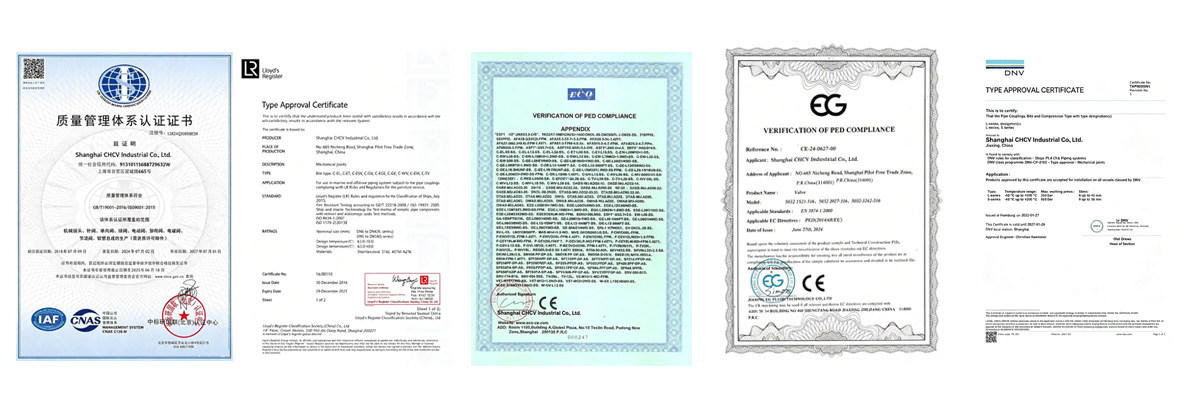
Note: Always ensure a clean, dry compressed air supply; for hazardous areas, verify that the entire solenoid/actuator assembly meets the required explosion‑protection rating.The product complies with CE industrial standards. We provide electrical wiring diagrams, air‑supply installation guides, and dimensional drawings to facilitate integration and project acceptance for overseas automation engineering contractors. Bulk orders are welcome, and separate replacement parts – including actuators and solenoids – are available to reduce future maintenance costs.