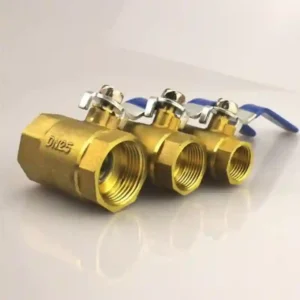










1/8″ Brass Ball Valve – Compact Size for Instrumentation Systems

Compact 1/8″ brass ball valve with 600 WOG rating. Miniature size fits tight instrumentation panels. PTFE seats, blow-out proof stem. Reliable shutoff for gas & liquid.

Description

The 1/8″ brass ball valve ranks among the smallest‑bore standard ball valves for industrial piping. It is purpose‑built for micro‑fluid systems with extreme space constraints, including instrumentation panels, analytical hardware, semiconductor gas distribution and medical devices. It delivers fast on‑off control for gas and liquid streams through 90° ball rotation.

Precisely machined forged‑brass body pairs with PTFE seats and Blow‑out Proof stem construction to deliver 600 WOG pressure rating and bubble‑tight sealing within a miniature footprint. This valve serves as a preferred solution for instrument integrators, semiconductor equipment manufacturers and laboratory OEMs to achieve reliable shut‑off in confined installation space.

Material & Specification

Item Parameter
Body Material Forged Brass (CW617N / ASTM B124)
Ball Material Chrome‑plated brass / 304 stainless steel
Seat Material PTFE
Seal Material PTFE + NBR / FKM (optional)
Nominal Size DN3 (1/8″)
End Connection Female NPT / BSP (1/8″)
Pressure Rating 600 WOG (water, oil, gas)
Temperature Range -20°C ~ +120°C (PTFE seat)
Operation Lever‑operated quarter‑turn (90°) fast open‑close
Body Length 30 ~ 40 mm (varies by end configuration)
Panel‑mount Center‑to‑Center Spacing ≥ 20 mm for ultra‑compact side‑by‑side mounting
Stem Structure Blow‑out Proof design
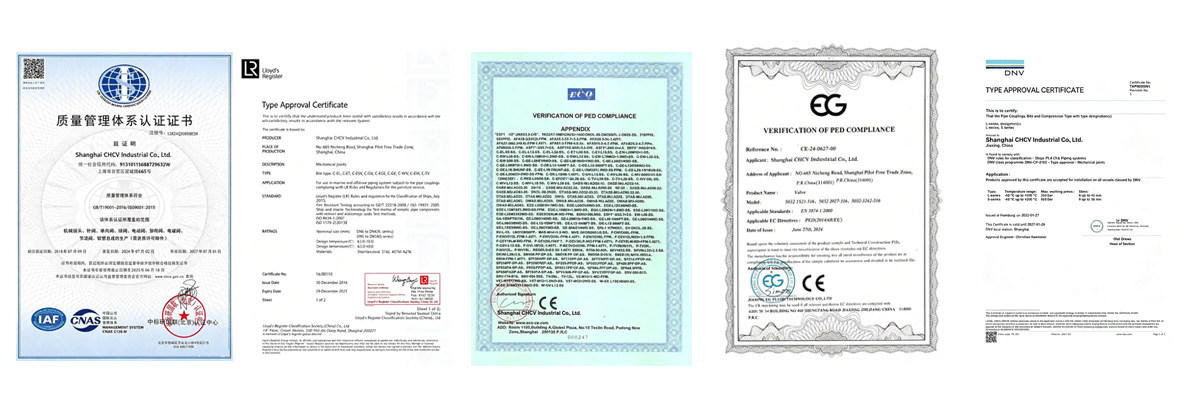
Compliance Standard MSS SP‑110 / ASME B16.34 / API 598

Typical Applications

  • Instrument pressure‑tap & drain lines: Isolation valves upstream of pressure gauges, differential‑pressure transmitters, pressure switches and level transmitters. The ultra‑compact footprint fits densely packed instrument tubing bundles.
  • Pneumatic pilot control circuits: Branch shut‑offs for supply and signal lines feeding pneumatic positioners, pilot valves and I/P converters.
  • Laboratory & chemical‑analysis instruments: Micro‑flow switching for carrier‑gas and sample streams within gas chromatographs, mass spectrometers and TOC analyzers.
  • Semiconductor & precision manufacturing: Branch lines for specialty clean‑room gases and ultrapure‑water sampling ports. Minimal internal dead volume reduces sample carry‑over residues.
  • Medical & life‑science hardware: Gas‑path sub‑circuit controls for dental treatment units, anesthesia machines and ventilators.
  • Leak‑detection & vacuum systems: Calibration gas‑line valves for helium mass‑spectrometer leak detectors and bypass isolation units for vacuum assemblies.

Core Advantage: Ultra‑compact Footprint

The 1/8″ brass ball valve is one of the smallest standard ball valves deployed for instrumentation and micro‑fluid assemblies:

  • Body length ranges merely 30‑40 mm, roughly 30 % shorter than 1/4″ ball valves.
  • Panel‑mount center‑to‑center pitch can be reduced down to 20 mm; up to five valves can be arranged side‑by‑side on a 100 mm × 100 mm panel.
  • Unit weight sits at 40‑60 g, imposing negligible mechanical load on instrument tubing and mounting panels.
  • Low internal dead volume minimizes cross‑contamination risks for gas‑analysis workflows sensitive to sample residuals.

These dimensional properties allow installation inside standard 1U rack enclosures (44.5 mm height), embedding within equipment interlayers, or multi‑port integration on panels no larger than a coin.

Frequently Asked Questions for Overseas Buyers

Q1: Can the 1/8″ brass ball valve work for high‑pressure gas service? What is its maximum operating pressure? A1: Yes. This unit carries a 600 WOG (water, oil, gas) rating, meaning it safely withstands 600 psi (approx. 4.1 MPa) at ambient temperature. For gaseous media, keep working pressure below 600 psi. If 3000‑psi high‑pressure performance is required, select 1/8″ ball valves built from stainless steel. Its PTFE seat and Blow‑out Proof stem preserve sealing integrity and operational safety under high‑pressure gas conditions.

Q2: With such a tiny 1/8″ bore, is clogging likely to occur? What maintenance steps are recommended? A2: The ball bore measures approximately 2.5‑3 mm. Clogging will not occur under normal service with clean gas or pre‑filtered liquid media. A 10 μm filter installed upstream is advised to safeguard seat sealing surfaces. Thanks to its simple construction, periodic routine maintenance is unnecessary. If operating torque rises after long‑term cycling, apply a small quantity of silicone‑based lubricant to the stem area. Once seat wear triggers internal leakage, direct valve replacement is recommended; favorable component pricing makes repair less cost‑effective than installing a new unit.

Q3: How should users choose between 1/8″ brass ball valves and 1/8″ stainless‑steel alternatives? A3: Selection hinges on medium corrosivity and project budget. Brass variants deliver high cost‑performance (typically 40‑60 % lower in cost than stainless‑steel counterparts) and suit water, air, inert gases, oil and most mildly corrosive fluids. They represent the most economical option for general‑purpose instrumentation and pneumatic circuits. 316‑stainless‑steel valves apply to aggressive corrosive fluids (acids, alkalis, salt solutions), operating temperatures above 120°C, or semiconductor and pharmaceutical workflows with strict cleanliness requirements. For over 90 % of standard instrument and pneumatic applications, brass strikes an optimal balance between performance and expenditure.

Q4: Can the 1/8″ brass ball valve operate under low‑temperature or high‑temperature surroundings? A4: Its PTFE‑based seats and sealing components maintain stable sealing performance and consistent operating torque within ‑20°C ~ +120°C. For sub‑‑20°C cryogenic scenarios such as liquid‑nitrogen or dry‑ice environments, specify dedicated cryogenic ball valves with extended stems and specialized sealing compounds. For service above 120°C, opt for stainless‑steel valves fitted with graphite or metal‑to‑metal sealing structures.