









3 Piece Brass Ball Valve – In-Line Maintenance, Full Cavity Access

3 piece brass ball valve with full cavity access for CIP cleaning. In-line maintenance allows seat replacement without valve removal. 600 WOG, threaded/flanged.

Description

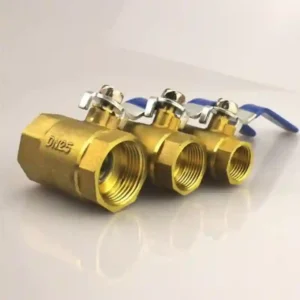
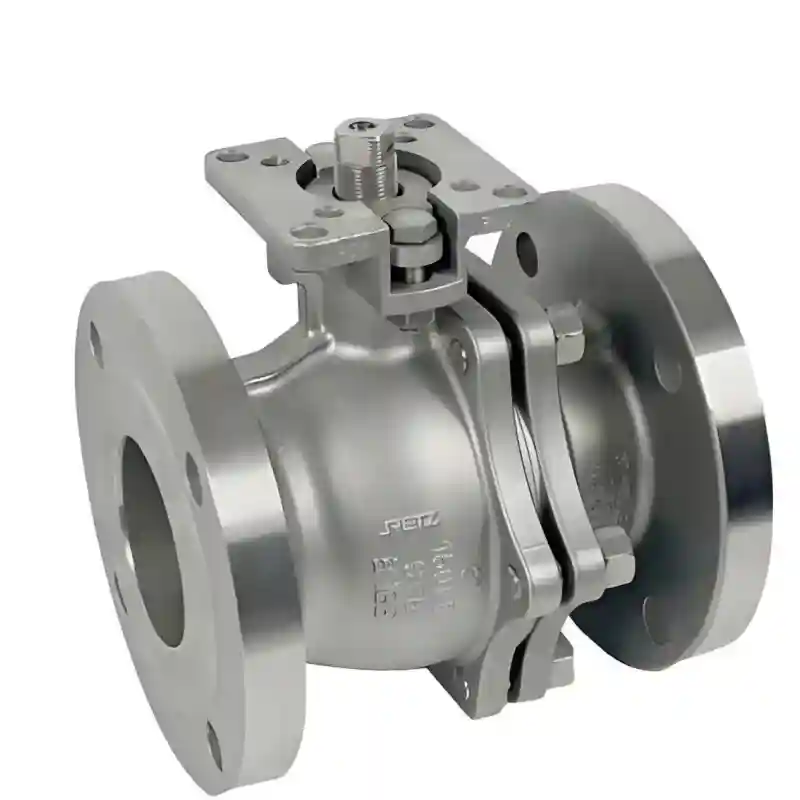
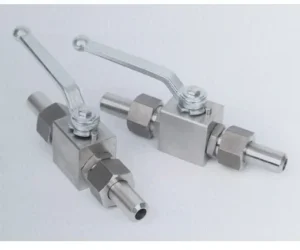
A 3 piece brass ball valve is an industrial‑grade shut‑off device assembled by bolting two end caps to a central intermediate body. Its primary function is fast media isolation and flow regulation within process piping. Thanks to its split‑body layout, it supports inline servicing and full cavity access for dead‑zone‑free cleaning. Unlike one‑piece or two‑piece ball valves, this configuration lets technicians extract the ball and seat assemblies by disassembling only the middle body section. Seal replacement and cavity flushing can be completed without detaching the whole valve from the pipeline.

Commonly deployed across chemical, pharmaceutical, food‑beverage and cosmetic manufacturing lines that require periodic CIP (Clean‑in‑Place) cycles or frequent seat‑seal renewal, this valve model serves as an optimal solution for facilities targeting minimized total‑cost‑of‑ownership over equipment lifespans.

Material & Specification Parameters

Item Parameters
Valve Body Forged brass (CW617N / ASTM B124)
Ball Component Chrome‑plated brass / Stainless Steel 304 / 316 (optional)
Seat Material PTFE (standard) / PEEK (high‑temperature variant) / metal‑to‑metal seal (optional)
Seal Compound PTFE + NBR (Nitrile Butadiene Rubber) / FKM (optional)
Nominal Size DN15 ~ DN80 (1/2″ ~ 3″)
End Connection NPT / BSP internal thread or flanged ends (optional)
Body Structure 3‑piece: two end caps plus bolted intermediate body
Pressure Rating 600 WOG (Water, Oil, Gas)
Operating Temperature ‑20°C ~ +120°C (PTFE seat); up to 200°C (PEEK seat)
Operation Method Manual lever with 1/4‑turn (90°) quick actuation; gearbox available for larger sizes
Flow Path Full Port or standard bore (optional)
Maintenance Mode In‑line service: replace seats by removing intermediate body, full valve removal not required
Cleaning Performance Dead‑zone‑free cavity; ball and inner housing fully exposed for thorough CIP washing
Stem Design Blow‑out Proof anti‑blow‑out stem construction
Compliance Standards MSS SP‑110 / ASME B16.34 / API 598 / 3‑A Sanitary (optional)

Application Scope

  • Food & beverage processing lines: sanitary piping for fruit juice, dairy products, beer and condiments, subject to recurring CIP routines and periodic seat replacement.
  • Pharmaceutical & biotech process piping: Purified Water (PW), Water for Injection (WFI) and CIP circuit piping. Dead‑zone‑free geometry supports strict microbial control requirements.
  • Chemical & fine‑chemical workflows: piping carrying corrosive or high‑purity fluids, where seat‑wear inspection and cavity‑scale removal are periodically needed.
  • Industrial cooling & thermal‑oil circuits: high‑temperature hot‑water and heat‑transfer‑oil lines; 3‑piece layout enables fast swap of high‑temperature seat inserts.
  • High‑pressure gas & instrument piping: hydrogen, nitrogen and compressed‑air installations; inline servicing cuts system‑downtime losses.
  • Cosmetic & personal‑care production lines: pipelines handling creams, lotions and high‑viscosity formulations; zero‑dead‑space geometry prevents product residue buildup.
  • Petrochemical & oil‑field infrastructure: pressure‑tap and drain valves on production trees and gathering manifolds, supporting fast on‑site seal‑component renewal.

Core Merits: In‑line Servicing & Dead‑Zone‑Free Cavity

1. In‑line Maintenance: Cuts service‑related downtime by over 70 %

Repairing seats on conventional one‑piece or two‑piece ball valves demands a multi‑step workflow:

  1. Isolate process media and drain the targeted pipe segment
  2. Disassemble the full valve unit by undoing flange or threaded joints on both sides
  3. Dismantle hardware off‑line within maintenance workshops and fit new sealing components
  4. Reinstall the valve, re‑establish pipe connections, and conduct pressure‑holding validation.

Typical completion spans 2‑4 working hours and requires two or more maintenance operators.

The 3‑piece brass ball valve streamlines these workflows substantially:

  1. Close the valve and isolate upstream‑downstream media; full‑line draining is unnecessary
  2. Unfasten bolts securing the intermediate body segment with standard hand tools
  3. Remove the middle housing to fully expose ball and seat assemblies
  4. Install replacement PTFE seat‑seal kits
  5. Re‑mount intermediate body and retorque bolt fasteners.

Since the valve stays mounted on piping, one‑person operation is feasible. Each service cycle generally consumes merely 20‑40 minutes. For CIP stations and thermal‑oil loops that undergo frequent seal‑part renewal, this feature reduces production‑stop duration by 70 %‑80 % and noticeably lifts overall line throughput.

2. Dead‑zone‑free internal cavity: Thorough CIP washing eliminates microbial accumulation

One‑piece and two‑piece ball valves contain numerous trapped crevices, including annular gaps between ball and housing and recessed spaces behind seat inserts. CIP cleaning fluids cannot reach these recessed areas completely, leaving residual deposits and enabling bio‑film formation.

When the intermediate section of a 3‑piece ball valve is detached, ball and inner‑cavity surfaces become 100 % accessible without hidden corners:

  • CIP wash media contacts ball surfaces, seat‑recess grooves and all inner‑wall sections comprehensively
  • Post‑cleaning visual inspection is achievable without endoscopy or extra disassembly
  • Especially well‑suited for pharma, dairy and beverage sectors governed by stringent microbial‑control specifications.

Combined with automated CIP sequences, this dead‑zone‑free architecture lowers microbial residuals by 95 %‑99 % after single cleaning cycles and eliminates cross‑contamination risks between production batches.

Field Case: BelGioioso Cheese Inc. — Sanitary‑valve standardization upgrade for dairy‑plant CIP systems

Project Title: Wisconsin Dairy Plant CIP System Sanitary Valve Standardization

Location: Wisconsin, USA

BelGioioso Cheese Inc. is a well‑established Wisconsin‑based manufacturer of Italian‑style ricotta and mozzarella cheese, operating multiple modern dairy‑processing facilities across the state. Its plant‑wide CIP infrastructure performs daily in‑place sanitization across 15 production‑line piping circuits to prevent batch‑to‑batch cross‑contamination and sustain microbial‑spec compliance.

Initial Challenges

  • Legacy CIP circuits deployed one‑piece stainless‑steel ball valves. Inherent internal dead‑spaces prevented full flushing of annular gaps between ball and body during CIP cycles, allowing whey‑protein residues to accumulate.
  • Under 85 °C high‑temperature CIP conditions, trapped whey proteins carbonized into stubborn baked‑on deposits. These deposits raised operational torque and created breeding grounds for microorganisms.
  • Even with strictly‑executed CIP schedules, periodic sampling detected microbial excursions. FDA audit reports flagged valve‑cavity dead‑zones as non‑compliant risks and mandated corrective actions within defined timelines.
  • PTFE seat inserts for one‑piece ball valves required renewal 2‑3 times each year. Each replacement involved complete valve removal from process lines, taking 2‑3 hours per unit. Cumulative annual downtime across 15 lines exceeded 200 hours and severely constrained output capacity.

Implemented Solution

In 2023, the site engineering team retrofitted all 45 valves within CIP‑system piping with 3 piece brass ball valves, paired with optimized CIP washing sequences.

Achieved Outcomes

In‑line Maintenance Performance

  • The 3‑piece design permits seat‑seal replacement by removing only the intermediate body without extracting full valves from piping.
  • Single‑unit seat‑replacement time dropped from 2.5 hours (full‑valve dismount and pipe draining) down to 20 minutes of in‑site work.
  • Aggregate annual maintenance downtime for 15 production lines fell from above 200 hours to under 40 hours, cutting production‑capacity losses by roughly 80 %.
  • Spare‑part expenses decreased from $120 per full‑valve replacement to $18 per seat‑seal kit, delivering approximately $4,500 annual savings on material‑maintenance expenditures.

Dead‑zone‑free Sanitation Performance

  • Intermediate‑body disassembly fully exposes valve internals during CIP workflows, so wash media reaches ball‑surface and seat‑recess geometries completely.
  • Following revised CIP routines, visual inspection confirmed zero residual build‑up inside valves. Microbial‑swab test results dropped from an average 15 CFU per valve to ≤1 CFU per valve.
  • Batch‑sample microbial‑failure frequency decreased from 4‑5 recorded instances annually down to zero. The facility successfully passed FDA audits with all prior corrective‑action items formally closed.

Long‑term Operational Benefits

  • Although the initial procurement cost for 3‑piece brass ball valves matched that of legacy one‑piece stainless‑steel alternatives, serviceable‑seat architecture plus inline‑repair capability brought around 62 % reduction in 5‑year total‑lifetime costs (including procurement, servicing and downtime‑related losses).
  • BelGioioso Cheese Inc. has incorporated 3‑piece brass ball valves into corporate‑wide sanitary‑valve selection standards for all its US‑based manufacturing sites.

Site Engineering Manager commented:“In‑line serviceability of 3‑piece brass ball valves allows us to carry out scheduled seal‑part renewals without sacrificing production throughput. Meanwhile, its dead‑zone‑free cavity fundamentally resolves microbial‑accumulation concerns highlighted in FDA audits. This represents one of the most impactful technical decisions made throughout our CIP‑system upgrade.”