










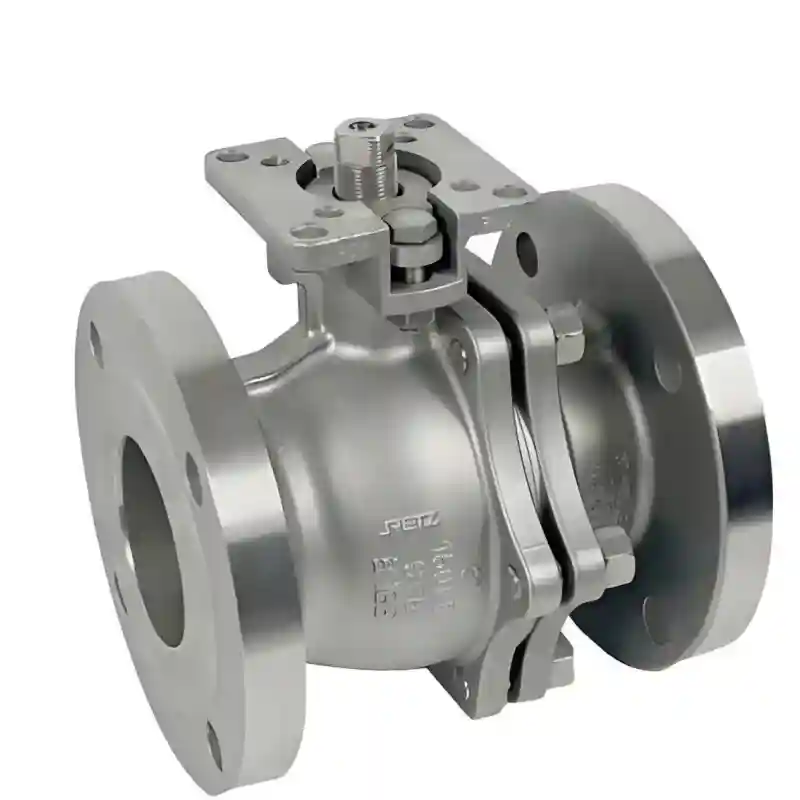
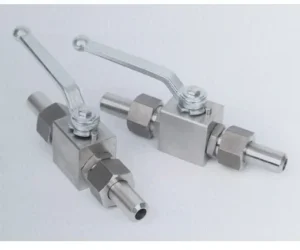
Brass Ball Valve for Diesel – Anti-Static & Quick Shutoff for Fuel Systems
Shop brass ball valve for diesel with anti-static device for safe fuel handling. 1/4 turn quick shutoff enables fast emergency cutoff. Ideal for fuel terminals, generators & trucks.
Description
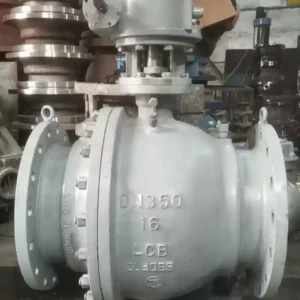
During diesel‑fuel storage, transfer and refueling workflows, proper valve selection directly defines system‑level operational safety and overall process efficiency. The brass ball valve for diesel is a shut‑off valve engineered for diesel‑specific chemical‑physical properties. It sees widespread deployment across fuel‑dispensing racks at filling stations, fuel supply lines for diesel generators, truck‑mounted refueling systems on tank trucks, marine fuel piping networks, as well as industrial fuel‑fired boiler installations.
Anti‑static Device: Safety Barrier for Flammable‑Fuel Transfer
High‑velocity diesel flow inside pipelines creates friction between hydrocarbon fluid, pipe walls and internal valve components, which builds up static electric charges. If static electricity cannot dissipate into grounded infrastructure, electric sparks may emerge near valve outlets or sealing interfaces. Such sparks can ignite fuel‑vapor mixtures and trigger catastrophic safety incidents.
To mitigate this hazard, brass ball valves built for diesel service come fitted with a standard Anti‑static Device. Built‑in conductive springs or conductive pins establish continuous electrical continuity across ball, stem and valve body, maintaining static‑dissipation performance regardless of open‑or‑closed valve positions. Measured resistance values of this anti‑static assembly comply with international standards including API 607 and ISO 10497, safely diverting accumulated static charges to grounding loops. For large‑scale fuel‑handling hubs such as Shell Bulwer Island, anti‑static capability represents a non‑negotiable specification for safe routine loading operations at product‑dispensing racks.
Rapid Actuation: Dual Benefits for Emergency Isolation & Productivity
Unlike gate valves or globe valves that require numerous rotational turns for full stroke, this valve adopts a 1/4 turn brass ball valve layout. A simple 90‑degree handle rotation brings the valve from fully open to fully closed status. This design delivers two key advantages within diesel‑fuel systems.
First, emergency safety isolation. In case of pipe rupture, flange leakage or other unexpected failures, site operators can isolate fuel circuits within mere seconds, minimizing incident scope and property loss.
Second, enhanced operational throughput. For filling‑station racks and tank‑truck loading points subject to frequent line switching, fast‑response valve actuation drastically cuts cycle time for each transaction. For fuel terminals handling millions‑of‑liters daily throughput, saved operation time translates directly into tangible economic gains.
Fuel‑Compatible Sealing Formulation
Diesel feedstocks contain sulfide compounds, aromatic hydrocarbons, water traces and minor acidic constituents. Conventional water‑service sealing materials such as natural rubber or EPDM swell or degrade under long‑term diesel exposure, bringing about unintended internal valve leakage. This product integrates reinforced PTFE seats paired with FKM (Viton) stem O‑rings. Both sealing materials have passed compatibility validation against diesel and biodiesel blends (B20 / B100). They retain dimensional stability and sealing resilience within‑20°F to 250°F operating range, avoiding elevated operating torque caused by material swelling or leakage induced by seal shrinkage.
Material & Technical Specifications
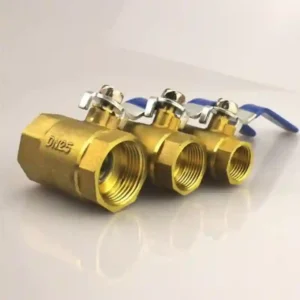
The valve body is forged brass manufactured to ASTM B124 specifications. It delivers robust corrosion resistance and anti‑dezincification performance, resisting rust formation and structural degradation when contacting diesel media.
| Item | Specification |
|---|---|
| Process Media | Diesel, Biodiesel (B20/B100), Fuel Oil |
| Sizes | 1/4″, 3/8″, 1/2″, 3/4″, 1″ |
| End Connections | NPT Female Thread / BSP Thread / Barb |
| Pressure Rating | 600 WOG / 150 WSP |
| Flow Path | Full Port |
| Anti‑static Device | Standard (API 607 compliant) |
| Operating Temperature | ‑20°F to 250°F |
| Body Material | Forged Brass, ASTM B124 |
| Seat Seal | Reinforced PTFE (fuel‑compatible grade) |
| Stem Seal | FKM (Viton) |
| Handle | Galvanized‑steel handle, 1/4‑turn operation |
Typical Application Scenarios
‑ Pipe isolation for filling‑station dispensing racks and tank‑farm manifolds
‑ Supply‑and‑return line control for diesel generator sets
‑ On‑board fuel circuits for tank trucks, heavy‑duty trucks and off‑road machinery
‑ Isolation for engine fuel supply and tank inlet/outlet connections aboard marine vessels
‑ Fuel feed piping for industrial fuel‑fired boilers, hot‑air furnaces and asphalt‑heating equipment
‑ Maintenance isolation points for agricultural and construction machinery fuel runs
‑ Hose outlet shut‑off for portable fuel drums and mobile refueling carts
Field Project Reference
A piping upgrade project took place at Shell Bulwer Island fuel terminal in Australia. Situated alongside the Brisbane River in Queensland, this facility serves as Shell’s primary fuel‑storage‑and‑distribution hub for Australia’s eastern seaboard, distributing gasoline, diesel and aviation fuels to regional retail outlets and industrial end‑users. During valve replacement work for diesel dispensing racks, the site safety engineering team set two mandatory requirements: every wetted‑part valve for diesel service must incorporate anti‑static hardware, and valves shall support rapid emergency shut‑down within seconds.
Legacy gate valves demanded multi‑rotation manipulation and failed to satisfy anti‑static safety codes. Within the revamp scope, site operators retrofitted branch‑line and emergency‑isolation points across loading arms with CHCV‑supplied brass ball valve for diesel, covering sizes from 1/2″ up to 2″. Built‑in anti‑static assemblies safely dissipate static electricity generated during each tanker‑loading cycle to plant grounding networks. Meanwhile, 90‑degree quick stroke enables operators to switch fuel circuits or trigger emergency isolation within seconds. Compared with multi‑turn legacy gate valves, each loading cycle is shortened by an average of 3‑5 minutes, lifting overall daily terminal throughput substantially.
As documented within the Shell project safety‑review report: “Anti‑static provisions integrated within brass ball valves for diesel service constitute a critical design feature for intrinsic safety at dispensing racks. Fast quarter‑turn actuation boosts operational efficiency while buying precious response time for hazard mitigation under upset process conditions.”