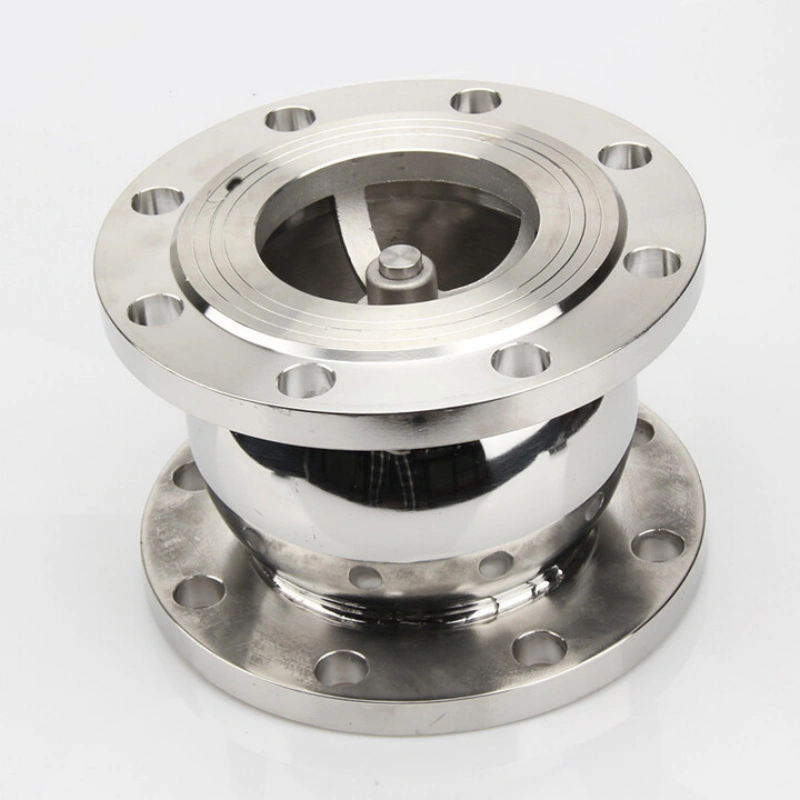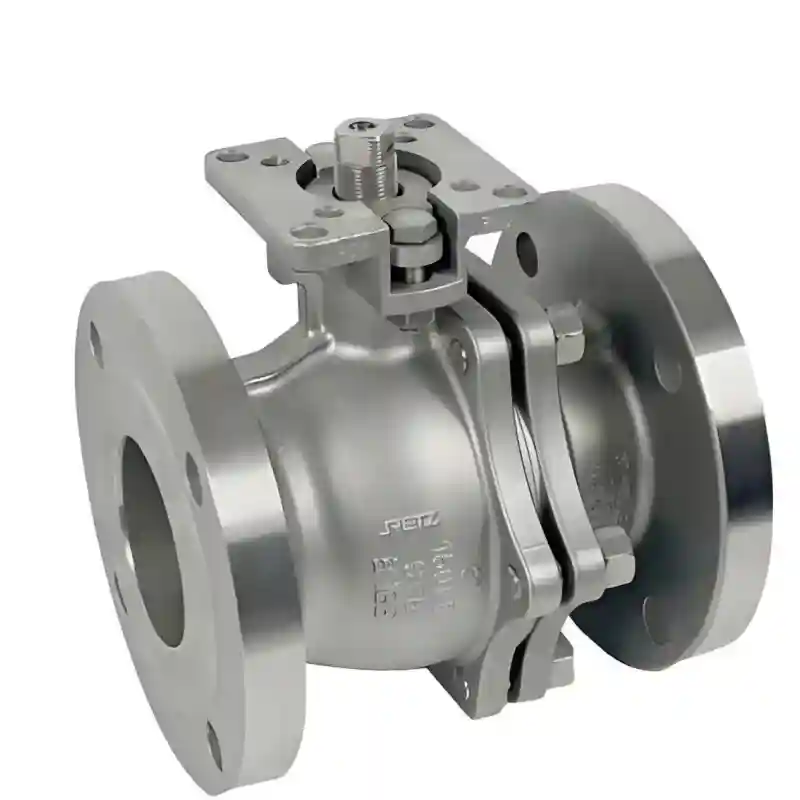

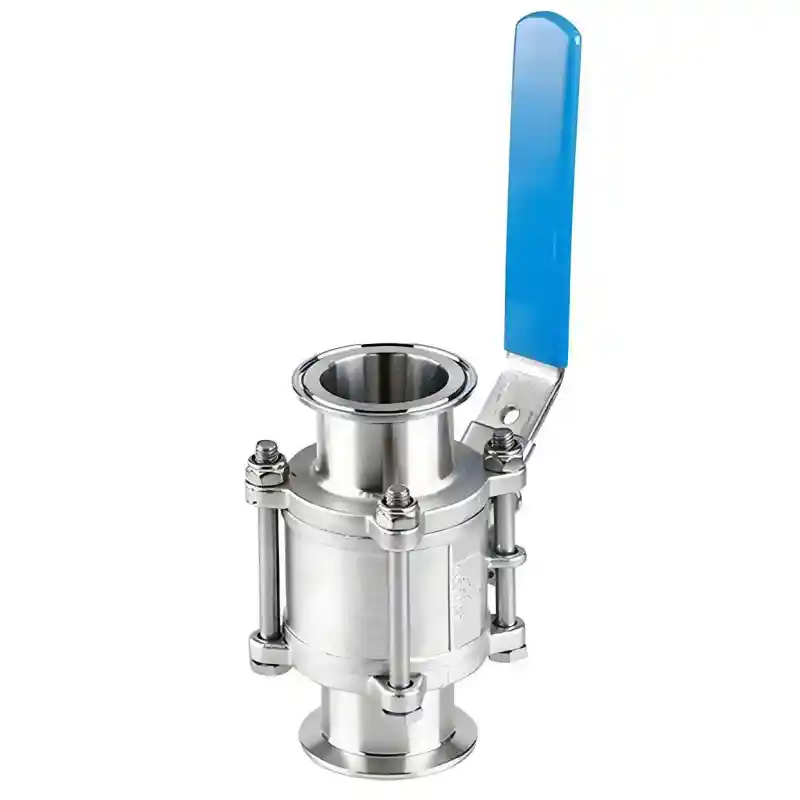
Hygienic Stainless Steel Ball Valve Sanitary Design For Dairy & Pharmaceutical Lines
Sanitary hygienic stainless steel ball valves with mirror finish & CIP structure, no dead angle for food, dairy and pharmaceutical production pipelines.
Description
Hygienic stainless steel ball valves – also commonly referred to as sanitary ball valves – are purpose‑built for food and beverage, biopharmaceutical, and cosmetic sterile production lines. Their core features include fully mirror‑polished internal cavities and dead‑leg‑free geometry, making them fully compatible with CIP (Clean‑in‑Place) and SIP (Steam‑in‑Place) processes.
This design effectively eliminates media retention, bacterial growth, and cross‑contamination – overcoming the shortcomings of conventional industrial ball valves, whose internal crevices trap product residues and cannot be sterilized aseptically. These valves are widely deployed in dairy processing, pharmaceutical purified water systems, fruit juice and wine production, bio‑fermentation, and sterile transfer of pure water.
Material, Surface Finish, and Connection Options
The valve bodies are forged from 316L stainless steel, offering excellent resistance to acidic and alkaline cleaning agents as well as disinfectant solutions. Both the ball and the internal bore are mirror‑polished to a surface roughness of Ra ≤ 0.8 μm, with a full‑bore, crevice‑free passage that prevents accumulation of viscous media such as raw milk, pharmaceutical liquids, or fruit concentrates. Common connection types include quick‑clamp ferrule, hygienic welding, and hygienic threaded ends. The clamp version facilitates rapid disassembly for cleaning, while the weld hygienic ball valve provides a seamless, joint‑free installation that eliminates any hidden pockets, meeting the stringent requirements of high‑grade sterile facilities.
Sealing Materials and Flow Configurations
Seats are manufactured from food‑grade PTFE or medical‑grade PEEK – both non‑toxic and non‑leaching, ensuring no contamination of food or pharmaceutical products. The product range includes straight‑through hygienic ball valves, L‑port three‑way sanitary ball valves, and T‑port hygienic stainless steel ball valves, enabling both on‑off control and flow diversion.
The entire valve assembly has no external dead spaces and can be fully integrated with CIP systems for automated rinsing and SIP with high‑temperature steam, substantially reducing manual disassembly and cleaning costs. Compared with conventional flanged ball valves, sanitary ball valves eliminate the stagnant zones created by raised flanges; their smooth, equal‑diameter flow path ensures residue‑free fluid transfer and fully complies with FDA, 3A, and DIN sanitary design standards.
Actuation and Cleanroom Compatibility
Manual, pneumatic, or electric actuators are available. Pneumatic versions are equipped with dust‑proof and explosion‑proof actuators, suitable for cleanroom and hazardous area applications. All components can be dismantled for sterilization, accommodating multi‑product batch changeovers without contamination risk.
Technical Specifications
| Parameter | Specification |
|---|---|
| Body Material | Forged 316L stainless steel |
| Internal Surface Finish | Ra ≤ 0.8 μm, mirror‑polished, dead‑leg‑free |
| Connection Types | Sanitary clamp, hygienic welding, hygienic threads |
| Process Compatibility | CIP (Clean‑in‑Place), SIP (Steam‑in‑Place) |
| Seat Materials | Food‑grade PTFE, medical‑grade PEEK |
| Primary Industries | Dairy, pharmaceuticals, beverages, purified water, bio‑fermentation |
Case Study – Nord Dairy Processing Workshop, Denmark
Raw milk transfer lines demand exceptionally high cleanliness; any residual milk can quickly support bacterial growth. Overseas dairy facilities widely adopt sanitary ball valves to build hygienic piping networks. At the dairy plant located on Mælkevejen 21 in Aarhus, Denmark, the original standard ball valves had internal gaps and dead corners that trapped milk residues after each production run.
The plant was forced to disassemble valves manually for cleaning – a time‑consuming process that also posed microbial contamination risks. After upgrading to hygienic stainless steel ball valves, the smooth, full‑bore internal passage eliminated all retention zones. During routine CIP cycles, the cleaning solution effortlessly flushed the entire valve interior, removing the need for separate disassembly.
The clamp‑type connections allowed quick tear‑down when deeper sanitation was required, while the 316L body withstood high‑temperature steam and aggressive caustic/acid cleaners. Over three years of operation, all microbiological tests passed consistently, manual cleaning hours decreased by 70%, and spoilage due to valve‑related residues was completely eliminated.
Standard industrial ball valves, with their internal dead spaces, are unsuitable for sterile lines; plastic sanitary valves, on the other hand, cannot endure high‑temperature sterilization and degrade rapidly. Hygienic stainless steel ball valves, with their dead‑leg‑free polished construction and full CIP/SIP compatibility, have become the standard control valves for food and pharmaceutical clean‑piping systems worldwide.