









3-Piece High Platform Flanged Ball Valve – ISO 5211 Direct Mount

3-piece high platform flanged ball valve with ISO 5211 direct mounting pad for pneumatic/electric actuators. Flanged ends, Class 150-1500, WCB/CF8M body.

Description

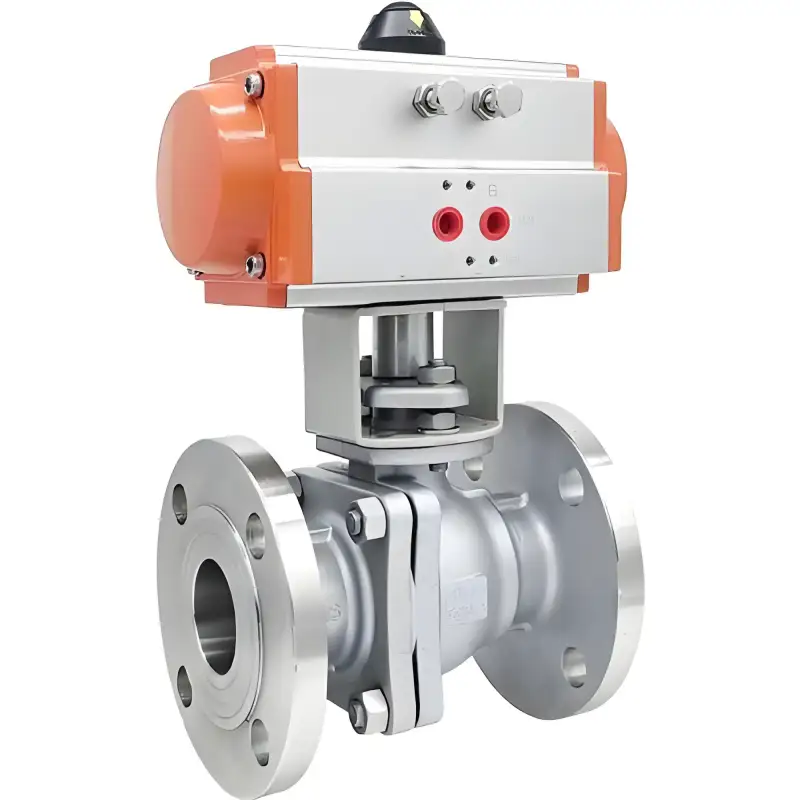
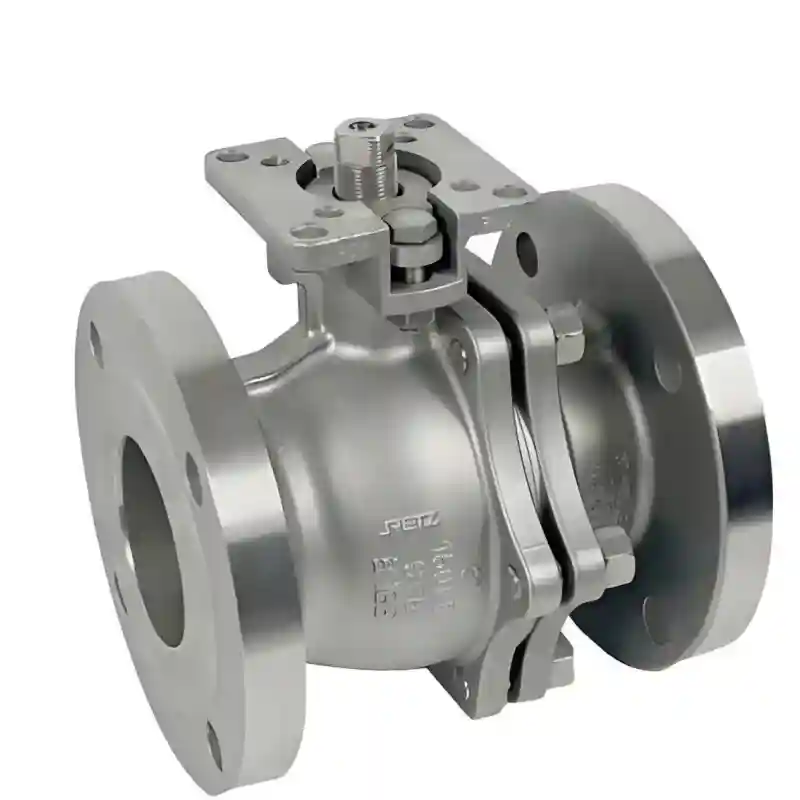
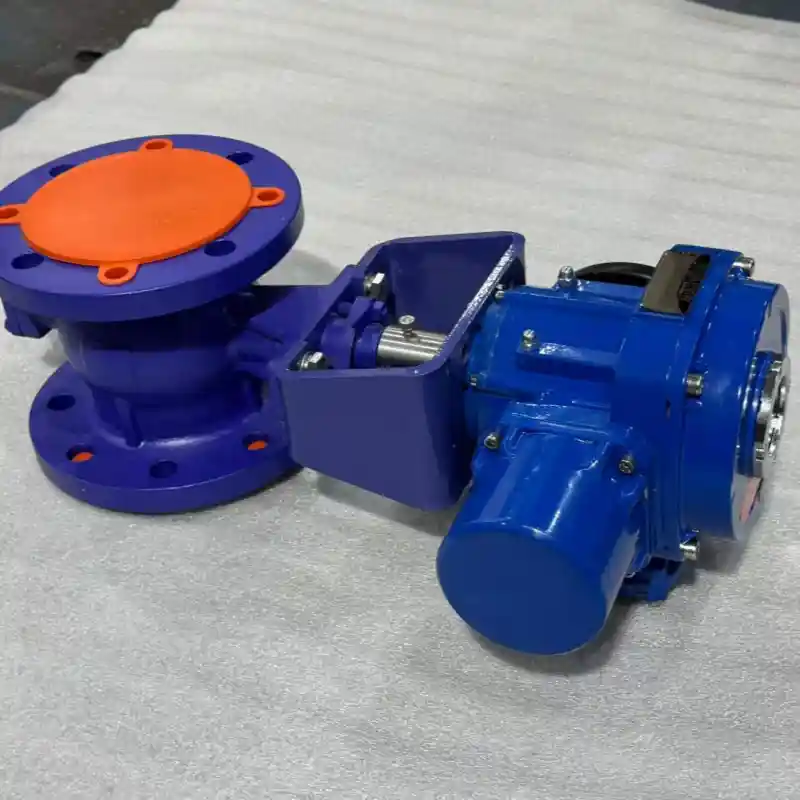
Built upon conventional three‑piece flanged ball valves, the three‑piece high‑platform flange ball valve features an integrated ISO 5211 actuator mounting platform machined into the top of its valve body. Formed via monolithic casting or forging, this integrated platform incorporates standardized bolt hole layouts, locating slots and drive‑shaft interfaces. Pneumatic or electric actuators can mount directly onto the platform. Actuator drive shafts mate with valve stems through standard interfaces such as square drive, flat drive or jaw‑type couplings to deliver direct mechanical actuation. Thanks to its three‑piece body layout, technicians may loosen middle‑body bolts without detaching flange bolts, pull out the middle‑body cartridge, and replace seats and balls, enabling in‑line servicing for large‑size automated valves.

Material and Specification

Parameter Specification Range
Valve Body WCB / CF8 (304) / CF8M (316) / 316L / LF2 (low‑temperature carbon steel)
Ball Body‑equivalent material / 316L / Stellite hard‑faced overlay
Stem 316L / 17‑4PH / Monel alloy
Seat PTFE / RPTFE / TFM / PEEK / Metallic seat (Stellite hard‑faced overlay)
Nominal Size DN15 ~ DN600 (1/2“ ~ 24”)
Pressure Class Class 150 / 300 / 600 / 900 / 1500 / 2500
End Connection Flange (ASME B16.5 / EN 1092‑1)
Actuator Mounting Platform ISO 5211 (F03 / F05 / F07 / F10 / F12 / F14 / F16)
Platform‑to‑Body Joint Monolithic cast / forged construction (non‑welded)
Body Design Floating type — DN ≤ 200 / Class ≤ 600; Trunnion mounted — DN ≥ 250 / Class ≥ 900, corresponding to three piece flanged trunnion ball valve body structure
Face‑to‑Face Standard ASME B16.10 / EN 558
Anti‑Blow‑Out Stem Standard supply
Fire‑Safe Option API 607 / ISO 10497 (optional)
Platform Drive‑Shaft Interface Square drive / Flat drive / Jaw‑type coupling (optional)
Material Certificate EN 10204 3.1 (available upon request)

ISO 5211 Platform Dimension Reference

Platform Code Bolt‑Circle Diameter (mm) Mounting Thread Drive‑Shaft Bore (mm) Recommended Actuator Torque (Nm)
F03 30 / 36 M4 9 ≤ 20
F05 50 M6 14 20 ~ 60
F07 70 M8 20 60 ~ 150
F10 102 M10 28 150 ~ 400
F12 125 M12 36 400 ~ 800
F14 140 M16 45 800 ~ 1500
F16 165 M20 55 1500 ~ 3000

Structural Features: Direct Actuator Mounting

The direct‑mount actuator capability of three‑piece high‑platform flange ball valves originates from three core design merits of the ISO 5211 compliant platform.

Monolithic platform construction: The actuator mounting platform is forged or cast as one unified piece with the valve body, rather than being attached via welding or separate bolt‑on brackets. This integrated design eliminates intermediate joints between platform and body, removing the risk of accessory loosening under vibration. It also preserves consistent positioning accuracy and long‑term dimensional stability.

Standardized interface geometry: ISO 5211 defines drive‑shaft dimensions, square / flat drive profiles, bolt‑hole patterns and locating‑slot positions. When paired with ISO 5211‑compliant pneumatic or electric actuators (adopted by most global actuator manufacturers), direct mating is achieved without custom adapter plates or special brackets. Interoperability across mixed‑brand valve‑actuator combinations is realized. The three piece ball valve assembly delivers substantially higher assembly efficiency and standardization compared with non‑standard bracket solutions.

Streamlined installation workflow: During field assembly, the actuator drive shaft engages with the stem interface, the actuator base bolts firmly onto the platform, and 0° / 90° alignment for fully‑open and fully‑closed positions is validated. No engineering drawings, mechanical machining or on‑site welding are needed. A typical actuator mounting procedure finishes within 10 minutes per unit.

Floating‑versus‑trunnion selection guidance: When evaluating floating ball valve vs trunnion ball valve, specify floating‑type designs for DN ≤ 200 / Class ≤ 600 for simple construction and cost competitiveness. For DN ≥ 250 / Class ≥ 900 service conditions, select trunnion‑mounted variants (three piece flanged trunnion ball valve body). Upper and lower support bearings reduce actuation torque for high‑pressure, large‑bore piping.

Application Scenarios

Three‑piece high‑platform flange ball valves are widely deployed within automated process piping systems: ‑ Process automation: Remotely operated on‑off and modulating valves linked to DCS / PLC systems in chemical plants and refineries. ‑ Emergency shutdown (ESD): Valve assemblies governed by safety‑instrumented systems (SIS). ‑ Automated food & beverage CIP circuits: Programmable valve groups for clean‑in‑place operations. ‑ Aseptic pharmaceutical filling lines: Electric‑actuated on‑off valves for hygienic process piping. ‑ Water treatment SCADA networks: Automated valves for remote waterworks and water‑distribution mains. ‑ Remote oil‑gas pipeline installations: Control valves for unmanned pipeline stations.

Field Application Case

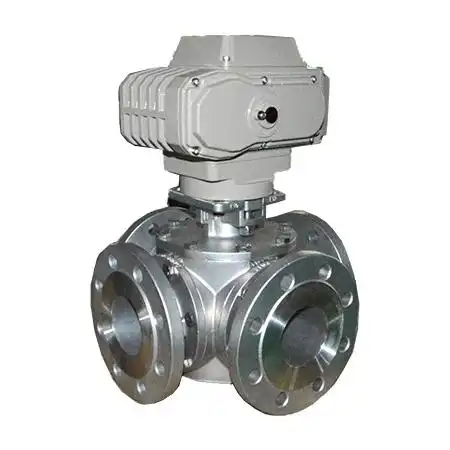
At Changi Water Reclamation Plant (11 Changi North Way, Singapore 498870) operated by PUB, Singapore’s National Water Agency, three‑piece high‑platform flange ball valve units serve as switching valves within PAC and polymer chemical‑dosing manifolds. Sizes range from DN50 to DN80 with Class 150 pressure rating, 316L stainless‑steel bodies and PTFE seats. Fitted with electric actuators, these valves receive automatic switching commands from the SCADA platform according to real‑time inlet‑water‑quality readings.

This chemical‑dosing facility contains 12 dosing points requiring automatic pipeline switching responsive to fluctuating water quality. Each point is fitted with an electrically‑actuated high‑platform flange ball valve. During project assembly, the ISO 5211 standardized platform enabled fully repeatable installation workflows. Actuators were positioned directly onto valve bodies out‑of‑box; drive shafts engaged stem slots, and four mounting bolts were tightened into platform threaded holes. Locating slots built into the ISO 5211 platform guaranteed concentric alignment between actuator and stem without manual field measurement or calibration. The standardized three piece ball valve assembly procedure completed installation for all 12 actuator‑valve sets within two hours.

PUB equipment‑management reports highlight simplified spare‑parts handling brought by this platform design. All twelve electric actuators share the identical F07 ISO 5211 mounting footprint. When one actuator requires overhaul or replacement, spare‑stock actuators can mount onto any valve unit directly, with no bracket‑dimension verification or hole‑spacing re‑measurement required. By comparison, earlier valve generations lacking integrated high‑platforms required custom‑fabricated mounting brackets for each actuator; bracket re‑engineering was mandatory whenever actuator brands or models changed, preventing cross‑unit interchangeability.

Since commissioning, standardized mounting and replacement procedures have boosted routine‑maintenance efficiency. PUB’s engineering department has designated high‑platform flanged ball valves as the preferred valve specification for upcoming plant expansion projects.