









3/8″ Three Way Ball Valve – Low Flow Resistance for Instrumentation
3/8″ three way ball valve in SS316, L-port and T-port designs for low-pressure-drop flow switching and mixing. Full port, 6000 PSI, anti-static. Ideal for instrumentation and chemical injection.
Description
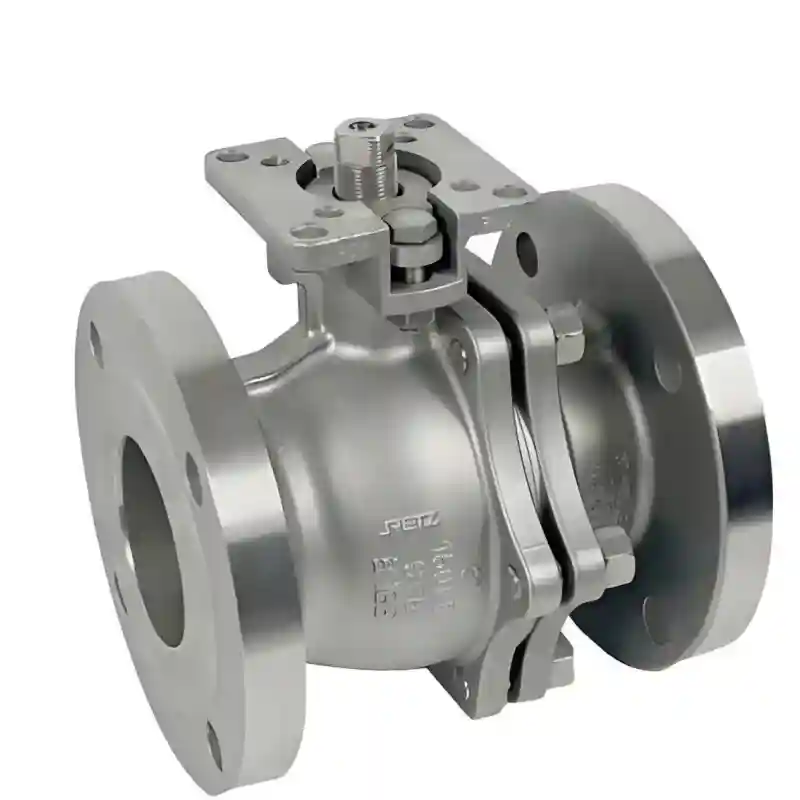
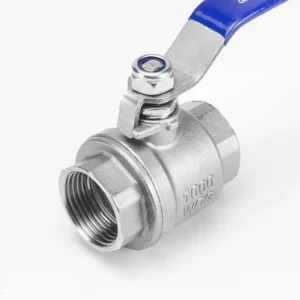
A 3/8″ three way ball valve is a small‑bore multi‑port valve that accomplishes flow diversion, splitting or merging within three‑way piping through ball rotation. Its 3/8‑inch port dimension makes it a common specification for instrument tubing, chemical dosing assemblies and precision analytical equipment.
Distinct from needle valves or multi‑turn regulating valves, its core merit lies in enabling rapid flow‑path change‑over within highly confined installation envelopes while introducing minimal flow resistance. When built with Full Port construction, the valve generates barely any extra pressure drop across the component. This characteristic proves critical for flow‑sensitive processes such as pneumatic signal transmission, carrier‑gas switching and micro‑dose chemical reagent injection.
Material and Construction
Cast from ASTM A351 CF8M (316L) stainless steel, the valve body delivers reliable corrosion resistance, compatible with instrument air, nitrogen, helium, water and multiple mildly corrosive chemical fluids. Precisely machined and mirror‑finished ball and stem components work in conjunction with reinforced PTFE seats to achieve bi‑directional bubble‑tight sealing within the full rated pressure scope.
Adopting a 2‑piece body structure, the unit supports convenient in‑line servicing. An Anti‑static Device comes as standard hardware to guarantee safe operation when handling flammable and explosive media including hydrogen and methane.
Low‑Flow‑Resistance Design Mechanism
Low pressure loss is realized via the following design features:
‑ Full Port ball bore: The inner diameter of the ball passage matches the pipe inner dimension, eliminating abrupt cross‑section transitions and throttling‑induced pressure loss.
‑ Precision‑polished ball surface: Surface roughness Ra ≤ 0.4 μm greatly reduces frictional drag between process fluid and ball surfaces.
‑ Straight‑through flow geometry: Under L‑Port switching mode, fluid travels along a near‑linear path without local resistance triggered by sharp right‑angle turns.
Specifications & End Connections
| Parameter Item | Specification Details |
|---|---|
| Nominal Size | 3/8 inch (DN10) |
| End Connection | NPT thread / BSP thread / Tube End compression fitting (optional) |
| Pressure Rating | 6000 PSI WOG / 3000 PSI Steam |
| Temperature Range | ‑20°C ~ 180°C (PTFE seat) |
| Flow‑Port Variant | L‑Port (flow switching) / T‑Port (mixing or diverting) |
| Body Material | CF8M (316L) stainless steel |
| Ball Material | 316L stainless steel |
| Seat Material | Reinforced PTFE |
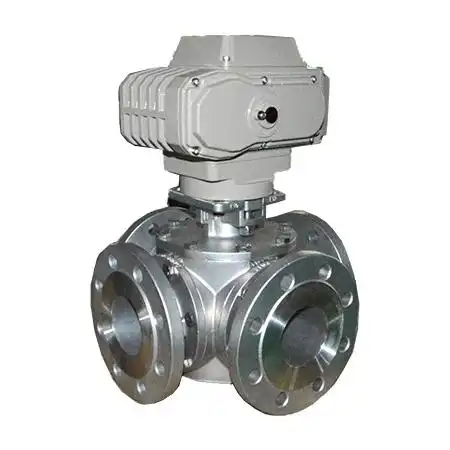
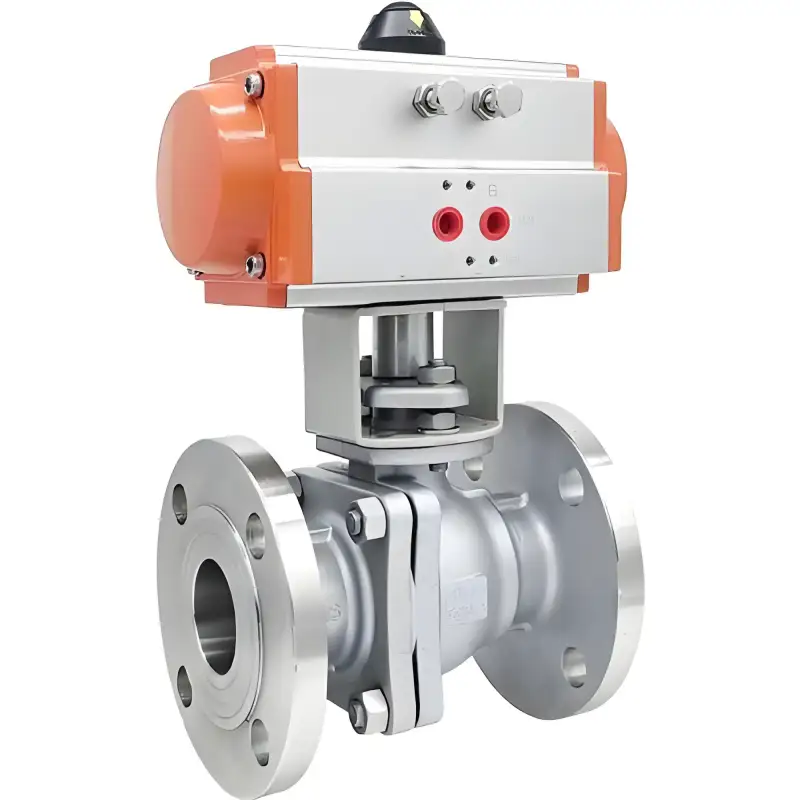
| Operation Type | Manual lever (lock‑hole equipped) / Pneumatic actuator / Electric actuator |
Flow‑Port Selection Guidance
‑ L‑Port: Optimized for diverting one incoming fluid stream between two separate outlet circuits. Typical use cases include supply‑vent switching for pneumatic actuators within instrument‑air loops, as well as isolation and blow‑down change‑over for pressure‑transmitter impulse lines.
‑ T‑Port: Intended for merging two incoming streams into a single outlet, or dividing one feed stream into two separate outputs. Representative applications cover switchable delivery from different reagent drums in chemical‑dosing packages and multi‑path carrier‑gas distribution inside laboratory set‑ups.
Typical Application Sectors
This valve demonstrates proven field performance across multiple disciplines:
‑ Instrumentation: Pneumatic actuator supply‑line switching, instrument‑air distribution, impulse‑line isolation and blow‑down for differential‑pressure transmitters.
‑ Chemical Injection & Dosing Systems: Switch‑over of micro‑dose chemical additives (corrosion inhibitors, scale inhibitors, antifreeze agents) for water‑treatment and petrochemical facilities.
‑ Laboratory & Analytical Instruments: Flow‑path switching for carrier gas or sample streams in Gas Chromatography (GC) and High‑Performance Liquid Chromatography (HPLC) workflows.
‑ High‑Pressure Gas / Hydraulic Systems: Media direction change‑over for high‑pressure test benches, hydraulic fixtures and pneumatic tooling.
‑ Centralized Lubrication Systems: Oil‑supply switching for individual lubrication points along branch circuits.
Reference Application Case for Low‑Pressure‑Drop Performance
In an instrument‑air distribution project for a large‑scale refinery (Case 5), 3/8″ three way ball valve units (L‑Port, 316L stainless steel, NPT thread, fitted with Anti‑static Device) were installed on supply lines within pneumatic‑actuator control panels. Needle valves were previously deployed for flow switching; their narrow internal passages created substantial flow resistance and obvious response lag for actuators, undermining control accuracy.
After retrofitting with these full‑port low‑resistance three‑way ball valves, supply‑vent switching is completed via simple 90‑degree lever rotation. Instrument‑air pressure drop fell from the original 3.5 psi to below 0.2 psi, while actuator response speed improved by over 30 %. Sensitivity and stability of the whole control loops were significantly enhanced. The end‑user has designated this valve as the standard component for instrument‑air systems in future new‑build process units.
Quality Assurance
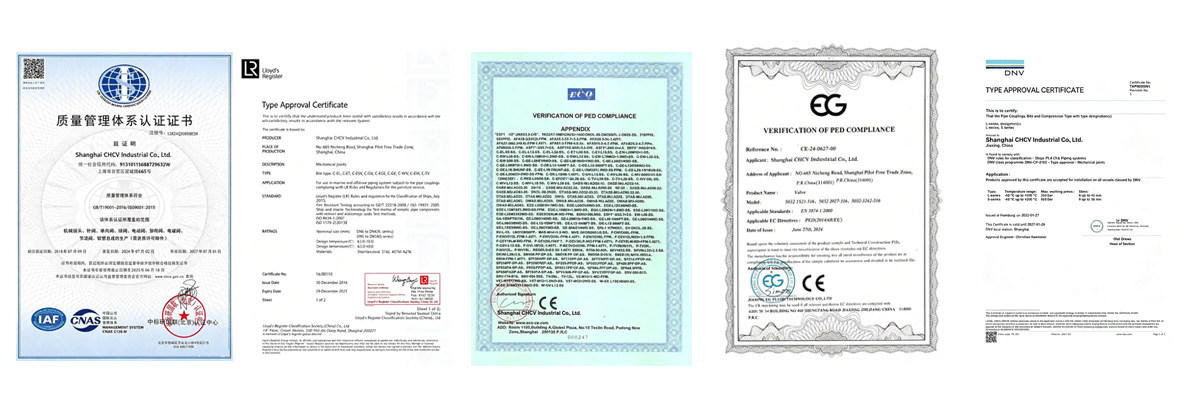
The product satisfies API 607 fire‑safety standards and is factory‑equipped with an Anti‑static Device. Every unit undergoes 100 % hydrostatic pressure testing alongside helium leak‑detection inspection prior to shipment, ensuring long‑term dependable performance under demanding operating conditions.