

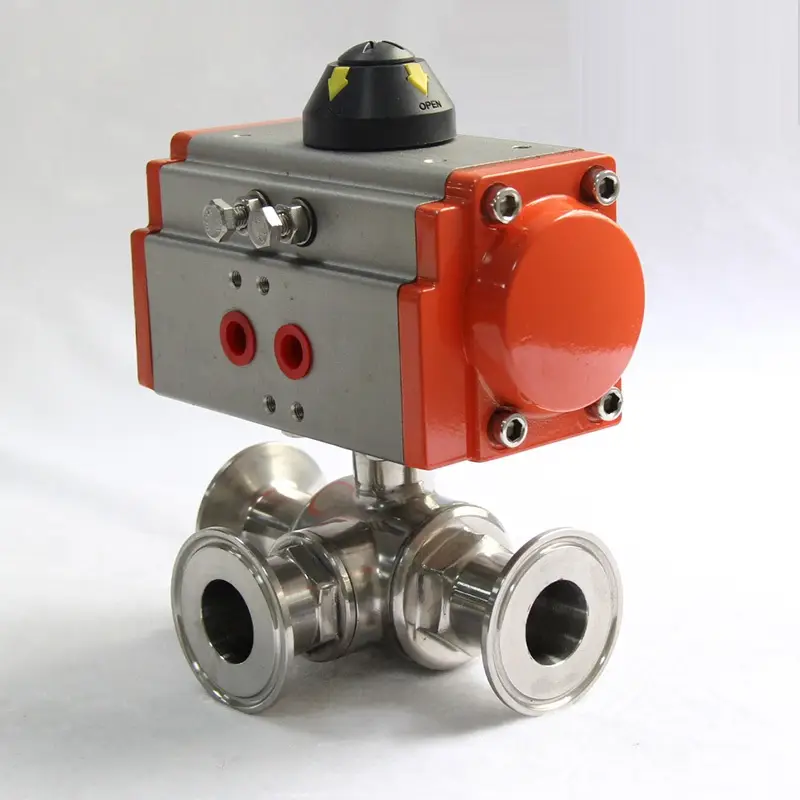
3/4″ Three Way Ball Valve – L/T Port for Flow Switching & Mixing
3/4″ three-way ball valve in SS316, L-port and T-port designs for flow diversion, mixing, and CIP switching. Full port, 1000 PSI, fire-safe. Ideal for HVAC and food processing applications.
Description
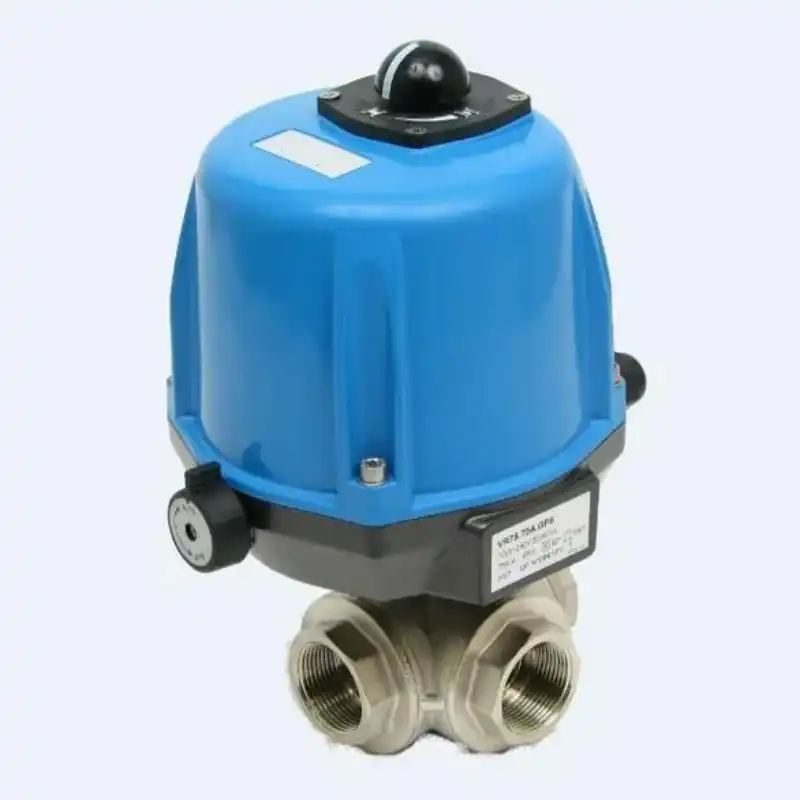
A 3/4″ three way ball valve enables pipeline‑direction switching or fluid mixing by means of ball rotation. Integrating three flow‑path configurations within a single valve body, it eliminates cumbersome multi‑valve and fitting assemblies, delivering streamlined, compact and highly efficient pipeline control.
This valve is widely deployed for industrial‑piping duties including diverting, mixing and flow switching. Its 3/4‑inch port size makes it a prevalent selection for medium‑and‑small‑bore process systems.
Material & Construction
The valve body is cast from ASTM A351 CF8M (316L) stainless steel for robust corrosion resistance, compatible with water, steam and numerous mildly corrosive chemical media. Precisely machined and polished ball and stem work in tandem with reinforced‑PTFE seats to provide bi‑directional bubble‑tight sealing across the full rated‑pressure envelope.
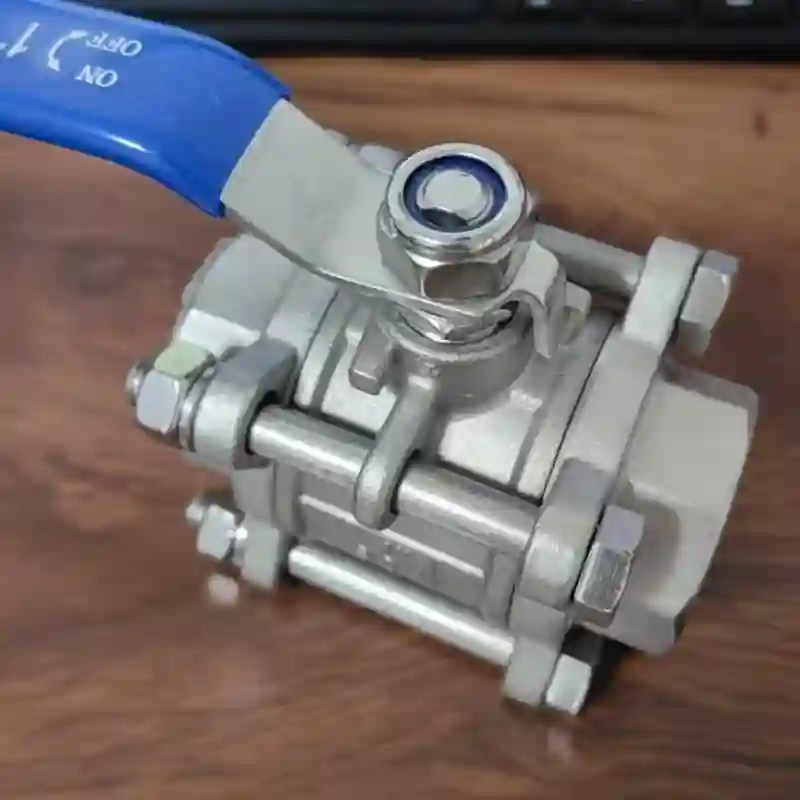
Available in either 2‑piece or 3‑piece body designs, the unit facilitates on‑site servicing and internal‑component replacement. An Anti‑static Device comes as standard hardware to guarantee safe operation when handling flammable‑explosive process fluids.
Specifications & End Connections
| Parameter Item | Specification Details |
|---|---|
| Nominal Size | 3/4 inch (DN20) |
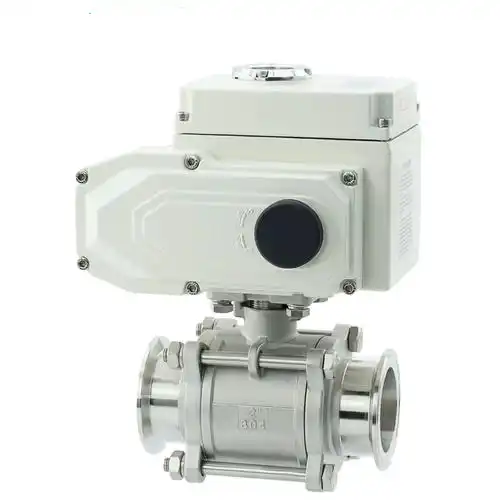
| End Connection | NPT thread / BSP thread / Tri‑Clamp clamp‑end (optional) |
| Pressure Rating | 1000 PSI WOG / 600 PSI Steam |
| Temperature Range | ‑20°C ~ 180°C (PTFE seat) |
| Flow‑Port Variant | L‑Port (flow diversion switching) / T‑Port (mixing or diverting) |
| Body Material | CF8M (316L) stainless steel |
| Ball Material | 316L stainless steel |
| Seat Material | Reinforced PTFE |
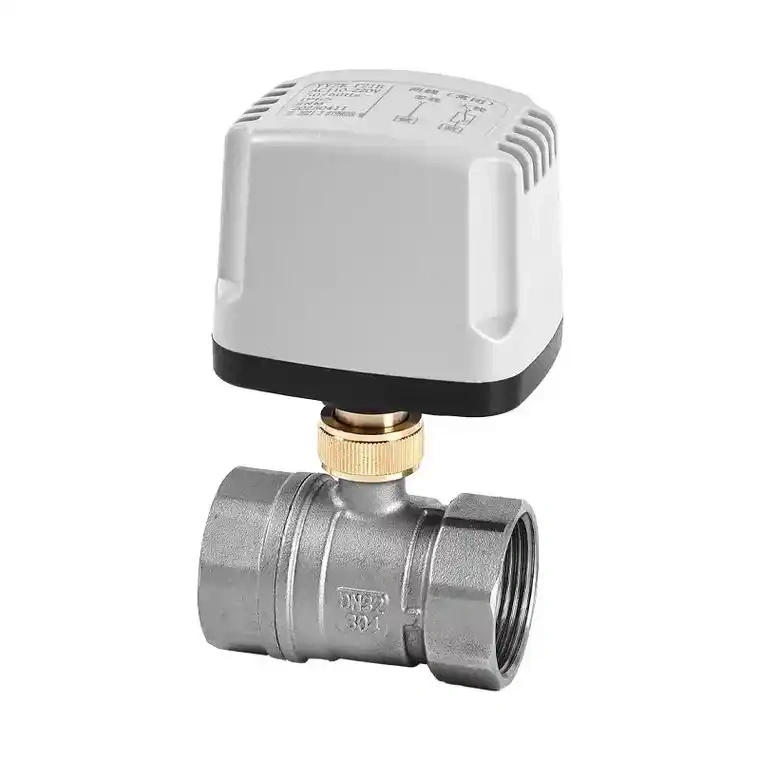
| Operation Type | Manual lever (lock‑hole equipped) / Pneumatic actuator / Electric actuator |
Flow‑Port Selection Guidance
‑ L‑Port: Designed for switching one incoming fluid stream between two separate outlet circuits. Typical deployments include filter back‑washing and heat‑exchanger bypass change‑over.
‑ T‑Port: Suited for combining two incoming streams into one discharge, or dividing a single feed into two separate output flows. Common uses cover CIP‑cleaning‑solution proportioning delivery and two‑component material blending.
Typical Application Sectors
This valve has proven field performance across multiple industries:
‑ Food & Beverage: Sequential conveyance of cleaning agents within CIP circuits and flow‑path alteration for product transfer lines.
‑ HVAC & Commercial Buildings: Cold‑hot water supply‑return switching and bypass modulation for fan‑coil units and air‑handling units.
‑ Pharmaceutical & Bio‑engineering: Media sampling and flow regulation within hygienic‑grade sterile piping.
‑ Water Treatment & Environmental Engineering: Back‑wash sequence control for single‑vessel filter skids.
‑ Petrochemical Medium‑and‑Small‑Bore Piping: Flow switching for chemical‑dosing and sampling loops.
Reference Application Case
At Yili Group liquid‑dairy production plant, 3/4″ three way ball valve units (T‑port, 316L material, Tri‑Clamp connection) were fitted at branch take‑offs along the main CIP supply header. Previously each tank branch required manual manipulation of multiple separate shut‑off valves, yielding cumbersome workflows and elevated human‑error risks. By adopting these three‑way valves, plant staff can redirect cleaning fluid sequentially toward different fermentation and storage vessels simply by turning each valve 90°. Operating complexity is greatly reduced, and cross‑contamination hazards triggered by mis‑operated valves are effectively mitigated. This solution has been adopted as standard hardware for subsequent new liquid‑milk production lines built by Yili Group.
Quality Assurance
The product complies with API 607 fire‑safety requirements and is factory‑fitted with an Anti‑static Device. Every unit undergoes 100 % hydro‑pressure and tightness testing prior to shipment, securing dependable long‑term performance under demanding process conditions.