








Full Port 3-Way High Pressure Ball Valve for Pipeline Switching
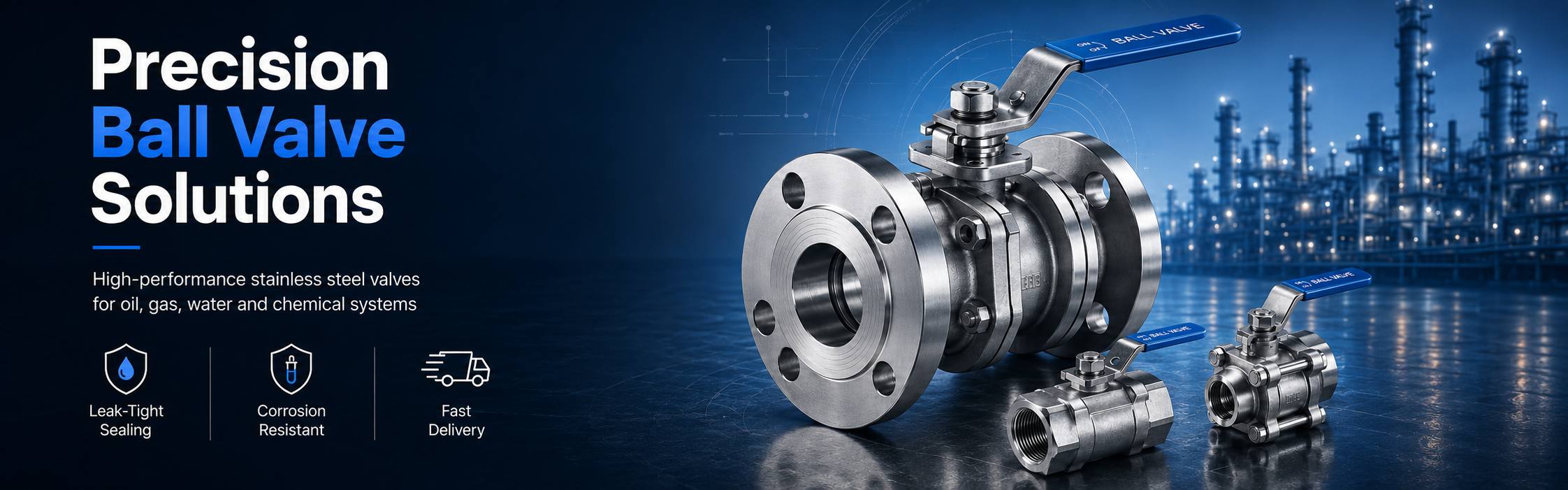
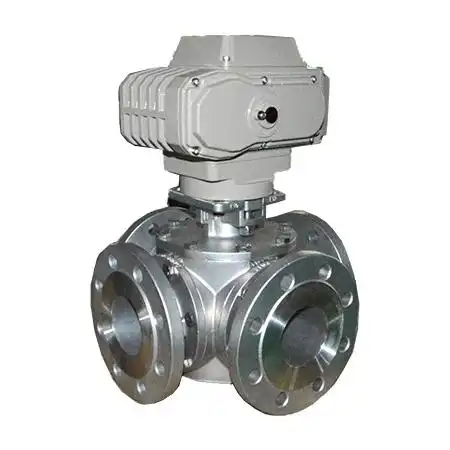
Full port three way high pressure ball valve in SS316, L-port and T-port designs for piggable flow switching. Full bore, 6000 PSI, fire-safe. Ideal for oil & gas pipeline and hydraulic systems.
Description
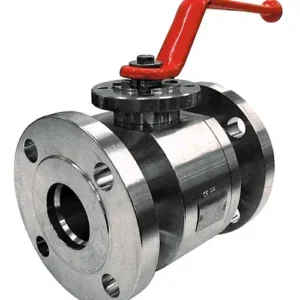
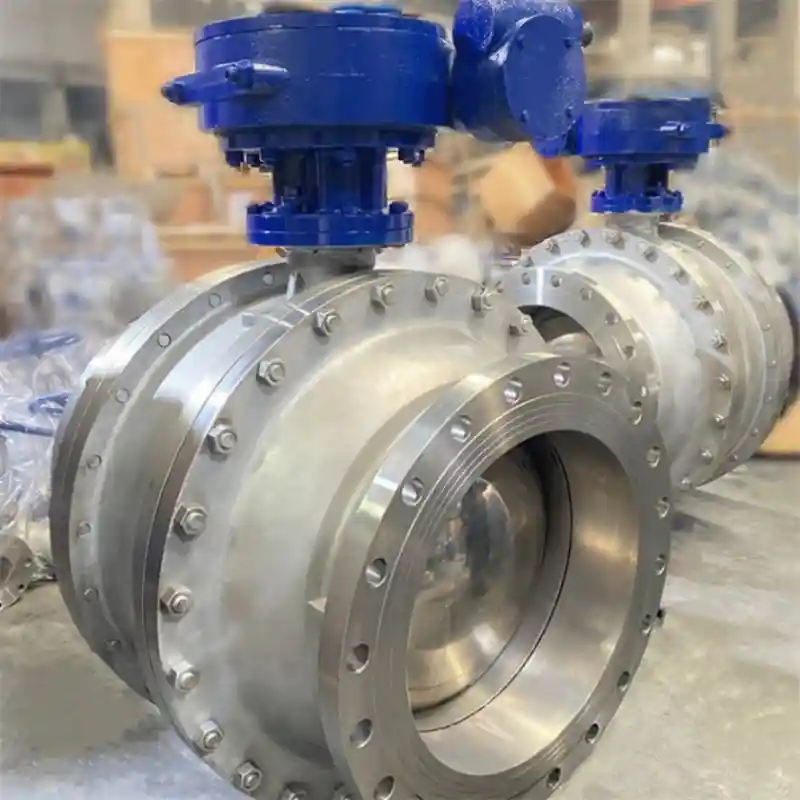
A full port three way high pressure ball valve is engineered specifically for high‑pressure process piping. Ball rotation enables flow diversion, splitting or merging within three‑way circuits. Its core competitive advantage lies in maintaining a ball bore dimension matching the inner diameter of mating pipework even under operating pressures up to 6000 PSI (Class 2500). Fluid travels through without abrupt cross‑section contraction, yielding negligible pressure drop.
Distinct from conventional Reduced Bore three‑way ball valves, its full‑port architecture delivers not only minimal flow resistance but also unobstructed passage for pipeline pigs. Valves no longer require removal prior to pigging operations on long‑distance high‑pressure transmission lines, translating into substantial downtime reduction and lower overall operational expenditure.
Material and Construction
Valve bodies are manufactured from ASTM A105 carbon steel (A350 LF2 is an alternative for low‑temperature service) or A182 F316 / 316L stainless steel. Balls and stems undergo precision machining plus hardening treatment, with overlay options including 13Cr or Inconel 718. Seating options cover reinforced PTFE, PEEK and metal‑to‑metal seals to achieve bi‑directional zero‑leak performance across the full rated pressure spectrum.
Split‑body or Top Entry body configurations support in‑situ maintenance and replacement of internal components. An Anti‑static Device together with fire‑safe construction compliant with API 607 / API 6FA are supplied as standard, securing safe operation while handling high‑pressure flammable and explosive media.
Advantages of Full‑Port Geometry
Full‑port performance is achieved via the following design features:
‑ Bore Diameter ≥ Pipe ID of connected piping; no abrupt cross‑section change eliminates throttling effects.
‑ Near‑zero pressure loss (ΔP); pressure drop can be cut by over 80 % compared with reduced‑bore alternatives.
‑ Full internal clearance permits unimpeded pig transit; valve disassembly is unnecessary before pigging cycles.
Below is a performance comparison between full‑port and reduced‑bore high‑pressure three‑way ball valves under identical size and pressure ratings:
| Comparison Item | Full Port three‑way high‑pressure ball valve | Reduced Bore three‑way high‑pressure ball valve |
|---|---|---|
| Ball Bore Diameter | Equal to pipe inner diameter (100 %) | 60 %‑80 % of pipe inner diameter |
| Pressure Drop (ΔP @ rated flow) | Negligible (< 0.1 bar) | Significant (1‑3 bar) |
| Pig Compatibility | Unobstructed pig passage | Pig blocked; valve disassembly mandatory |
| Extra Downtime for Pigging | No additional downtime | 6‑8 extra working hours per pigging run |
| Typical Application | Long‑distance transmission pipelines, pig‑enabled lines | Plant‑process piping without pigging requirements |
Specifications & End Connections
| Parameter Item | Specification Details |
|---|---|
| Nominal Size | NPS 2 ~ NPS 48 (DN50 ~ DN1200) |
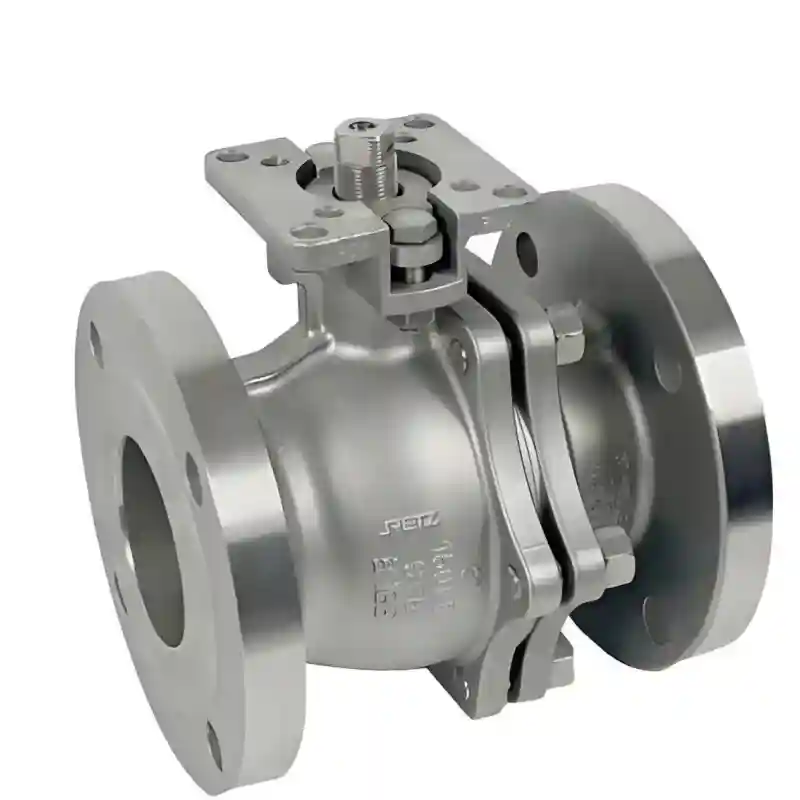
| End Connection | Flange (RF / RTJ) / Butt Weld / Socket Weld |
| Pressure Rating | Class 600 / 900 / 1500 / 2500 (max 6000 PSI) |
| Temperature Range | ‑46°C ~ 250°C (subject to seat material) |
| Flow‑Port Variant | L‑Port (flow switching) / T‑Port (mixing or diverting) |
| Body Material | A105 / A350 LF2 / F316 / F51 duplex stainless steel |
| Ball Material | 13Cr stainless steel / 316L / Inconel 718 hard‑faced overlay |
| Seat Material | Reinforced PTFE / PEEK / Metal seal (STL hard‑faced overlay) |
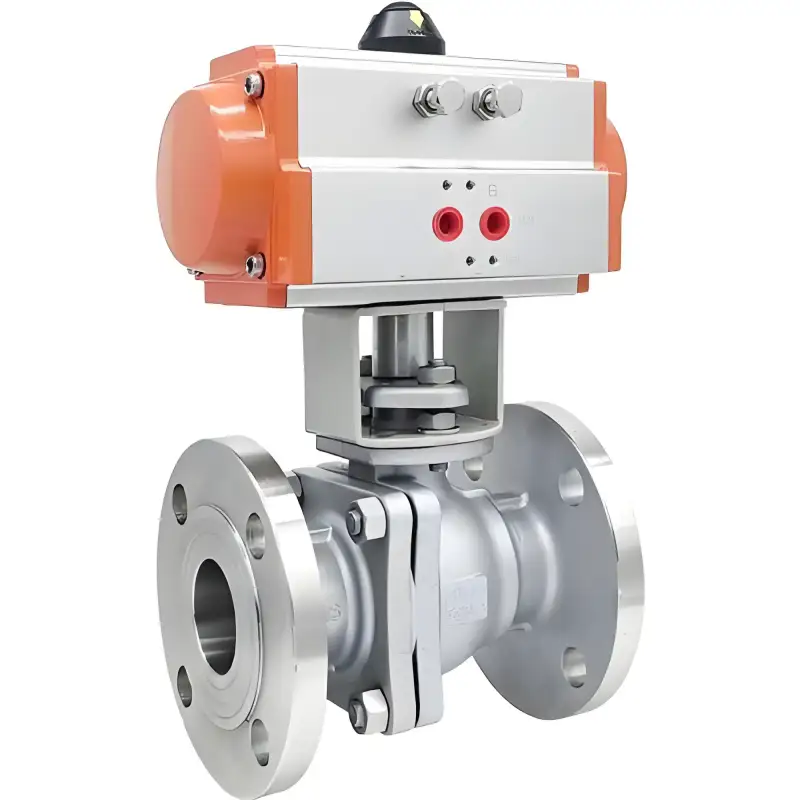
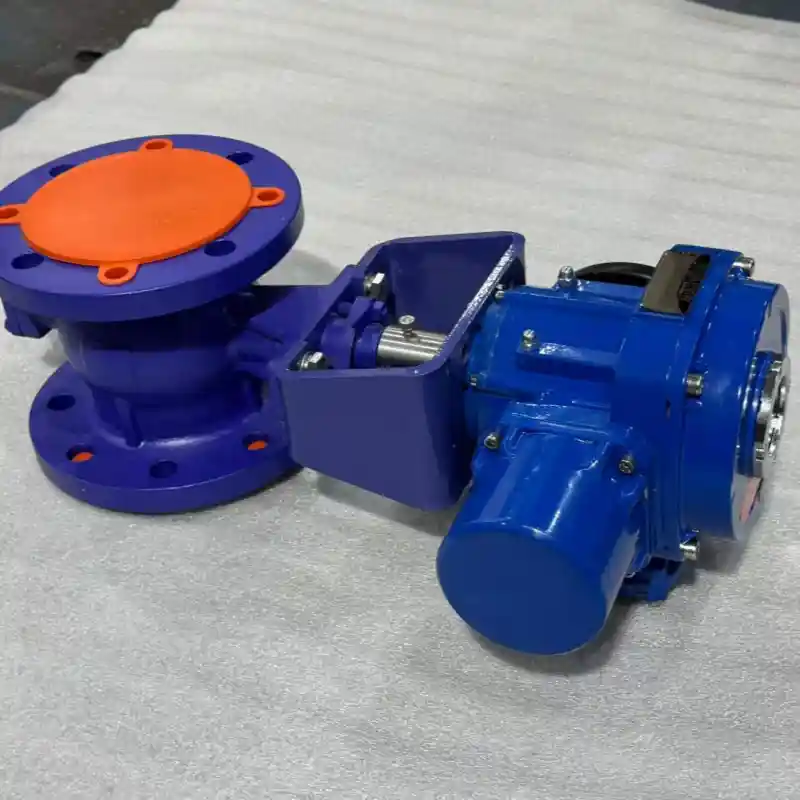
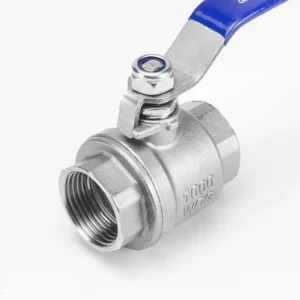
| Operation Type | Manual lever / Gearbox / Pneumatic actuator / Electric actuator |
Flow‑Port Selection Guidance
‑ L‑Port: Intended for diverting one high‑pressure inlet stream between two separate outlet circuits. Representative applications include bypass switching within high‑pressure manifolds, alternate‑pump inlet change‑over, and compressor suction‑discharge reconfiguration.
‑ T‑Port: Suited for combining two high‑pressure feed streams into a single outlet or dividing one incoming stream into two separate outputs. Typical use‑cases comprise dual‑pump combined‑feed oil delivery, multi‑well high‑pressure gas distribution, and high‑low pressure transition within fracturing manifolds.
Typical Application Sectors
This valve delivers proven operational value across a wide range of high‑pressure industrial environments:
‑ Oil & gas long‑distance transmission pipelines: Bypass re‑routing, branch diversion and standby unit inlet switching at pump‑compressor stations; full‑port bore is mandatory for pig passage.
‑ High‑pressure hydraulic systems: Circuit switching and unloading for heavy‑duty construction machinery, marine steering gear and hydraulic presses, operating within 3000‑6000 PSI working pressure range.
‑ High‑pressure gas compression facilities: Inter‑stage switching for multi‑stage compressors, filling and vent manifolds for high‑pressure gas storage wells.
‑ Oil‑well control and fracturing systems: High‑/low‑pressure manifold switching for shale‑gas fracturing operations plus actuator supply‑line service for wellhead safety systems (SSV/BDV).
‑ Aerospace ground hydraulic test facilities: High‑pressure oil‑path reconfiguration for aircraft hydraulic system ground‑test benches.
Full‑Port Field Application Reference
At Enbridge Inc.’s crude‑oil pump‑station bypass‑switching project for its terminal facility in Edmonton, Alberta, Canada (Case 1), full port three way high pressure ball valve units (L‑Port, NPS 16, Class 900, full‑port bore, ASTM A105 body, 13Cr ball, PEEK seats) were installed on inlet switch manifolds for standby pump trains. Serving as a key crude‑gathering hub for Canada’s oil‑sand producing region, this terminal operates its main pipeline at 1480 PSI and requires periodic pigging campaigns.
Previously deployed Reduced Bore three‑way ball valves blocked pig transit. Each pigging cycle required full valve removal and subsequent reinstallation, adding 8 hours of extra downtime per run and generating roughly 2800 barrels‑of‑oil‑equivalent annual production loss. After retrofitting with these full‑port three‑way high‑pressure ball valves, matching bore dimensions enable unimpeded pig travel.
Valve disassembly is no longer necessary for pigging, eliminating 8 hours of extra downtime per campaign and removing pig‑triggered production losses entirely. The end‑user has designated this valve as the standard specification for all future pump‑station construction projects.
Quality Assurance
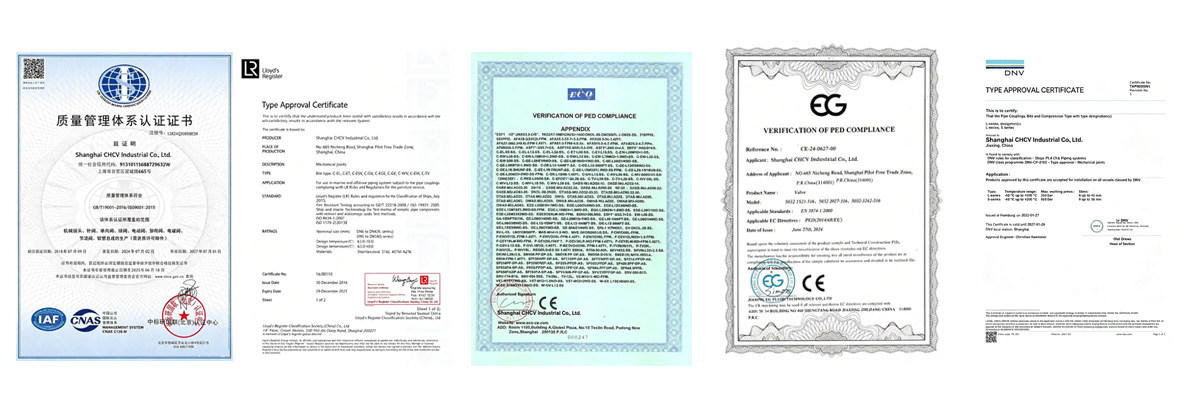
The product is designed in accordance with API 6D (pipeline‑valve standard) and ASME B16.34, and holds API 607 / API 6FA fire‑safety certification with factory‑fitted Anti‑static Device. Every unit undergoes 100 % hydrostatic shell‑strength testing plus bi‑directional high‑low pressure double‑seat tightness inspection prior to shipment, guaranteeing stable long‑term performance under severe high‑pressure operating conditions.