









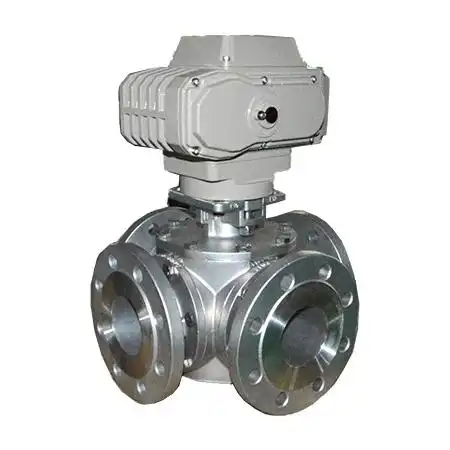
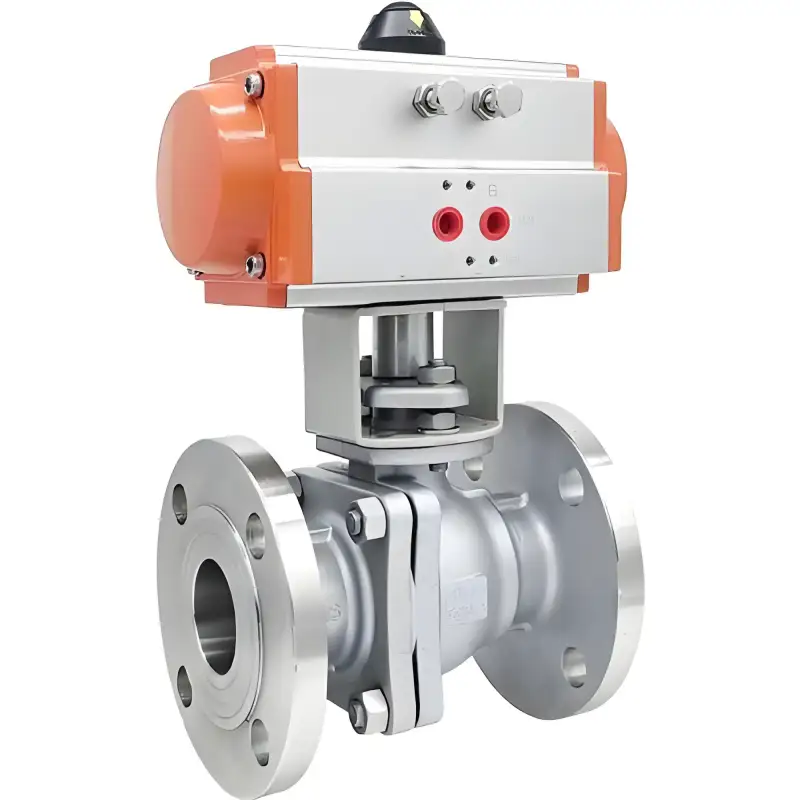
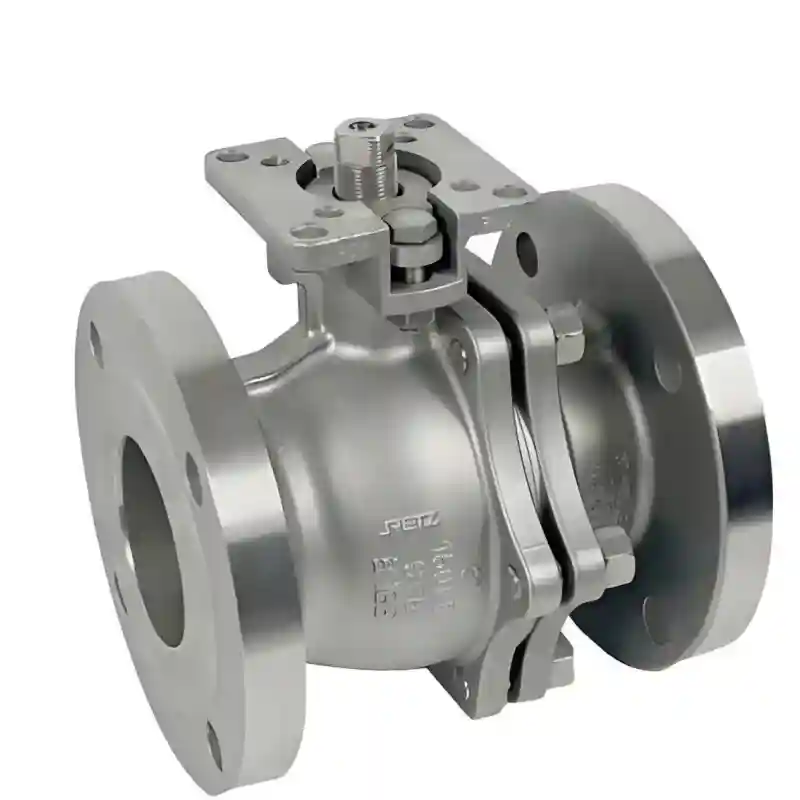
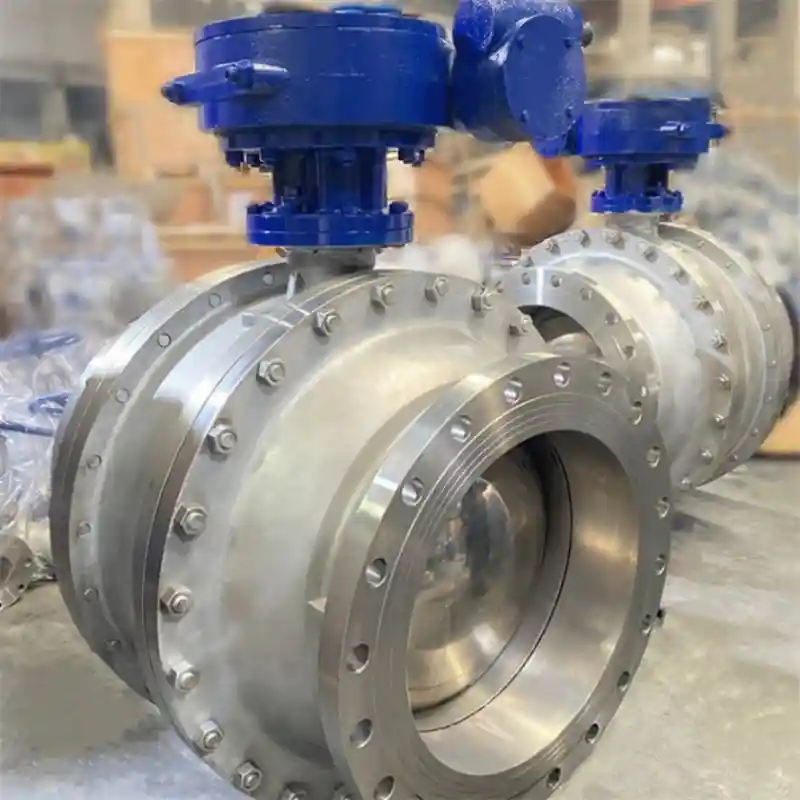
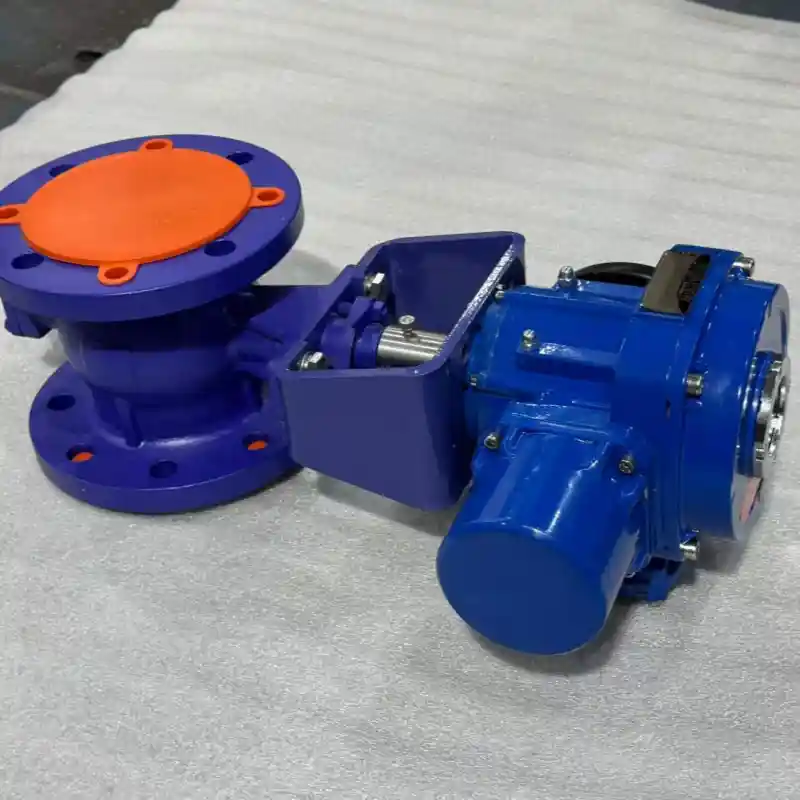
3 Way Actuated Ball Valve – Electric/Pneumatic for Automated Flow Control

3 way actuated ball valve with electric or pneumatic actuator, L-port and T-port designs. Accepts 4-20mA or dry contact signal for remote automated flow switching. ATEX/IP67 available. Ideal for CIP and process automation.

Description

A 3 way actuated ball valve is a three‑way ball valve fitted with pneumatic or electric actuators. Upon receiving remote control signals including 4‑20 mA, dry contact closures or supply air pressure, it delivers automated flow‑path switching, diversion and stream convergence within process piping. Unlike manually‑operated three‑way ball valves, actuated ball valves perform valve actuation without on‑site manual intervention, serving as core actuation hardware for plant automation and remote supervisory systems.
Its key differentiator from manual three‑way ball valves lies in seamless integration with DCS/PLC platforms to support one‑click remote change‑overs, scheduled sequencing and interlock‑driven switching. A single 3 way actuated ball valve can replace the conventional setup of two actuated 2‑way ball valves plus associated pipe fittings for remote three‑way flow control. Only one actuator unit, one set of control cables or air tubing and one valve body are required, bringing tangible reductions in capital expenditure and installation footprint.

Design Features for Automation and Remote Operation

The automated and remote‑control capability of 3 way actuated ball valves originates from the following design characteristics:
  • Selectable actuator variants: Pneumatic actuators (Double‑Acting / Spring‑Return single‑acting) suit hazardous explosive‑classified areas and deliver fast response with full stroke completion within 1‑3 seconds. Electric actuators (On‑Off / Modulating types) are deployed where power supply is available but compressed air is absent, supporting precise stroke positioning via 4‑20 mA analogue input signals.
  • Multi‑protocol remote‑signal compatibility: Accepts diverse command inputs such as dry‑contact switch signals, 4‑20 mA modulating positioning signals, and HART / Profibus communications with smart positioners for seamless interoperability with mainstream DCS and PLC systems.
  • Real‑time position feedback: Fitted with mechanical or proximity limit switches for on‑off models, or 4‑20 mA position transmitters for modulating versions. Control‑room operators obtain live valve status read‑backs to enable closed‑loop regulation and automated fault alarming.
  • Ingress and explosion‑proof ratings: Standard IP67 dust‑and‑water‑proof protection; IP68 submersible grade and ATEX / IECEx explosion‑proof certifications are available for oil‑gas, chemical and other flammable‑medium hazardous zones.

Valve Specifications and Technical Parameters

Parameter Specification Details
Nominal Size 1/2″ ~ 8″ (DN15 ~ DN200)
End Connection NPT thread / BSP thread / Flange (ANSI/EN) / Tri‑Clamp sanitary clamp
Pressure Class Class 150 / 300 / 600
Temperature Range -20°C ~ 180°C (PTFE seat); -46°C ~ 250°C (optional PEEK seat)
Flow Path Type L‑Port (flow switching) / T‑Port (mixing & diversion)
Body Material WCB carbon steel / CF8M (316L) stainless steel / Ductile Iron / Brass
Seat Material Reinforced PTFE / PEEK
Actuator Type Pneumatic (Double‑Acting / Spring‑Return Single‑Acting) / Electric (On‑Off / Modulating)
Control Signal Dry Contact / 4‑20 mA / 0‑10V / HART / Profibus PA
Position Feedback Limit Switches (On‑Off type) / 4‑20 mA Position Transmitter (Modulating type)
Ingress Protection IP67 (standard) / IP68 (optional)
Explosion‑Proof Certification ATEX / IECEx (optional)
Actuator Mounting Interface ISO 5211 direct mounting

Actuator Selection Guidance

  • Pneumatic Actuator: Preferred for petrochemical, natural‑gas and other hazardous classified locations, as well as manufacturing sites with existing compressed‑air infrastructure. Double‑acting versions maintain the current valve position upon air supply loss. Spring‑return single‑acting actuators implement Fail‑Safe automatic repositioning for safety‑critical workflows when instrument air fails.
  • Electric Actuator: Suitable for sites without compressed‑air utilities yet with electrical power, including building automation and water‑treatment facilities. On‑off variants handle basic open‑close duties; modulating units deliver fine stroke adjustment for temperature or flow‑rate regulation applications.

Typical Application Scenarios

3 way actuated ball valves are widely adopted across diverse automated process‑control workflows:
  • Automated CIP cleaning circuits: Sequential diversion of cleaning fluid within food and pharmaceutical manufacturing plants. Pre‑programmed PLC logic executes full flow‑path transitions without field operator attendance.
  • Petrochemical process control: Remote manifold switching, reactor feed distribution and batch product transfer change‑overs, supporting DCS‑hosted monitoring and automatic sequential routines.
  • Water treatment & municipal pipe networks: Automated sequencing for filter back‑washing, remote permeate distribution and zoned water‑grid management to enable unattended plant operation.
  • HVAC & building automation: Automatic reconfiguration of chilled‑hot water circuits responding to variable building thermal loads for improved energy efficiency.
  • Agricultural irrigation automation: Zonal water‑supply switching for large‑scale farms and greenhouse installations triggered by sensor feedback signals.

Field Application Reference

Case 3 covers an automated sequential CIP cleaning upgrade project for a corn deep‑processing facility operated by Cargill Inc. in the Midwestern United States. Its CIP installation required orderly routing of cleaning solution across 12 enzymatic hydrolysis tanks. Under the original manual‑valve setup, two operators spent three consecutive hours completing one full cleaning cycle. Valves were scattered over multiple building floors and zones, forcing staff into frequent back‑and‑forth travel. Heavy labour burden and risks of skipped operating steps impaired process reliability.
The implemented solution deployed CHCV 3 way actuated ball valve featuring T‑Port geometry, 316L stainless‑steel body, Tri‑Clamp connections, full‑port bore, electropolished wetted surfaces, pneumatic actuator and integrated position sensors. A PLC orchestrates sequenced operation for the complete set of 12 valves; operators initiate full cleaning sequences entirely from the central control room. Pneumatic actuators deliver fast 2‑3‑second flow‑path transitions, while position sensors feed real‑time valve status back to the HMI for live cleaning‑progress visualisation.
Following commissioning, cycle duration dropped from three hours down to 45 minutes. On‑site manual labour for this procedure was eliminated entirely. PLC‑governed sequences remove human error and missed‑step hazards. This technical package has been standardised for CIP systems at multiple Cargill manufacturing sites throughout North America.

Quality Assurance

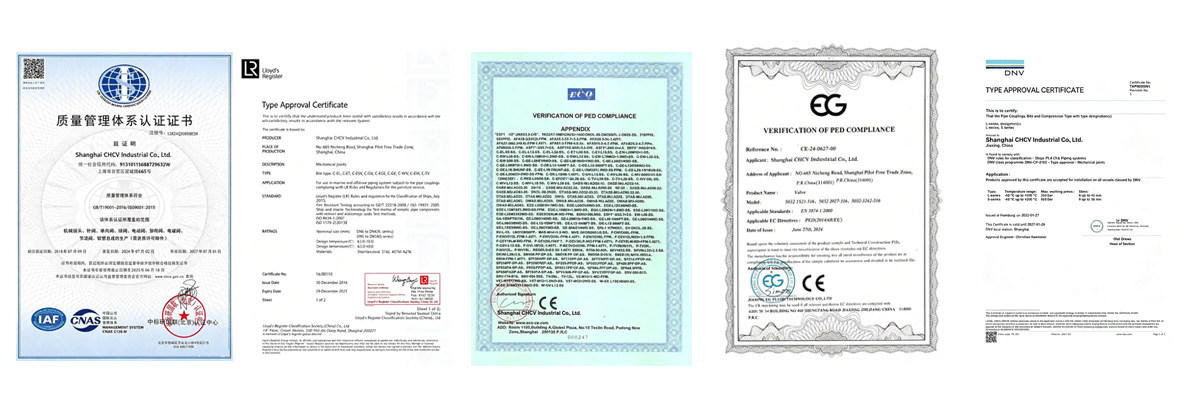
CHCV 3 way actuated ball valves are manufactured and tested in compliance with ASME B16.34 under the ISO 9001 quality‑management framework. Every valve‑and‑actuator assembly undergoes complete integrated bench testing to validate stroke timing, control accuracy and position‑feedback performance. Each complete unit passes hydrostatic shell testing, bi‑directional seat tightness inspection to API 598 standards and full actuator functional verification prior to dispatch. Comprehensive material certificates, actuator test reports and installation‑operation manuals are supplied with every shipment.