









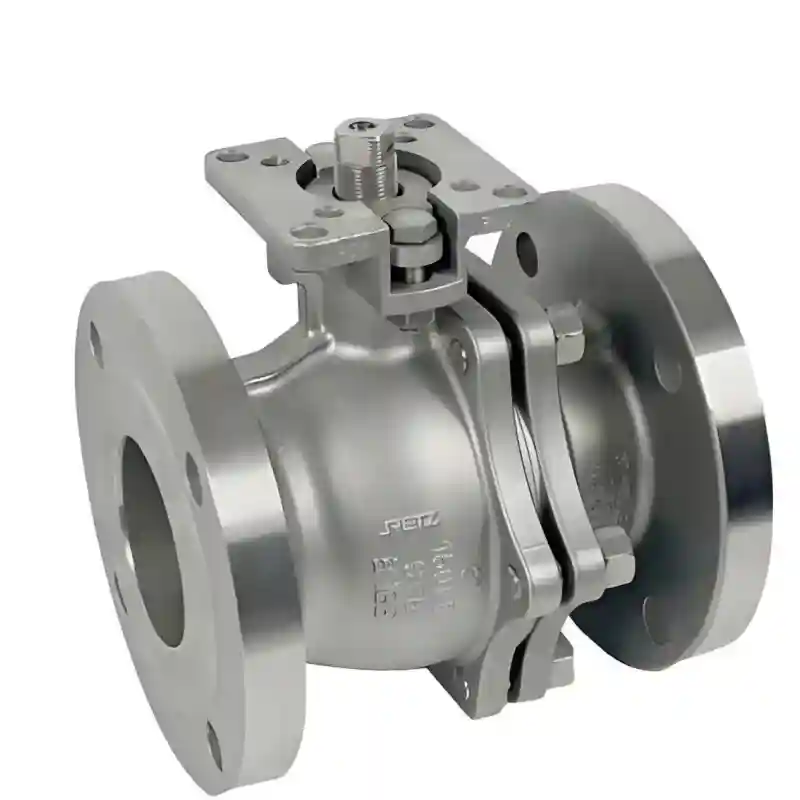
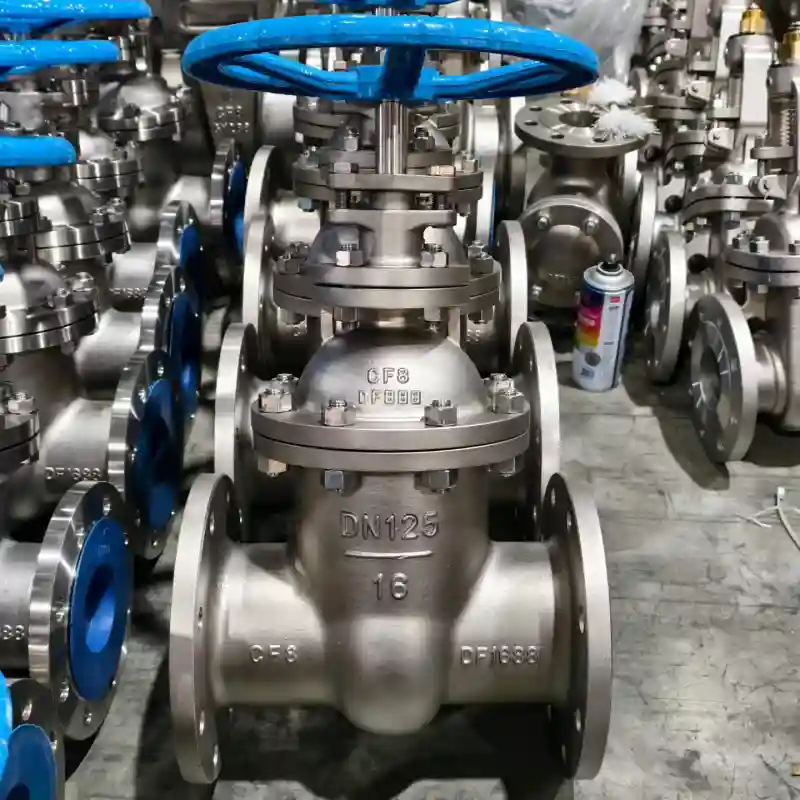
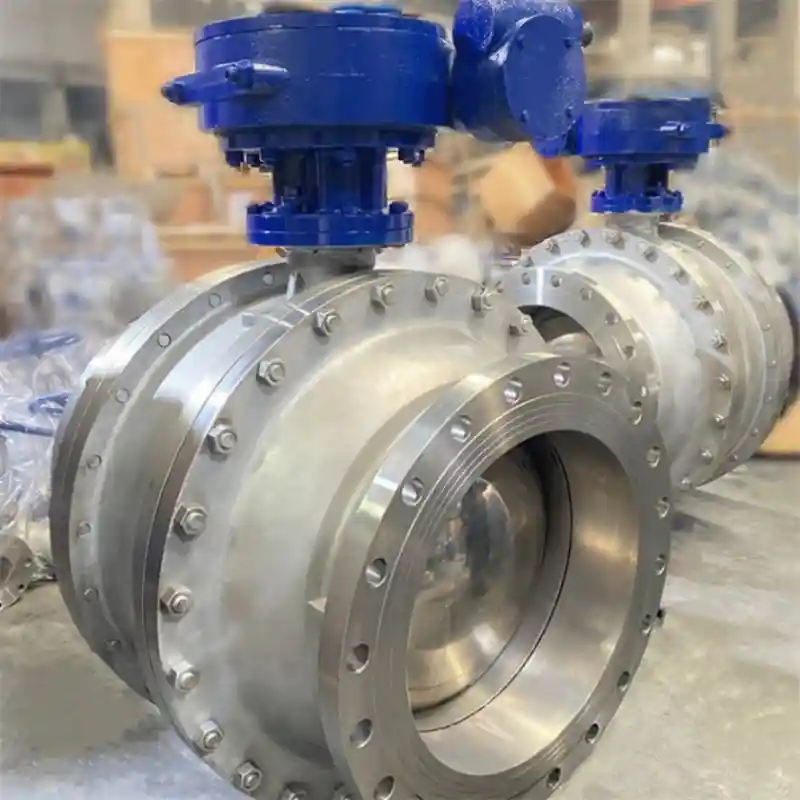
Fire Safe Ball Valve – Anti-Static, API 607, for Oil & Gas Pipelines
Certified fire safe ball valve with anti-static design, blowout-proof stem, and soft/metal seat options. Sizes 1/2″–24″, class 150–2500. Ideal for high-risk fluid control in petrochemical, gas, and refining systems.
Description
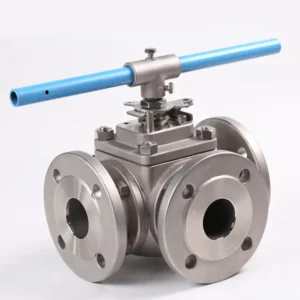
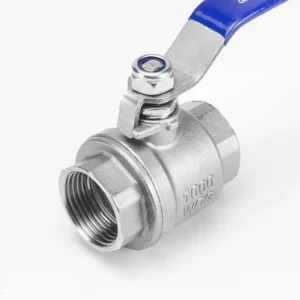
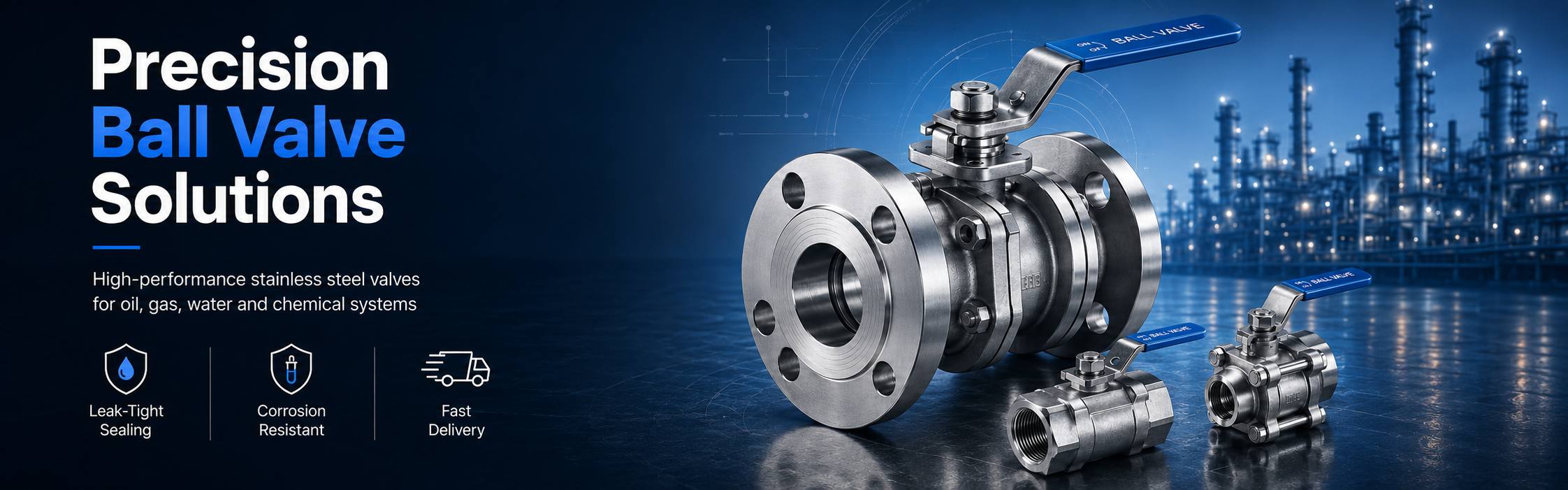
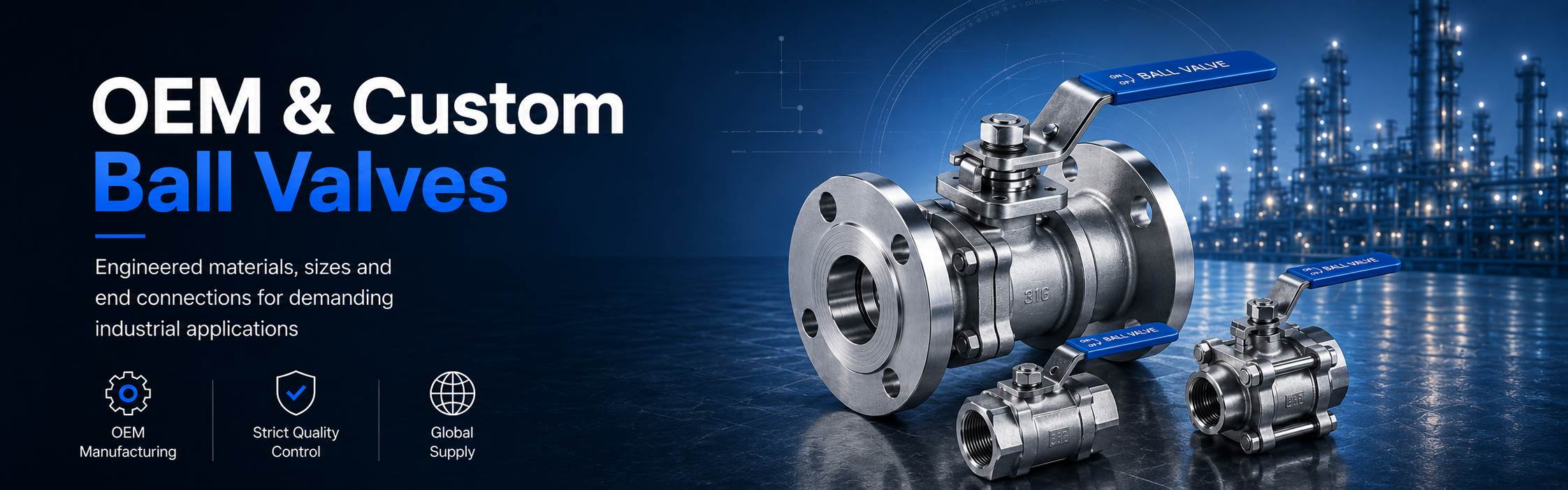
What is a Fire Safe Ball Valve?
In oil, natural gas, refining, and other high-temperature, high-pressure applications with fire risk, conventional ball valves may experience seat or seal melting during an external fire, leading to medium leakage and exacerbating the accident. The Fire Safe Ball Valve is specifically designed to address this high-risk scenario.
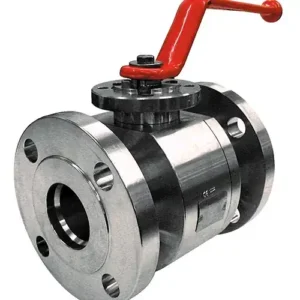
Structurally, it complies with API 607 / API 6FA fire-safe testing standards. Even if the soft seat is partially burned during a fire, its secondary metal sealing (metal-to-metal sealing faces) maintains the valve’s shut‑off capability, preventing continuous medium escape and buying critical time for emergency response. Meanwhile, fire safe valves are typically equipped with anti-static devices and blowout-proof stems to reduce ignition risks at the source, making them a reliable choice for petrochemical plants, gas transmission and distribution, and offshore platforms.
Fire Safe Valves – Structure & Materials
| Component | Material Options | Function |
|---|---|---|
| Body | WCB, CF8M (316), CF3M (316L), LF2 low‑temp steel | Meets various temperature and corrosion resistance requirements |
| Ball | 304 / 316 stainless steel, surface hardened | Ensures wear resistance and matching with sealing pair |
| Primary seat | PTFE / RPTFE / reinforced PTFE | Provides zero‑leakage sealing under normal conditions |
| Fire‑resistant seat | Graphite or metal sealing pair | Forms secondary metal seal under fire conditions |
| Stem | 17‑4PH / 316 stainless steel | Blowout‑proof design with anti‑static spring |
| Anti‑static device | Stainless steel spring + ball | Dissipates static charge between ball and stem |
The Fire-Safe Sealing System is the core of this valve type: under normal operation, the soft seat delivers bubble‑tight sealing; once the soft seat is burned away, the pre‑designed metal‑to‑metal sealing faces immediately engage to ensure the valve can still shut off flow.
Fire Safe Valves – Specifications & Parameters
| Parameter | Range |
|---|---|
| Size | 1/2″ – 24″ (DN15 – DN600) |
| Pressure class | Class 150 / 300 / 600 / 900 / 1500 / 2500 |
| End connections | Flanged (RF / RTI), Butt‑weld (BW), Socket‑weld (SW), Threaded (NPT / BSP) |
| Design type | Floating ball (≤ DN200) / Trunnion‑mounted (≥ DN80) |
| Fire test standard | API 607 (soft‑seated), API 6FA (metal‑seated) |
| Anti‑static standard | BS 5351 / API 608 |
| Body material | Carbon steel, stainless steel, duplex stainless steel, low‑temp steel |
| Temperature range | -46°C ~ 350°C (depending on seat material) |
| Leakage rate | Soft seat: ISO 5208 Rate A (zero leakage); Metal seat: Class VI |
Applications of Fire Safe Ball Valve
-
Oil & gas exploration (wellheads, gathering stations, pipeline block valves)
-
Refining & petrochemical units (furnace inlets/outlets, overhead reflux, high‑temp oil lines)
-
Gas transmission & distribution / pressure‑regulating stations (city gate stations, long‑distance pipeline ESD)
-
Offshore platforms & FPSOs (deck process lines, firewater system isolation)
-
Tank farms & oil depots (loading/unloading facilities, tank‑root emergency shut‑off valves)
-
Low‑temperature services (LNG, liquid nitrogen) – with LF2 materials and extended bonnet construction
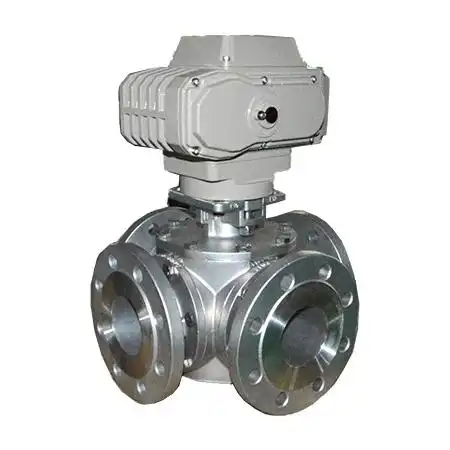
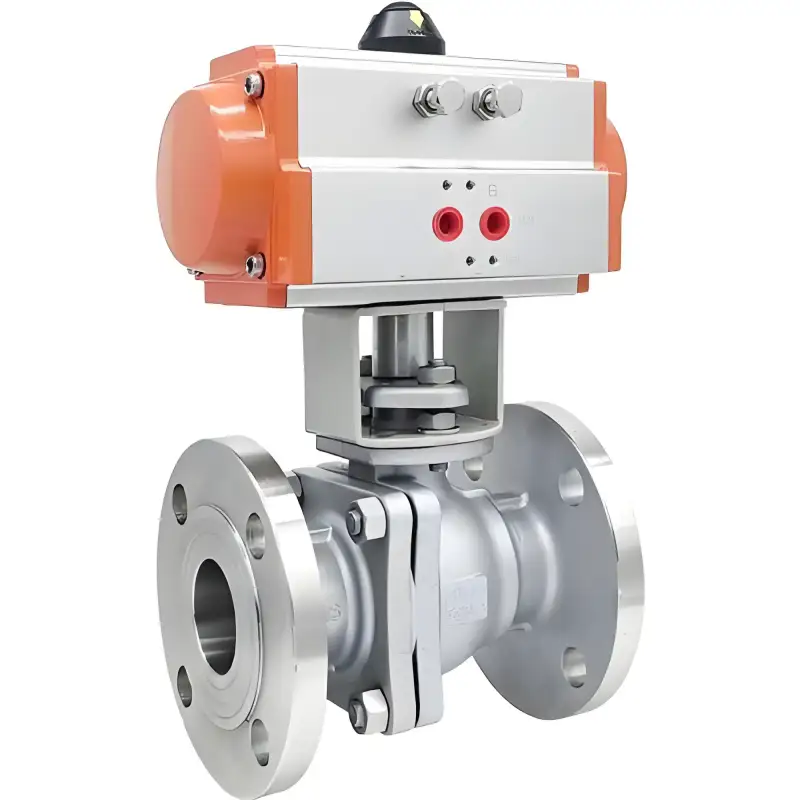
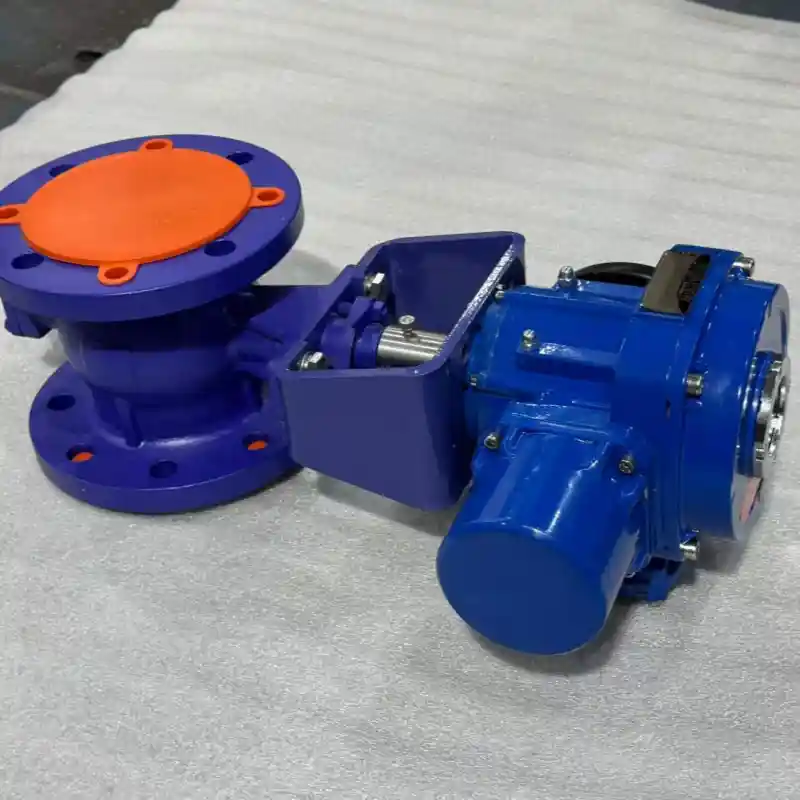
Additionally, this valve series also suits high pressure ball valve applications (e.g., Class 2500 or higher), and can be optionally equipped with gear operated ball valve or actuated ball valve for remote emergency shutdown.
Why Choose Our Fire Safe Ball Valve?
-
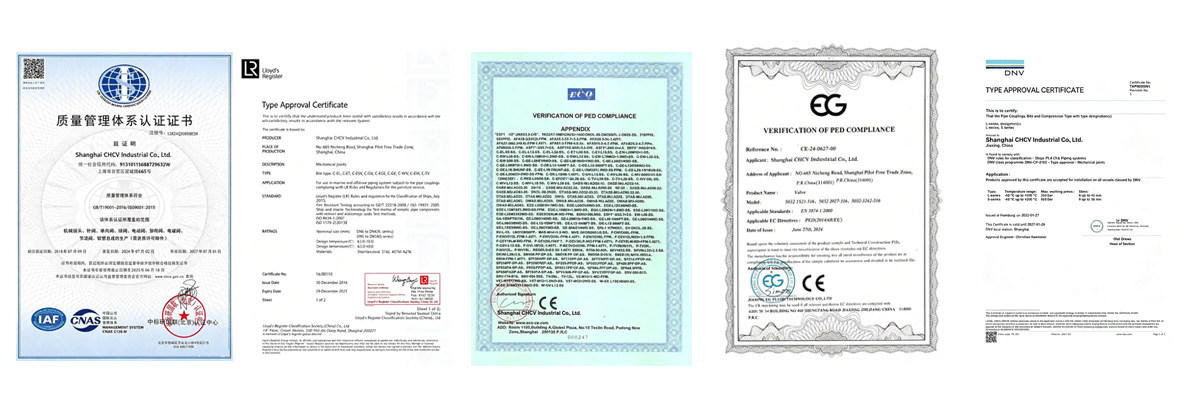
Each valve’s fire‑safe sealing structure is individually pressure‑tested and fire‑simulation‑tested at our fire safe ball valve factory, with complete test reports provided.
-
Blowout‑proof stem and anti‑static design comply with NACE MR0175 / ISO 15156 for sour service (H₂S-containing media).
-
Customizable metal seated ball valve options available for high‑temperature, abrasive, or frequent‑operation conditions.
-
Body‑bonnet connections use pressure‑self‑tightening or bolted designs to minimize external leakage risk.
For detailed dimensions, torque values, or actuator sizing, please provide your operating conditions (medium, temperature, cycling frequency, open/close time). We will perform customised selection and calculations per API 6D / ISO 17292 standards.
If you are looking for a reliable valve that can serve as the last line of defence during a fire accident, the Fire Safe Ball Valve is the critical safety device you need to consider.