
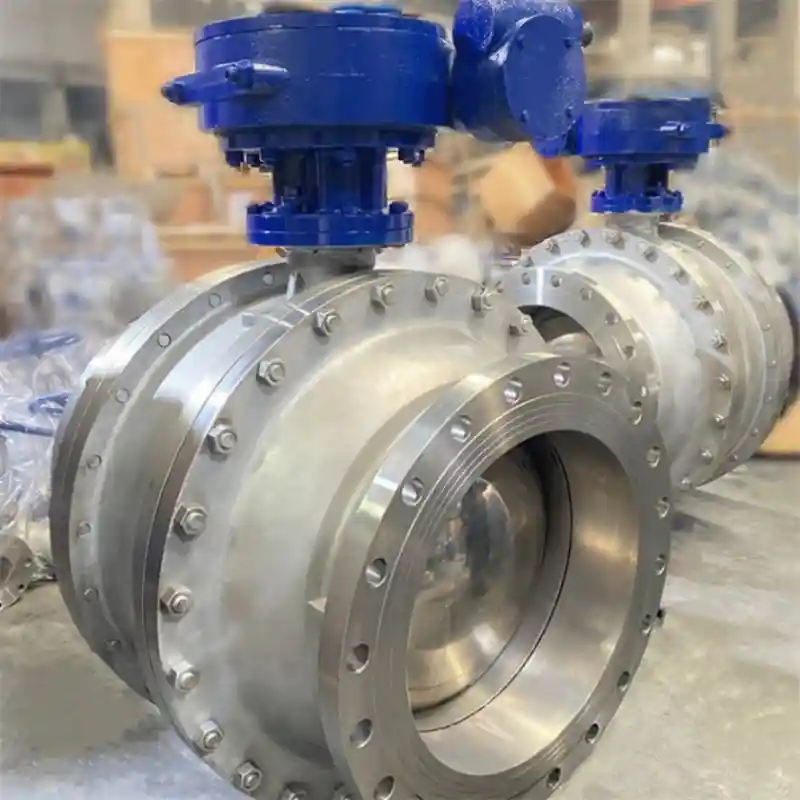
Flanged Ball Valve – Industrial Flange End Valve for Piping Systems
Explore durable flanged end ball valves for shut-off and control. Find flange type ball valve price quotes and connect with reliable flanged ball valve suppliers. Ideal for oil, gas, and water.
Description
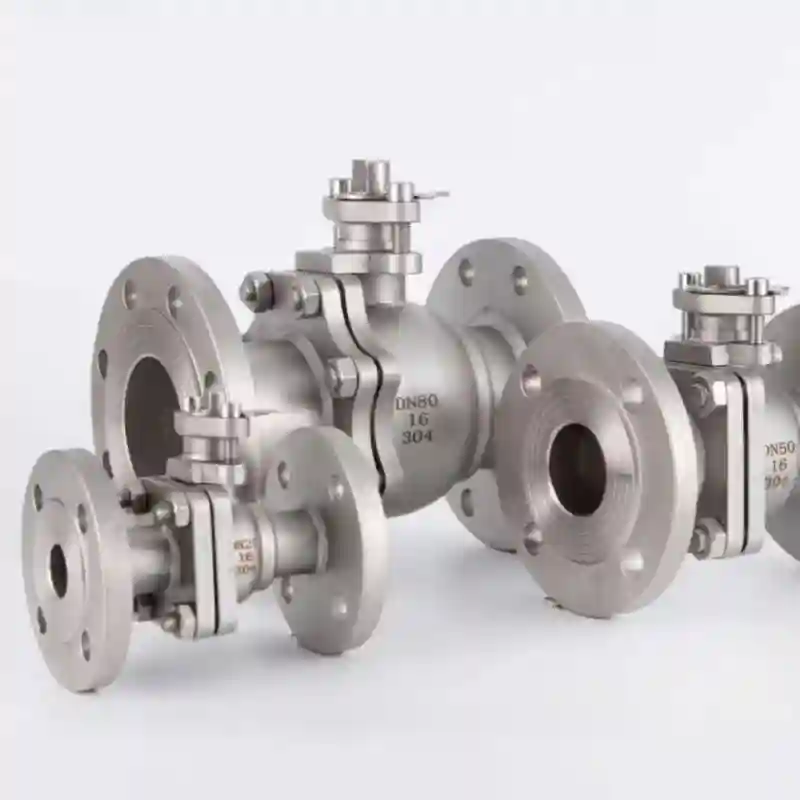
Flange End Ball Valve operates by rotating the valve core (ball) to open, close, or regulate fluid flow.
The flange connection method not only provides extremely high connection strength and sealing reliability, but also facilitates pipeline installation, disassembly, and maintenance. Therefore, it is widely used in medium-to-high pressure or large-diameter industrial piping systems in petroleum, chemical, natural gas, water treatment, and other industries.
Compared with threaded or welded-end ball valves, the advantage of flanged ball valves lies in their connection method, which can withstand higher pressure and temperature, with superior sealing performance, making them particularly suitable for frequent operation or conditions requiring regular maintenance.
Flange End Valve Materials and Specifications
| Component | Material Options |
|---|---|
| Body | Carbon Steel (WCB), Stainless Steel (CF8, CF8M, CF3M), Alloy Steel |
| Ball | Stainless Steel (304, 316), Stellite Hardfacing Coating |
| Seat | PTFE, RPTFE, PEEK, Metal-Sealed |
| Stem | Stainless Steel (304, 316), Inconel |
| Flange Standards | ANSI/ASME B16.5 (Class 150, 300, 600, 900, 1500, 2500), DIN, JIS |
Flange End Valve Parameters
| Parameter | Specification Range |
|---|---|
| Size Range | NPS 1/2″ – 24″ (DN15 – DN600) |
| Pressure Rating | Class 150 – Class 2500 (PN10 – PN420) |
| Connection Type | Flanged (RF, RTJ, FF) |
| Design Standards | API 6D, ASME B16.34, ISO 17292 |
| Structure Type | Floating Ball / Trunnion Mounted |
| Operating Temperature | -196°C to +450°C (depending on material) |
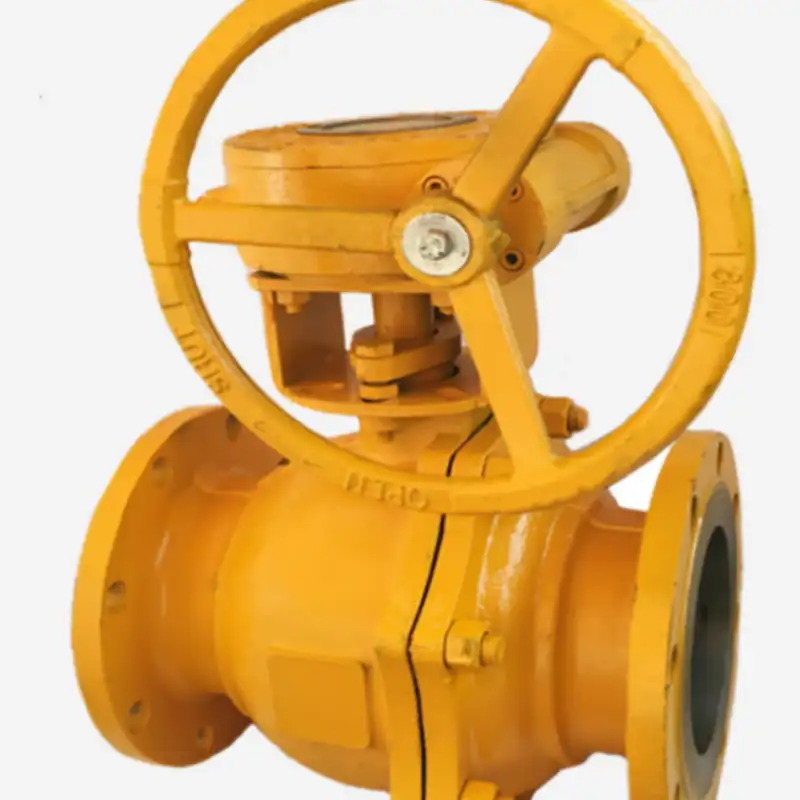
| Operation Mode | Manual, Gearbox, Pneumatic, Electric |
About Flanged Ball Valve Dimensions:
During selection, be sure to verify the face-to-face dimension and flange dimensions (e.g., bolt circle diameter) of the flanged ball valve to ensure full compatibility with your piping system. We can provide a complete dimensional data sheet in accordance with ASME B16.10 for your reference.
About Flange Type Ball Valve Price:
Prices are significantly affected by material, pressure rating, size, and actuation method. To obtain an accurate Flange Type Ball Valve Price, we recommend providing detailed operating parameters. As a direct manufacturer, we can offer competitive factory-direct pricing.
About Flanged Ball Valve Suppliers:
When selecting Flanged Ball Valve Suppliers, in addition to price, you should also evaluate the supplier’s qualifications (e.g., API, ISO certifications), delivery capability, and after-sales service. With over 20 years of manufacturing experience and products exported worldwide, we are a trustworthy partner for you.
About Flanged Ball Valve Dimensions:
Precise Flanged Ball Valve Dimensions are key to ensuring error‑free installation. Our technical library provides detailed 2D drawings and 3D models to help you with accurate layout planning during the design phase.
Frequently Asked Questions (FAQ)
Q1: Flange end ball valves can be installed in any direction?
A: While most floating ball valves are bidirectional and can be installed in any direction, for trunnion-mounted ball valves, it is recommended to install them according to the flow arrow marked on the body to ensure optimal sealing performance and service life. Always check the manufacturer’s instructions before installation.
Q2: How to choose the right flanged ball valve material?
A: Choosing the right material depends on the fluid properties. For corrosive media like acids, stainless steel (CF8M) is recommended. For high temperature and high pressure steam applications, carbon steel (WCB) with a metal-seated design is a more cost-effective and durable option.