









Hand Ball Valve with Cost-Effective Manual Operation for Irrigation Systems

Hand ball valve offers reliable manual shut-off at 70% lower cost than actuated alternatives. Used in Indonesian sugarcane plantation, 240 irrigation points. Lever handle, DN80-DN150. Get quote.

Description

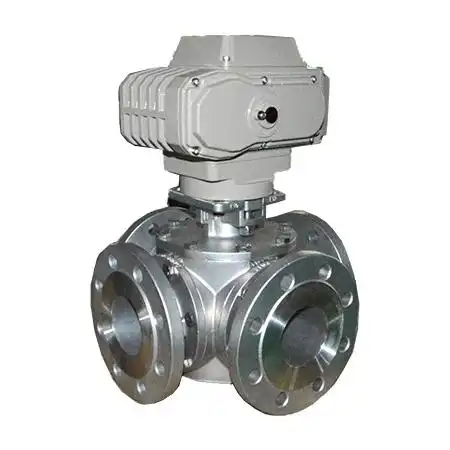
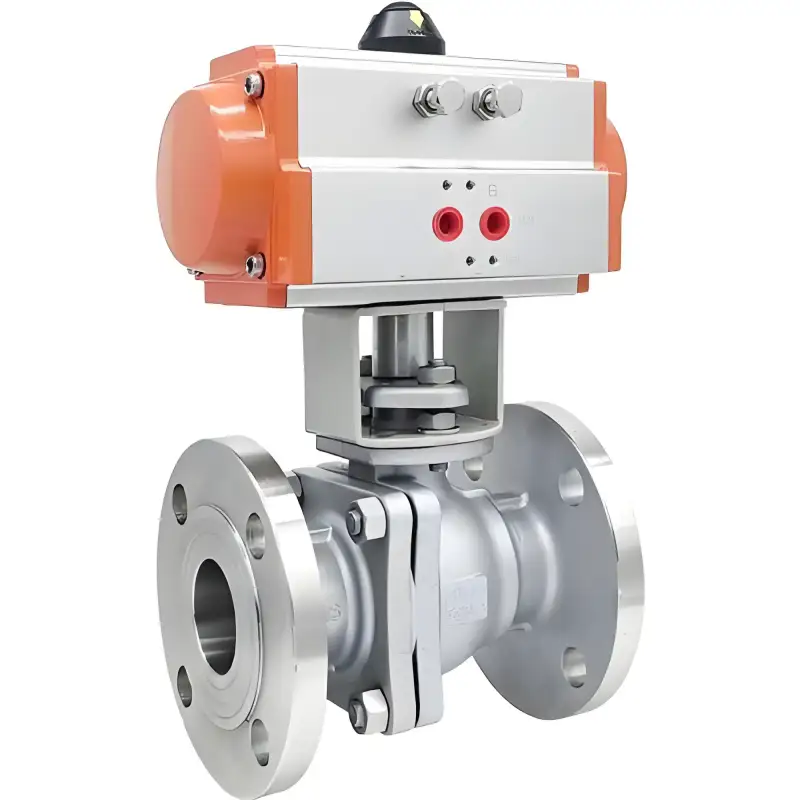
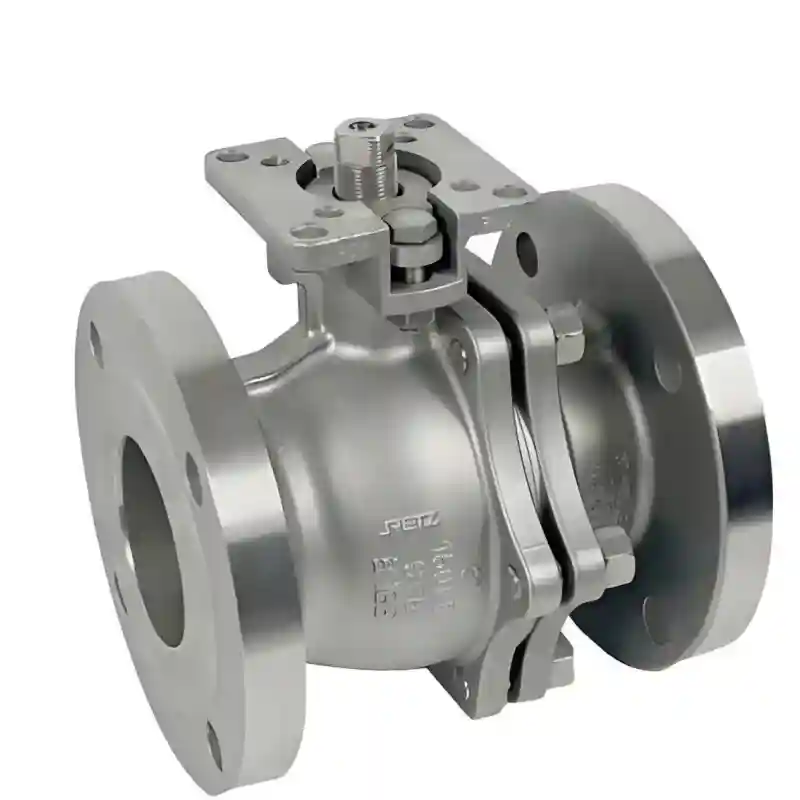
In irrigation networks, utility pipelines, and ancillary process loops, the sheer number and wide distribution of isolation valves make powered actuation (electric or pneumatic) prohibitively expensive—not only in terms of initial capital outlay, but also due to the ongoing costs of cabling, control wiring, and maintenance. The hand ball valve offers a straightforward alternative: it relies on manual lever operation to rotate the ball a quarter‑turn (90°) for opening or closing, requiring no external power or air supply. With its simple construction, low purchase price, and minimal upkeep, it is the most cost‑effective choice for high‑volume, broadly deployed shut‑off applications.

Design Features and Operating Modes

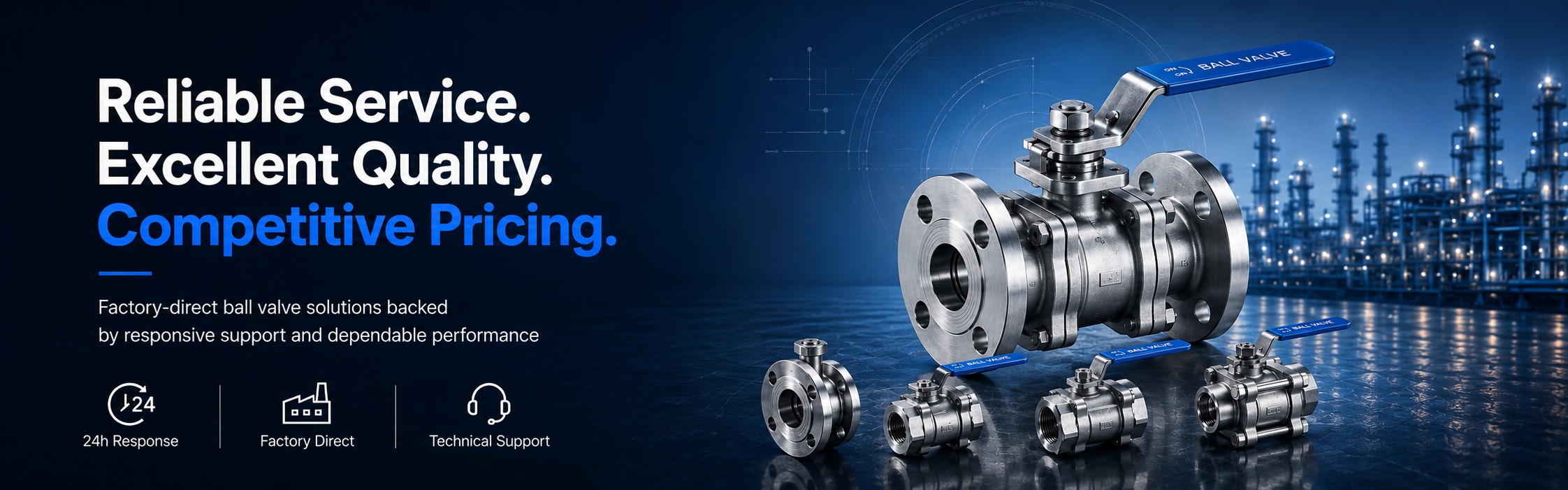
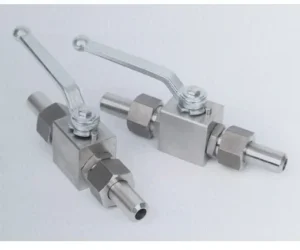
The primary operating component of a hand ball valve is the lever handle or handwheel, typically mounted directly on the top of the stem. Connection between the handle and the stem can be achieved through a square‑hole insert, a keyed slot, or a bolted clamp. Rotating the handle by 90° (a quarter turn) opens or closes the valve—when the handle aligns with the pipe axis, the valve is fully open; when perpendicular, it is fully closed. For sizes larger than DN50 or where operating torque is substantial, a gearbox may be fitted to reduce the manual effort required on the handwheel.

A variety of handle styles are available to suit different needs:

Handle Type Suitable Size Characteristics
Standard Lever DN15 – DN100 Direct drive, torque ≤100 N·m
T‑Handle DN15 – DN50 Comfortable grip for small diameters
Extended Lever DN15 – DN100 For deep wells or insulated piping
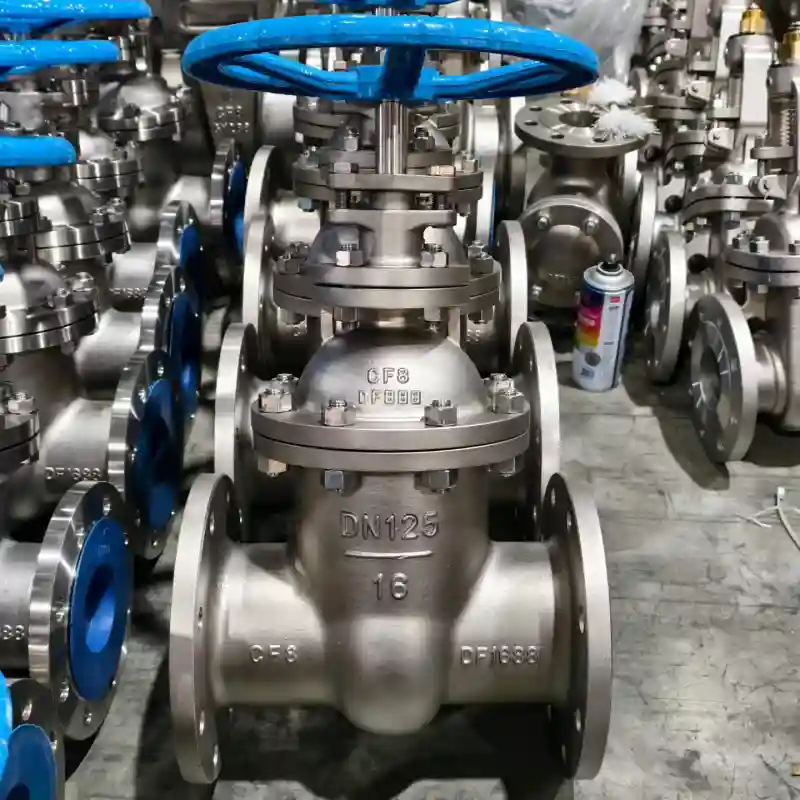
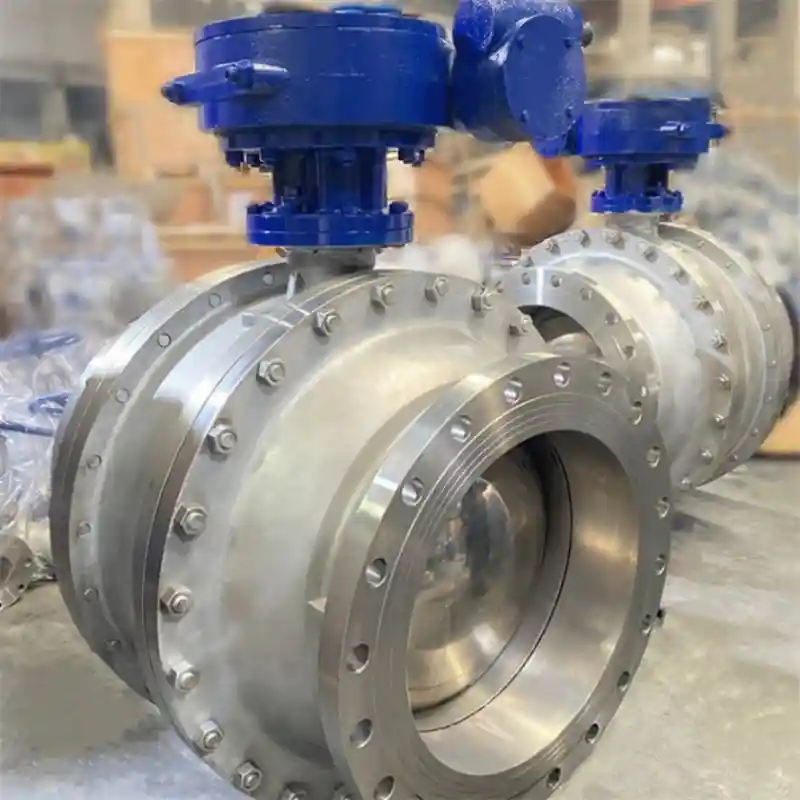
Handwheel + Gearbox DN80 – DN300 Torque multiplication for heavy‑duty operation
Lockable Lever DN15 – DN100 With padlock hole to prevent unauthorised operation


Key Technical Specifications

Parameter Specification
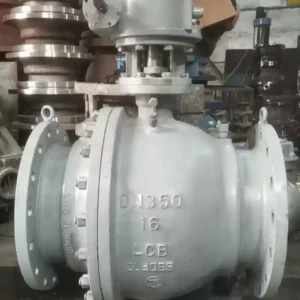
Nominal Diameter (DN) DN15 – DN300 (½″ – 12″)
Pressure Rating PN10 – PN100 / Class 150 – Class 600
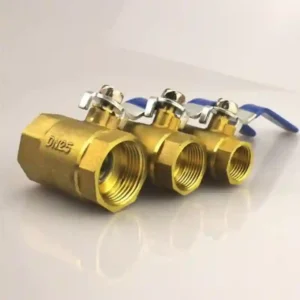
Body Material Brass / WCB Carbon Steel / CF8M Stainless / Ductile Iron
Ball Material Chrome‑plated Brass / 304 / 316 Stainless Steel
Seat Material PTFE / Reinforced PTFE / PEEK
End Connections Female Thread (NPT/BSP) / Flanged (RF/FF) / Socket Weld
Actuation Lever Handle / T‑Handle / Handwheel with Gearbox
Handle Locking Optional (with keyhole or latch device)
Design Standards API 608 / ISO 17292 / ASME B16.34
Temperature Range –20 °C to 150 °C (PTFE seats)


Typical Applications

  • Manual control of branch lines in agricultural irrigation and horticulture water supply

  • Local isolation for cooling water and compressed air in utility systems

  • Root valves on instrument and sample tap lines

  • Drain and blow‑down connections on equipment

  • Manual valves on skid‑mounted packages

  • Pipeline isolation in remote or off‑grid locations where power is unavailable

Field Case – Sugarcane Plantation Irrigation, East Java, Indonesia

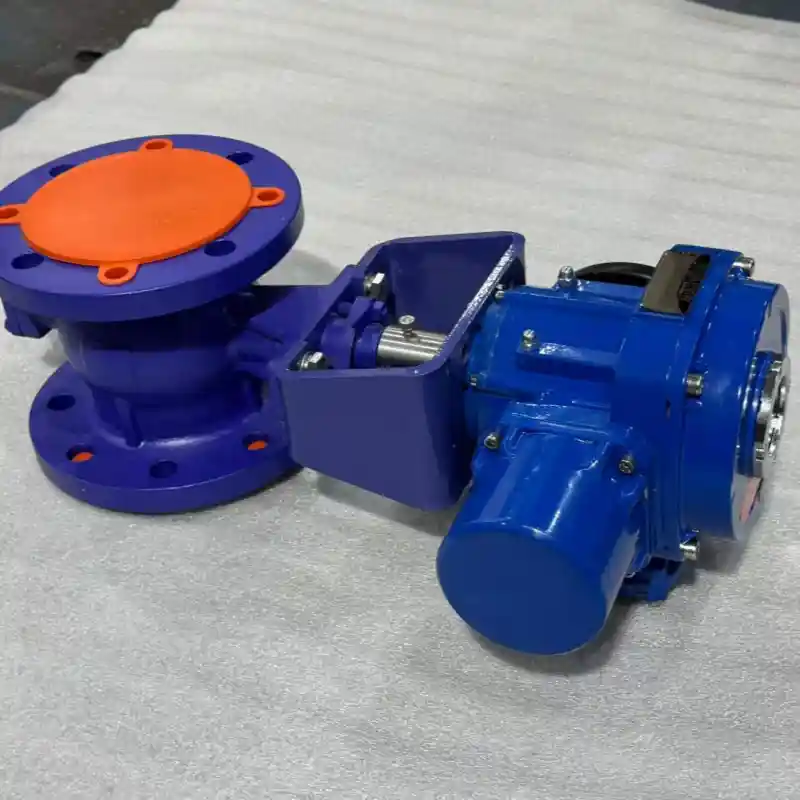
At the PT. Perkebunan Nusantara X plantation in East Java, the field irrigation system comprises approximately 240 take‑off points along branch lines. An initial design proposal called for electrically actuated ball valves to enable remote control from a central control room. However, a cost comparison quickly ruled this out: the unit price of an electric valve was about 3.2 times that of a manual valve, putting the total valve procurement alone above US$150,000, with an additional 18 km of power and control cabling required.

During the 2019 expansion, all take‑off points were instead fitted with DN80 to DN150 hand ball valves. Local irrigation workers operate them manually on site. Installation was straightforward—each point needed only one pipefitter and one assistant, with no electricians or instrument technicians involved. Project lead M. Irfan noted in his summary: “The procurement cost of the manual ball valves was just 31 % of the electric solution, and we saved 45 days in installation time. Moreover, we avoid the daily maintenance burden of over 200 electric actuators. Over four years of operation, the cumulative cost is at least 68 % lower than the motorised alternative.” This case clearly demonstrates the significant economic advantage of hand ball valves in widely distributed, large‑diameter, multi‑node applications.

Selection Guidelines

When choosing a hand ball valve, pay special attention to the following three aspects:

  1. Operating torque versus human capability – For sizes up to DN80 and Class 150, the opening/closing torque typically falls within 50–80 N·m, which an average adult can handle with one hand. Above DN100 or Class 300, a gearbox with handwheel is strongly recommended; otherwise, operation becomes strenuous and accelerates wear on the handle and stem.

  2. Handle type matching service conditions – For insulated lines, choose an extended lever (stem length ≥150 mm) to clear the insulation thickness. For deep‑well installations, an extension‑stem operating mechanism is needed. Where anti‑tampering is required, select a lockable handle.

  3. Handle position and flow direction marking – Even for manual operation, always verify that the handle’s open/closed indication (parallel/perpendicular) agrees with the flow‑direction arrow on the valve body. This prevents misjudgement of the valve status during emergencies.