As a key component in large-diameter pipeline systems, the 16 inch ball valve plays a critical role in fluid control for petroleum and natural gas long-distance transmission pipelines and large chemical plants, undertaking essential shut-off and regulating functions.
Structure and Material Standards
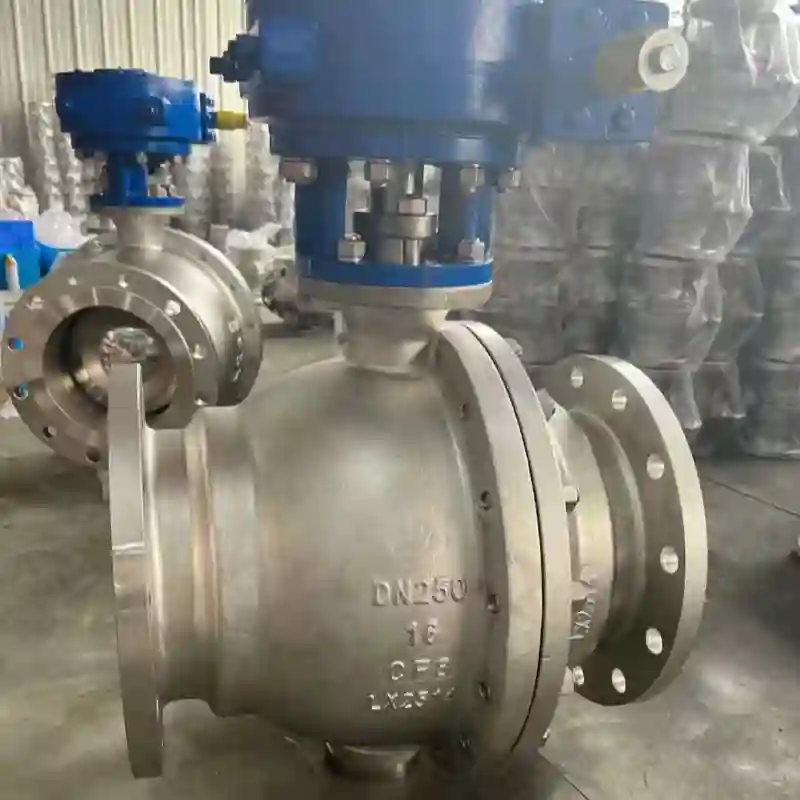
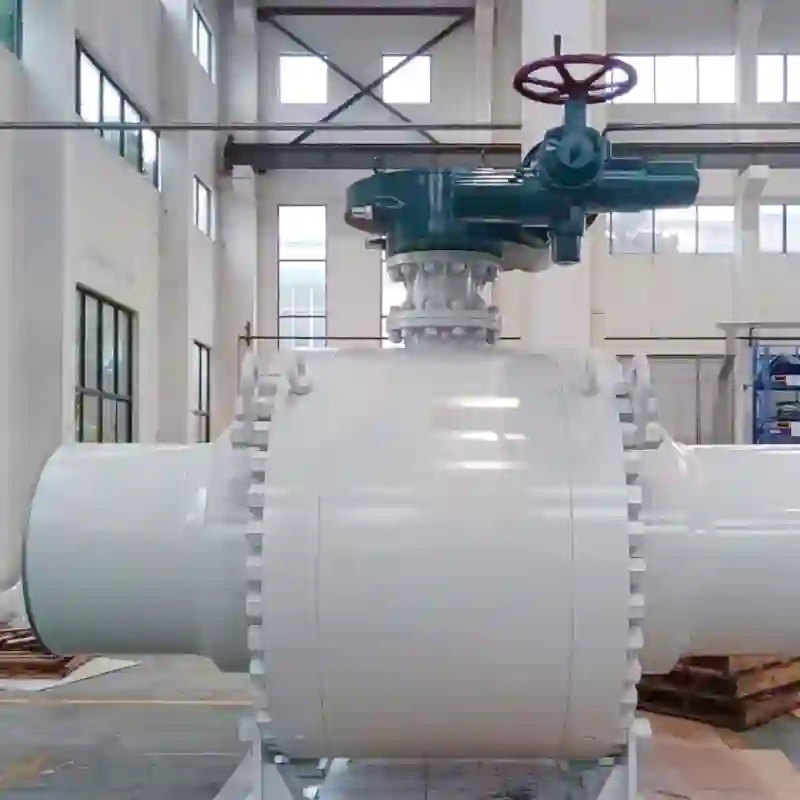
The 16-inch ball valve typically adopts a split-body or fully welded body structure to suit different operating pressures and installation environments.
The body material is mainly WCB carbon steel casting conforming to ASTM A216 standard. For corrosive media or low-temperature environments, CF8M (316 stainless steel) or LF2 low-temperature steel can be selected.
The ball and stem are made of precision-machined stainless steel to ensure smooth operating torque under high differential pressure.
For severe wear conditions, seat and sealing materials can be selected from reinforced PTFE or PPL, with fire-safe design added to ensure medium shut-off capability in emergency situations.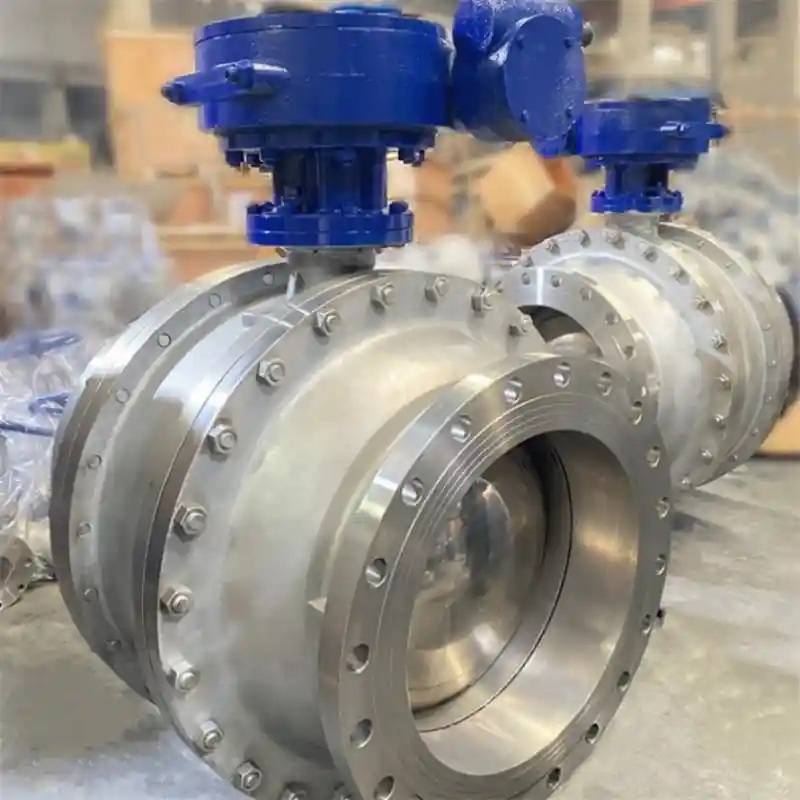
Key Specifications
Valves of this bore size are designed and manufactured primarily in accordance with ASME B16.34. Common pressure ratings cover Class 150 through Class 1500.
The 16 inch ball valve dimensions are the primary concern for users during pipeline layout design. Below are the Face-to-Face reference data for this bore size under different pressure classes (unit: mm):
Flange connection dimensions comply with ASME B16.5, and butt-weld (BW) connections are also available to meet high-pressure requirements.
Application Scenarios and Actuation Methods
The 16 inch ball valve is widely used in crude oil gathering and transportation, natural gas distribution stations, main long-distance transmission pipelines, and power plant circulating water systems.
Given its large bore size, manual operation cannot meet the demand for rapid on-off switching.
In practical engineering, this type of valve is often equipped with worm-gear operators, or alternatively, pneumatic actuated ball valve and electric actuated ball valve can be selected based on process requirements to enable remote automated control and emergency shutdown functions. For applications requiring precise flow regulation, the V-port ball valve can provide an approximately equal-percentage flow regulation characteristic.
Price and Selection Considerations
The 16 inch ball valve price is influenced by multiple factors, including body material (significant price difference between carbon steel and stainless steel), pressure rating (prices rise exponentially for Class 600 and above), and special requirements such as fire-safe, anti-static, or low-leakage sealing.
When making inquiries, purchasers should clearly specify the medium characteristics, operating frequency, and ambient temperature, so that suppliers can offer the most cost-effective configuration solutions.
Selecting a 16-inch ball valve that complies with API 6D, and referring to reliable 16 inch ball valve dimensions data, is the foundation for ensuring safe and leak-free operation of large pipeline systems.
For high-pressure or high-temperature conditions, it is recommended to prioritize the trunnion-mounted design to reduce operating torque and extend the service life of sealing components.