
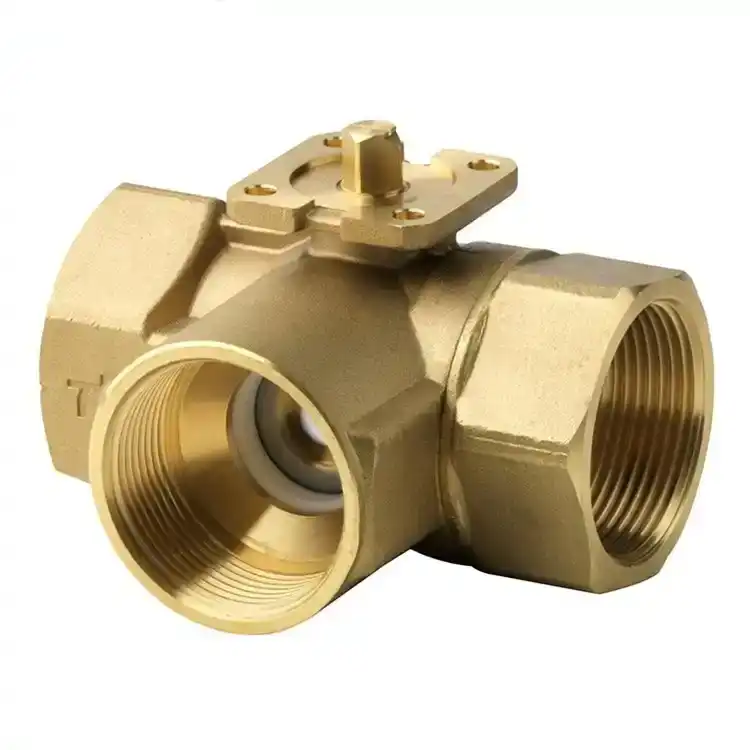
Brass Ball Valve with Drain – Integrated Shutoff & Drain for Piping Systems
Shop brass ball valve with drain for easy system draining & winterization. Integrated design reduces joint points & leakage risks. 1/4 turn shutoff with 1/4″ NPT drain port.
Description
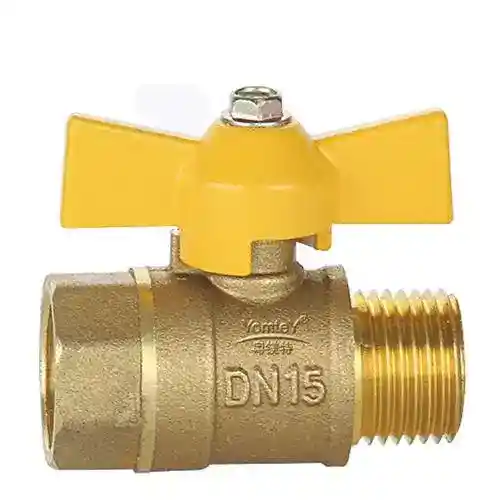
Facility managers frequently face practical challenges around safe, efficient line‑fluid evacuation for piping‑system servicing, repair work and seasonal winterization. The brass ball valve with drain integrates a standard quarter‑turn shut‑off ball valve and an independent drain port within one single body. Once upstream supply is isolated, residual media trapped in downstream piping can be vented out via the side drain connection. This single‑body unit delivers dual functions in one component. Compared with conventional multi‑part assemblies of “ball valve plus tee fitting plus separate drain valve”, it yields a more compact footprint and greatly improves service‑friendliness.
Fewer Connection Points: Mitigate Leak Risks and Cut Installation Expenses
Traditional draining solutions require three discrete components: a primary ball valve for shut‑off, a tee fitting to branch off the drain circuit, plus a dedicated drain valve. This setup creates a minimum of three separate hardware pieces and generates 5‑6 threaded or welded joints. Every joint represents a potential leak path, alongside extra installation labor and sealing‑material consumption.
The integrated‑body brass ball valve with drain merges shut‑off and drain features into one casting. Only two connection interfaces are required for full installation: one upstream inlet for supply piping, one downstream outlet for process lines, while the dedicated drain port serves for direct discharge or flexible‑hose hookup. This design reduces total joint count by over 60 % versus multi‑component assemblies.
Such savings become substantial for large‑scale projects demanding multiple drain points. For an irrigation system requiring 50 drain locations, conventional layouts would create roughly 250‑300 total joints, whereas integrated drain‑port ball valves bring that figure down to approximately 100 joints, eliminating 150‑200 prospective leak sources. This lowers on‑site construction costs, and more critically, reduces long‑term seepage hazards and routine maintenance workload across the whole piping network.
When selecting hardware, specifiers shall evaluate whether draining capability matches project requirements (ball valve with drain port or not). Versions with built‑in drain ports represent the preferred option for circuits subject to periodic servicing, seasonal draining or freeze protection; they streamline draining workflows and lower pipe‑burst risks in cold seasons.
Integrated Drain Port: Convenient Access for Servicing and Freeze Protection
Drain ports are machined on the valve side wall (bottom‑mounted for selected variants), normally supplied as 1/4‑inch NPT female thread or optional 3/8‑inch NPT female thread. The port sizing guarantees reasonable evacuation speed for trapped line water, while standard thread geometry enables simple attachment of discharge hoses or temporary vent piping.
Evacuation workflows remain straightforward: shut the main ball‑valve handle to isolate upstream supply, then actuate the drain fitting (typically an independent needle valve or compact ball valve). Gravity drives residual fluid inside downstream piping out through the drain port. Once draining completes, close the drain assembly. System service or winterization work finished, reopen the main ball valve to restore normal operation.
The brass ball valve with drain port also sees widespread deployment for water‑heater and boiler bottom blow‑down duties (ball valve with drain for water heater). Periodic opening of the drain outlet flushes away scale and sediment settled at equipment bottoms, extending equipment service life. Within compressed‑air installations (brass ball valve with drain for air compressor), these valves sit at low points of air receiver tanks or distribution lines to manually purge condensed moisture and safeguard downstream pneumatic hardware.
Fast Quarter‑Turn Shut‑off
The primary flow path adopts a 1/4 turn brass ball valve mechanism. A simple 90‑degree handle rotation achieves full upstream isolation, completing shut‑off action within one to two seconds for emergency shutdown or maintenance scenarios.
Material & Technical Specifications
The valve body is forged brass manufactured to ASTM B124 specifications, delivering reliable corrosion resistance and dezincification‑resistant properties. Reinforced PTFE sealing components preserve low operating torque and zero‑leak performance across long‑term cycles. Besides NPT threaded ends, brass ball valve with drain sweat sweat‑solder configurations are available for copper‑tube soldered installations.
| Item | Specification |
|---|---|
| Main Nominal Sizes | 1/2″, 3/4″, 1″ |
| Main End Connections | NPT Female Thread / FIP / Sweat (optional) |
| Drain Port Spec | 1/4″ NPT Female Thread (standard) / 3/8″ NPT Female Thread (optional) |
| Drain Port Position | Side / Bottom (selected models) |
| Drain Operation | Independent needle valve or compact ball valve |
| Pressure Rating | 600 WOG |
| Flow Path | Full Port |
| Operating Temperature | ‑20 °F to 250 °F |
| Body Material | Forged Brass, ASTM B124 |
| Seat Seal | Reinforced PTFE |
| Handle Type | Galvanized‑steel handle, 1/4‑turn operation |
Typical Application Scenarios
‑ Low‑point draining and line evacuation for general piping networks
‑ Bottom blow‑down for water heaters, boilers and storage tanks (ball valve with drain for water heater)
‑ Condensate discharge within compressed‑air circuits (brass ball valve with drain for air compressor)
‑ Fire‑protection system line venting and service‑related draining
‑ Winter freeze‑protection draining for irrigation infrastructures
‑ Sediment purging at the base of water tanks and storage vessels
‑ Residual‑media depressurization and discharge for isolated piping sections during repair work
Field Project Reference
This winterization retrofit project targets underground irrigation mains within a residential community in Denver, USA. Site operators must fully evacuate trapped water from buried irrigation piping before winter to prevent pipe bursting caused by frozen fluid. The original design only fitted one drain fitting at pipeline endpoints, while residual water trapped within intermediate pipe segments could not be fully removed. Every winter, local pipe segments fractured due to ice expansion, triggering multiple leak points when irrigation systems restarted each spring, with repair‑related costs rising year‑over‑year.
Property management intended to add extra drain stations at every pipeline low‑point. Since main pipes were already buried underground, installing traditional “ball valve + tee + drain valve” assemblies would require large‑scale excavation to accommodate three separate components and multiple joints. After evaluating alternative solutions, the property maintenance team selected CHCV‑supplied brass ball valve with drain. Thanks to its integrated drain‑port layout, each drain station only required two pipe joints, and full assembly could take place inside existing valve boxes without extensive digging, sharply cutting construction expense and ground‑restoration workload.
After retrofitting, integrated drain‑port brass ball valves were installed at all main‑line low‑points. For annual winter‑preparation routines, technicians simply close the main ball valve to cut upstream supply and open the drain port to empty target pipe segments. Two consecutive winter operating cycles have passed without reported freeze‑burst or leakage failures on the upgraded irrigation network.
As summarized within the community property‑management service records: “Ball valves with integrated drain ports resolve our long‑standing winter‑drainage pain points with simplified assembly. They minimize excavation‑inflicted damage to community landscaping and road surfaces, while making routine draining operations far more practical for on‑site staff.”