
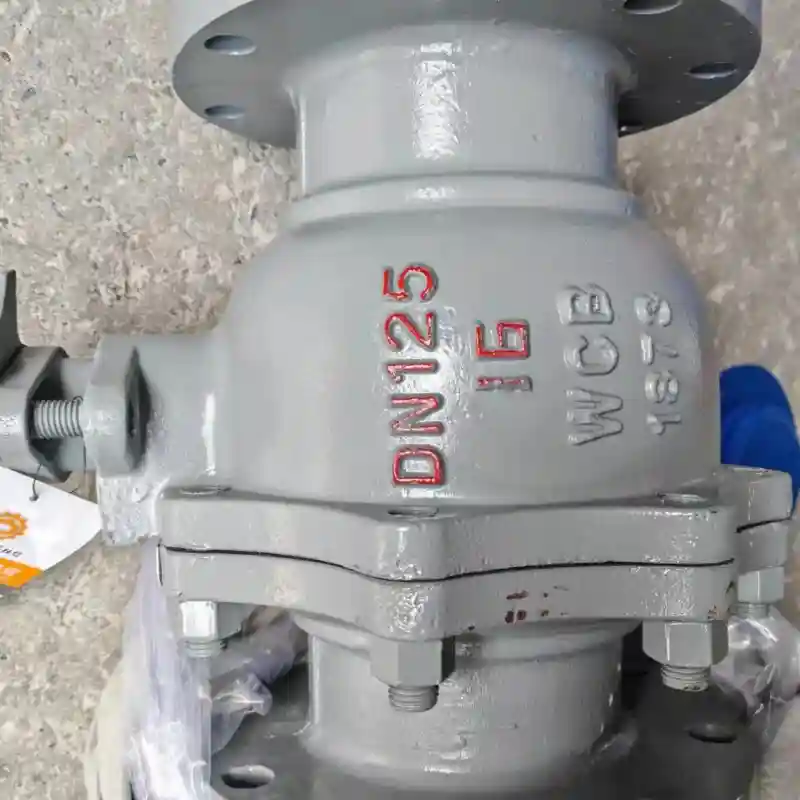
Brass Body Ball Valve – Full Port Threaded for Water & Air Systems
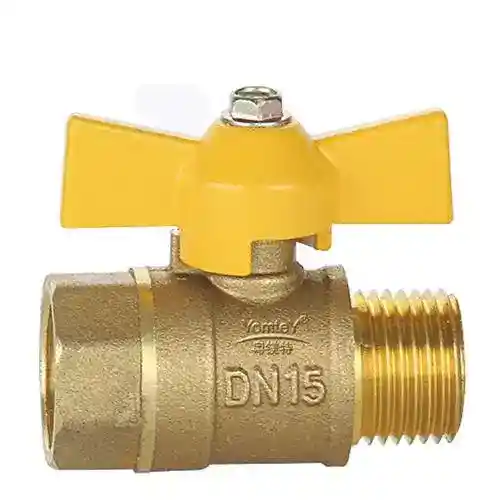
Brass body ball valve with full port design, threaded NPT/BSP ends. Lead-free CW617N brass, PTFE seats, 600 PSI WOG. NSF/ANSI 61 certified for potable water. Ideal for HVAC, water supply, and compressed air systems.
Description
A brass body ball valve is a 2‑way or 3‑way ball valve constructed with brass valve bodies. Quarter‑turn rotation of its internal ball enables fluid shut‑off, opening or flow‑path diversion within piping circuits. Manufactured from CW617N or C37700 brass, these valves exhibit favourable mechanical strength, machinability and corrosion resistance.
Offering cost advantages over stainless‑steel alternatives, they are widely adopted within HVAC water circuits, potable‑water supply lines, compressed‑air networks and general‑purpose industrial cooling loops.
Its primary merits compared with cast‑iron and carbon‑steel valves lie in brass’s good resistance to dissolved oxygen and mineral constituents present in circulating water.
It avoids rust‑induced water contamination and mechanical sticking during valve actuation. Relative to stainless‑steel ball valves, brass body ball valves deliver an economical solution with compelling cost‑performance for standard‑service water, gas and oil applications.
Corrosion‑Resistant Properties of Brass Construction
The reliable corrosion performance of brass body ball valves arises from the material’s intrinsic characteristics:
- Resistance to water‑system corrosion: As a copper‑zinc alloy, brass withstands dissolved oxygen and mineral content in process water. Unlike carbon‑steel or cast‑iron valves, brass hardware resists internal rusting that causes sticking or seal degradation. It also prevents reddish‑brown “rusty‑water” discoloration triggered by iron‑oxide leaching.
- Compatibility with common water‑treatment additives: Brass demonstrates good chemical tolerance toward typical HVAC water‑system additives, including corrosion inhibitors, biocides, and antifreeze agents such as ethylene‑glycol and propylene‑glycol, as well as residual chlorine found in drinking‑water supplies.
- Lead‑free / low‑lead compliance: For potable‑water service, lead‑free brass grades (lead content ≤0.25 %) are available, complying with NSF/ANSI 61 and NSF/ANSI 372 standards to prevent hazardous metallic leaching into drinking‑water streams.
- Enhanced surface finishes: Nickel‑plated surface treatment can be specified to further boost surface corrosion resistance and wear performance.
Valve Body Specifications and Parameters
| Parameter | Specification Details |
|---|---|
| Nominal Size | 1/4″ ~ 2″ (DN8 ~ DN50) |
| End Connection | NPT thread / BSP thread / Flange (ANSI Class 150) |
| Pressure Rating | 600 PSI WOG / 300 PSI Steam |
| Temperature Range | -20°C ~ 180°C (PTFE seat) |
| Flow‑Path Type | 2‑way (on‑off) / 3‑way (L‑Port / T‑Port) |
| Body Material | CW617N brass (standard) / Lead‑free brass (potable‑water grade) |
| Ball Material | Chrome‑plated brass / SS304 / SS316 stainless steel |
| Seat Material | Reinforced PTFE |
| Surface Finish | Raw brass / Nickel‑plated |
| Operation Method | Manual lockable lever / Pneumatic actuator / Electric actuator |
| Certifications | NSF/ANSI 61 (lead‑free variant) / AGA/CSA (gas‑service option) |
Typical Application Scenarios
Brass body ball valves are extensively deployed across industrial and building‑services environments:
- HVAC and building water systems: Control hot‑ and chilled‑water supply‑return circuits for fan‑coil units and air‑handling units. Excellent circulating‑water corrosion resistance makes brass the mainstream material choice for HVAC water‑loop applications.
- Potable‑water supply systems: Cold‑ and hot‑water regulation plus zone isolation within residential and commercial buildings. Lead‑free brass variants satisfy NSF/ANSI 61 drinking‑water requirements.
- Compressed‑air installations: Branch distribution and isolation duties for shop‑floor compressed‑air piping. Robust pressure capability suits operating conditions ranging from 150‑300 PSI.
- General‑purpose industrial cooling water: Inlet‑outlet control for small‑scale cooling towers, heat exchangers and air‑compressor cooling loops.
- Pneumatic control circuits: Supply‑line isolation and branch‑point regulation for pneumatic actuator feed piping.
- Irrigation and horticulture: Automated zone‑control valves for commercial irrigation and greenhouse growing operations.
Field Application Reference
Case 1 covers the HVAC‑system retrofit project at Willis Tower in Chicago, managed by JLL. This iconic Chicago super‑tall building underwent a large‑scale energy‑saving HVAC modernisation in 2018. The upgrade included mass replacement of supply‑return control valves serving fan‑coil and air‑handling equipment.
The legacy cast‑iron valves suffered severe internal rust from prolonged exposure to circulating water, leading to sticking actuation and seal failure. Rust debris travelled downstream, fouling coil heat‑exchange surfaces and degrading air‑conditioning performance.
CHCV brass body ball valves were selected for this retrofit, featuring brass bodies, full‑port bore, NPT threaded ends and PTFE seats. The brass alloy resists corrosion triggered by dissolved oxygen and water‑borne minerals, eliminating rust‑related water contamination and preserving long‑term cleanliness of terminal heat‑exchange coils.
Following completion of the retrofit, water quality within the building HVAC loops improved substantially. Service calls for clogged terminal coils dropped sharply, and valve operation remained consistently smooth without mechanical binding.
More than six years into service, these brass valves exhibit no signs of corrosion or sticking. Site maintenance teams reported: “After switching to brass‑body ball valves, valve‑related maintenance on terminal equipment has been reduced almost to zero.”
Quality Assurance
CHCV brass body ball valves are manufactured and tested in accordance with ASME B16.34 and ISO 9001 quality‑management protocols. Lead‑free brass variants hold NSF/ANSI 61 (health‑effects for drinking‑water‑system components) and NSF/ANSI 372 (lead‑free) certifications.
Every unit undergoes 100 % hydrostatic shell‑strength testing and bi‑directional seat‑tightness inspection per API 598. Full material traceability certificates and test reports are supplied with each order.