
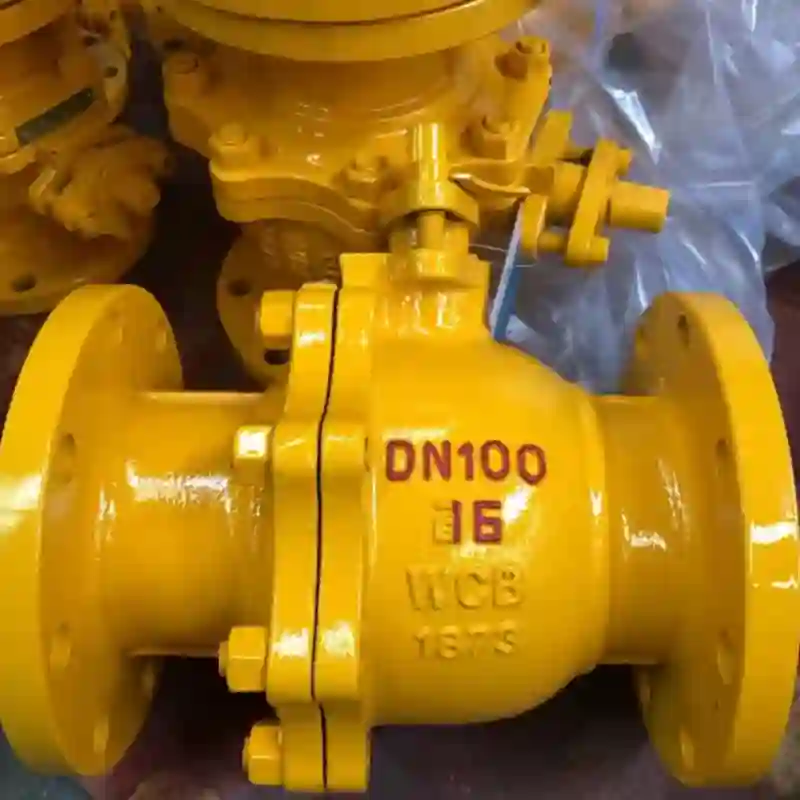
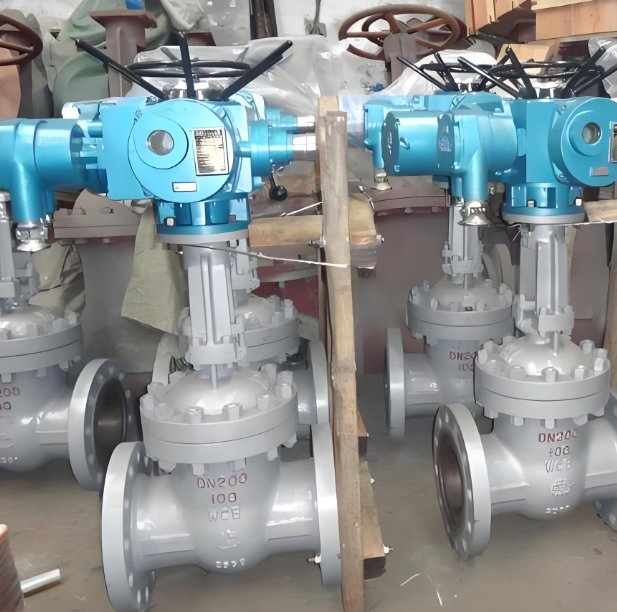
Ductile Iron Ball Valve for Water Treatment and Corrosive Raw Water Service
Ductile iron ball valve with FBE coating resists corrosive raw water. Used in Air Selangor SSP2 WTP. DN400-DN600, long service life. Ideal for waterworks. Inquiry now.
Description
In municipal water supply, raw water transmission, and wastewater treatment, valves are constantly exposed to aggressive media, soil corrosion, and pressure surges. The ductile iron ball valve (also known as SG iron or nodular cast iron valve) addresses these challenges with a body made from spheroidal graphite iron.
This material offers a combination of high strength and good toughness, thanks to its nodular graphite structure, and when paired with advanced anti‑corrosion coatings, it significantly outperforms grey cast iron and ordinary carbon steel in service life under waterworks conditions.
Functions and Material Benefits
The primary role of a ductile iron ball valve is to act as a reliable shut‑off device for isolating flow during maintenance, system switching, or emergency situations. Its material advantages are threefold:
-
Superior mechanical properties – With a tensile strength of at least 420 MPa and elongation of 10 % or more (ASTM A536 Grade 65‑45‑12), ductile iron withstands water hammer shocks and ground settlement‑induced pipe displacements much better than grey cast iron.
-
Excellent coating adhesion – The fine, uniformly distributed graphite nodules provide an ideal surface profile for coatings, allowing fusion‑bonded epoxy (FBE) or coal‑tar epoxy to adhere more firmly and with lower porosity.
-
Enhanced corrosion resistance – In mildly acidic raw water (pH 5.5–6.5) or water containing dissolved minerals, ductile iron with an FBE lining outlasts uncoated carbon steel, while remaining considerably more cost‑effective than stainless steel alternatives.
Specifications and Coating Systems
| Parameter | Technical Data |
|---|---|
| Nominal Diameter (DN) | DN50 – DN1200 (2″ – 48″) |
| Pressure Rating | PN10 – PN25 / Class 150 – Class 300 |
| Body Material | Ductile Iron (ASTM A536 65‑45‑12 / ISO 1083 JS/500‑7) |
| Ball Material | Stainless Steel 304/316 or Ni/Cr‑plated Ductile Iron |
| Seat Material | Reinforced PTFE / NBR / Polyurethane |
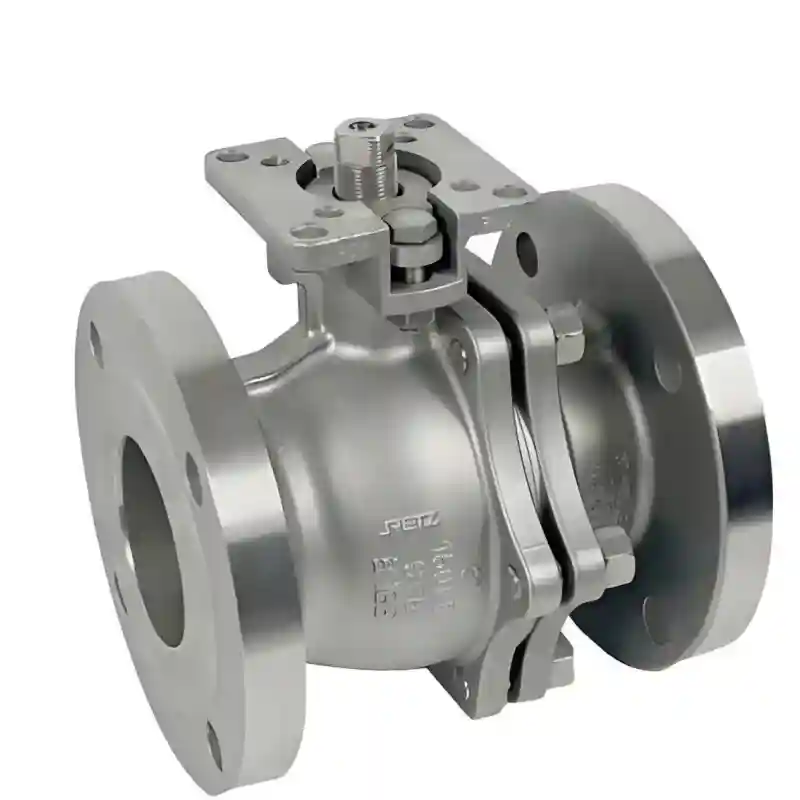
| End Connections | Flanged (RF/FF), Mechanical Joint (MJ), Socket Weld |
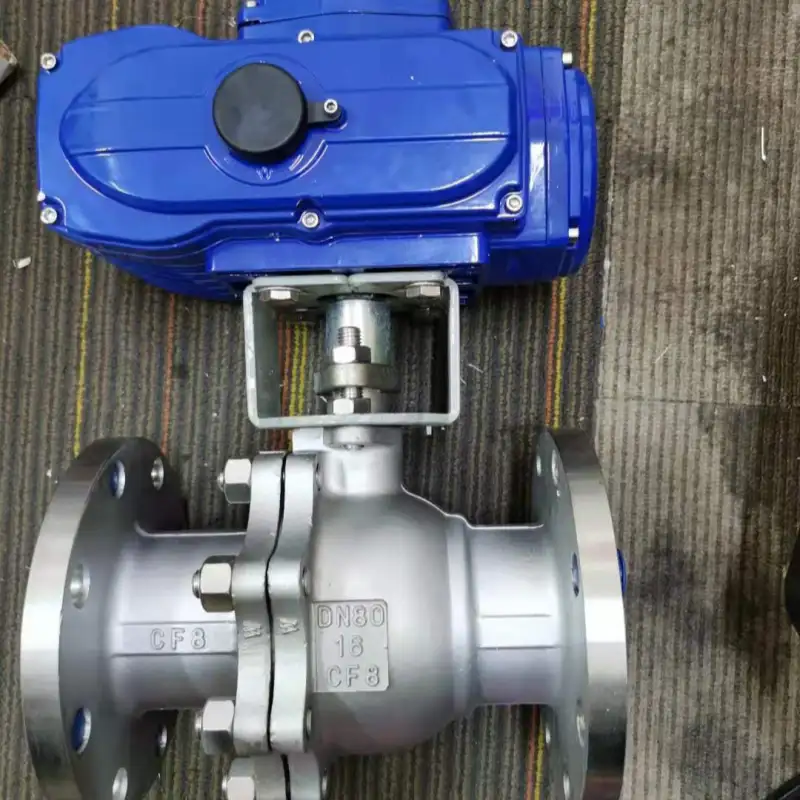
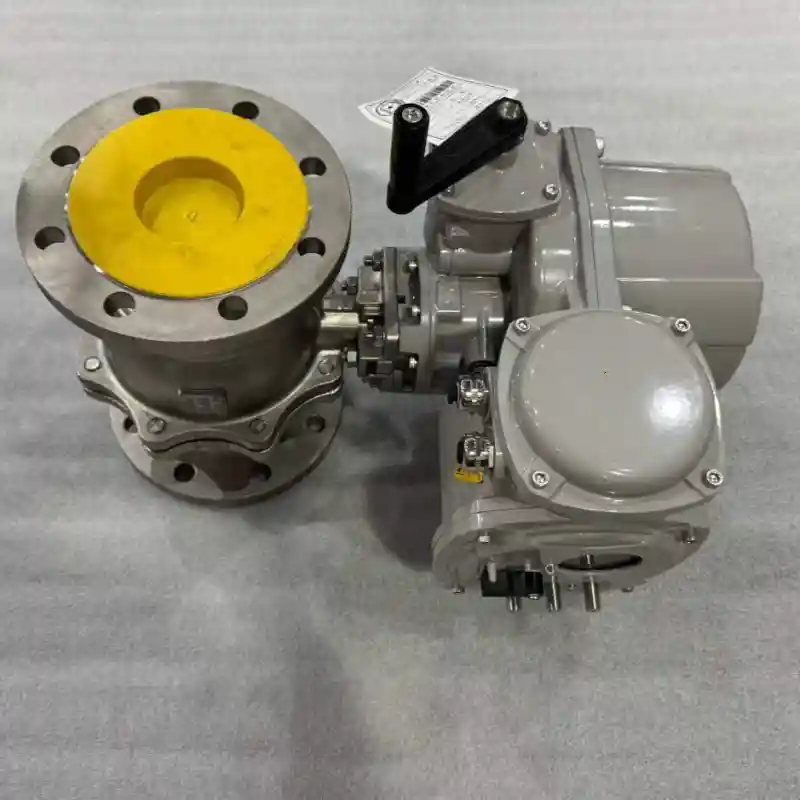
| Actuation | Manual Gearbox, Electric, Pneumatic, or Hydraulic‑pneumatic |
| Design Standards | AWWA C507 / EN 1074 / ISO 17292 |
| Internal Coating | Fusion‑Bonded Epoxy (FBE), thickness ≥250 μm (potable water certified) |
| External Coating | FBE + Polyurethane topcoat / 3‑layer PE (for buried service) |
| Applicable Media | Raw water, clean water, wastewater, mildly acidic water, seawater (with coating) |
| Temperature Range | –10 °C to 80 °C (standard version) |
Typical Applications
-
Raw water pump stations and inlet/outlet mains at water treatment plants
-
Sectional isolation and flow distribution in municipal distribution networks
-
Inlet/outlet lines and sludge piping in wastewater treatment facilities
-
Industrial recirculating cooling water systems
-
Fire‑protection supply networks
-
Buried transmission pipelines (with 3‑layer PE external coating)
Field Case: Sungai Selangor Phase 2 (SSP2) Water Treatment Plant, Malaysia
During a refurbishment project at Air Selangor’s SSP2 plant, the facility originally used grey cast iron valves. However, the raw water had a mildly acidic pH (5.8–6.5) and contained elevated levels of dissolved minerals, which caused internal corrosion and graphitisation after 5–7 years of service. This led to sealing surface damage and reduced body strength. In 2018, the plant replaced all DN400 to DN600 valves in the chemical dosing and sedimentation tank areas with ductile iron ball valves, featuring a minimum 250 μm FBE internal/external coating.
After five years of continuous operation, inspection reports revealed that the internal coating remained intact with no peeling, the flow paths stayed smooth, and only minor normal wear appeared on the sealing surfaces—no corrosion was found on the valve bodies. Air Selangor’s asset management team concluded that the expected service life of these ductile iron valves is more than double that of the original grey iron units, with no need for interim coating repairs or body replacements.
Selection Guidelines
When choosing a ductile iron ball valve, pay special attention to the following three aspects:
-
Coating quality is the decisive factor for corrosion life – For potable water services, the FBE lining must carry NSF/ANSI 61 or WRAS certification and have a thickness of at least 250 μm. For buried pipelines, specify 3‑layer PE or coal‑tar epoxy with cathodic protection for external anti‑corrosion.
-
Ball material selection – For abrasive raw water or wastewater containing sand, choose a stainless steel ball (304 or 316) with surface hardening to prevent scoring that could compromise sealing. For clean water applications, a nickel/chrome‑plated ductile iron ball offers a more economical option.
-
Pressure class matching – Ductile iron ball valves are typically rated PN10–PN25 and are not suitable for Class 600 or higher. For high‑pressure, large‑diameter shut‑off, forged or cast steel valves should be considered instead.