
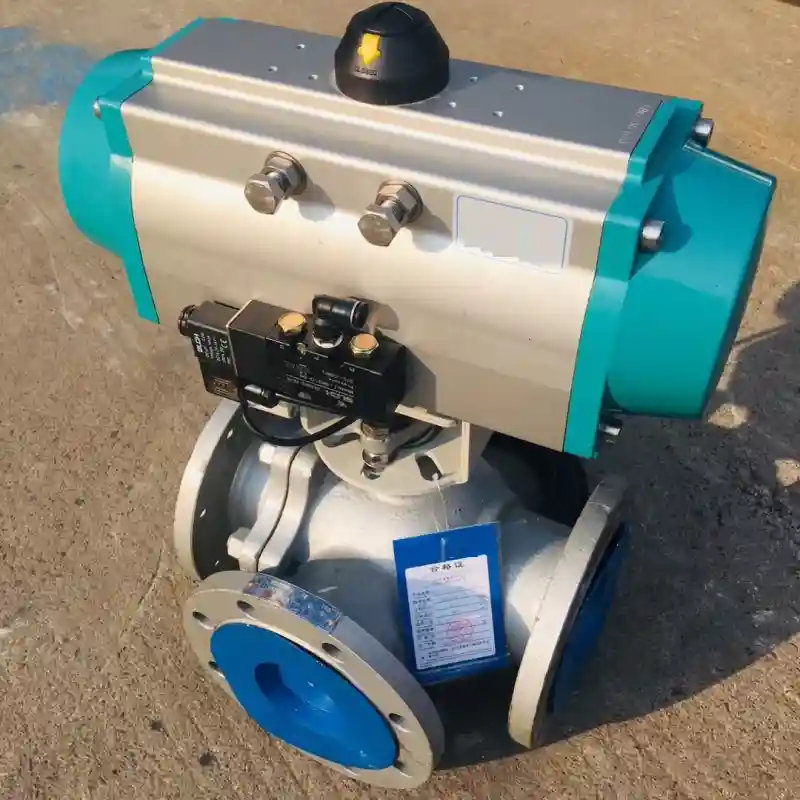
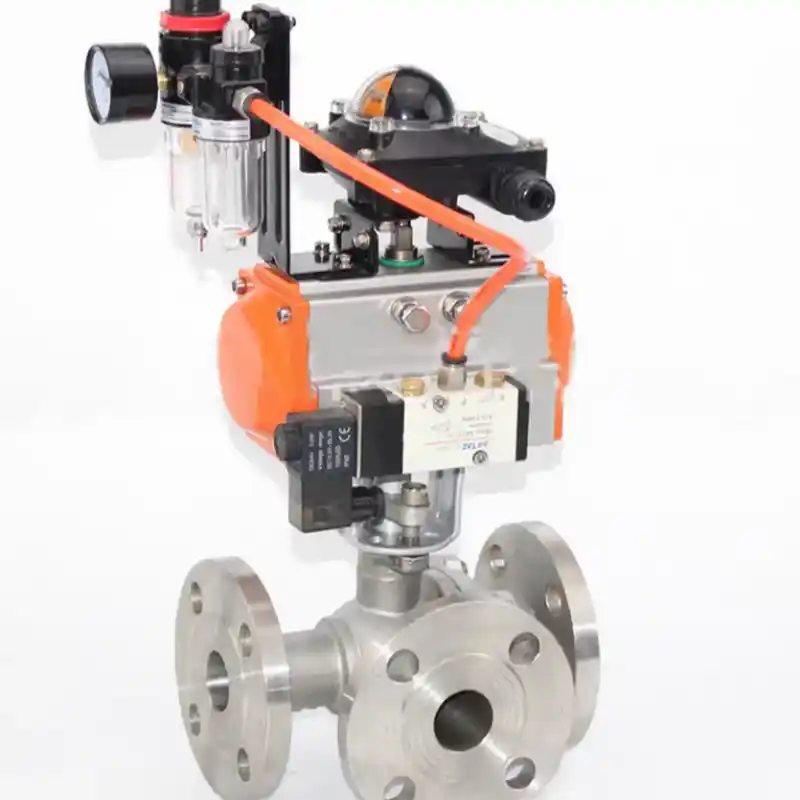
Electric or Pneumatic Actuated Ball Valve for Remote Control
Discover electric or pneumatic actuated ball valves for remote automation and ESD. Fast response, zero leakage, suitable for oil, gas, water, and chemical processing.
Description
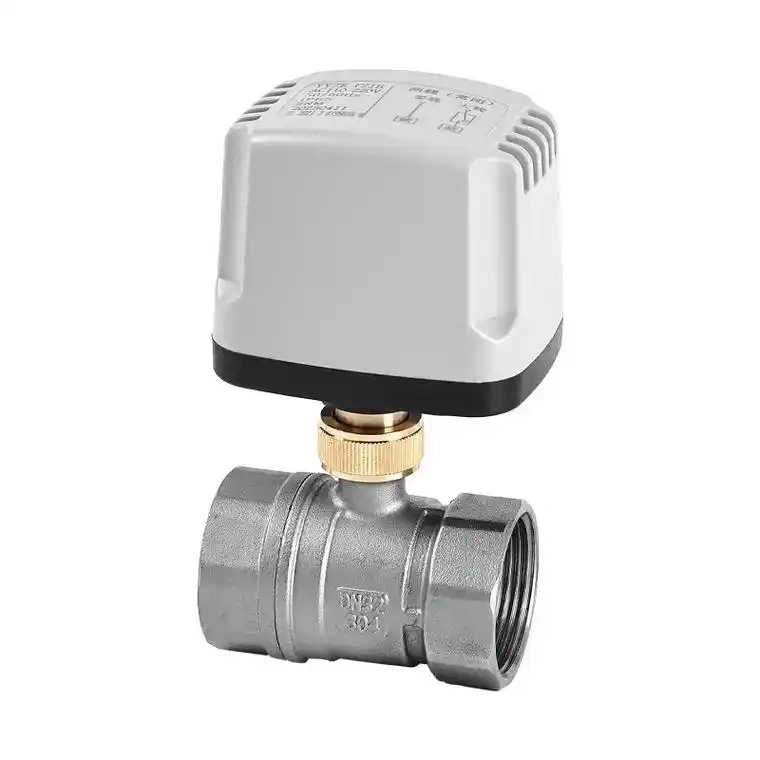
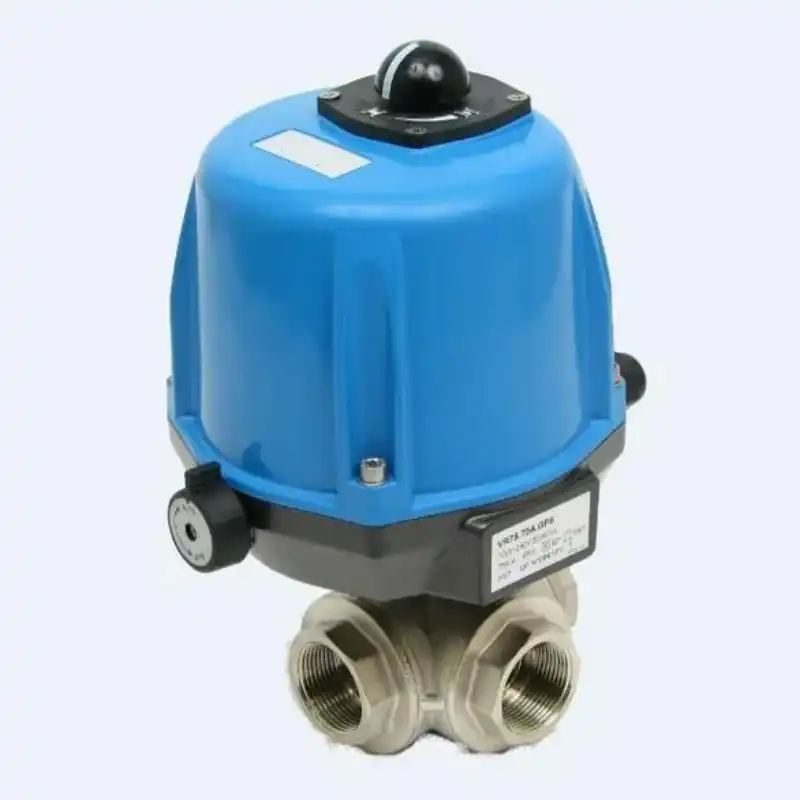
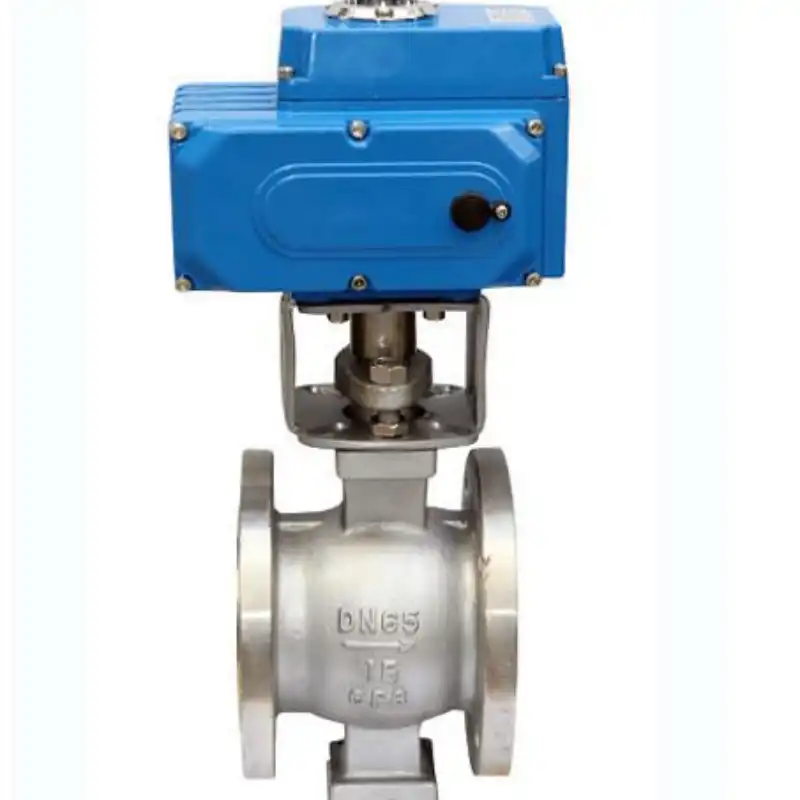
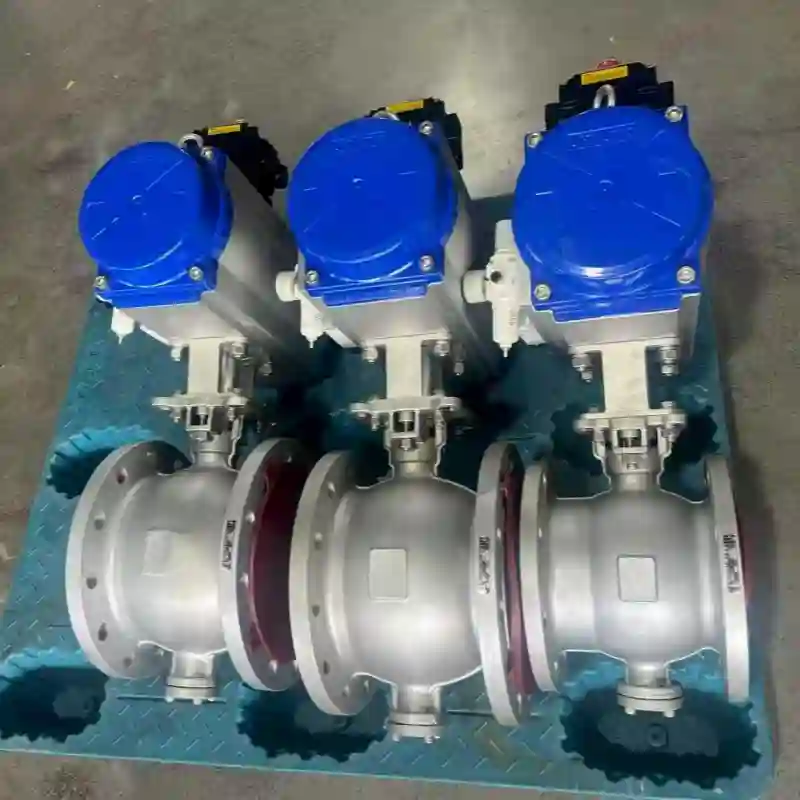
Electric or Pneumatic Actuated Ball Valves serve as critical final control elements within industrial process‑automation systems. Assembled by pairing electric or pneumatic actuators with ball valve bodies, they receive control signals from DCS, PLC or SCADA platforms to rotate the ball through 90‑degree travel. This enables remote on‑off operation, sequence‑driven modulation and emergency shutdown for pipeline media including oil, gas, water, steam and diverse chemical fluids.
Within modern manufacturing facilities, manual on‑site valve operation brings low operational efficiency while posing substantial safety risks under high‑temperature, high‑pressure, toxic or explosive working conditions. Electric or Pneumatic Actuated Ball Valves resolve such pain points effectively. Operators can complete remote valve switching from central control rooms, and trigger emergency shutdown within milliseconds, greatly boosting plant automation and intrinsic safety performance.
Selection should take respective strengths of electric and pneumatic variants into account. Electric Actuated Ball Valve requires no air supply piping and features flexible installation, ideal for widely‑distributed valve points. Battery or UPS power supply options are available to secure fail‑safe positions upon power loss. By contrast, Pneumatic Actuated Ball Valve delivers fast stroke speed and high output thrust with built‑in explosion‑proof capability. It fits hazardous zones and ESD emergency shutdown scenarios demanding rapid response.
Core Technical Advantages (Why Actuated Ball Valves?)
Compared with conventional manual ball valves and electric butterfly valves, Electric or Pneumatic Actuated Ball Valves deliver prominent benefits:
- Automation & remote monitoring: Compatible with 4‑20 mA analog signals plus fieldbus protocols including Modbus, Profibus and HART. Seamless integration into smart‑factory infrastructure supports real‑time valve status feedback and remote scheduling.
- Fast stroke and emergency shutdown: Pneumatic actuators achieve full‑stroke closure within 0.5‑5 seconds, while electric counterparts complete travel in 5‑30 seconds. Linked with ESD safety interlock systems, they execute automatic shutdown in milliseconds during fire events or pipeline rupture incidents.
- Bubble‑tight sealing: Precise contact between ball and PTFE / metal seat achieves ANSI/FCI 70‑2 Class VI bubble‑tight shut‑off. Suited for highly toxic, high‑value and environmentally hazardous media to satisfy stringent fugitive‑emission standards.
- Broad application coverage: Two structural options are available: floating ball valve for medium‑low pressure service and trunnion mounted ball valve for high‑pressure, large‑diameter applications. Nominal sizes range from DN15 to DN600 with pressure ratings up to Class 2500.
Product Specifications
| Parameter | Specification |
|---|---|
| Valve Type | 2‑Way Floating / Trunnion Mounted Ball Valve |
| Actuator Type | Electric Actuator / Pneumatic Actuator(ISO 5211 mounting pad) |
| Nominal Size | DN15 ~ DN600(1/2″ ~ 24″) |
| Pressure Rating | PN16 ~ PN420(Class 150 ~ Class 2500) |
| Body Material | WCB(Carbon Steel), CF8/CF8M(Stainless Steel 304/316), Duplex |
| End Connection | Flanged(RF, RTJ), Threaded(NPT, BSP), Socket Weld, Butt Weld |
| Operating Temperature | -40°C ~ +350°C(Subject to seal material) |
| Power / Air Supply | 24V DC, 110V AC, 220V AC / 3~8 bar(Pneumatic) |
| Explosion‑proof Rating | Ex d IIB T4 / Ex ia IIB T6(Optional) |
| Seat Shut‑off Class | ANSI/FCI 70‑2 Class VI(Bubble‑tight sealing) |
Typical Applications & Case Study
Electric or Pneumatic Actuated Ball Valves are widely adopted as standard remote‑control hardware across oil‑and‑gas, refining‑chemical, long‑distance pipeline, water‑treatment and power‑generation industries.
Project Reference Take the shale‑gas gathering network in the Permian Basin, Texas, USA. Hundreds of unmanned shale‑gas wells are deployed across this field. Baker Hughes incorporated pneumatic actuated ball valve for oil and gas onto well‑head gathering pipelines for every well site. Tied into the SCADA infrastructure, these valves permit remote manipulation and automatic switching from control centres. Once pipeline pressure drop or fire alarms are detected, the ESD interlock activates and closes valves within 0.5‑2 seconds to stop gas leakage. After commissioning, on‑site inspection labour dropped by 70 %, emergency‑response time was shortened from hours to seconds, enabling safe, unattended shale‑gas production. Moreover, electric actuated ball valve for pipeline ESD was fitted on key headers and metering skids as redundant safety shut‑down hardware, guaranteeing valve closure even under extreme conditions such as instrument‑air failure.
FAQs for Overseas Buyers
Q1: How do I choose between Electric Actuated Ball Valve and Pneumatic Actuated Ball Valve? A: Decisions rest on site infrastructure and control requirements. Where stable instrument air is accessible and rapid stroke such as ESD emergency shutdown is needed, Pneumatic Actuated Ball Valve is recommended. It completes stroke within 0.5‑2 seconds with natural explosion‑proof performance suitable for Zone 1/2 hazardous locations. If instrument air is unavailable or valves scatter over wide areas, select Electric Actuated Ball Valve. It installs easily without air piping, supports UPS‑backed fail‑safe functions and applies to Zone 2 or non‑hazardous environments.
Q2: Can actuated ball valves shift to predefined safe positions upon loss of power or air supply? A: Yes. Pneumatic Actuated Ball Valve can be configured with spring‑return single‑acting actuators, forcing valves to pre‑set fully‑open or fully‑closed fail‑safe (FC/FO) positions when instrument air is lost. For Electric Actuated Ball Valve, integrated supercapacitor or battery modules deliver one or multiple stroke cycles during mains power failure, ensuring safe valve opening or closing and complying with SIL 2/SIL 3 safety‑integrity‑level criteria.
Why Select Our Electric or Pneumatic Actuated Ball Valves?
We deliver high‑reliability, long‑service‑life automated valve solutions for global clients. All units are engineered and manufactured in compliance with API 6D, ISO 5211 and IEC 61508, undergoing 100 % hydrostatic test, tightness inspection and SIL functional‑safety certification. Whether your process handles high‑temperature high‑pressure steam, corrosive chemicals or flammable‑explosive hydrocarbons, we provide custom‑tailored selection packages for Electric or Pneumatic Actuated Ball Valves.