
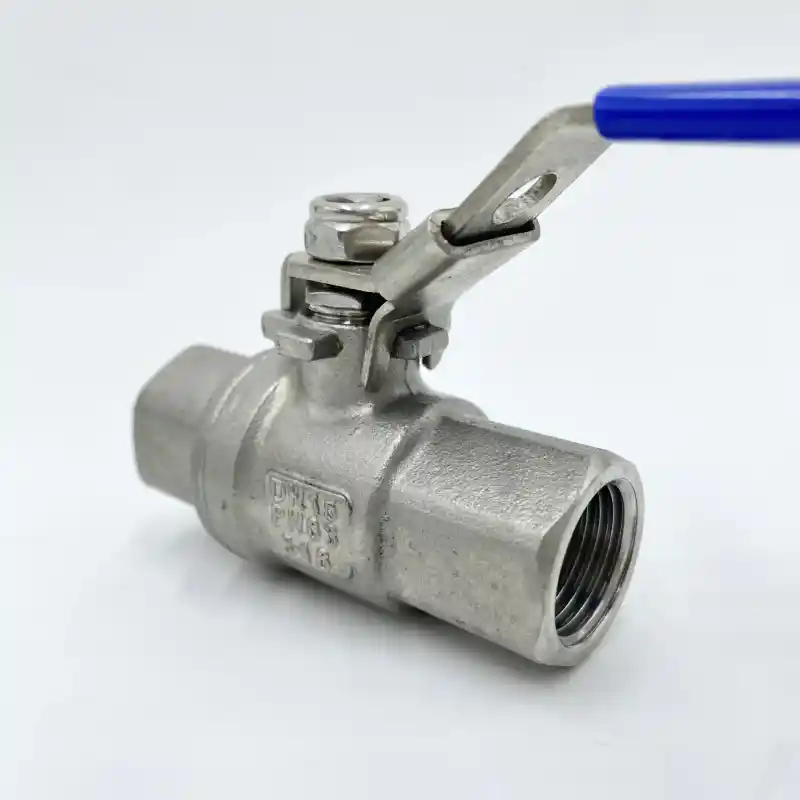
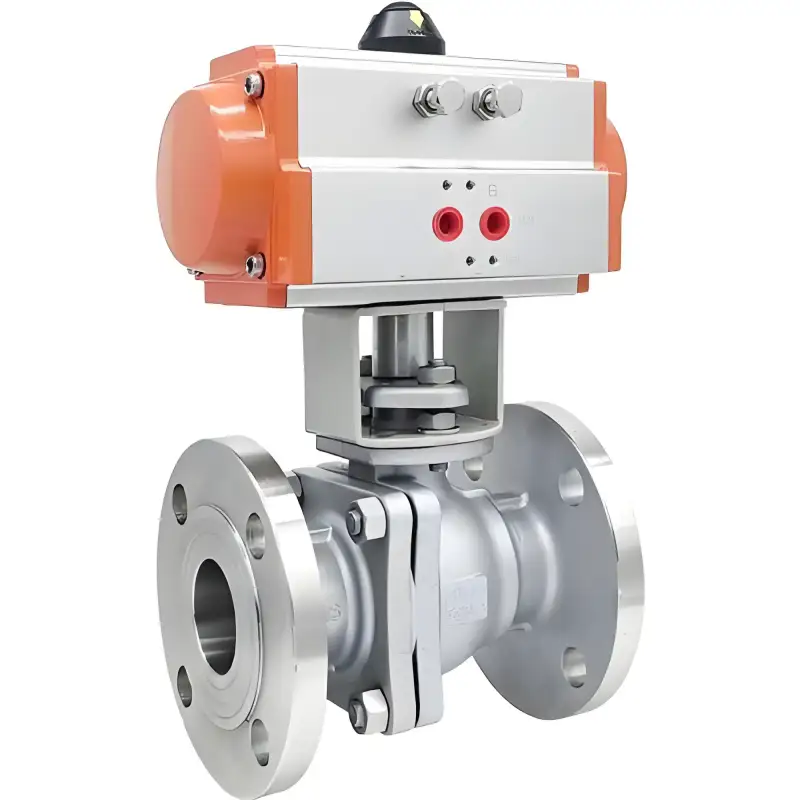
Full Flow Ball Valve for Large-Diameter Low-Pressure Pump Discharge Pipelines
Full flow ball valve eliminates pressure drop in low-head pumping stations. Used in Jiaxing WWTP upgrade. DN500, measured pressure loss below 0.3m. Energy-saving. Inquiry now.
Description
In municipal water‑supply, wastewater‑treatment and industrial circulating‑water systems, local resistance within pump‑discharge piping directly governs actual head utilization and long‑term power consumption of pump units.
The full flow ball valve features a ball bore matching the pipeline inner diameter when fully open. Fluid passing through undergoes no flow contraction turbulence or abrupt section changes, pushing local head loss across the valve close to theoretical minimum values. This makes it the optimum shut‑off hardware for low‑head, high‑flow‑rate service.
Functions and Working Principle
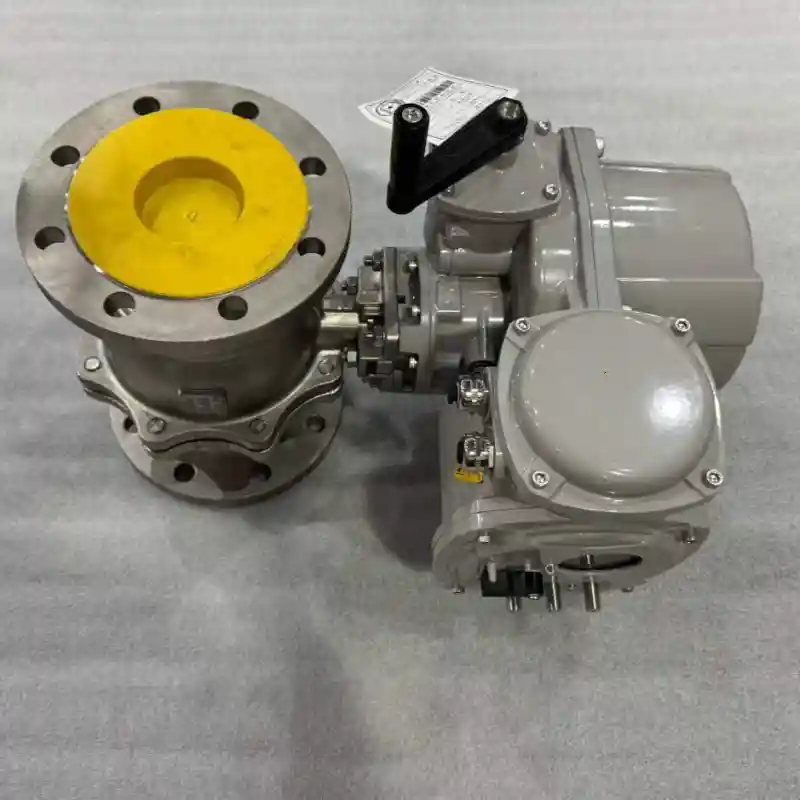
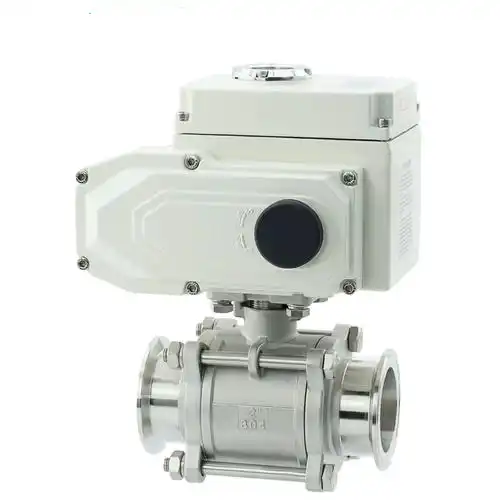
Full flow ball valves deliver dependable shut‑off and line connection duties in downstream pump piping and main distribution networks. Its operating principle is straightforward: the ball incorporates a straight circular through‑bore sized to match pipeline inner diameter, achieving full‑open and full‑closed positions via 90‑degree rotation.
At full opening, the ball passage aligns concentrically with the pipeline axis. No steps or protrusions exist along flow‑path walls, preserving original flow patterns and hydraulically behaving as a straight pipe segment of identical nominal size. Thanks to this feature, its local resistance coefficient (K‑value) is substantially lower than butterfly valves, gate valves and reduced‑bore ball valves of equivalent size.
Materials and Specifications
Optimized for water‑utility and industrial circulating‑water conditions, this product series carries the following key technical parameters:
| Parameter | Technical Specification |
|---|---|
| Nominal Diameter (DN) | DN50 – DN1400 (2″ – 56″) |
| Pressure Rating | PN6 – PN25 / Class 150 |
| Body Material | Ductile Iron (QT450‑10) / WCB Carbon Steel / Duplex Stainless Steel |
| Ball Material | 304L / 316L stainless steel with surface hardening treatment |
| Seat Material | Reinforced PTFE / Nitrile Butadiene Rubber (NBR) |
| End Connection | Flanged (RF / FF) / Butt‑Weld / Fully‑Welded |
| Operation Type | Manual Gearbox / Electric Actuator / Pneumatic |
| Design Standards | GB/T 19672 / ISO 17292 / API 6D |
| Bore Style | Full Bore, inner bore ≥ pipeline inner diameter |
| Fully‑Open K‑value | ≤ 0.05 |
| Process Media | Clean water, raw water, sewage, circulating cooling water, seawater |
Application Scenarios
- Lift pump houses and secondary sedimentation‑tank outlet manifolds in municipal wastewater‑treatment plants
- Delivery pump stations and main distribution pipelines of waterworks
- Intake‑and‑discharge circuits for circulating cooling water in thermal power plants
- Water‑supply and reclaimed‑water pipe networks for industrial parks
- Seawater intake and aquaculture water‑supply systems
Typical Application Case
During the upgrading project at Jiaxing United Sewage Treatment Co., Ltd., existing reduced‑bore butterfly valves fitted on the DN500, PN10 outlet manifold of the secondary‑sedimentation‑tank lift pump house produced an average local pressure drop equivalent to 2.8 metres water column, adding roughly 430 000 kWh of extra annual power consumption for the pump sets.
During the 2020 retrofit, these were replaced with DN500 full flow ball valves. The fully‑open bore precisely matches pipe internal dimensions. Post‑commissioning field testing measured valve pressure drop below 0.3 metres water column, representing over 90 % reduction. This single modification yields annual electricity savings exceeding 400 000 kWh with an investment pay‑back period of less than ten months.
The installation has run stably for more than four years, exhibiting smooth operation and sound sealing performance. It provides a replicable technical reference for energy‑saving retrofits on low‑head high‑flow pump‑discharge pipelines.
Technical Selection Guidelines
Three critical points require careful evaluation while selecting full flow ball valves:
- Confirm nominal diameter (DN) matches the inner diameter of upstream piping. Prevent effective bore shrinkage originating from dimensional discrepancies between different flange standards (for instance American Class versus Chinese PN).
- For low‑head pump‑station applications, require vendors to furnish measured pressure‑drop figures under fully‑open conditions or third‑party flow‑test reports.
- Where fluids contain suspended solids such as sewage or raw water, specify full‑bore variants with favourable self‑flushing characteristics to avoid sediment accumulation inside valve cavities.