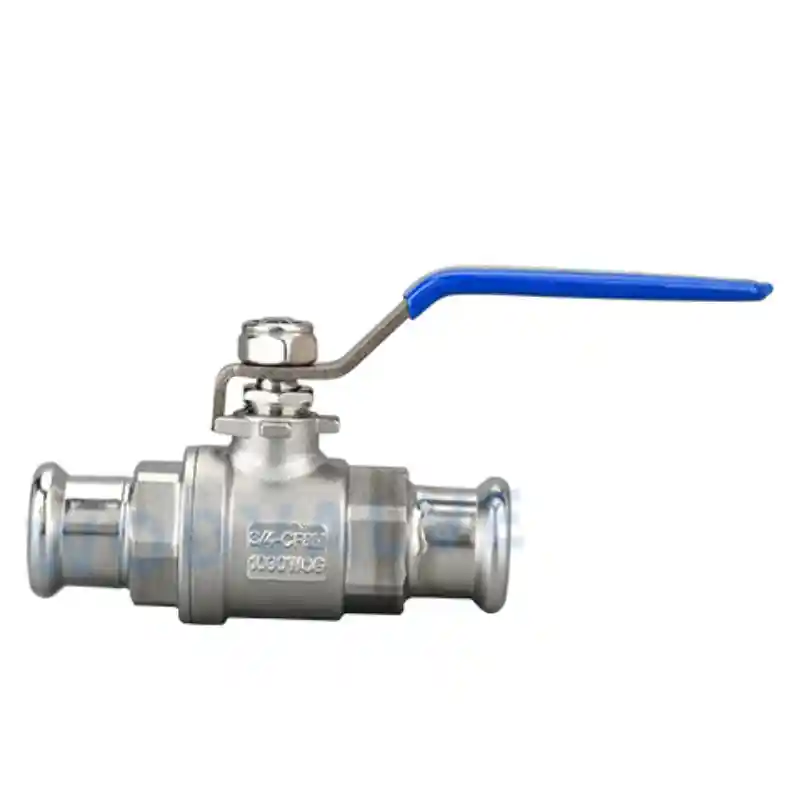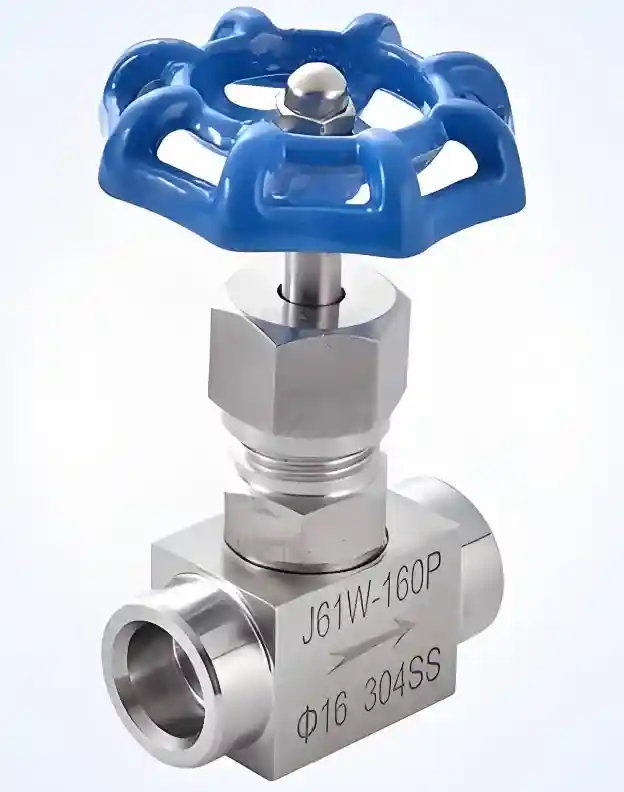

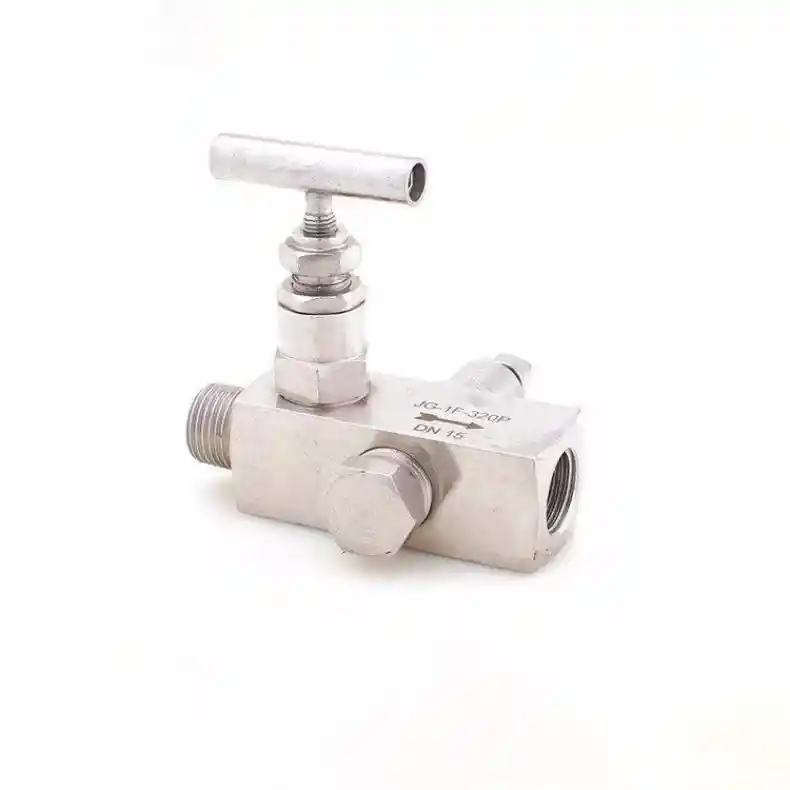
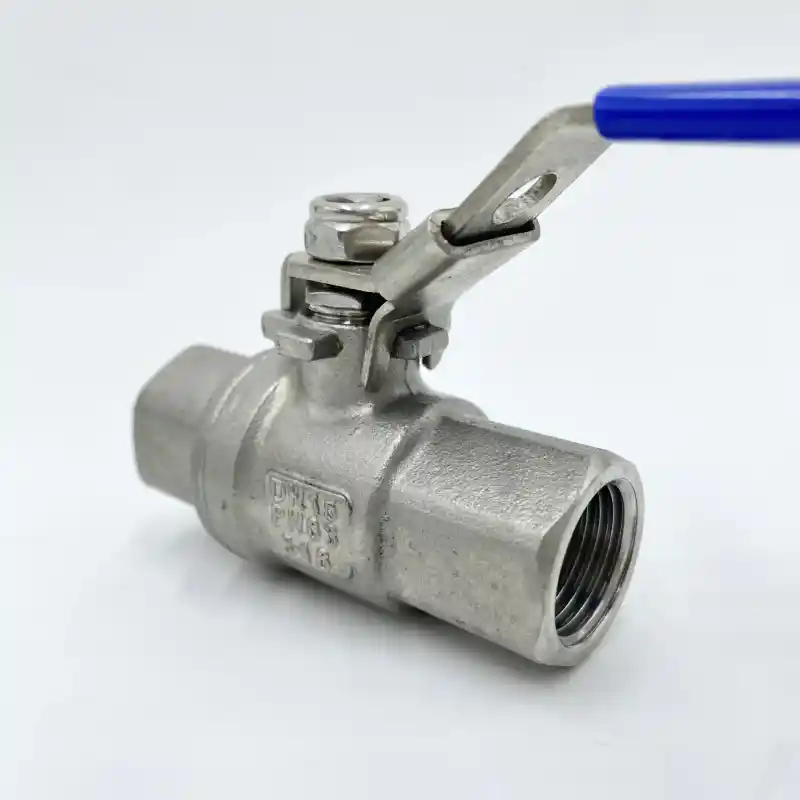
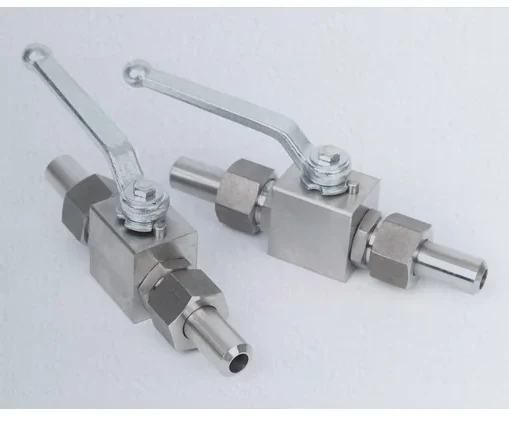
High Pressure Ball Valve 1/2″ – Threaded 316SS for Hydraulic & Gas
High pressure ball valve 1/2″ NPT in 316SS. For hydraulic oil & gas systems. Rated 6000 PSI with blowout-proof stem. Buy CHCV’s 2-piece full port ball valves.
Description
I. Product Function & Overview
The High Pressure Ball Valve 1/2″ serves as a critical switching element in industrial fluid control systems. Its primary role is to enable rapid opening or closure of media flow within pipelines through a 90° rotational operation, specifically under elevated pressures. Unlike standard ball valves, this model is purpose‑built for high‑pressure liquids (e.g., hydraulic oils) and gases (e.g., nitrogen, natural gas), ensuring zero leakage even under extreme conditions and thereby safeguarding system integrity.
II. Core Materials & Technical Specifications
To withstand demanding industrial environments, this High Pressure Ball Valve 1/2″ is constructed from premium 316 stainless steel, offering excellent corrosion resistance and tensile strength. Its design adheres to stringent standards set by leading 2‑way ball valve manufacturers, featuring a 2‑piece split‑body configuration that facilitates inline maintenance.
Detailed technical parameters are listed below:
| Parameter | Specification |
|---|---|
| Valve type | 2‑piece, full port |
| End connection | 1/2″ NPT female thread |
| Pressure rating | 6,000 PSI (high‑pressure class) |
| Body material | A351 CF8M (316 SS) |
| Ball material | 316 SS, hard‑chrome plated |
| Seat material | Reinforced PTFE |
| Blowout‑proof stem | Yes (anti‑blowout design) |
| Handle type | Stainless steel with locking device |
III. Application Scenarios – Detailed Breakdown
1. High Pressure Stainless Steel Ball Valve Supplier – Recommended Use Cases
As a professional supplier of high‑pressure stainless steel ball valves, we recommend this model for the following typical services:
-
Hydraulic systems – for isolation in construction machinery and injection molding equipment.
-
Chemical industry – for sampling and transfer of corrosive reagents.
-
Oil & gas extraction – as a shutoff valve at wellhead facilities or in natural gas gathering lines.
-
Test benches – for precise on/off control in hydrostatic or pneumatic pressure testing rigs.
2. NPT Stainless Steel Ball Valve – Connection Advantages
This product adopts the NPT standard (American National Standard taper pipe thread) per ANSI/ASME B1.20.1. The taper geometry of NPT threads generates powerful sealing force when tightened, and when combined with PTFE tape or thread sealant, it reliably prevents external leakage even under 6,000 PSI pressure surges – a clear advantage over straight threads.
3. Full Port Stainless Ball Valve – Flow Performance
The full‑port design ensures that the ball bore matches the pipe’s internal diameter. This delivers three key benefits:
-
Minimal flow resistance – pressure loss is virtually eliminated, preserving hydraulic system responsiveness.
-
No dead zones – in chemical or food‑grade applications, full‑port reduces fluid retention and contamination risks.
-
Pigging compatibility – essential for systems that require pipeline cleaning pigs to pass through.
IV. Frequently Asked Questions from Overseas Buyers
Q1: Is this 1/2″ High Pressure Ball Valve suitable for applications with significant water hammer effects?
A1: Yes. The valve features anti‑extrusion reinforced PTFE seats and a hardened ball. Although ball valves are not typically recommended for throttling (they should be used fully open or fully closed), the robust stem and blowout‑proof design can withstand transient pressure spikes – often up to 1.5 times the rated pressure – ensuring a long service life under water hammer conditions.
Q2: What justifies the higher cost of this 316SS valve compared to a standard 1/2″ Brass Ball Valve?
A2: Two main factors: firstly, material cost – 316 stainless contains molybdenum, providing far superior resistance to chloride attack and pitting than brass. Secondly, safety margins – brass valves are prone to dezincification or body rupture under high pressure or temperature, whereas this 316SS valve undergoes rigorous hydrostatic testing and offers a much higher safety factor. This becomes a critical “insurance policy” for your core equipment, especially when handling flammable, explosive, or highly toxic media.