
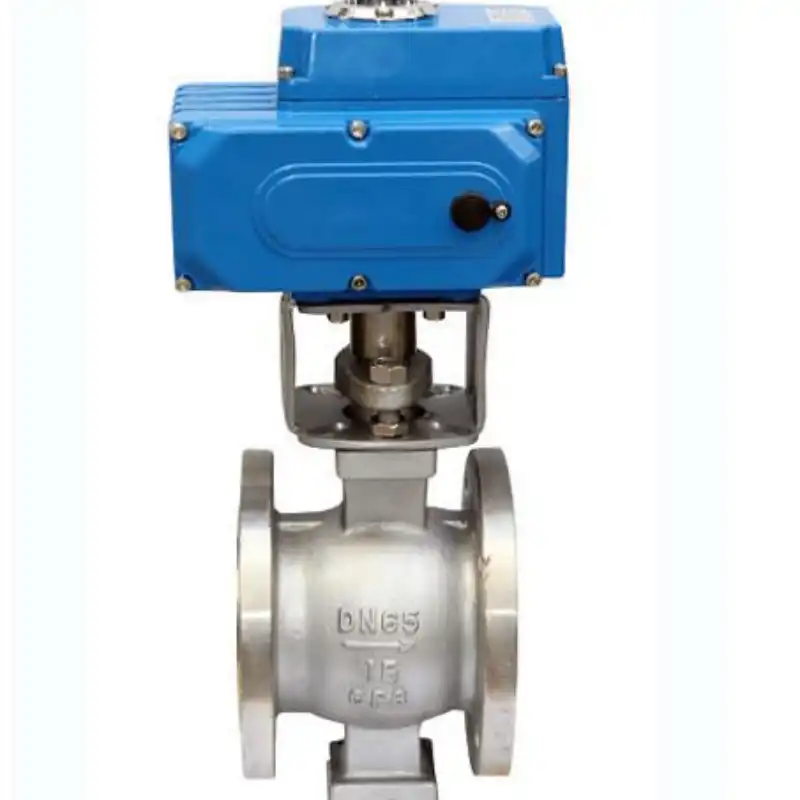
Motorized Ball Valve Price | Factory Direct Competitive Rates
Looking for the best motorized ball valve price? We offer factory-direct rates on electric actuated ball valves. Durable stainless/brass, 12V to 220V. Ideal for automated flow control. Get a quote!
Description
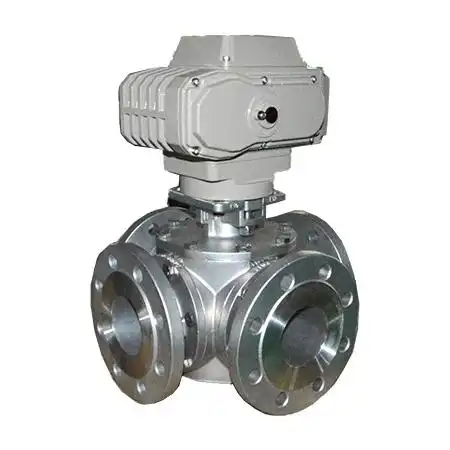
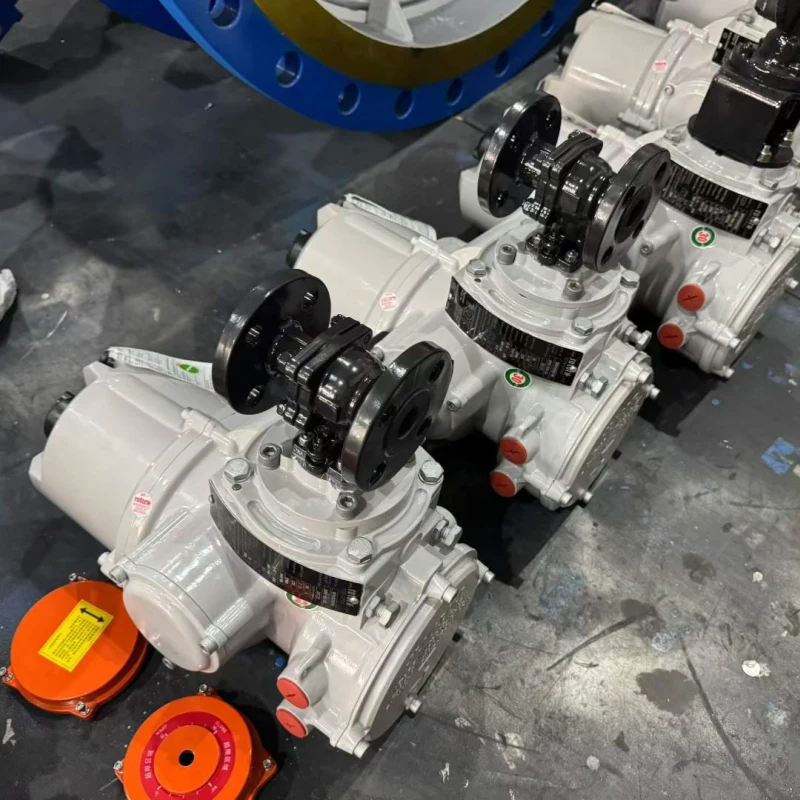
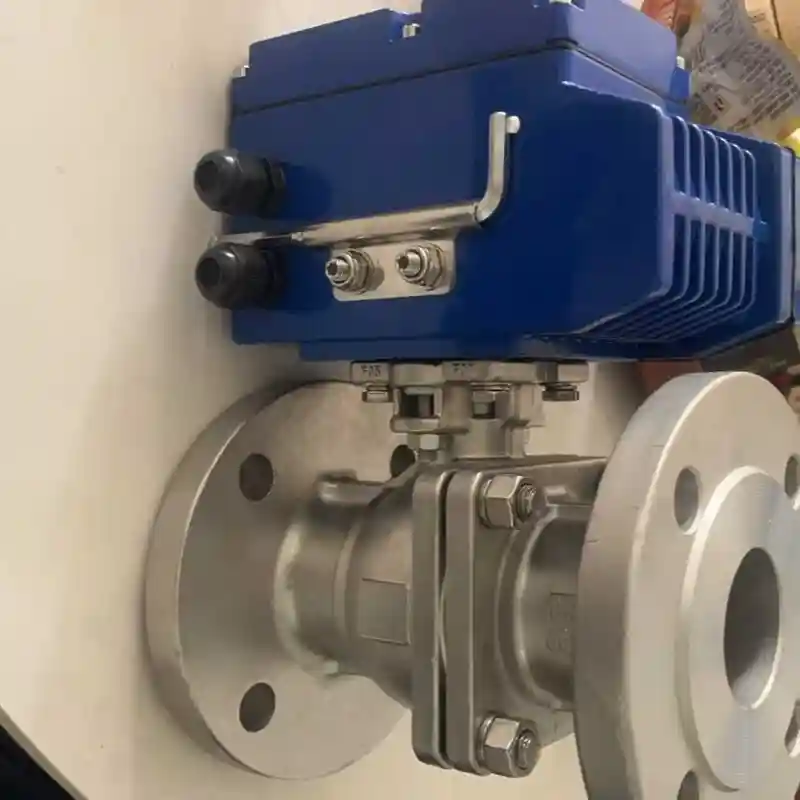
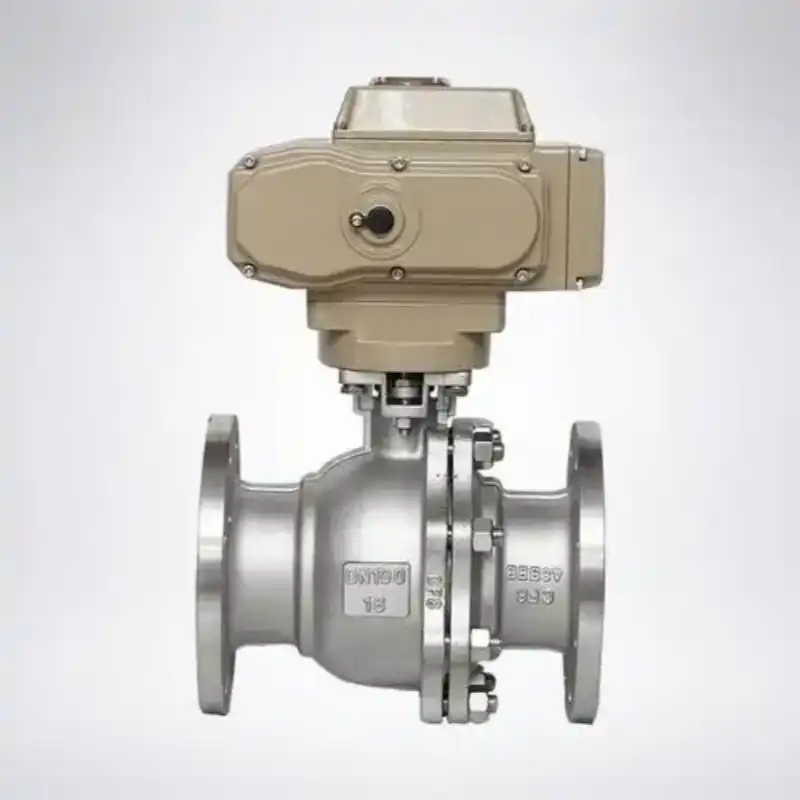
The motorized ball valve is an indispensable component in modern industrial automation fluid control systems. Driven by an electric actuator, the ball rotates 90° to open, close, or modulate flow. Compared with conventional manual ball valves, the motorized version enables remote control, automatic regulation, and programmable operation—significantly boosting production efficiency while reducing labor costs.
Where Does Our Price Competitiveness Come From?
Buyers frequently evaluate the motorized ball valve price when selecting products. Our cost advantage stems from a fully integrated manufacturing chain—from motor production to final valve assembly. By optimising supply chains and employing automated assembly lines, we effectively lower per‑unit production costs and pass these savings directly to customers. Whether you require standard stainless steel motorized ball valve models or customised configurations, we offer highly attractive factory‑direct pricing. We also provide wholesale motorized ball valve programs to help large‑scale projects and OEM clients optimise their procurement budgets.
Product Parameters & Selection Reference
| Parameter | Options |
|---|---|
| Body Material | 304 SS, 316L SS, CF8/CF8M, WCB Carbon Steel, Brass |
| Valve Size | 1/4″ ~ 8″ (DN8 ~ DN200) |
| Connection Type | NPT/BSPT Thread, Flanged (ANSI/DIN/JIS), Tri‑Clamp |
| Pressure Rating | PN16 ~ PN64 / Class 150 ~ Class 600 |
| Operating Temperature | -20℃ ~ 150℃ (standard seals) / Up to 350℃ (high‑temp version) |
| Seal Material | PTFE, RTFE, PEEK, Metal‑Seated |
| Supply Voltage | DC 12V/24V, AC 110V/220V |
| Control Type | On/Off (2‑wire/3‑wire), Modulating (4‑20mA / 0‑10V) |
| Protection Class | IP67, IP68, NEMA 4/4X |
| Explosion Proof | ExdⅡBT4, ExdⅡCT6 (optional) |
| Design Standards | API 6D / API 608 / ASME B16.34 |
Application Scenarios & Selection Considerations
Motorized ball valves are widely adopted in automated control applications across diverse industries:
-
Oil & Gas – pipeline automation, wellhead control, emergency shutdown
-
Chemical & Petrochemical – process control, reactor feed/discharge, corrosive media lines
-
Water Treatment & Environmental – water supply/drainage automation, wastewater treatment, chemical dosing
-
HVAC – chilled/hot water flow regulation, district heating control
-
Food & Beverage – hygienic piping, CIP systems, aseptic filling
-
Pharmaceutical & Biotechnology – clean pipelines, automated processes in cleanrooms
-
Agriculture Irrigation – remote irrigation control, greenhouse automation
When selecting a motorized ball valve, it is advisable to clarify the following key parameters:
-
Valve Function – is on/off control sufficient, or does the application require 4‑20mA analogue modulation?
-
Power Supply – is DC (12V/24V) or AC (110V/220V) available on site?
-
Operating Environment – is the valve located in wet, dusty, or hazardous areas? This determines the required protection rating and whether an explosion‑proof actuator is needed.
-
Valve Material – choose body material (stainless steel for corrosion resistance, WCB for general service) and seal material based on media characteristics.
Installation & Usage Guidelines
Installation of motorized ball valves is relatively straightforward, but the following points are essential for long‑term reliability:
-
Mounting Orientation – install with the actuator facing upward to prevent liquid ingress into the electrical housing.
-
Manual Override – most models are equipped with a manual override for emergency operation during power outages.
-
Wiring Compliance – strictly follow the wiring diagram provided, distinguishing between on/off and modulating control connections.
-
Environmental Protection – avoid placing the actuator in direct rain or areas prone to water accumulation to preserve electrical performance.
FAQ for Overseas Buyers
Q1: What is the difference between a 2‑wire and a 3‑wire motorized ball valve?
A: A 2‑wire motorized ball valve uses the same two wires for both power and control, typically for simple on/off applications. A 3‑wire valve has separate power and control wires, enabling more precise operation and position feedback. The 3‑wire configuration is generally preferred for applications that require reliable valve status indication.
Q2: Can I get a better discount for bulk orders of motorized ball valves?
A: Yes. The motorized ball valve price varies based on order quantity, specifications, and customisation. We offer competitive wholesale pricing for bulk orders. Contact our sales team with your project requirements, and we will provide a tailored quotation.