
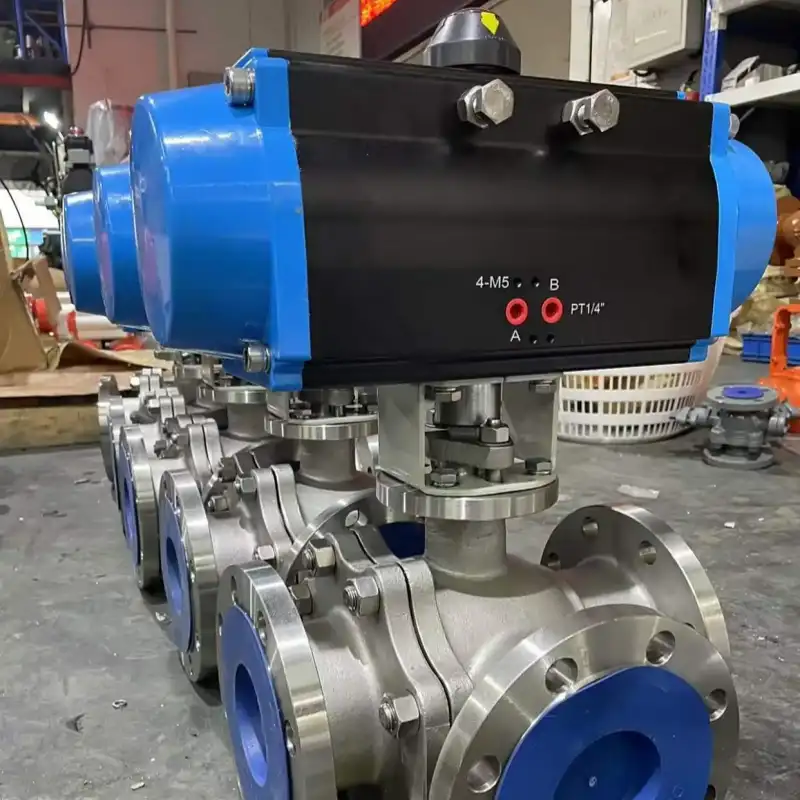
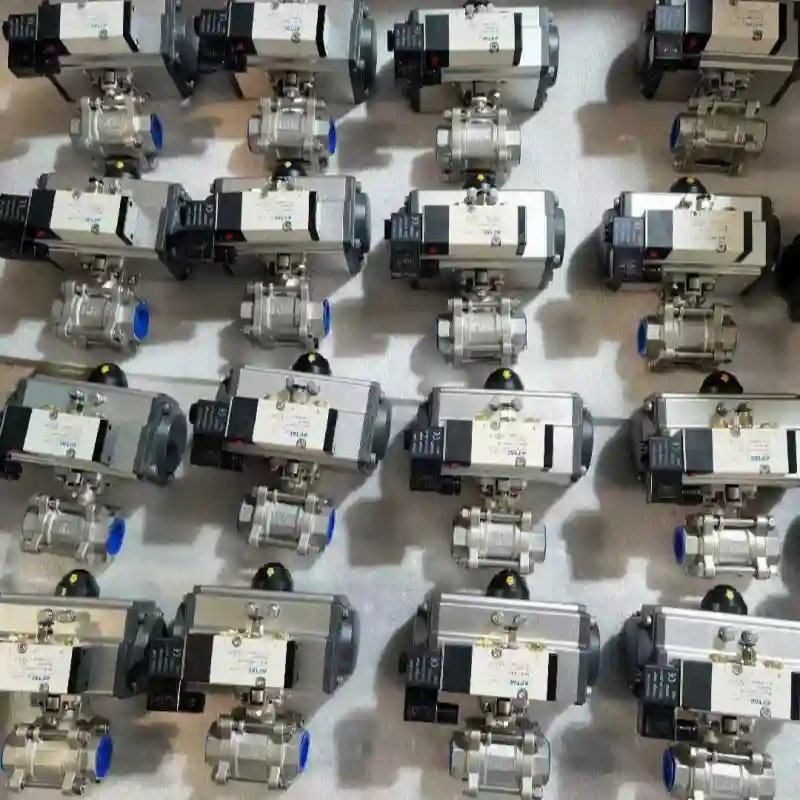
Pneumatic 2 Way Ball Valve for Fast ESD Shut-Off
Fast-acting pneumatic 2 way ball valve with 0.5-2 sec response. Suitable for pipeline ESD, process isolation, and remote shut-off in oil & gas and chemical plants.
Description
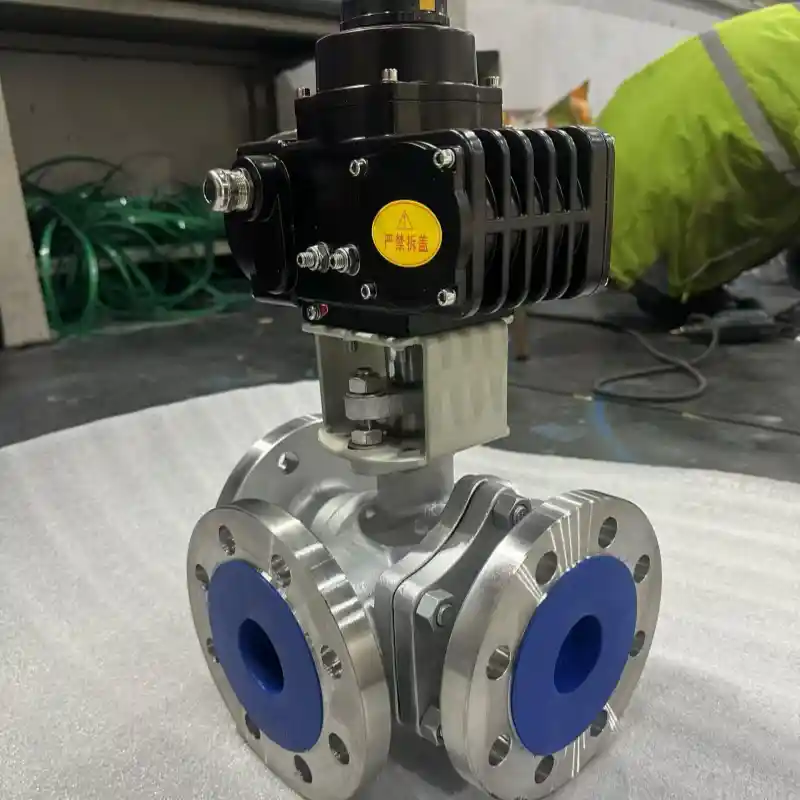
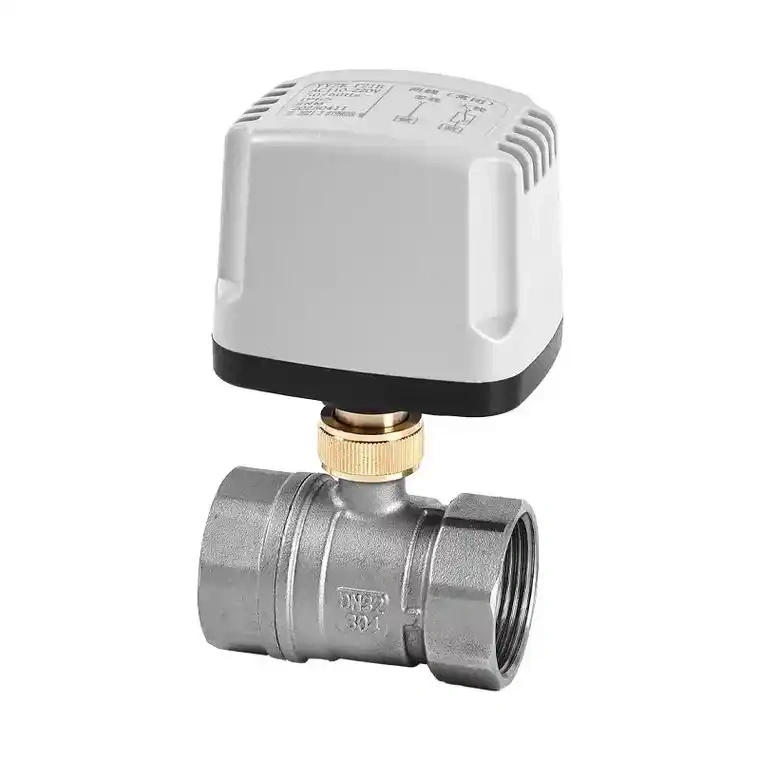
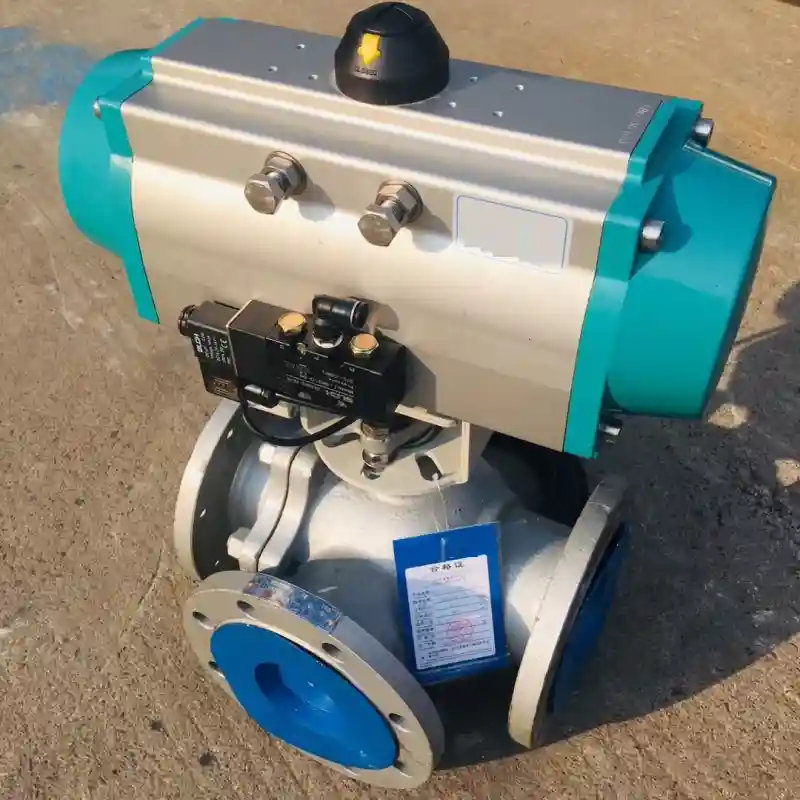
Pneumatic 2 Way Ball Valves rank among the most widely‑adopted pneumatic valve types within industrial automation systems. Driven by pneumatic actuators to produce a 90‑degree rotation of the ball, they open, close or switch pipeline media flow.
As two‑port on‑off valves featuring one inlet and one outlet, they stand out for simple construction, dependable operation and cost‑effectiveness. They have become standard hardware for remote automatic switching and emergency shutdown across oil‑and‑gas, chemical, water‑treatment and power‑generation sectors.
Safe operation of piping networks in real‑world industrial environments often demands rapid valve closure to contain accident escalation. Pneumatic 2 Way Ball Valves are purpose‑built for such scenarios. Working in tandem with solenoid valves and DCS/PLC platforms, pneumatic actuators complete the full 90‑degree stroke within 0.5‑5 seconds to achieve fast pipeline isolation. Such swift response makes them ideal end devices for ESD emergency shutdown systems.
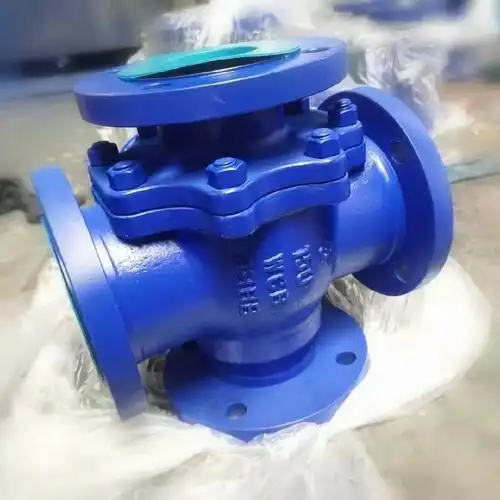
Two structural variants are available: floating ball valve for medium‑to‑low‑pressure service, where the ball is supported by seats on both sides; and trunnion mounted ball valve engineered for high‑pressure, large‑bore pipelines. The trunnion‑style ball is anchored by upper and lower fixed shafts, with spring‑loaded seats maintaining low operating torque and reliable sealing even under substantial differential pressure.
End‑users may select double‑acting actuators for air‑open‑air‑close operation or single‑acting spring‑return units for fail‑safe opening or closing upon air loss. Explosion‑proof rating reaches up to Ex d IIB T6 to satisfy installation requirements for Zone 1/2 hazardous locations.
Core Technical Advantages (Why Pneumatic 2 Way Ball Valves?)
Compared with electric ball valves, pneumatic butterfly valves and manual valves, Pneumatic 2 Way Ball Valves deliver distinct operational merits:
- Swift response for emergency shutdown: Pneumatic actuators deliver fast full‑stroke closure within 0.5‑2 seconds. Integrated with ESD interlock systems, valves shut down automatically once fire, overpressure or leakage risks are detected to limit accident propagation. Such response speed cannot be matched by electric actuators, whose typical stroke duration ranges from 5 to 30 seconds.
- Intrinsic explosion‑proof safety: Requiring no electric power input, pneumatic actuators generate no spark hazards. Naturally suited for Zone 1/2 explosive atmospheres, they comply with ATEX and IECEx standards without extra explosion‑proof modification.
- Bubble‑tight sealing performance: Precise contact between ball and PTFE / metal seats achieves ANSI/FCI 70‑2 Class VI bubble‑tight shut‑off, suitable for highly toxic, high‑value and environmentally hazardous process fluids.
- Robust reliability with simplified layout: Compared with 3‑way or multi‑port ball valves, 2‑way configurations feature straight flow paths and fewer moving parts, cutting failure risks. Well‑suited for frequent cycling and unmanned site deployment.
- Cost‑competitive solution: As a mainstream general‑purpose pneumatic valve, it carries moderate manufacturing expenditure and simplifies maintenance work, delivering strong economic value for diverse automatic on‑off applications.
Product Specifications
| Parameter | Specification |
|---|---|
| Valve Type | 2‑Way Floating / Trunnion Mounted Ball Valve |
| Actuator Type | Pneumatic Double Acting / Spring Return(ISO 5211) |
| Nominal Size | DN15 ~ DN600(1/2″ ~ 24″) |
| Pressure Rating | PN16 ~ PN420(Class 150 ~ Class 2500) |
| Body Material | WCB(Carbon Steel), CF8/CF8M(Stainless Steel 304/316), Duplex |
| Seat Material | PTFE / RPTFE / PEEK / Metal Seated |
| End Connection | Flanged(RF, RTJ), Threaded(NPT, BSP), Socket Weld, Butt Weld |
| Operating Temperature | -40°C ~ +350°C(Subject to seal material) |
| Stroke Time | 0.5 ~ 5 seconds(Subject to actuator size and supply air pressure) |
| Explosion‑proof Rating | Ex d IIB T4 / Ex ia IIB T6(Optional) |
| Shut‑off Class | ANSI/FCI 70‑2 Class VI(Bubble‑tight sealing) |
Typical Applications & Case Study
Pneumatic 2 Way Ball Valves serve as standard hardware for remote switching and emergency shutdown within long‑distance oil‑and‑gas transmission pipelines, refineries, offshore platforms, water‑treatment facilities and power plants.
Project Reference Take the natural‑gas gathering pipeline ESD system project operated by Energy Transfer LP across the Permian Basin. The operator manages roughly 500 miles of gathering pipelines with dozens of unattended valve houses and metering stations. pneumatic ball valve for ESD is fitted at every critical node as the final executing component of the Safety Instrumented System (SIS).
Equipped with spring‑return pneumatic actuators for fail‑closed functionality, these valves trigger automatic closure within 1‑2 seconds once the SCADA platform identifies sharp pressure drops, flow anomalies or fire alerts. Since commissioning in 2019, emergency shutdown response has dropped from 20 minutes of manual operation to under 2 seconds, successfully preventing three potential gas leakage incidents. pneumatic shut‑off ball valve is also deployed for remote isolation of metering skids to further boost site safety performance.
FAQs for Overseas Buyers
Q1: What is the actual response time of Pneumatic 2 Way Ball Valves? Which factors influence stroke speed? A: Normally, full‑stroke switching cycles for Pneumatic 2 Way Ball Valves take 0.5‑5 seconds. Exact timing depends on actuator dimension, supply air pressure (typically 3‑8 bar) and valve nominal size. Small‑bore units (DN15‑DN50) paired with high‑flow solenoid valves can finish stroke within 0.5 seconds; large‑size valves above DN200 with high‑torque actuators may require 3‑5 seconds. For enhanced responsiveness, users may adopt high‑flow pilot solenoids, upsize air supply piping or mount quick exhaust valves on actuators to shorten stroke time below 0.3 seconds.
Q2: Between double‑acting and single‑acting spring‑return actuators, which option fits ESD emergency‑shutdown scenarios better? A: For ESD service, industry best practice favours single‑acting spring‑return actuators. Its core advantage lies in fail‑safe behaviour: upon loss of instrument air or solenoid power failure, spring force drives the valve to pre‑defined safe positions (FC‑fail closed or FO‑fail open) without external power sources. By contrast, double‑acting actuators maintain their current position during air loss and cannot execute automatic emergency shutdown, violating the fail‑safe principles required for SIS safety‑instrumented systems. Therefore, spring‑return Pneumatic 2 Way Ball Valve shall be prioritised for ESD duties protecting personnel, environment and high‑value assets.
Why Choose Our Pneumatic 2 Way Ball Valves?
We deliver reliable, fast‑response pneumatic ball valve solutions for global clients. All products are designed and manufactured complying with API 6D, ISO 5211 and IEC 61508, undergoing 100 % hydrostatic testing, tightness inspection and SIL functional‑safety certification. Whether your process handles high‑temperature high‑pressure steam, corrosive chemicals or flammable‑explosive hydrocarbons, we provide custom‑tailored Pneumatic 2 Way Ball Valves selection proposals to support safe and efficient automated plant operations.