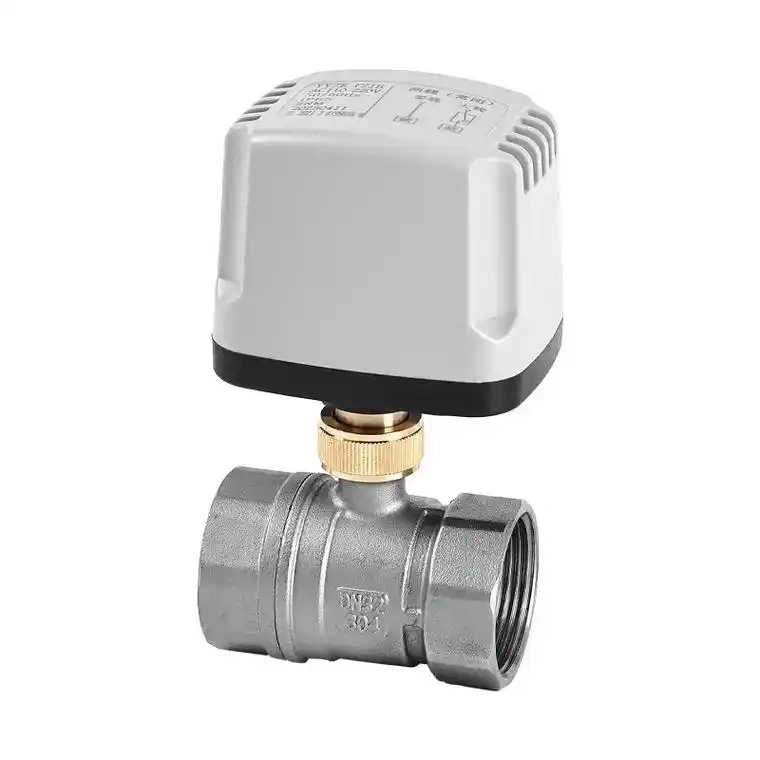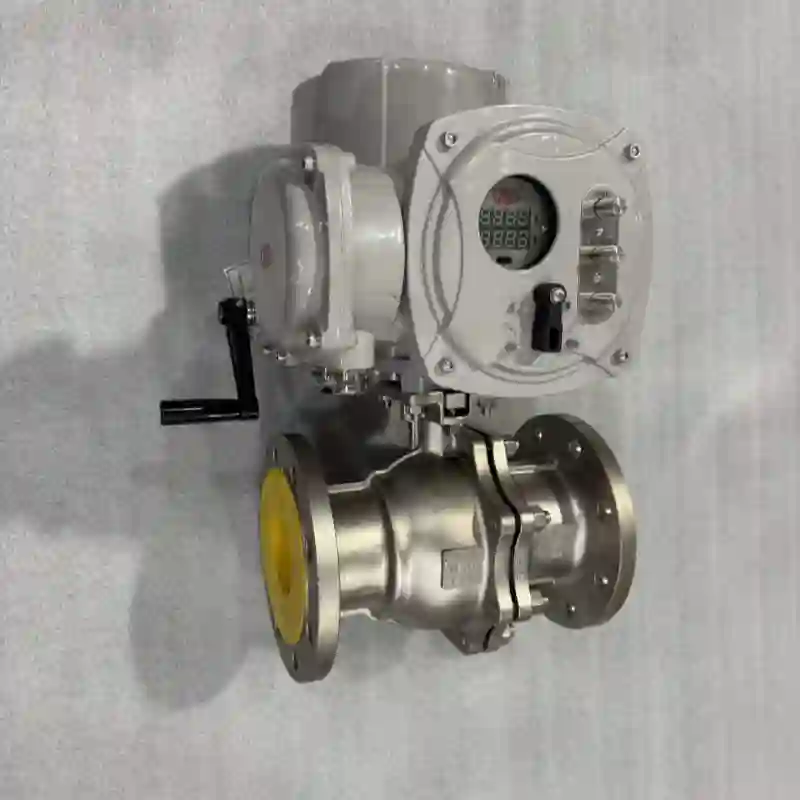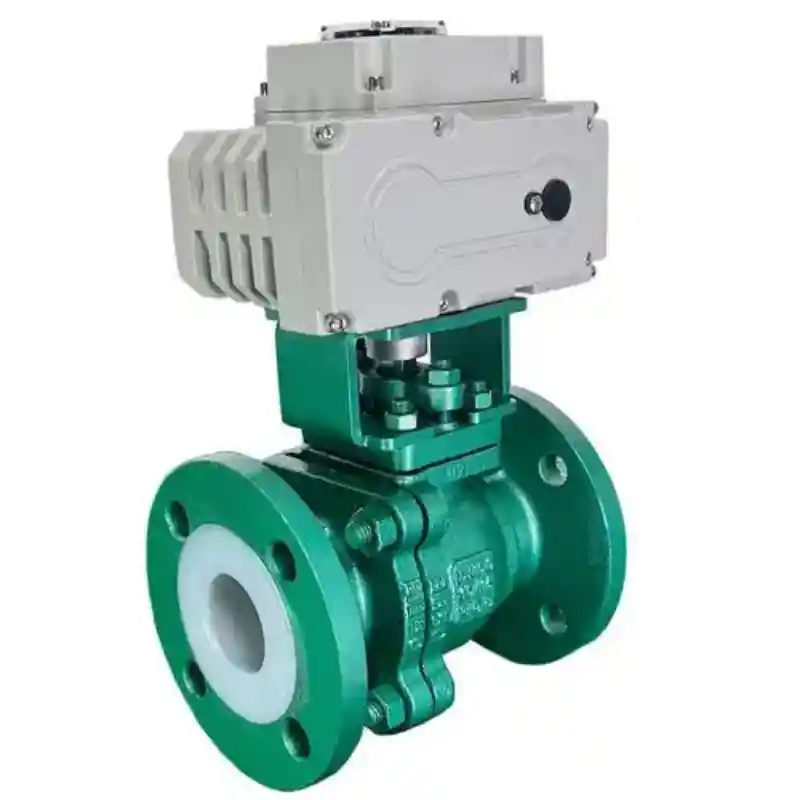

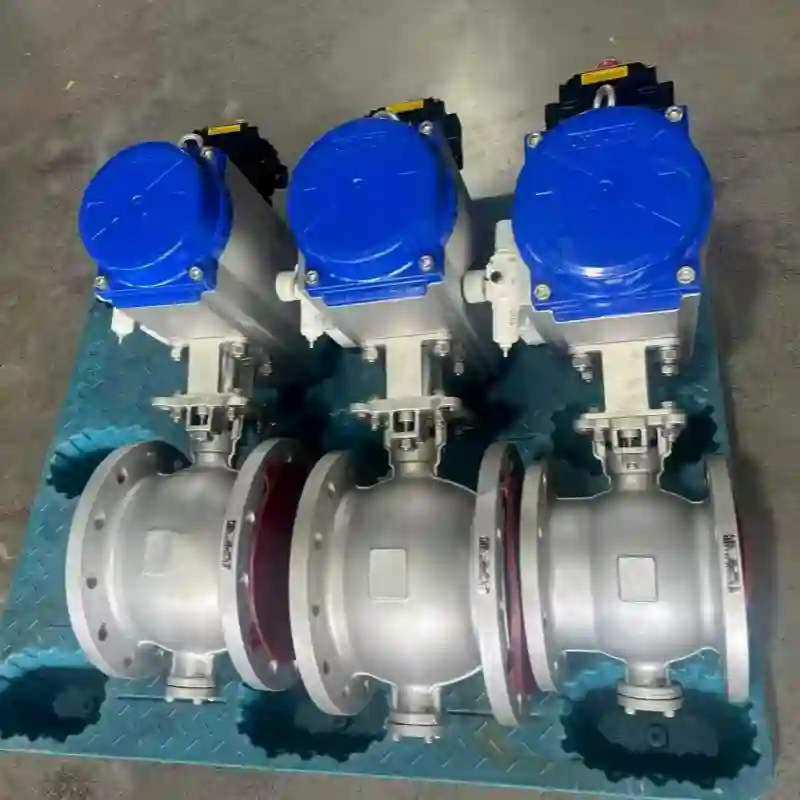
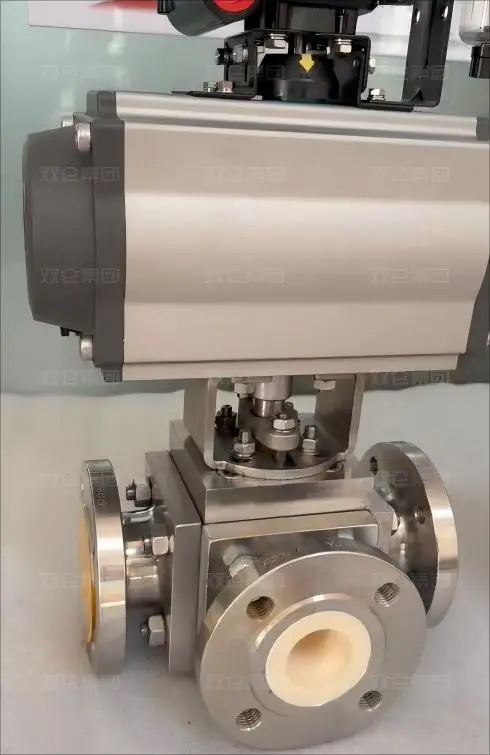
Pneumatic 3 Way Ball Valve 3-Port Structure Explosion-Proof For Process Switching
pneumatic 3 way ball valve with 3-port structure & explosion-proof, for flow diversion, switching in chemical and hazardous-area pipelines.
Description
1. Product Overview
The pneumatic 3 way ball valve uses compressed air to rotate the ball 90° and features a 3‑way body design, available in L‑port and T‑port flow configurations. The L‑port enables flow direction change between two ports, while the T‑port supports diverting or mixing services. A single valve handles multi‑path medium switching, eliminating the complex piping required by two separate 2‑way ball valves. The pneumatic actuator contains no electrical components, making it inherently explosion‑proof and suitable for hazardous environments with flammable media. Actuators are offered in double‑acting and single‑acting spring‑return versions; the latter automatically closes upon loss of air supply. Optional accessories such as solenoid valves and limit switches allow integration into plant pneumatic control systems. The valve supports flanged or NPT/BSP threaded connections, and is widely used in chemical, oil‑gas, and pharmaceutical hazardous‑area process lines.
2. Materials & Technical Specifications
| Parameter | Detail |
|---|---|
| Nominal sizes | DN15 – DN100 (1/2″ – 4″) |
| Drive type | Pneumatic actuator |
| Flow path type | L‑port / T‑port 3‑way configuration |
| Actuator type | Double‑acting / Single‑acting spring return |
| Connection | BSP/NPT threaded; flanged optional |
| Body material | WCB carbon steel / SS304 / SS316 stainless steel |
| Air supply pressure | 0.4–0.7 MPa |
| Key features | 3‑way directional change and diverting/mixing, explosion‑proof, suited for multi‑stream switching in hazardous areas |
| Optional accessories | Limit switches, solenoid valves, air preparation units (FRL) |
| Working pressure | 0.1–1.6 MPa |
| Medium temperature | –20°C ~ 150°C |
| Applicable media | Chemical raw materials, oil‑gas auxiliary media, process water, pharmaceutical fluids, mildly corrosive media |
3. Application Scenarios
Typical deployments include chemical process lines, oil‑and‑gas auxiliary networks, food and pharmaceutical production lines, tank piping, laboratory multi‑stream switching, blender feed lines, and skid‑mounted process systems in hazardous zones.
4. Real‑World Project
At the Process‑Chem Milano fine chemical plant in Milan, Italy, the pneumatic three way ball valve has been installed in bulk on process switching lines. The 3‑way configuration simplifies media direction‑change and distribution duties, reducing piping complexity; the spark‑free pneumatic design meets hazardous‑area safety standards, ensuring stable circuit switching. For routine media‑direction changes, the double‑acting pneumatic 3 way ball valve is selected for standard on‑off duties.
5. Selection Guide & Distinctive Strengths
Two primary benefits define this valve:
-
3‑way configuration – with L‑port and T‑port options, a single valve performs directional change, diverting, or mixing, reducing the number of piping components and simplifying system layout.
-
Explosion‑proof operation – purely air‑driven, with no live electrical parts, eliminating spark risks in volatile‑media zones.
For fail‑safe closure upon air supply failure, choose the spring return pneumatic 3 way ball valve. For corrosive chemical media, prefer the stainless steel pneumatic 3 way ball valve. For central control systems needing valve‑position feedback, configure with the limit switch pneumatic 3 way ball valve.
Note: L‑port and T‑port serve different functions – confirm the flow‑path type during selection. For hazardous installations, ensure that all accessories (solenoids, limit switches) meet the required explosion‑protection rating. A clean, dry air supply is essential to avoid seal wear from contaminants. The product complies with CE industrial standards. We provide flow‑path selection guides, dimensional drawings, and installation/maintenance manuals to facilitate project integration and acceptance for overseas engineering contractors. Bulk orders are welcome, and separate replacement parts – including actuators and seals – are available to reduce future maintenance costs.