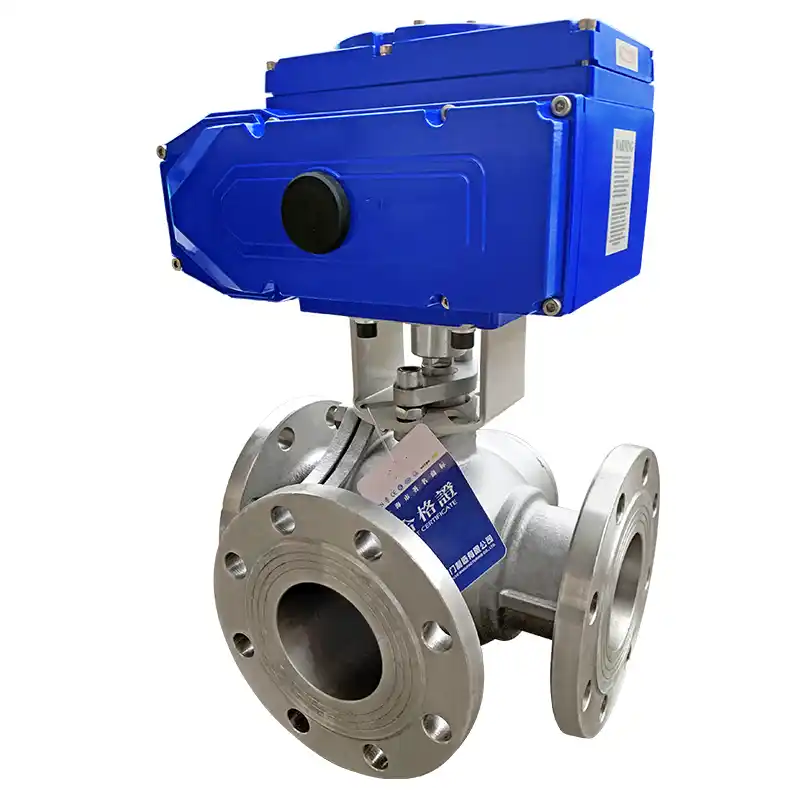

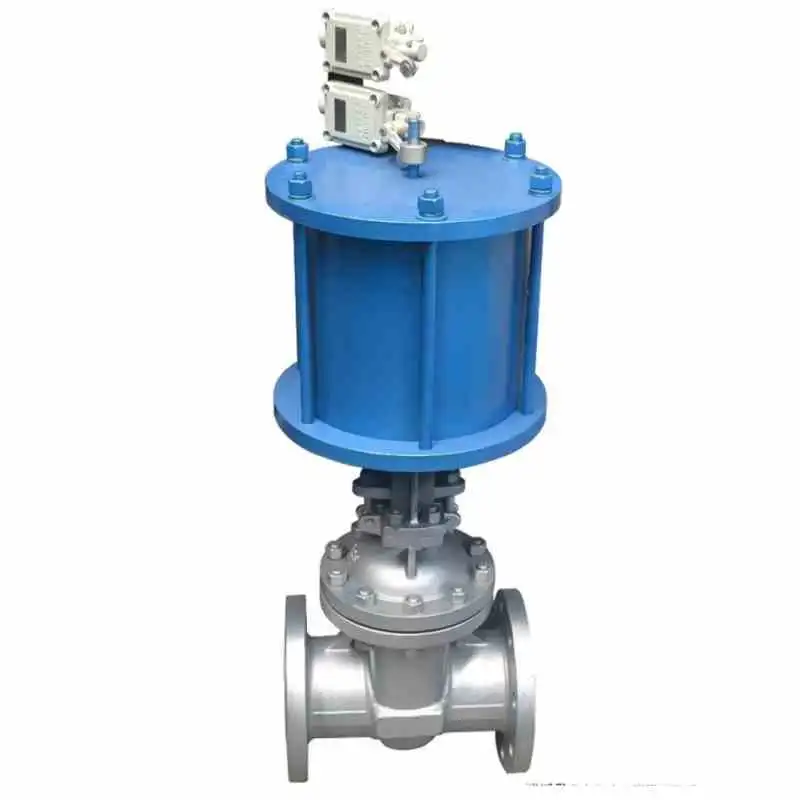
Pneumatic Sanitary Ball Valve for Hygienic & CIP Applications
FDA-compliant pneumatic control sanitary ball valve with Ra 0.4μm finish. CIP/SIP compatible, 3A certified. Ideal for dairy, beverage, and pharmaceutical processing.
Description
Pneumatic Control Sanitary Ball Valve is a pneumatic ball valve engineered for sectors with stringent hygiene requirements, including food, beverage, dairy, pharmaceutical and biotechnology industries. Built with hygienic‑grade materials and easy‑to‑clean geometry, it delivers remote automated actuation via pneumatic actuators, making it an optimal choice for CIP cleaning loops and aseptic process pipelines.
Within food and pharmaceutical manufacturing, process media come into direct contact with pipeline valves. Valve geometry and surface finish exert a decisive influence over end‑product safety and quality consistency. Pneumatic Control Sanitary Ball Valve complies fully with global hygienic specifications. Its valve cavity features dead‑zone‑free, gap‑free construction, and smooth transitions between ball and seat suppress media retention and microbial proliferation.
Wetted surfaces undergo mechanical polishing followed by electropolishing to achieve Ra 0.4 μm roughness, far exceeding finishing standards for general‑purpose industrial ball valves. Such surface condition simplifies cleaning operations and mitigates cross‑contamination risk between production batches — a critical advantage for craft breweries with frequent recipe adjustments and multi‑variant dairy production lines.
For process connections, multiple internationally‑accepted hygienic ends are available: Tri‑Clamp, DIN 11851 thread, SMS and RJT, enabling seamless integration with existing sanitary piping networks. Body and ball components are fabricated from 316L stainless steel (ASTM A479 / EN 1.4404). Sealing elements adopt PTFE or reinforced PTFE complying with FDA 21 CFR 177.1550, guaranteeing non‑toxicity, corrosion resistance and compatibility with high‑temperature steam sterilization for food‑ and drug‑contact applications.
Core Technical Advantages (Why Pneumatic Control Sanitary Ball Valve?)
Compared with conventional industrial ball valves and manual sanitary ball valves, Pneumatic Control Sanitary Ball Valve delivers prominent benefits:
- Hygienic geometry for simplified cleaning: Dead‑zone‑free internal cavity paired with high‑grade Ra 0.4 μm surface finish prevents media buildup and bacterial growth. It supports CIP (Clean‑in‑Place) and SIP (Steam‑in‑Place) sterilization without disassembly, cutting manual cleaning labour and contamination hazards substantially.
- Remote automated operation: Pneumatic actuators receive commands from DCS/PLC systems for remote on‑off and sequenced automatic control. It reduces contamination originating from manual on‑site handling, perfectly suited for aseptic workflows and closed production installations.
- Hygiene certification and material compliance: Designed in accordance with 3‑A, EHEDG and ASME BPE standards. Materials satisfy FDA 21 CFR and EU 1935/2004 food‑contact regulations. Complete EN 10204 3.1 material certificates and batch traceability documentation are supplied.
- Rapid response and precise modulation: Pneumatic actuators complete full‑stroke operation within 0.5‑3 seconds. When fitted with smart positioners, the valve enables accurate flow regulation to meet strict process parameter requirements for food and pharmaceutical production.
Product Specifications
| Parameter | Specification |
|---|---|
| Valve Type | 2‑Way / 3‑Way Sanitary Ball Valve |
| Actuator Type | Pneumatic Double Acting / Spring Return(ISO 5211) |
| Nominal Size | DN10 ~ DN150(3/8″ ~ 6″) |
| Pressure Rating | PN10 ~ PN40(Class 150) |
| Body Material | 316L Stainless Steel(1.4404 / ASTM A479) |
| Ball Material | Electropolished 316L Stainless Steel |
| Seat Material | PTFE / Reinforced PTFE(FDA 21 CFR 177.1550) |
| End Connection | Tri‑Clamp, DIN 11851, SMS, RJT |
| Surface Roughness | Ra ≤ 0.4 μm (Mechanical polishing plus electropolishing) |
| Operating Temperature | ‑20°C ~ +150°C (150 °C for SIP service) |
| Hygiene Certifications | 3A 04‑03, EHEDG, ASME BPE, FDA, EC 1935/2004 |
Typical Applications & Case Study
Pneumatic Control Sanitary Ball Valve functions as core automated hygienic hardware deployed across dairy, beverage‑brewing, pharmaceutical and biotech facilities.
Project Reference The experimental craft brewery at AB InBev global headquarters located in Leuven, Belgium. This pilot site undertakes new‑recipe development and process trials. Frequent formula changes demand exceptional pipeline hygiene and efficient cleaning‑overhead workflows. sanitary pneumatic ball valve is widely installed on wort cooling, yeast propagation and fermenter inlet‑outlet pipelines.
Thanks to its hygienic cleanable construction, the valve allows rapid circuit flushing via CIP routines amid repeated recipe transitions and effectively stops cross‑contamination between batches. Tri‑Clamp connections permit full disassembly and reassembly within minutes, greatly accelerating test‑batch turnover.
The plant also deploys pneumatic control ball valve for CIP system for automated diversion of cleaning circuits. Sealing components follow material criteria set by FDA compliant ball valve for pharmaceutical, ensuring all wetted materials satisfy food‑safety regulatory requirements.
Since commissioning in 2018, hundreds of experimental recipes have been trialled without a single batch failure caused by insufficient valve cleaning. The project demonstrates the reliability and hygienic performance of CIP compatible sanitary ball valve under high‑frequency switching operating conditions.
FAQs for Overseas Buyers
Q1: What are the key distinctions between sanitary ball valves and ordinary industrial ball valves? A: The core differences lie in hygienic design and surface finishing. General industrial ball valves contain cavities, gaps and coarse internal surfaces that trap process residues and encourage bacterial reproduction, making thorough cleaning difficult. Pneumatic Control Sanitary Ball Valve adopts dead‑zone‑free geometry with smooth ball‑to‑seat transitions to avoid fluid retention. Mechanical polishing and electropolishing deliver Ra 0.4 μm surface roughness, compared with Ra 1.6‑3.2 μm typical for standard industrial valves, discouraging microbial adhesion. Furthermore, sanitary ball valves require FDA or EU food‑contact certification and complete batch traceability paperwork, deliverables not mandatory for ordinary industrial valves.
Q2: How does a pneumatic sanitary ball valve achieve Clean‑in‑Place (CIP)? A: CIP (Clean‑In‑Place) represents a key capability of sanitary valves. Under PLC supervision, Pneumatic Control Sanitary Ball Valve automatically shifts to cleaning positions, exposing all internal pipeline surfaces to cascading hot cleaning solution, rinse water and disinfectant. Its dead‑zone‑free geometry ensures every internal surface receives full flushing without valve dismantling. Once cleaning cycles conclude, the valve returns to production positions automatically. The whole sequence runs autonomously, cutting manual labour and time expenditure, while eliminating contamination risks introduced during manual disassembly and reassembly.
Why Choose Our Pneumatic Control Sanitary Ball Valve?
We deliver highly reliable, fully‑compliant pneumatic sanitary ball valve solutions for food, pharmaceutical and biotechnology industries. All products are designed and manufactured according to 3‑A, EHEDG and ASME BPE standards, with materials complying with FDA and EU food‑contact regulations. Every unit undergoes 100 % pressure testing and surface‑roughness inspection. Whether you handle dairy products, beer‑beverage media, aseptic pharmaceutical fluids or high‑purity chemicals, we provide custom‑tailored Pneumatic Control Sanitary Ball Valve selection proposals for your process requirements.