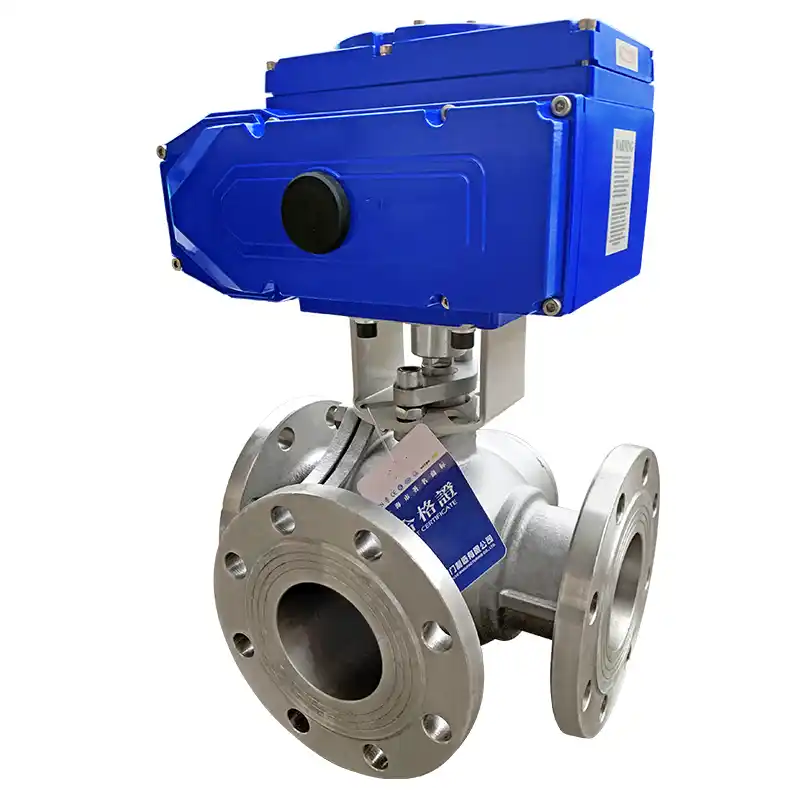

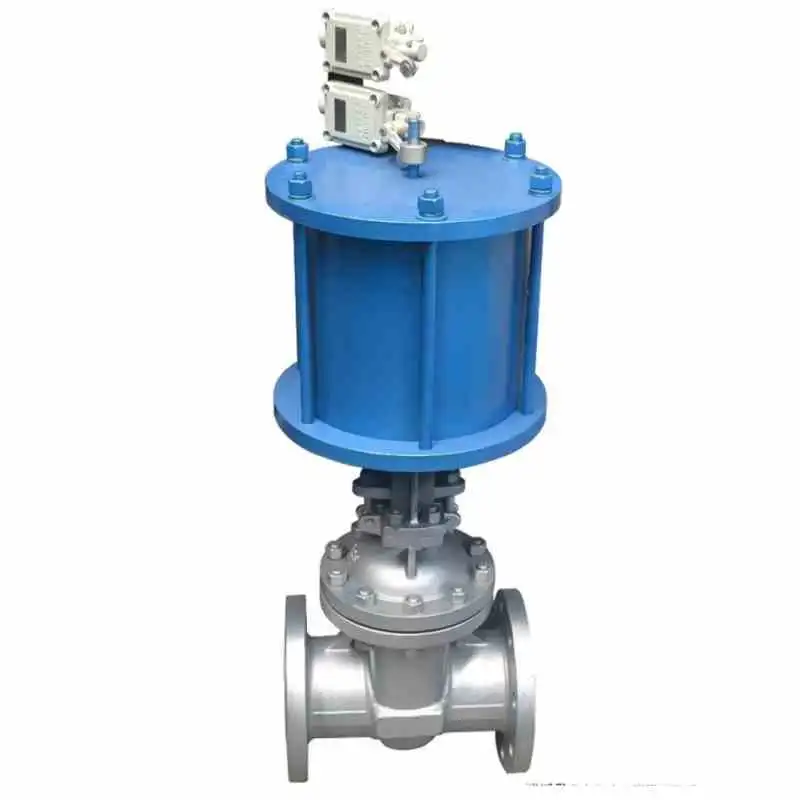
Pneumatic Flanged Ball Valve for High Pressure Pipeline Isolation
High-pressure pneumatic flanged ball valve for pipeline isolation. ANSI Class 600 to 2500, easy bolt-on installation. Suitable for oil, gas, LNG, and power plants.
Description
Pneumatic Flanged Ball Valve refers to pneumatic ball valves built with flanged end connections. Driven by pneumatic actuators to produce a 90‑degree ball rotation, they deliver remote on‑off actuation or emergency shutdown for process media inside pipelines.
Flanged connection ranks among the most prevalent and dependable joining solutions for industrial piping systems, especially well‑suited for high‑pressure, large‑bore services and installations requiring periodic inspection and servicing.
Piping networks within oil‑and‑gas, refinery‑chemical, LNG terminal and power‑generation sectors frequently operate under extreme pressure and temperature conditions. Pneumatic Flanged Ball Valve is purpose‑engineered for such demanding service environments. Heavy‑duty bolts fasten the valve and pipe flanges together, paired with spiral‑wound metal gaskets or RTJ ring gaskets.
This assembly achieves pressure ratings up to Class 2500 (roughly 42 MPa), far exceeding the pressure ceiling of threaded connections. Unlike threaded joints prone to loosening under thermal cycling, flanged connections sustain stable sealing performance even amid high‑temperature, high‑pressure and vibration‑prone conditions, safeguarding stable and secure pipeline operation.
A broad spectrum of flange standards is available, including ANSI/ASME B16.5 (US standard), DIN EN 1092‑1 (European standard), JIS B2220 (Japanese standard) and GB/T 9119 (Chinese standard). Multiple gasket face configurations such as RF (Raised Face), FF (Flat Face) and RTJ (Ring Type Joint) are supported to satisfy design specifications for projects across global regions.
Core Technical Advantages (Why Pneumatic Flanged Ball Valve?)
Compared with threaded pneumatic ball valves, wafer‑style butterfly valves and weld‑end valves, Pneumatic Flanged Ball Valve delivers distinct competitive merits:
- High‑pressure capability for harsh service: Flanged construction supports pressure classes ranging from Class 150 up to Class 2500. Matched with metal‑to‑metal seating or fire‑safe PTFE seals, it handles media from atmospheric pressure all the way to 42 MPa. Body material options encompass WCB carbon steel, CF8/CF8M stainless steel, LCC/LF2 low‑temperature steel and duplex stainless steel to accommodate diverse media and temperature profiles.
- Simplified installation and servicing: Bolt‑secured flange joints require no welding or special tooling for assembly and disassembly. This feature brings tangible benefits for applications calling for routine inspection, seal replacement or cavity cleaning. It cuts maintenance‑related downtime and labour expenditure, making it highly favoured by refineries and LNG terminals with constrained scheduled‑maintenance windows.
- Adaptable for large‑bore pipelines: Flanged ends represent the standard joining method for DN50 and larger piping. Product coverage extends from DN15 to DN600 and beyond, free from the limitations imposed by thread machining and sealing reliability.
- Versatile flange standards and gasket faces: ANSI, DIN, JIS and GB flange specifications are on offer alongside RF, FF and RTJ face types. Projects worldwide can adopt standard components without custom‑made transition fittings.
Product Specifications
| Parameter | Specification |
|---|---|
| Valve Type | 2‑Way Floating / Trunnion Mounted Ball Valve |
| Actuator Type | Pneumatic Double Acting / Spring Return(ISO 5211) |
| Nominal Size | DN15 ~ DN600(1/2″ ~ 24″) |
| Pressure Rating | Class 150 ~ Class 2500(PN16 ~ PN420) |
| Body Material | WCB(Carbon Steel), CF8/CF8M(SS304/316), LCC/LF2(Low Temp), Duplex, Inconel |
| Seat Material | PTFE / RPTFE / PEEK / Metal Seated(Stellite, Tungsten Carbide) |
| Flange Standard | ANSI B16.5, DIN EN 1092‑1, JIS B2220, GB/T 9119 |
| Gasket Face | RF(Raised Face), FF(Flat Face), RTJ(Ring Type Joint) |
| Operating Temperature | ‑196°C ~ +540°C(Subject to material grade) |
| Explosion‑proof Rating | Ex d IIB T4 / Ex ia IIB T6(Optional) |
| Design Standard | API 6D / ASME B16.34 / ISO 17292 |
Typical Applications & Case Study
Pneumatic Flanged Ball Valve serves as standard equipment for remote isolation and emergency shutdown on high‑pressure pipelines for long‑distance oil‑gas transmission, LNG receiving terminals, refinery‑chemical plants and power utilities.
Project Reference Qingdao LNG Terminal operated by Sinopec Natural Gas Branch, located at Dongjiakou Port, Qingdao, Shandong Province. As Sinopec’s first large‑scale self‑designed and self‑constructed LNG receiving terminal, it boasts an annual unloading capacity of 3 million tons and functions as a critical natural‑gas supply hub for North China. ANSI flanged pneumatic ball valve and pneumatic ball valve Class 600 were deployed as key isolation and shutdown devices within LNG vaporization export pipelines and BOG (Boil‑Off Gas) processing systems.
These valves adopt LCC/LF2 low‑temperature steel bodies with Class 600 pressure rating, engineered to withstand dual challenges of extreme‑low temperature at ‑162 °C and high‑pressure gaseous natural gas. Sealing structures of RF flanged ball valve guarantee reliable performance under cryogenic conditions and prevent LNG leakage. Beyond robust reliability, flanged layout facilitates routine inspection and servicing.
Within the terminal’s tight scheduled‑maintenance windows, operators can rapidly disassemble, inspect and reassemble valve units. The project also deployed pipeline ball valve with ISO 5211, leveraging standardized mounting interfaces between actuators and valve bodies for convenient later‑stage actuator replacement and upgrading. User‑friendly installation and maintenance support long‑term stable site operation. This terminal has maintained safe operation for over 10 years since commissioning in 2014.
FAQs for Overseas Buyers
Q1: What is the maximum pressure rating achievable for pneumatic flanged ball valves? A: Pneumatic Flanged Ball Valve covers an extensive pressure spectrum from Class 150 (PN20, approx. 2 MPa) to Class 2500 (PN420, approx. 42 MPa). Actual maximum allowable working pressure is determined by nominal size, design temperature, body material and seat compound. Small‑bore Class 2500 valves (DN15‑DN50) can sustain roughly 42 MPa at ambient temperature. During product selection, refer to pressure‑temperature rating tables in ASME B16.34 or API 6D to confirm allowable working pressure under specific process conditions.
Q2: What practical installation‑ and maintenance‑related benefits do flanged ball valves deliver? A: The core merit of flanged joints lies in service‑friendly assembly and disassembly.
- Fast installation: Align flanges, insert gaskets and torque bolts into place. Welding operations, welder qualifications and welding permits are unnecessary, cutting construction time and expenditure.
- Convenient disassembly: Loosen bolts to detach valves from piping without pipe cutting, enabling inspection, seal replacement or full valve exchange.
- Retrofitting compatibility: Valves can be fitted onto existing flange interfaces when adding equipment to legacy piping networks.
- Minimised downtime: Fast disassembly and reassembly during scheduled maintenance windows keep process outage duration to a minimum.
These merits make flanged ball valves the preferred option for refineries, chemical complexes, LNG terminals and other assets requiring regular servicing.
Why Choose Our Pneumatic Flanged Ball Valve?
We deliver high‑reliability, high‑pressure‑resistant Pneumatic Flanged Ball Valve solutions with simplified installation and servicing for oil‑and‑gas, petrochemical and power‑generation industries. All units are designed and manufactured complying with API 6D, ASME B16.34 and ISO 5211 standards, subject to 100 % hydrostatic test and tightness inspection. Whether your application involves high‑temperature high‑pressure steam, LNG at ‑162 °C or corrosive chemical media, we provide custom‑tailored valve selections compatible with ANSI, DIN or JIS flange specifications.