
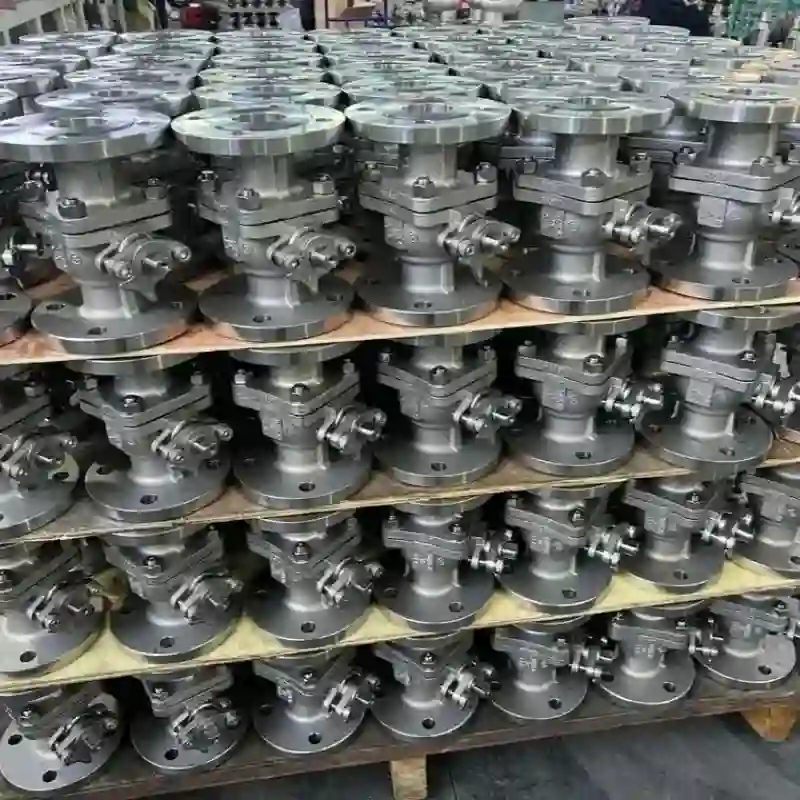
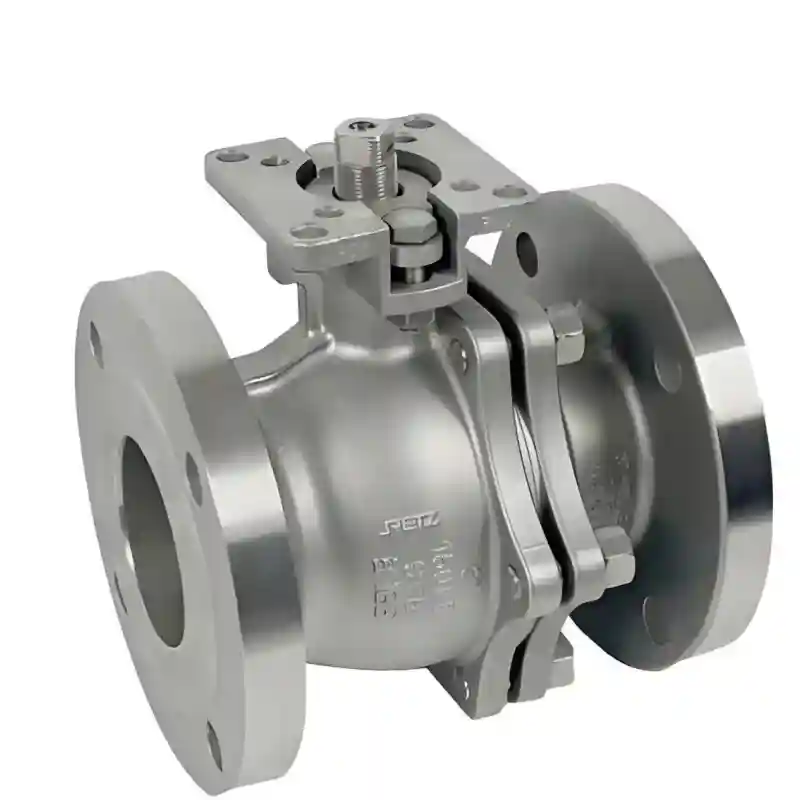
Stainless Steel 2 Way Ball Valve Straight Through Cut-off For Industrial Pipeline
Stainless steel 2 way ball valve with full bore & low flow resistance, manual/pneumatic available for water, chemg pical & coolinipelines.
Description
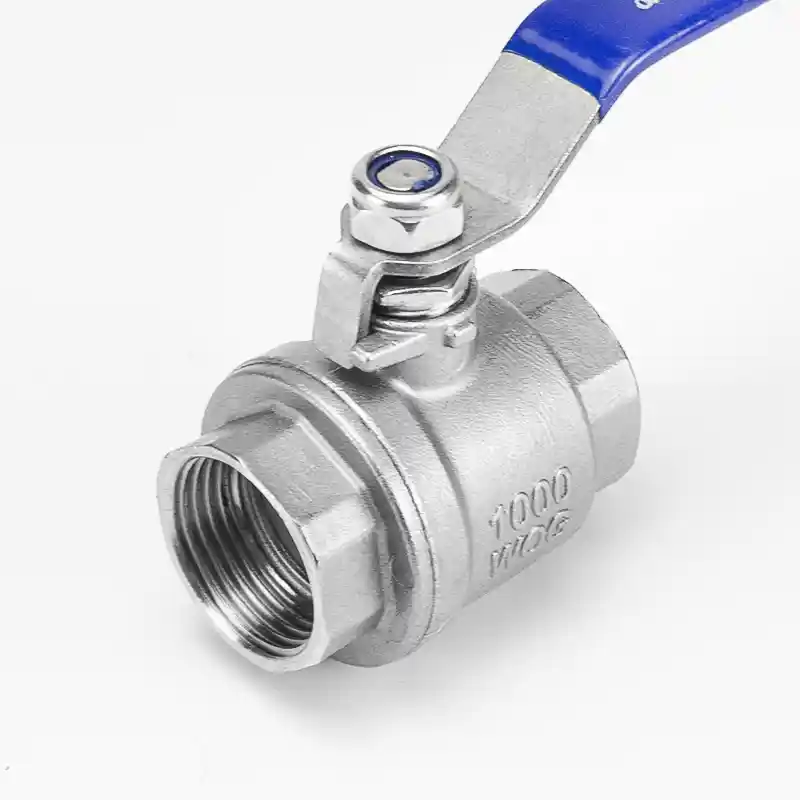
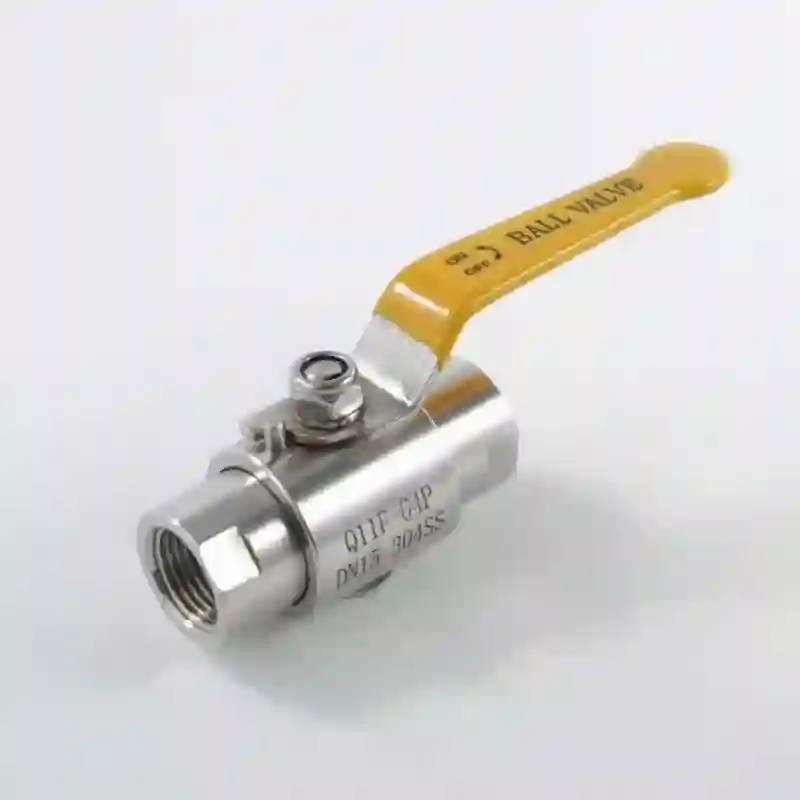
Stainless steel 2‑way ball valves – also known as straight‑through stainless steel ball valves – are the most widely used basic shut‑off valves in fluid piping systems. Featuring only one inlet and one outlet, their function is straightforward: full open for unimpeded flow or full closed for positive isolation. Without the complexity of three‑way diverting ports, the flow path is simple and unobstructed, with near‑zero fluid resistance.
Combined with stainless steel corrosion resistance, these valves are extensively employed in industrial cooling recirculation, purified water transfer, neutral chemical media networks, HVAC water supply, municipal water distribution, and pneumatic air lines – essentially any application that requires only on‑off control. They are the standard basic valve component across virtually all piping systems.
Materials, Sizes, and End Connections
The valve body is forged from 304 or 316L stainless steel, eliminating the porosity defects common in cast bodies. Size coverage ranges from 1/8″ to 8″, with three primary connection types available: threaded (NPT/BSP), sanitary clamp, and flanged (RF). Both GB (Chinese national) and ANSI (American) industrial standards are fully supported.
A key highlight of the stainless steel 2 way ball valves is their full‑port design – the ball bore matches the pipe internal diameter, so there is no flow restriction or pressure drop when fully open. In cooling water and recirculating systems, this directly reduces pump load and energy consumption.
Body Configurations and Sealing Performance
Body styles include two‑piece floating ball and three‑piece floating ball designs. For high‑pressure, large‑bore applications, the trunnion mounted 2 way ball valve is available – its fixed‑shaft construction withstands high thrust loads without deformation or internal leakage.
Seats are available in modified PTFE or hard alloy materials, with sealing performance reaching ANSI Class VI bubble‑tight zero leakage. Actuation options cover manual lever, pneumatic actuator, and electric actuator – manual versions suit general plant operation, while the pneumatic 2‑way ball valve enables remote automated on‑off control in production lines.
Advantages Over Other Valve Types
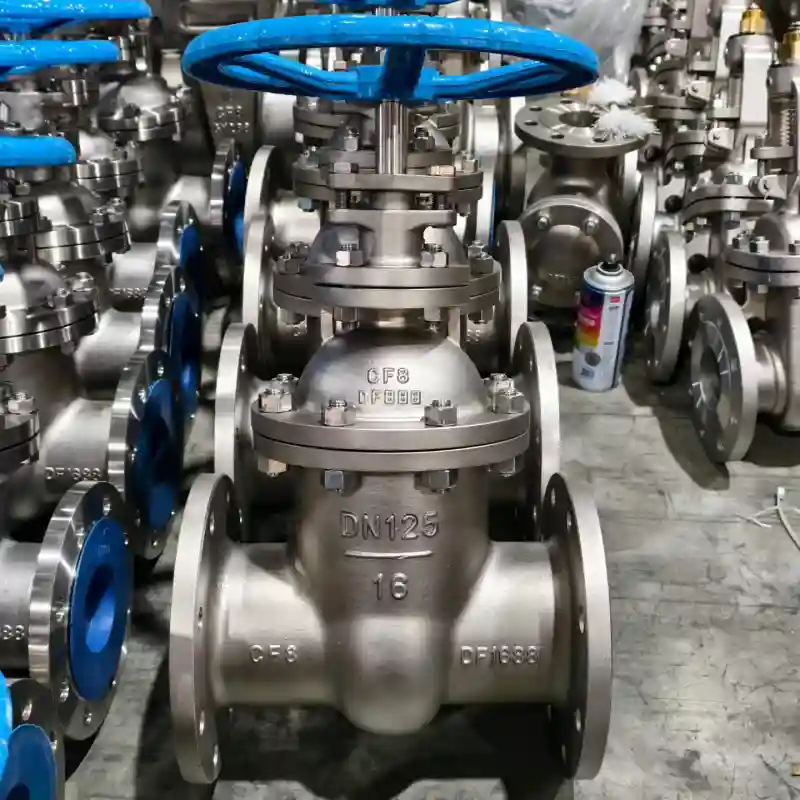
Compared with three‑way ball valves, the two‑way design is simpler in construction, has fewer failure points, and is more cost‑effective. In contrast to gate valves or globe valves, the ball valve requires only a 90° quarter‑turn to operate, offering faster switching response and better resistance to wear under frequent cycling.
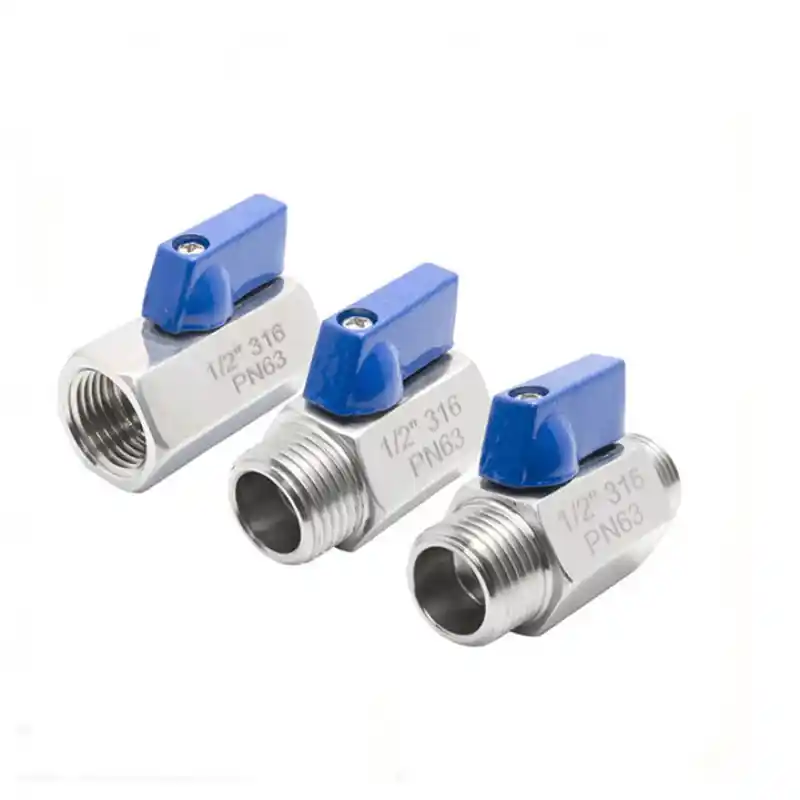
Depending on specific service conditions, derivative variants include the mini 2 way ball valve (compact size), hygienic 2 way ball valve (sanitary grade), and industrial two way ball valve (heavy‑duty version). Every valve undergoes hydrostatic and pneumatic seat leakage testing as well as non‑destructive inspection, and is supplied with material test reports, fully complying with API and ISO industrial standards.
Technical Specifications
| Parameter | Specification |
|---|---|
| Body Material | 304 / 316L forged stainless steel |
| Body Styles | Two‑piece floating ball; three‑piece floating ball; trunnion‑mounted 2‑way ball valve |
| End Connections | NPT / BSP threaded; RF flanged; sanitary clamp |
| Size Range | 1/8″ – 8″ |
| Actuation | Manual lever, pneumatic, electric |
| Suitable Media | Cooling water, purified water, compressed air, neutral chemical fluids |
Case Study – Leipzig Industrial Cooling Station, Germany
Industrial cooling systems rely on numerous branch lines for zone‑based flow regulation, demanding low resistance and minimal maintenance. Many industrial plants have adopted stainless steel 2‑way ball valves for this purpose. At the cooling station on Industriestraße 66 in Leipzig, Germany, the original globe valves caused high pressure drop, forcing cooling pumps to run continuously at heavy load – resulting in excessive energy consumption – while frequent valve stem wear led to leakage.
The plant replaced all units with stainless steel 2‑way ball valves – flanged three‑piece designs. In the fully open position, the straight‑through path eliminated throttling losses, reducing pump energy consumption by 18%. The quick 90° quarter‑turn operation allowed maintenance staff to rapidly isolate faulty branches, while the three‑piece construction enabled seal replacement without dismantling the pipeline. After three years of operation, no corrosion or leakage has occurred, and unplanned downtime has been significantly reduced.
Three‑way ball valves are structurally complex and more expensive; globe valves create high flow resistance and waste energy. Stainless steel 2‑way ball valves – with their simple straight‑through design, low pressure drop, durability, and cost‑effectiveness – remain the preferred choice for on‑off control in the vast majority of piping systems worldwide.