









3/4″ Threaded Brass Ball Valve – Flexible Install, High Temp Rated
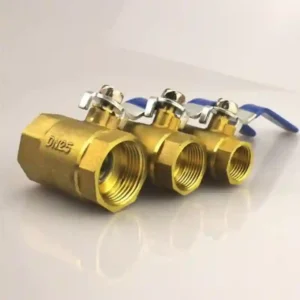
3/4″ threaded brass ball valve with NPT/BSP connections. Easy installation & removal for maintenance. Rated 600 WOG, 120°C. Ideal for water, air & gas systems.
Description
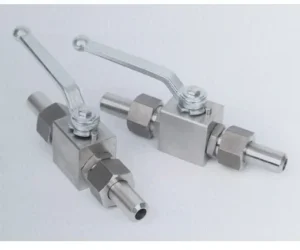
The 3/4‑inch threaded brass ball valve ranks among the most‑widely adopted standard threaded shut‑off valves for North‑American and worldwide piping infrastructure. It achieves rapid fluid on‑off control by rotating its internal ball element through 90 degrees. Equipped with standard NPT (American tapered pipe thread) or BSP (British standard pipe thread) female ports on both ends, the unit forms robust sealing when threaded into pipe assemblies.
Compatible with water, gas, oil and a broad range of mildly corrosive media, this valve finds extensive deployment across residential water supply, commercial premises, industrial cooling circuits, compressed‑air networks and HVAC installations. It represents a flexible, service‑friendly shut‑off solution delivering compelling total‑cost performance for piping engineering projects.
Material & Specification Parameters
| Item | Specification |
|---|---|
| Valve Body Material | Forged Brass (CW617N / ASTM B124, lead‑free variant optional) |
| Ball Material | Chrome‑plated Brass / SS304 Stainless Steel |
| Seat Material | PTFE (Polytetrafluoroethylene) |
| Sealing Material | PTFE + NBR (Nitrile Butadiene Rubber) / EPDM (optional) |
| Nominal Size | DN20 (3/4″) |
| End Connection | Female NPT (ASME B1.20.1) / BSP (ISO 7‑1) |
| Pressure Rating | 600 WOG (Water, Oil, Gas) |
| Temperature Range | -20°C ~ +120°C (PTFE seat applied) |
| Operation Mode | Handle‑operated quarter‑turn (90°) fast opening & closing |
| Flow Path Type | Full Port |
| K‑factor (Flow Resistance Coefficient) | Near 0 (under full‑open condition) |
| Handle Position Indication | Handle parallel to pipeline = fully open; perpendicular = fully closed |
| Stem Design | Blow‑out Proof structure |
| Installation Requirement | PTFE sealing tape plus pipe wrench only; no welding or specialized tooling |
| Maintainability | Detachable for non‑destructive separation on demand |
| Potable‑Water Certification | NSF/ANSI 61 (lead‑free version) |
| Applicable Standards | MSS SP‑110 / ASME B16.34 / API 598 |
Application Scenarios
- Household water supply branches and main inlet lines: isolating sections behind water meters, water‑heater inlets and outlets, as well as branch runs beneath kitchen and bathroom basins.
- Potable‑water distribution within commercial buildings: sectional shut‑off and isolation for water piping in offices, retail outlets, dining venues and educational facilities.
- HVAC and water circulation loops: isolation control for chilled‑water and hot‑water supply‑return branches.
- Industrial cooling and process‑water circuits: on‑off regulation for equipment cooling branches and inlet‑outlet connections of compact heat exchangers.
- Compressed‑air and pneumatic installations: switching valves for discharge branches of air compressors and supply lines feeding pneumatic tools.
- Water treatment and filtration setups: shut‑down and bypass management for inlets and outlets of water softeners, purifiers and filter assemblies.
- Fire‑protection sprinkler branches: sectional isolation valves for light‑hazard sprinkler systems.
Core Advantages: Flexible Installation & Robust Thermal‑Pressure Resistance
1. Flexible Installation — Assemble with pipe wrench and sealing tape; readily detachable
Compared with sweat‑type ball valves (which demand welding torches, filler metal and hot‑work permits) and push‑fit ball valves (which call for dedicated release tools), a 3/4″ threaded brass ball valve delivers unmatched convenience throughout installation and servicing workflows.
- Low‑barrier assembly: only standard pipe wrench and PTFE sealing tape are necessary. Welding gear, crimping equipment and specialized operator training are not required. Technicians with basic plumbing expertise can complete fitting tasks.
- Effortless disassembly: operators spin the valve loose from pipework using a pipe wrench to achieve damage‑free detachment. Removed valves can be reused or relocated to alternative working positions. This trait proves particularly valuable for frequently reconfigured piping such as plant instrument runs and equipment service branches inside hospitality properties.
- Broad compatibility: 3/4″ NPT/BSP threads constitute globally‑accepted pipe‑thread standards. Direct connection is achievable with galvanized steel pipe, threaded copper tubing, stainless‑steel pipe and threaded PVC/CPVC fittings, covering the majority of common pipe material categories.
- No hot‑work authorization needed: threaded joints avoid welding, heat‑fusion or open‑flame activities. Within commercial complexes, hospitals and hotels where hot‑work operations are heavily restricted, construction approval lead‑times can be substantially shortened.
2. Thermal‑pressure Resilience — Stable performance under sustained high‑temperature and high‑pressure operating conditions
Three design features underpin the reliable thermal‑pressure performance of a 3/4″ threaded brass ball valve.
- 600 WOG pressure rating: at ambient temperature, it safely withstands 600 psi (approx. 4.1 MPa) for water, oil and gas services. This far exceeds typical working pressures of residential water supply (40‑80 psi) and commercial hot‑water circuits (80‑150 psi), granting ample safety margin.
- 120 °C high‑temperature endurance: PTFE valve seats feature a maximum thermal threshold of 260 °C. Continuous hot‑water service at 120 °C sits comfortably within its safe operating envelope, making it well‑suited for solar hot‑water and boiler recirculation systems with elevated medium temperatures.
- Threaded joints free from elastomer‑aging risks: unlike straight‑thread connections sealed by O‑rings or gaskets, NPT/BSP tapered threads establish sealing through metal‑to‑metal interference fit. Leakage triggered by seal‑element degradation during repeated thermal cycling is avoided, yielding superior long‑term reliability versus joints relying on elastic sealing components.
Application Case: Crown Melbourne — Hot‑Water Branch Valve Retrofit for Hotel Guest Rooms
Project Name: Crown Melbourne Hotel Guest Room Hot Water Branch Line Valve Replacement Location: Melbourne, Victoria, Australia
Crown Melbourne represents one of Australia’s largest integrated resort complexes, hosting more than 400 luxury guest rooms and suites. Its domestic hot‑water infrastructure adopts central boiler heating. 75 °C hot water travels via copper branch piping distributed across each floor and feeds showers, hand basins and bathtubs inside individual guest accommodations.
Project Background
- Legacy Sweat Ball Valves were originally fitted as dedicated isolation hardware for each guest‑room hot‑water branch, enabling water shut‑off during room refurbishment or equipment servicing.
- After over 20 years of facility operation, cyclic thermal stress from constant 75 °C hot‑water exposure plus periodic temperature swings driven by guest occupancy cycles induced micro‑leaks at multiple welded joints. Maintenance statistics indicated that 15‑20 guest rooms required remedial work for valve‑related leakage each calendar year.
- Replacing sweat ball valves entailed shutting down floor‑level hot‑water mains (disrupting hot‑water supply for a minimum of 30‑50 guest rooms), draining residual branch‑line fluid, cutting out old valves and welding new components in place. Each single‑room repair occupied 2‑3 working hours, and could only be completed by certified welders. Hot‑work permit applications further complicated workflows and negatively impacted hotel occupancy rates.
Solution: In 2024, within its annual guest‑room refurbishment program, the hotel engineering department decided to swap out all leaking sweat ball valves plus branch valves for upcoming renovation suites for 3/4‑inch threaded brass ball valves. Adaptor fittings were pre‑installed onto existing copper pipe ends, allowing new valves to fasten via standard BSP threads.
Project Outcomes
- Enhanced installation flexibility: in‑house hotel maintenance crews could execute valve swap‑outs without certified welding specialists. Single‑room repair duration dropped from 2‑3 hours down to 40 minutes (covering old‑valve removal, thread conditioning, new‑valve mounting and pressure testing). Hot‑work permit procedures were eliminated entirely. By June 2025, valve retrofits had been finished for over 120 guest rooms within the annual renovation scope, generating roughly AUD 45 000 in cumulative savings on external welder contracting costs.
- Dependable thermal‑pressure performance: retrofitted valves have run stably for more than six months under 75 °C hot‑water and 0.4 MPa operating pressure, eliminating weld‑joint leakage incidents. Two quarterly site inspections on renovated guest rooms uncovered zero joint‑thread or valve‑body seepage.
- Improved long‑term serviceability: threaded connections allow maintenance staff to detach valves with ordinary pipe wrenches whenever mixing‑valve replacement, pipe servicing or further room refurbishment becomes necessary. No pipe cutting or welding is required, shortening subsequent response times. Crown Melbourne’s engineering team has added the 3/4‑inch threaded brass ball valve to standardized part lists for future guest‑room renovation and routine maintenance activities.
Quote from Crown Melbourne Hotel Engineering Manager: “The flexible fitting characteristics of threaded brass ball valves remove our dependence on certified welders and hot‑work permits. Meanwhile, their proven thermal‑pressure reliability guarantees leak‑free long‑term operation for our 75 °C hot‑water system. This stands as one of our most critical valve‑specification decisions during guest‑room piping modernization.”