









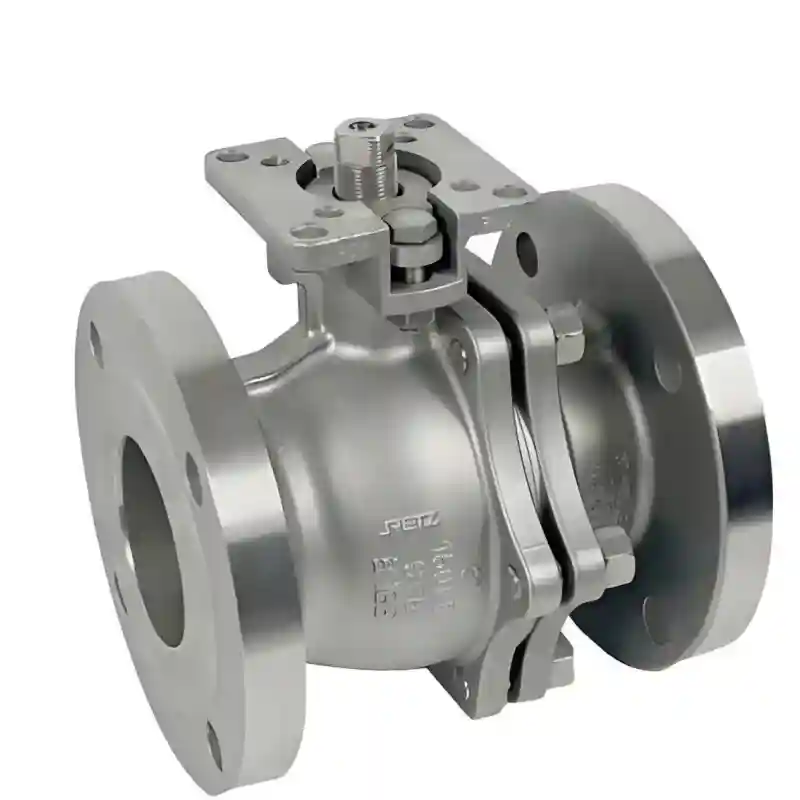
3-in-Brass Ball Valve – Full Port High Flow, Quick Quarter-Turn Operation
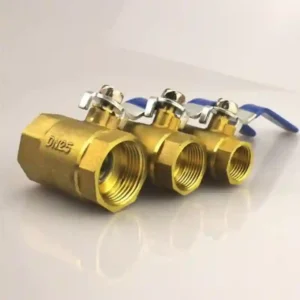
3 in brass ball valve with full port design for high flow & low pressure drop. Quarter-turn operation enables fast shutoff. 600 WOG rated. Threaded NPT/BSP.
Description
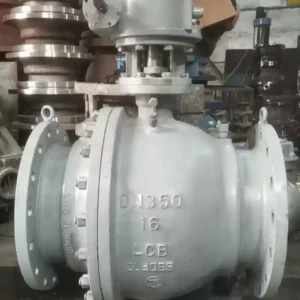
The 3‑inch brass ball valve represents a representative large‑bore shut‑off valve for industrial and heavy‑duty commercial piping networks. It is widely deployed for scenarios requiring high‑flow throughput and rapid isolation, including industrial cooling water circulation, trunk pipelines for large‑scale agricultural irrigation, municipal and commercial potable‑water mains, fire‑protection sprinkler main lines, and chilled‑hot water headers for HVAC systems. It achieves fast on‑off control for large‑size pipelines via 90‑degree rotation of its internal ball component.
Adopting a Full Port flow path, the internal bore of the ball precisely matches the inner dimension of 3‑inch connected piping when fully open. No cross‑section reduction occurs across the valve, delivering a near‑zero flow resistance coefficient and enabling energy‑saving operation for large‑bore systems under high‑flow conditions.
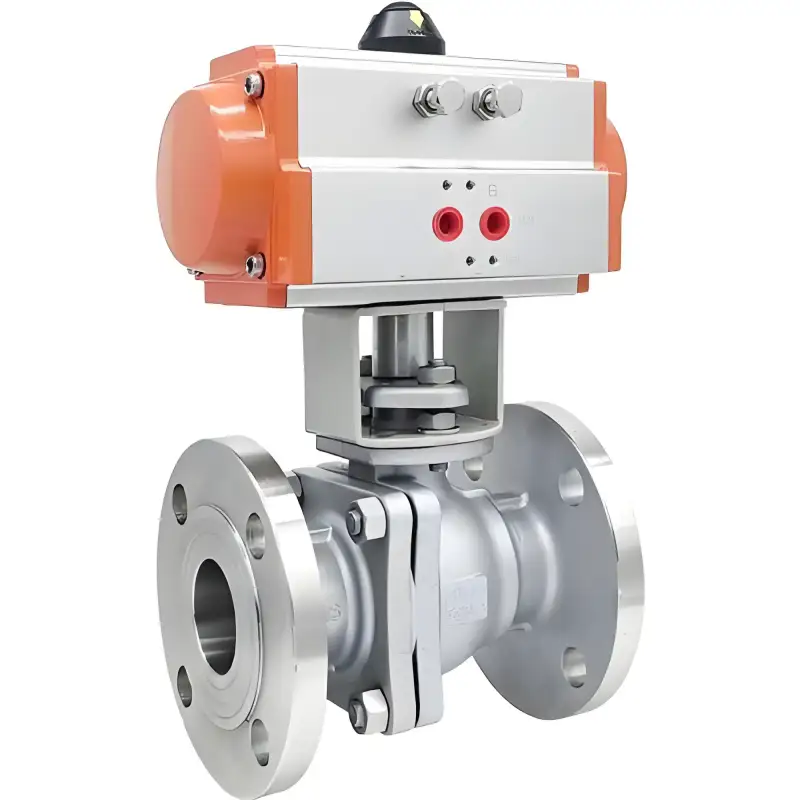
Precision‑machined forged brass body pairs with PTFE valve seats and a Blow‑out Proof stem, delivering 600 WOG pressure rating and bubble‑tight sealing at this substantial nominal size. For hard‑to‑access installations, an optional gearbox actuator drastically cuts quarter‑turn operating torque, allowing one‑person manual opening and closing.
Material & Specification Parameters
| Item | Specification |
|---|---|
| Valve Body Material | Forged Brass (CW617N / ASTM B124) |
| Ball Material | Chrome‑plated Brass / SS304 Stainless Steel |
| Seat Material | PTFE (Polytetrafluoroethylene) |
| Sealing Material | PTFE + NBR (Nitrile Butadiene Rubber) / EPDM (optional) |
| Nominal Size | DN80 (3″) |
| End Connection | Female NPT / BSP or flange connection (optional) |
| Pressure Rating | 600 WOG (Water, Oil, Gas) |
| Temperature Range | -20°C ~ +120°C (PTFE seat applied) |
| Operation Mode | Handle‑operated quarter‑turn (90°) fast opening & closing / Gearbox operation (optional) |
| Operating Angle | 0° (fully closed) ↔ 90° (fully open) |
| Flow Path Type | Full Port |
| K‑factor (Flow Resistance Coefficient) | Near 0 under fully‑open condition |
| Handle Position Indication | Handle parallel to pipeline = fully open; perpendicular = fully closed |
| Stem Design | Blow‑out Proof structure |
| Applicable Standards | MSS SP‑110 / ASME B16.34 / API 598 |
Application Scenarios
- Industrial cooling‑water circulation systems: main‑line shut‑off and isolation for large cooling towers, heat exchangers and reactor‑jacket cooling circuits, handling flow rates ranging from 300‑600 GPM.
- Large‑scale agricultural irrigation trunk lines: main supply‑line regulation for thousand‑hectare farms and greenhouse clusters, compatible with large‑diameter PVC and metallic piping.
- Commercial and municipal water‑supply mains: branch isolation and zoned flow management for large mixed‑use complexes, hospitals, educational campuses and municipal water stations.
- Fire‑protection sprinkler and hydrant main lines: sectional isolation valves within fire‑water networks for large warehouses and manufacturing plants.
- HVAC chilled‑hot water headers: shut‑off and isolation for primary supply‑return piping at district cooling stations and hyperscale data centers.
- Water treatment and filtration installations: main‑line flow control for industrial sand filters, activated‑carbon filters and reverse‑osmosis (RO) systems.
- Marine and offshore engineering: main‑line isolation for ballast‑water, fire‑water and cooling‑water circuits.
Core Advantages: Full Port & Rapid Actuation
1. Full Port — Minimized pressure drop under high‑flow service
The bore cross‑section of a 3‑inch full‑port brass ball valve is approximately 2.25 times larger than that of a 2‑inch full‑port ball valve. Under typical industrial cooling or agricultural irrigation flow rates of 300‑600 GPM:
- Pressure drop across the 3‑inch full‑port ball valve normally stays below 1 psi (roughly 6.9 kPa).
- By comparison, equivalent‑size butterfly valves generate roughly 3‑5 psi pressure loss.
- Gate valves of matching size produce around 2‑4 psi pressure drop.
For irrigation networks exceeding one kilometre in total length or large circulating cooling loops, substituting butterfly or gate valves with full‑port ball valves can cut overall system pressure loss by 50%‑80%. This translates directly into reduced pump power draw, with annual electricity savings reaching 50 000‑100 000 kWh, alongside extended service life for rotating equipment.
2. Rapid Actuation — Quarter‑turn operation for effortless large‑valve handling
Large‑bore valves are often cumbersome to manipulate. Conventional gate valves require dozens of rotating turns, consuming 20‑30 seconds for full travel. While butterfly valves also feature quarter‑turn movement, their sealing surfaces suffer accelerated wear and inconsistent operating torque.
The 3‑inch brass ball valve retains straightforward quarter‑turn (90°) actuation, completing full stroke within 5 seconds. For high‑torque scenarios, the optional gearbox reduces manual input significantly, enabling effortless single‑person operation. Compared with gate valves, operational efficiency improves 4‑6‑fold, shortening response times for emergency shut‑downs and equipment change‑over procedures.
Application Case: Costa Group — Zonal Control Upgrade for Large‑Scale Citrus Orchard Irrigation Trunk Lines
Project Name: Queensland Citrus Orchard Irrigation Main Line Zone Control Upgrade Location: Queensland, Australia
Costa Group ranks among Australia’s leading fruit‑and‑vegetable producers, managing a 1 200‑hectare commercial citrus orchard in Queensland. Its irrigation network draws water from a central reservoir and distributes it across eight independent irrigation zones via a DN200 (8‑inch) PVC main pipe. Each zone inlet features a 3‑inch control valve to enable discrete start‑stop of water supply.
Background
- Original installations deployed PVC butterfly valves as zone inlet regulators. Intense ultraviolet exposure in Queensland accelerated outdoor ageing of both valve bodies and lever handles, necessitating replacement of 3‑4 units each year and driving up maintenance expenditure.
- More critically, silt‑laden irrigation water continuously eroded butterfly valve discs, resulting in poor shut‑off performance and substantial internal leakage. Noticeable flow persisted even when valves were nominally closed, making genuine zone isolation impossible.
- Inherent bore reduction within butterfly valve internals introduced approximately 5 psi of additional pressure loss under full‑flow conditions, impairing inlet pressure for sprinkler units serving the zone farthest from the reservoir, located 2.8 km away.
- Achieving desired throttling positions demanded repeated fine‑tuning rotations. Farm operators spent considerable time completing daily rotational irrigation routines.
Solution: Prior to the 2024 irrigation season, the farm replaced all eight zone‑inlet PVC butterfly valves with 3‑inch brass ball valves. Gearbox‑operated variants were selected for several demanding positions.
Project Outcomes
- Full‑port performance safeguards far‑end water delivery: Post‑retrofit field measurements recorded merely 0.8 psi (≈5.5 kPa) pressure drop at full opening, representing an 84 % reduction versus the former 5 psi loss from butterfly valves. Sprinkler inlet pressure for the most distant zone rose from 0.38 MPa up to 0.45 MPa, satisfying design throw requirements. Irrigation uniformity coefficient (CU) improved from 78 % to 93 %.
- Fast actuation boosts irrigation scheduling efficiency: Gearbox‑assisted quarter‑turn operation allows operators to complete each valve’s full stroke within 5 seconds. Daily zone‑rotation workflow duration dropped from 45 minutes (including iterative fine‑adjustment for eight butterfly valves) down to 12 minutes, delivering over 70 % efficiency gain.
- Enhanced long‑term durability: Brass bodies exhibit outstanding weather resistance and silt‑erosion tolerance under outdoor conditions. Zero breakdowns and zero servicing were logged throughout the first six‑month continuous irrigation cycle, with projected service life far exceeding that of legacy PVC butterfly valves.
- Cost‑effective large‑bore brass solution: The 3‑inch brass ball valve carries roughly 55 % of the unit cost for comparable stainless‑steel alternatives, while surpassing cast‑iron / ductile‑iron valves in corrosion resistance and machining precision. It demonstrates superior overall cost‑performance for large‑size agricultural irrigation service.
Quoted by Costa Group Orchard Operations Manager: “The Full‑Port low‑pressure‑drop characteristic of our 3‑inch brass ball valves solved our remote‑zone pressure shortfall without pump head upgrades. Its quarter‑turn fast‑action design lets our farm crew execute daily rotational irrigation with high productivity. This represents our most successful upgrade for the whole irrigation network.”