
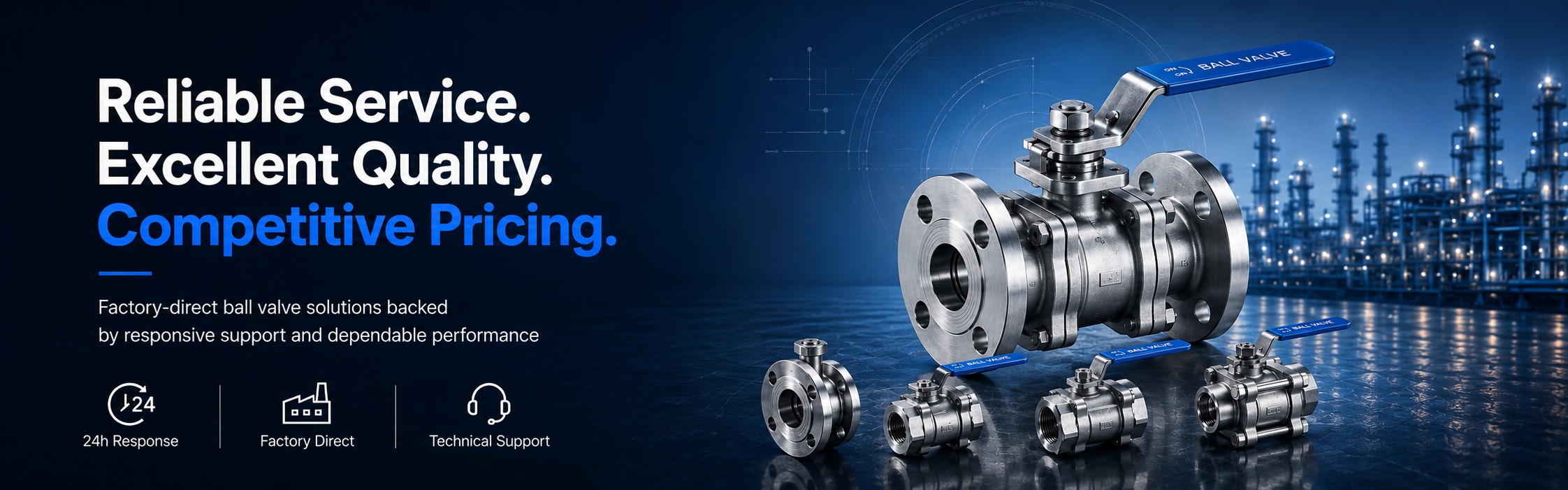







Three Piece Valve – 3-Piece Ball Valve for In-Line Maintenance
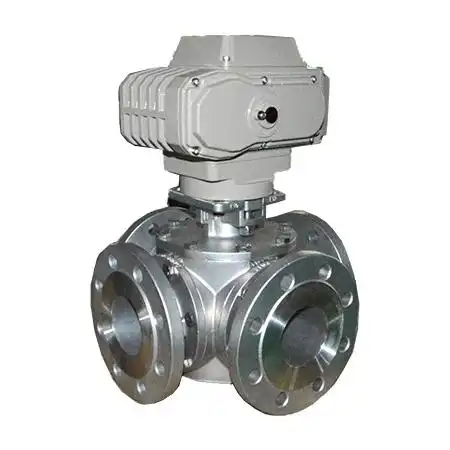
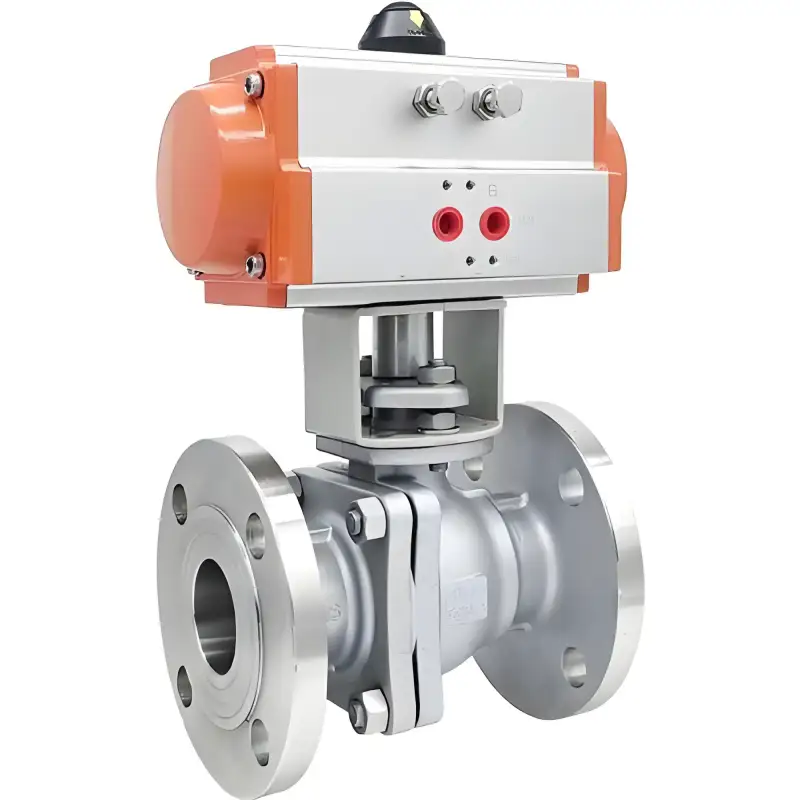
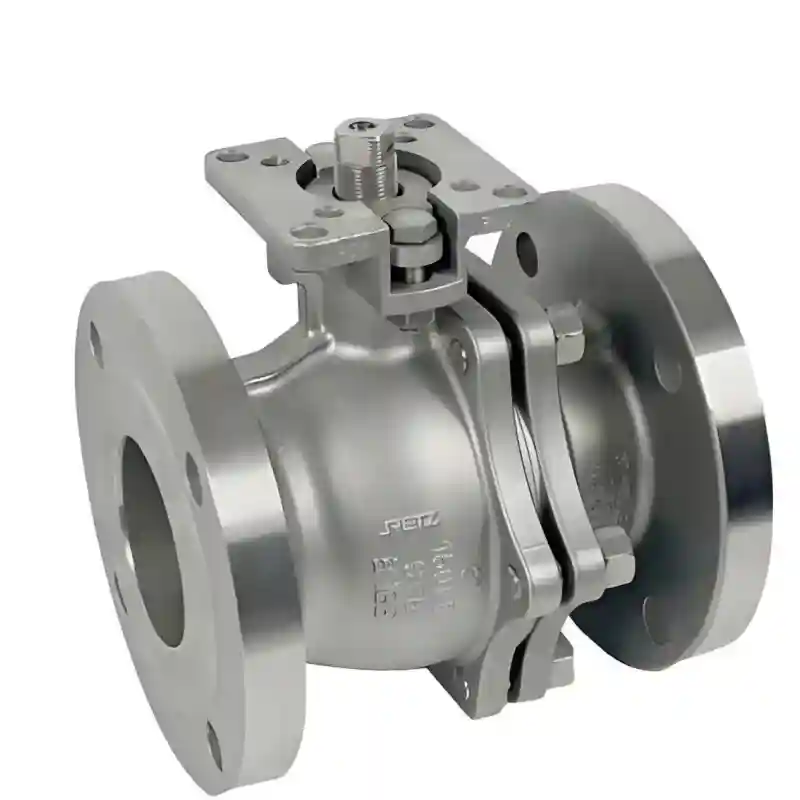
Three piece valve with 3-piece body design for in-line seat replacement without unpiping. Floating and trunnion types available in stainless steel, carbon steel.
Description
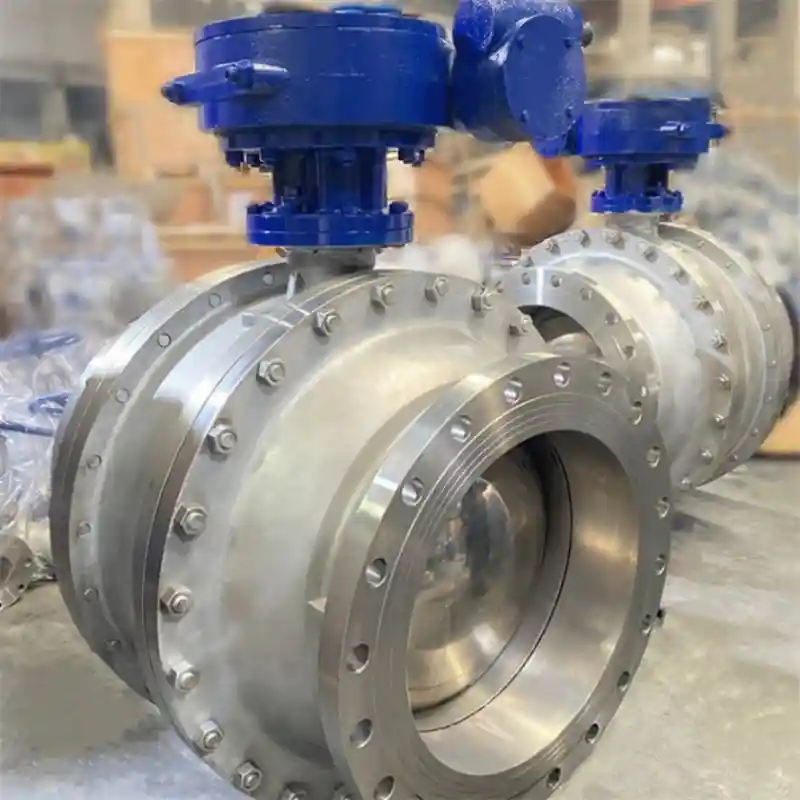
A three‑piece valve consists of three independent components: left‑body, middle‑body and right‑body, secured together by high‑strength bolts. The ball and seats are housed inside the middle‑body. When the stem rotates the ball through 90°, the flow path gets opened or closed for media isolation. Once the lateral bolts are loosened, the middle‑body together with internal ball and seats can be axially pulled out while the valve remains mounted on piping. Seat replacement can therefore be accomplished without removing the complete valve from the line. Thanks to this design, three‑piece valves deliver superior serviceability for both welded and flanged piping systems. The service time for seat renewal can be reduced from several hours (typical for two‑piece designs) to within one hour.
Material & Specification
| Parameter | Specification Range |
|---|---|
| Valve Body | WCB / CF8 (304) / CF8M (316) / 316L / LF2 (low‑temperature carbon steel) / Duplex 2205 |
| Ball | Body‑equivalent material / 316L / Stellite hard‑faced overlay |
| Stem | 316L / 17‑4PH / Monel alloy |
| Seat | PTFE / RPTFE / TFM / PEEK / Metallic seat (Stellite or tungsten carbide hard‑faced overlay) |
| Nominal Size | DN15 ~ DN600 (1/2“ ~ 24”) |
| Pressure Class | Class 150 / 300 / 600 / 900 / 1500 / 2500 |
| Construction Type | Floating type — DN ≤ 200 / Class ≤ 600; Trunnion mounted — DN ≥ 250 / Class ≥ 900 |
| End Connection | Flange (ASME B16.5 / EN 1092‑1) / Butt weld / Socket weld / Thread (NPT/BSPT) / Tri‑Clamp |
| Face‑to‑Face Dimension | ASME B16.10 / EN 558 |
| Fire‑Safe Option | API 607 / ISO 10497 (optional) |
| Anti‑Static Design | Built‑in anti‑static assembly between stem and ball as standard |
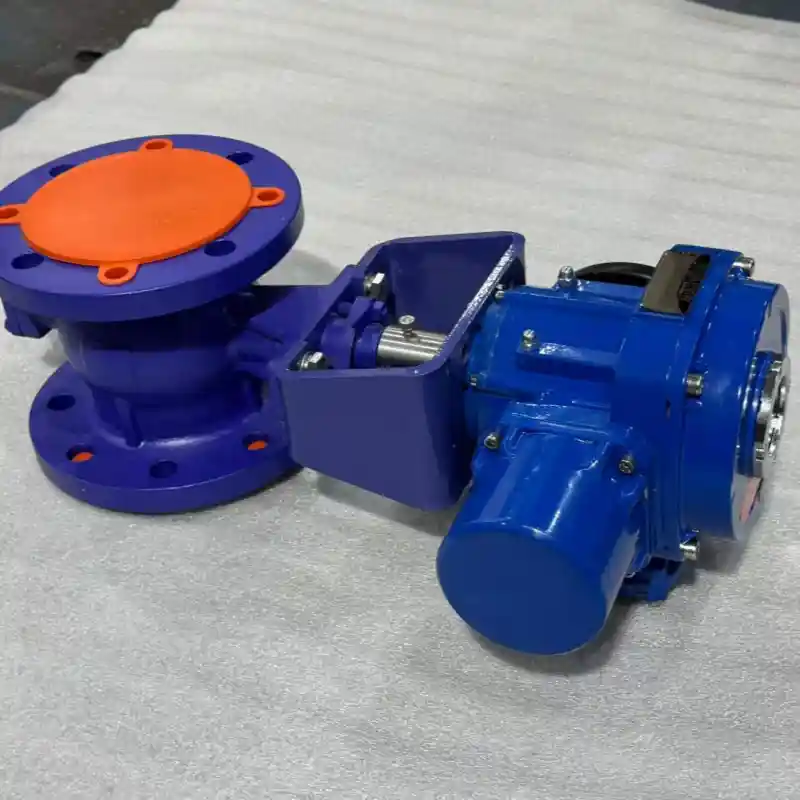
| Actuator Mounting Pad | ISO 5211 direct‑mount platform (F03/F05/F07/F10/F12) |
| Low‑Emission Packing | ISO 15848‑1 (optional) |
| Internal Surface Finish | As‑cast / Mechanically polished / Electropolished (sanitary grade) / Pickled & passivated |
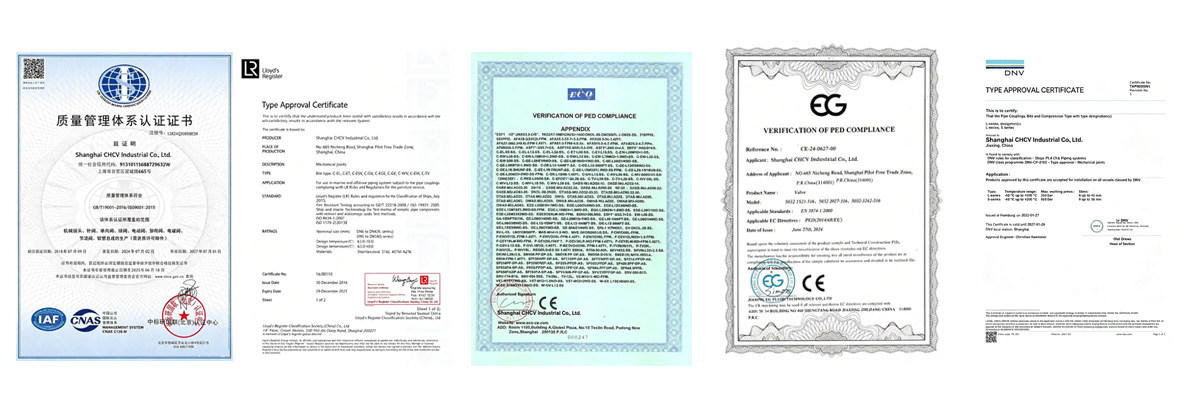
| Material Certificate | EN 10204 3.1 / 3.2 (available upon request) |
Core Feature: In‑Line Maintenance
The standout merit of three‑piece valves lies in their in‑line cartridge‑pull maintenance capability.
For flanged installations: Conventional two‑piece ball valves demand full valve disassembly from flanges, overhead lifting equipment for onsite removal, off‑site workshop dismantling, seat renewal, followed by reinstallation, gasket replacement and realignment. Three‑piece configurations eliminate such cumbersome workflows. Technicians simply loosen the bolts securing the middle‑body on‑site within pipe racks, extract the middle‑body assembly, swap out worn seats and reassemble. The two end‑flanges stay firmly connected to piping; flange gaskets and flange bolts remain untouched.
For welded installations: Once seats degrade inside a welded two‑piece ball valve, pipe cutting is mandatory to detach the whole valve. Post‑repair re‑welding and non‑destructive weld inspection are further required. By contrast, three‑piece welded ball valves keep left‑ and right‑bodies permanently welded to piping during middle‑body extraction, leaving pipe integrity fully intact.
Working‑hour comparison (DN150 flanged valve example): Complete seat replacement for a two‑piece valve, covering lifting, flange decoupling, gasket renewal and realignment, consumes roughly 4 working hours. The three‑piece in‑line cartridge‑pull procedure takes approximately 1 hour, cutting labour input by around 75 % with no overhead lifting apparatus required.
Application Scenarios
Three‑piece valves are widely deployed across multiple industries:
- Edible‑oil & fat refining: Piping carrying high‑temperature vegetable and animal fats, where PTFE seats require periodic replacement.
- Chemical & petrochemical sectors: Slurry pipelines carrying solid‑particle‑laden media as well as acid‑alkali streams, subject to frequent seat abrasion.
- Pharmaceutical & biotech: Sterile raw‑material lines and WFI (Water for Injection) distribution networks where seats are scheduled consumable components.
- Refining & natural gas: High‑temperature high‑pressure steam lines and H₂S‑containing sour‑media service, normally fitted with metallic seats.
- Water treatment & desalination: High‑salinity process piping allowing convenient periodic inspection for seat corrosion.
Field Application Case
At Cargill Deutschland GmbH (Harburger Schloßstraße 55, 21079 Hamburg, Germany), three‑piece flanged ball valves serve as isolation devices on the discharge vacuum piping of a deodorization tower. This tower processes soybean and rapeseed oil under operating temperatures of 240 °C‑260 °C and absolute vacuum pressure of 5‑10 mbar. The installed valve size is DN150, constructed in 304 stainless steel with PTFE seats.
Hot vegetable oil induces gradual thermal ageing of PTFE seats under sustained high‑temperature service. Seats become rigid and lose elasticity over time, which degrades shut‑off sealing performance. Each valve weighs 120 kg and sits 3.5 m above ground within pipe‑rack structures. If two‑piece flanged ball valves had been adopted, every seat‑replacement cycle would involve unbolting end‑flange connections, lifting heavy valves down from height using mobile cranes, performing component overhaul in workshops, hoisting assemblies back on‑site, installing fresh gaskets and re‑aligning flange bolt holes. The whole cycle takes around 4 hours and entails overhead lifting hazards.
After switching to three‑piece flanged ball valves, maintenance operators loosen middle‑body fastening bolts directly from pipe‑rack walkways. The middle‑body assembly (approx. 40 kg, one‑third of total valve weight) is pulled onto on‑site maintenance supports. Once seat renewal finishes, technicians push the middle‑body back into position and retighten bolts. End‑flange joints remain undisturbed; gaskets and flange bolts do not need rework. No lifting gear is needed and high‑altitude hoisting risks are eliminated. One‑off seat replacement finishes within roughly 1 hour. Since 2020, the plant has retrofitted all deodorizer‑outlet isolation valves to three‑piece variants. Five‑year maintenance records show single‑unit servicing consistently lasts 1‑1.5 hours, with zero unplanned production shutdowns triggered by valve‑related maintenance activities.