








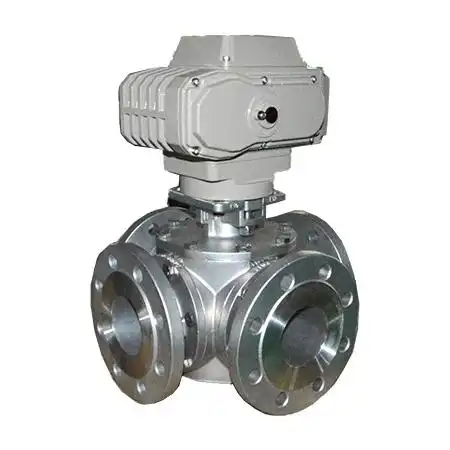
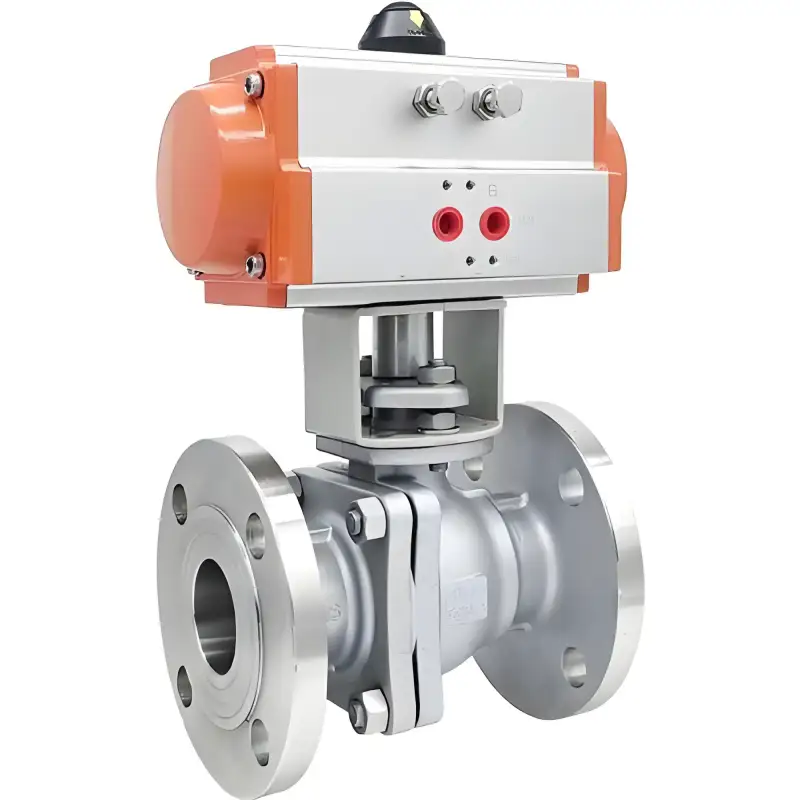
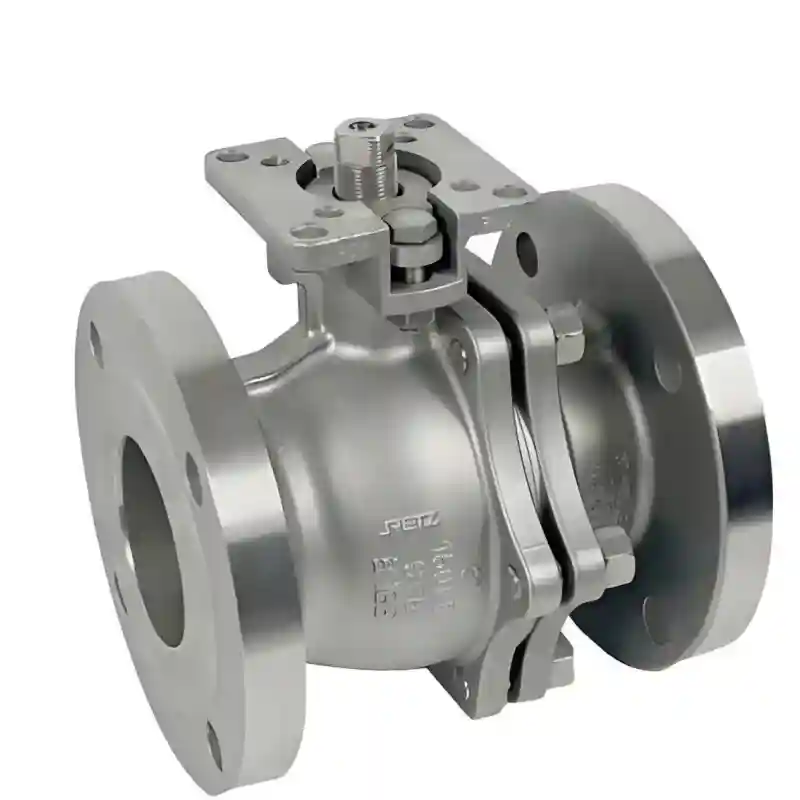
Three Way Hydraulic Ball Valve – High Pressure Sealing for HPU
Three way hydraulic ball valve in SS316 for 5000 PSI systems. Double piston effect seat design ensures zero leakage. L/T-port for diverter and mixing. Ideal for offshore HPU and heavy machinery.
Description
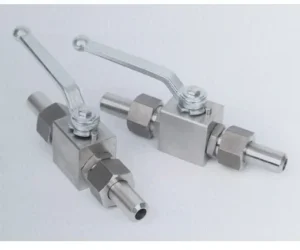
A three way hydraulic ball valve is purpose‑built for high‑pressure hydraulic circuits. Ball rotation enables diversion, splitting and merging of pressurized hydraulic oil within hydraulic piping. Its typical working pressure spans 3,000 PSI to 6,000 PSI, with peak capability reaching 10,000 PSI. It is widely deployed within heavy‑duty hydraulic loops for construction machinery, marine steering gear, offshore oil‑and‑gas platform hydraulic power units (HPU), and wellhead safety control assemblies.
What sets this hardware apart from general‑purpose industrial three‑way ball valves is its specialized high‑pressure sealing competence. Within hydraulic installations, Internal Leakage may cause actuator drift and pressure‑holding failure; meanwhile, External Leakage introduces safety hazards plus environmental contamination. Thanks to dedicated high‑pressure sealing architecture, the three way hydraulic ball valve delivers zero internal leakage across ball‑seat interfaces and zero external leakage at the stem under full rated operating pressure.
High‑Pressure Sealing Mechanism
Superior sealing performance originates from these core design features:
‑ PEEK seat material: Polyetheretherketone seats exhibit outstanding Creep Resistance and dimensional stability under heavy loading. They maintain stable elastic sealing contact pressure within 3,000‑6,000 PSI operating range, outperforming conventional PTFE significantly.
‑ Double Piston Effect (DPE): System pressure acts against the rear face of each seat, pushing sealing surfaces tighter against the ball. This positive‑feedback effect generates tighter sealing as working pressure rises, eliminating seat creep‑triggered leakage under pressure pulsation conditions.
‑ Triple‑layer stem sealing: A combined stack of O‑ring, PTFE packing and metal dust‑excluding wiper delivers long‑term external‑seal reliability under frequent hydraulic shock cycles.
‑ Hardened ball surface: Balls receive Hard Chrome Plated or Inconel 718 hard‑faced overlay treatment, achieving surface hardness above HRC 60. This greatly mitigates wear on mating sealing surfaces during repeated high‑pressure switching cycles.
Specifications & End Connections
| Parameter Item | Specification Details |
|---|---|
| Nominal Size | 1/4″ ~ 2″ (DN8 ~ DN50) |
| End Connection | NPTF thread / SAE JIC 37° flare / BSPP thread / SAE flange (Code 61/62) |
| Pressure Rating | 3,000 PSI ~ 6,000 PSI (10,000 PSI optional) |
| Temperature Range | ‑20°C ~ 150°C (PEEK seat) |
| Flow‑Port Variant | L‑Port (flow switching) / T‑Port (mixing or diverting) |
| Body Material | A105 forged steel (Zn‑Ni plated) / A182 F316 stainless steel |
| Ball Material | 316L stainless steel / 4340 alloy steel (hard‑chrome plated) |
| Seat Material | PEEK (standard) / PTFE with metal backup (optional) |
| Stem Seal Assembly | O‑ring + PTFE packing + metal dust wiper (triple‑seal structure) |
| Operation Type | Manual lever / Lockable handle / Pneumatic actuator |
Flow‑Port Selection Guidance
‑ L‑Port: Optimized for diverting high‑pressure feed oil between separate actuators or circuit branches. Typical implementations include pilot‑hydraulic path re‑routing and change‑over between main‑pump and emergency‑pump supply flows.
‑ T‑Port: Designed for combining two pressurized oil streams into one outlet, or dividing one incoming flow into two separate outputs. Representative use‑cases cover dual‑pump combined‑feed oil delivery, plus three‑state switching for accumulator charging‑isolation‑depressurization sequences.
Typical Application Sectors
This valve delivers proven operational reliability across diverse high‑pressure hydraulic environments:
‑ Hydraulic Power Unit (HPU) accumulator isolation: Executes three‑mode switching for accumulator branches: charging, isolation and depressurization. Zero internal leakage is mandatory for long‑term pressure‑holding duties.
‑ Wellhead Control Panels (WHCP): Re‑routes hydraulic supply fluid for subsea or surface safety valves (SSV/BDV). Fire‑safe performance and extreme sealing dependability are required.
‑ Construction‑machinery pilot control loops: Pilot‑supply switching for excavators, cranes and other mobile equipment, built to withstand cyclic high‑pressure shock loads.
‑ Marine steering‑gear and winch hydraulic systems: Main‑pump / emergency‑pump transfer for steering units, plus supply‑flow commutation for hydraulic winch motors.
Reference Application Case
At Siemens Energy AG’s accumulator‑isolation retrofit project for the hydraulic power unit (HPU) on the Snorre B platform in the Norwegian North Sea (Case 2), three way hydraulic ball valve units (T‑Port, top‑entry in‑line maintainable construction, A182 F316 stainless‑steel body, Inconel 718 hard‑faced ball, DPE seat architecture, auxiliary metal‑to‑metal sealing, SAE flange ends) were fitted onto HPU accumulator‑branch manifolds.
Snorre B represents a major oil‑and‑gas production installation within the Norwegian North Sea. Its HPU delivers 5,000 PSI hydraulic supply for subsea wellhead control valves. Multiple accumulator banks are deployed to damp system‑pressure fluctuations; each bank relies on three‑way valves to accurately toggle between charging, isolation and depressurization states. Previously‑sourced imported three‑way ball valves repeatedly developed micro‑leakage induced by PEEK‑seat creep under 5,000 PSI continuous pressure. Seal‑component replacement was required roughly every six months, disrupting platform production continuity.
After deployment of these three way hydraulic ball valve, DPE seat geometry leverages system operating pressure to force seats firmly against ball surfaces. This positive‑feedback sealing mechanism completely eliminates creep‑related leakage under sustained pressure‑holding conditions. Following 14 months of continuous service at 5,000 PSI working pressure, leak‑testing validation demonstrated internal leakage below the 0.1 cc/min threshold specified within API 598, with zero external fugitive emission. The end‑user has designated this valve as standard hardware for HPU accumulator isolation duties, and the same configuration will be adopted for all future new‑build offshore platforms.
Quality Assurance
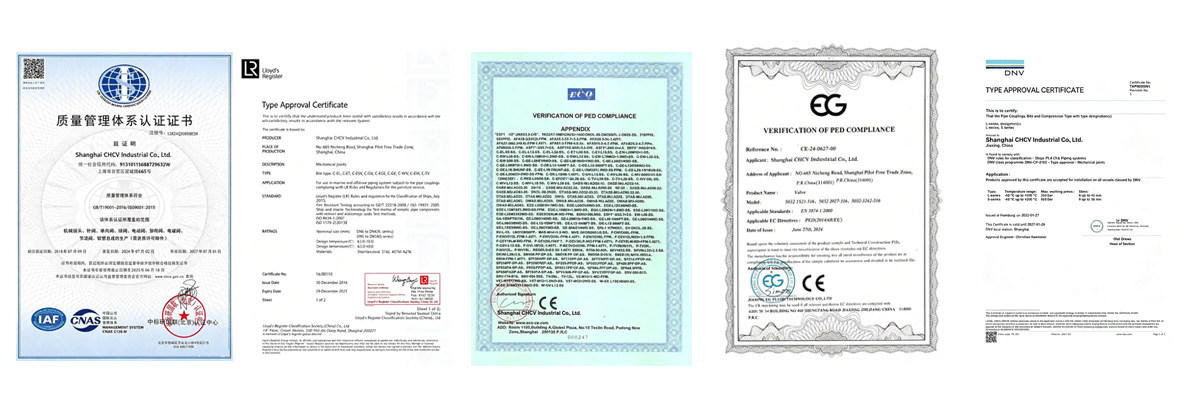
The product complies with API 6D pipeline‑valve standards together with ASME B16.34 design specifications, and optional API 607 fire‑safe certification is available. Every unit undergoes 100 % hydrostatic shell‑strength testing (1.5 × rated pressure), as well as bi‑directional seat tightness testing held at 1.1 × rated pressure for 5 minutes with zero allowable leakage. Such validation guarantees stable long‑term performance under rigorous high‑pressure operating conditions.