
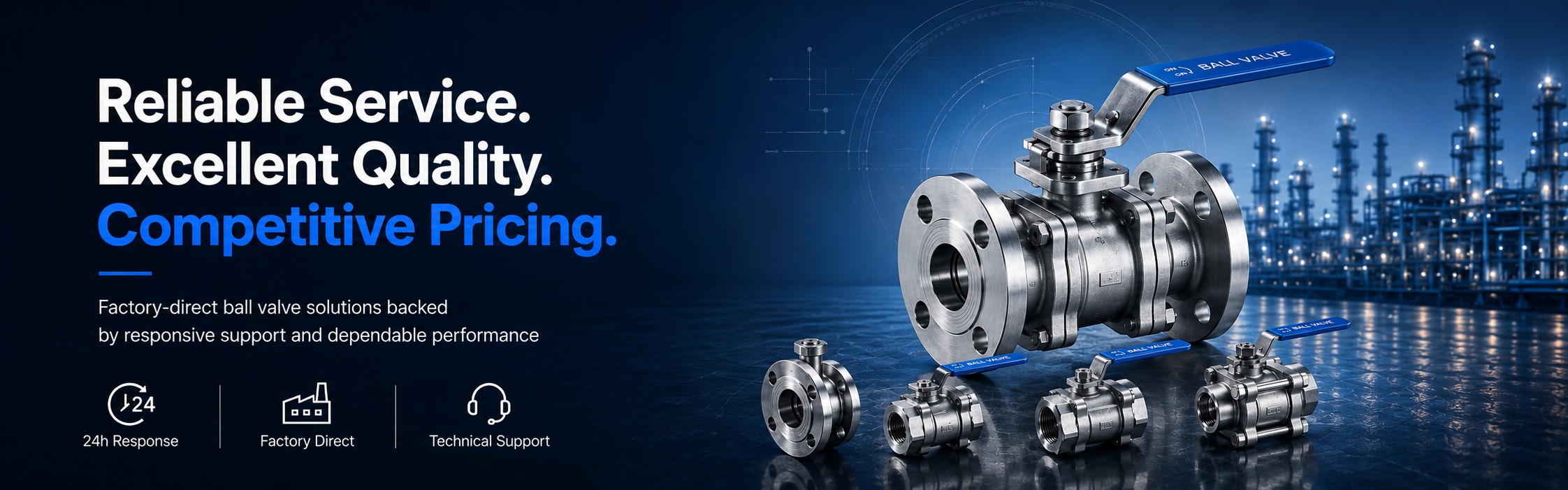







Soft Seated Ball Valve with Class VI Zero-Leakage for Solvent Recovery Units
Soft seated ball valve achieves Class VI zero leakage per ISO 5208 Rate A. Used in Novartis solvent recovery system. PTFE seat, corrosion-resistant. Inquire today.
Description
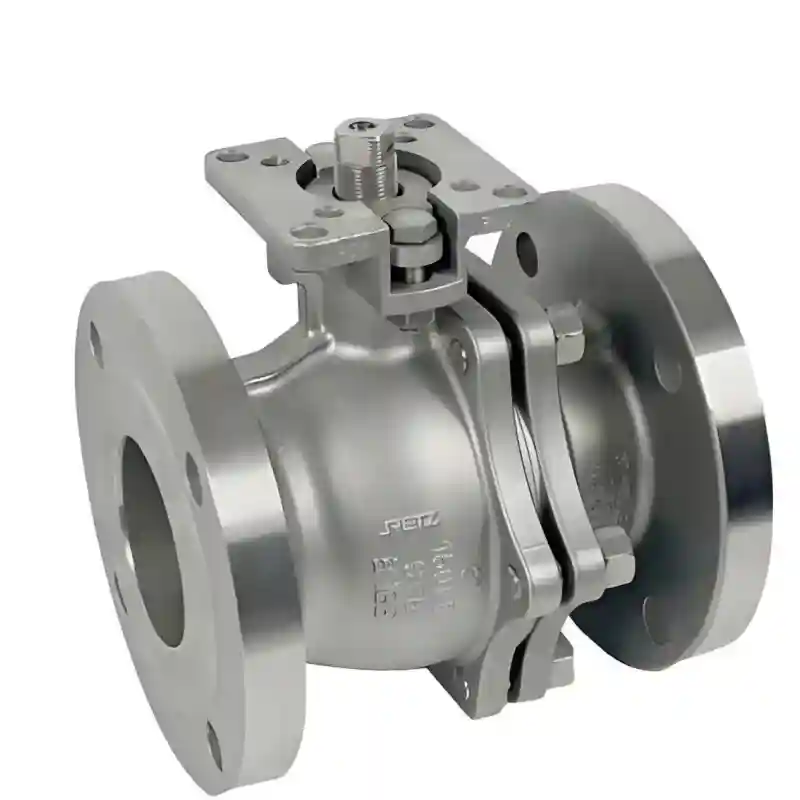
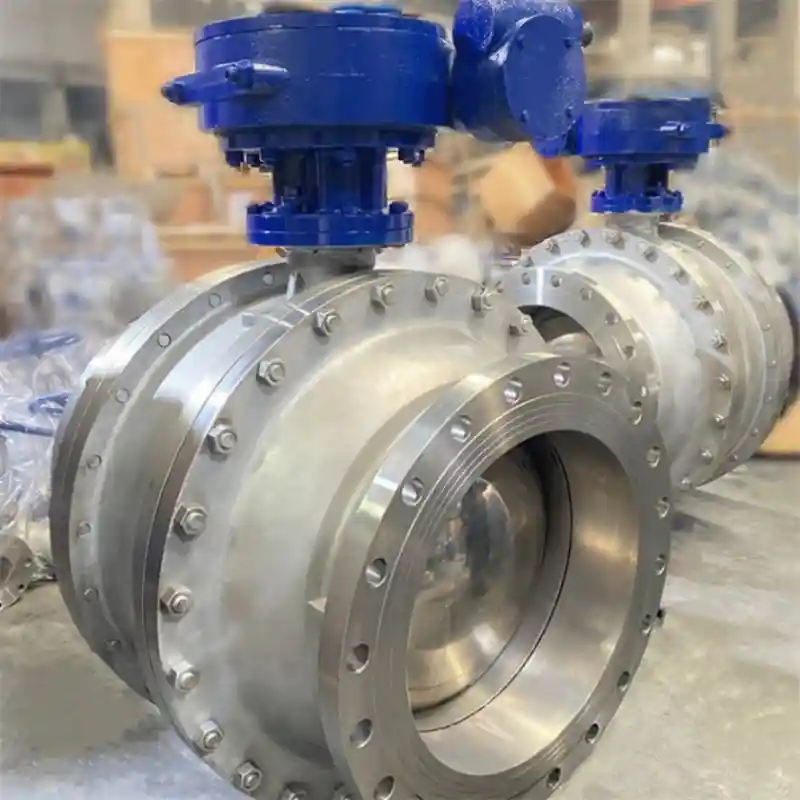
In chemical, pharmaceutical, and high‑purity media processing, internal valve leakage leads not only to product loss and wasted energy but also to potential safety risks and environmental contamination. The soft‑seated ball valve addresses this challenge by using a polymeric seating material—such as PTFE, reinforced PTFE, PEEK, or nylon—which, under spring preload and line pressure, conforms closely to the precision‑ground spherical surface. This arrangement delivers genuinely bubble‑tight shutoff, achieving a Class VI sealing rating.
Compared with metal‑seated designs, the resilient seat of a soft‑seated valve can accommodate minor out‑of‑roundness and superficial scratches on the ball, creating a larger effective contact area with lower specific sealing stress. Consequently, it attains a higher leakage class while requiring less operating torque. Under standard conditions, a PTFE‑seated soft‑sealed ball valve complies with ISO 5208 Rate A—demonstrating zero pressure drop over a 15‑minute hold in bidirectional tests.
Materials and Specifications
| Parameter | Specification |
|---|---|
| Nominal Diameter (DN) | DN15 – DN600 (½″ – 24″) |
| Pressure Rating | PN10 – PN100 / Class 150 – Class 600 |
| Body Material | CF8M / F316L Stainless, WCB Carbon Steel, Hastelloy |
| Seat Material | PTFE, Reinforced PTFE (25 % carbon fibre), PEEK, Nylon (PA) |
| Ball Material | 316L Stainless / Hastelloy, with electroplated or mirror‑polished surface |
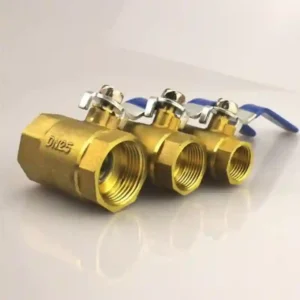
| End Connections | Flanged (RF/FF), Butt‑Weld, Threaded (NPT/BSP), Tri‑Clamp |
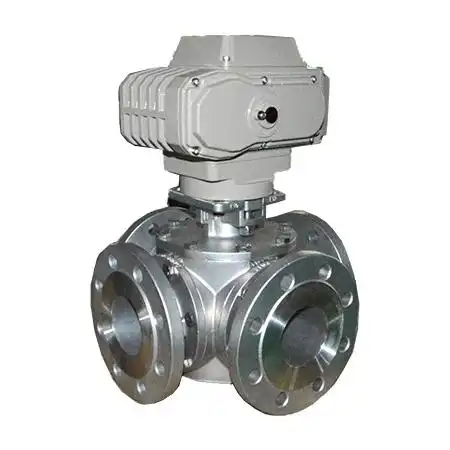
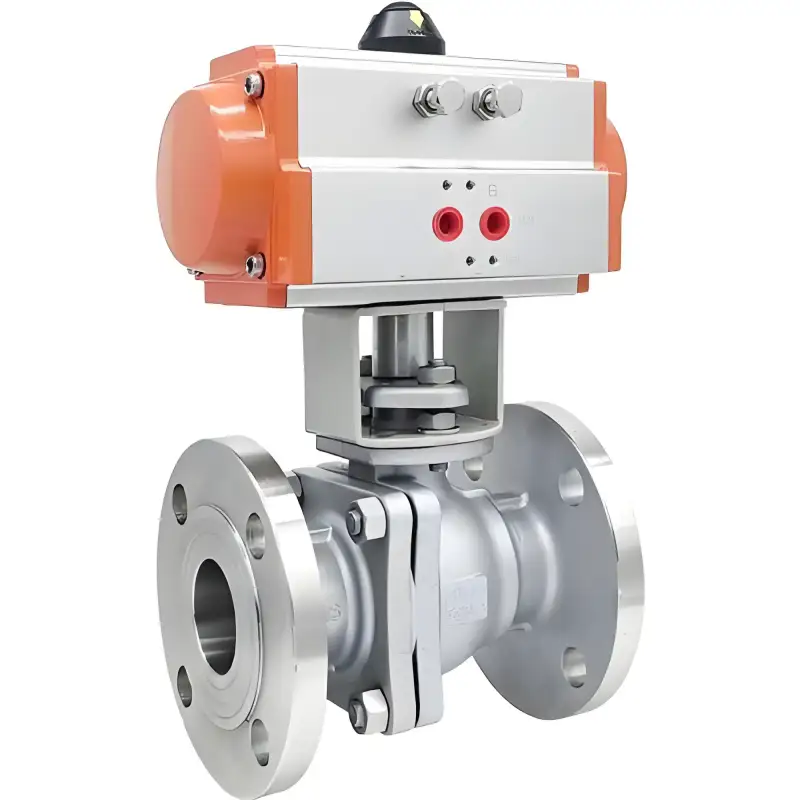
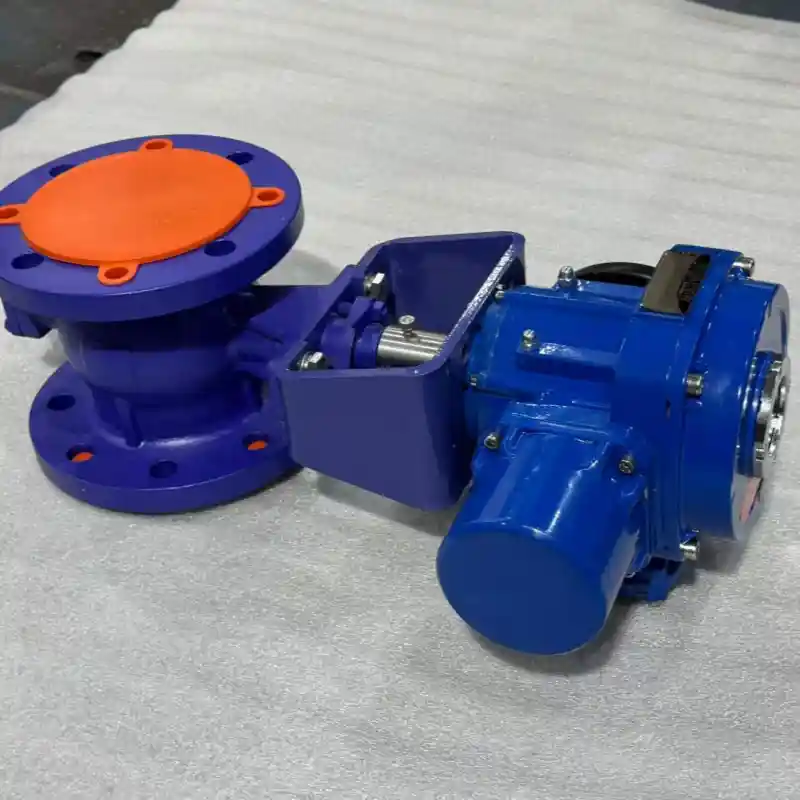
| Actuation | Manual Lever, Gearbox, Pneumatic, Electric |
| Design Standards | API 608 / ISO 17292 / ASME B16.34 |
| Leakage Rating | Class VI, ISO 5208 Rate A (zero leakage) |
| Temperature Range (PTFE) | –20 °C to 150 °C |
| Temperature Range (PEEK) | –20 °C to 260 °C |
| Anti‑static (optional) | Per API 608 / BS 5351 |
| Fire‑safe (optional) | Per API 607 / ISO 10497 |
Typical Applications
-
Distillation overhead condensate and reflux lines in pharmaceutical solvent recovery
-
Ultrapure water (UPW) preparation systems for semiconductor fabrication
-
Sanitary pipelines in food and beverage plants (CIP/SIP cleaning circuits)
-
Metering section isolation at natural gas city gate and pressure‑regulating stations
-
General acid/alkali and organic solvent lines in chemical plants
-
Instrument air, compressed air, and nitrogen distribution networks
Field Example – Novartis Basel API Plant (Ethanol Recovery Distillation)
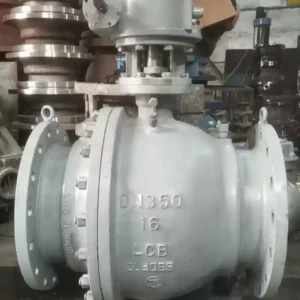
At Novartis’s active pharmaceutical ingredient facility in Basel, Switzerland, a DN50 PN25 PTFE‑soft‑seated ball valve was installed on the overhead condensate outlet of an ethanol recovery distillation column. The recovered ethanol may contain trace acidic by‑products, but at very low concentrations (pH ≈ 6.0), which do not significantly attack the PTFE seat. This valve features a dual‑seat design with pre‑loaded springs, ensuring constant contact pressure between the seats and the ball at all times.
During the plant’s annual requalification verification in 2023, the valve underwent a seat‑leakage test per ISO 5208 Rate A at 1.0 MPa nitrogen pressure. The measured leakage was just 0.01 mL/min—well below the in‑house Class VI limit specified in the site’s SOP. By comparison, historical data for the previously used metal‑seated ball valves in the same service showed leakage around 1.8 mL/min (roughly Class IV). This comparison clearly demonstrates the inherent sealing superiority of the soft‑seated design. The Novartis project engineer noted in the validation report that the higher leakage integrity provided by the soft seal was critical for preventing solvent vapour escape and maintaining stable column pressure. He further recommended progressively replacing isolation valves in similar duties with soft‑seated ball valves.
Selection Guidelines
When choosing a soft‑seated ball valve, pay special attention to the following three aspects:
-
Chemical compatibility of seat material – PTFE resists nearly all chemicals, but it cannot tolerate high temperatures, molten alkali metals, or free fluorine. PEEK offers a higher temperature ceiling, but at a significantly greater cost; nylon is unsuitable for strong acids. Always verify the pH, temperature, and pressure range of the service medium, and request a chemical compatibility chart from the seat supplier if needed.
-
Media cleanliness – The PTFE seat can be easily scored by hard particulates (sand, weld slag, metal debris), leading to seal failure. For streams containing solids or before new piping is thoroughly flushed, install a temporary strainer (Y‑type or T‑type) upstream of the valve.
-
Cycling frequency and service life – Typical cycle life for a soft‑seated ball valve ranges from 10,000 to 20,000 full strokes, depending on differential pressure, temperature, and media type. For high‑frequency actuation, choose reinforced PTFE (with carbon or glass fibre filler), which offers 2–3 times better wear resistance than unfilled PTFE.