
Brass Ball Valve Pressure Rating: What to Check
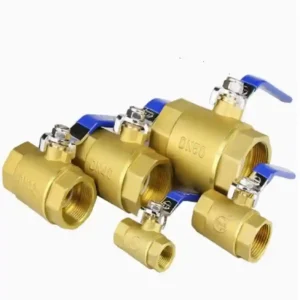
A brass ball valve pressure rating is a question that must be checked against the exact model. Nominal size describes only part of the flow path and cannot determine the allowable pressure by itself. Body construction, end connection, seat and seal, temperature, medium, and the manufacturer’s rating table may all affect the final boundary. During procurement, do not copy one number from a search result into a project document.
The pressure rating must also be considered together with the installation method. Threaded ends, solder ends, press ends, and combinations with adapters have different load and testing conditions. High temperature can change the suitability of seals, while particulate or corrosive media can change the material decision. If the valve is used for product contact, oxygen, or special chemicals, carry out a separate material and cleanliness review.
Where Should You Read a brass ball valve pressure rating?
Start with the formal data sheet, catalogue, or manufacturer selection page for the specific series. Confirm that the model, size, end connection, and temperature conditions all correspond. If a document only says “general brass ball valve” and gives no seat, connection, or temperature information, it cannot serve as complete pressure evidence for a 3/4-inch model. The supplier quotation and inspection documents should use the same model.
Can a brass ball valve 1/4″ pressure rating Replace 3/4-Inch Data?
A brass ball valve 1/4″ pressure rating can be a search entry for an adjacent size, but it cannot replace the rating data for a 3/4-inch valve. Different sizes may have different body thicknesses, flow paths, connections, and seat combinations. Even when the appearance is similar, request the pressure-temperature table for the corresponding model and size.
How Can ball valve pressure rating standards Be Kept Separate?
The term ball valve pressure rating standards may involve a product standard, connection standard, pressure-class marking, and test method. These are not the same field. Procurement documents should distinguish the design or working boundary, test conditions, connection rating, temperature derating, and applicable medium. When a marking such as Class, WOG, bar, or psi appears, confirm its definition and service conditions before comparing it.
How Should 800 ball valve pressure rating and 800# ball valve pressure rating Be Read?
The wording 800 ball valve pressure rating and 800# ball valve pressure rating is similar, but the actual service cannot be judged from the number alone. Confirm whether the marking belongs to the specific product series, its temperature range, connection form, and test definition. A class 800 ball valve pressure rating in bar also cannot be converted into an allowable field value without its temperature and standard.
Does brass ball valve material specification Affect Pressure Selection?
A brass ball valve material specification cannot explain pressure capability in isolation, but it is part of a complete check. The material combination of the body, ball, stem, seats, and seals defines the medium and temperature boundary, while the threaded or soldered end structure affects connection loads. File the material information together with the rating table.
📌 Case Setting: Kuala Lumpur Fuel-Station Utility Pressure Review
PES Oil & Gas Services Sdn. Bhd. publicly describes services including piping and fitting supply and installation, pump maintenance, pipeline integrity testing, and pressure testing. In this case setting, PES evaluates replacing 3/4-inch brass ball valves on general utility-water and equipment-cleaning branches at a fuel-station facility. The CHCV approach does not treat nominal size as the pressure rating. It first records the medium, normal and peak temperatures, working pressure, end connections, and seat and seal combination, then requests the rating table, test conditions, and inspection documents for the exact model. If a valve is near fuel, chemical cleaning, or high-temperature equipment, that branch is separated for a new material and seal review.
Pressure Verification Checklist
Before ordering, record the exact model, nominal size, end connection, body and internal materials, seat and seals, medium, minimum and maximum temperatures, working pressure, test method, and applicable standard. When the documentation is incomplete, write “subject to technical confirmation” rather than replacing the missing evidence with a precise-looking number.
For product and technical reference, visit CHCV. Related reading: Brass Ball Valve Specification.