
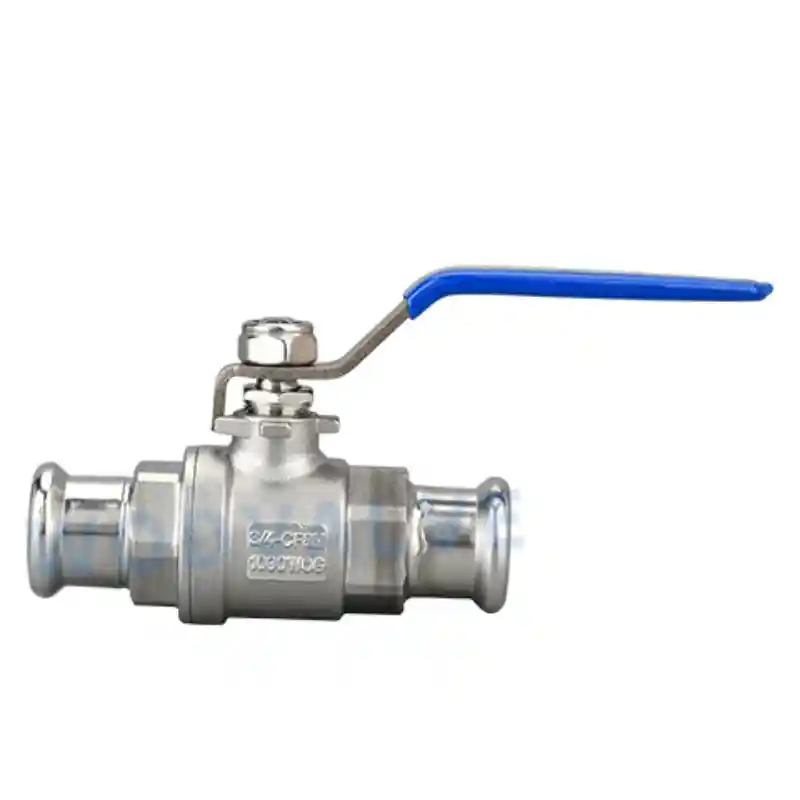
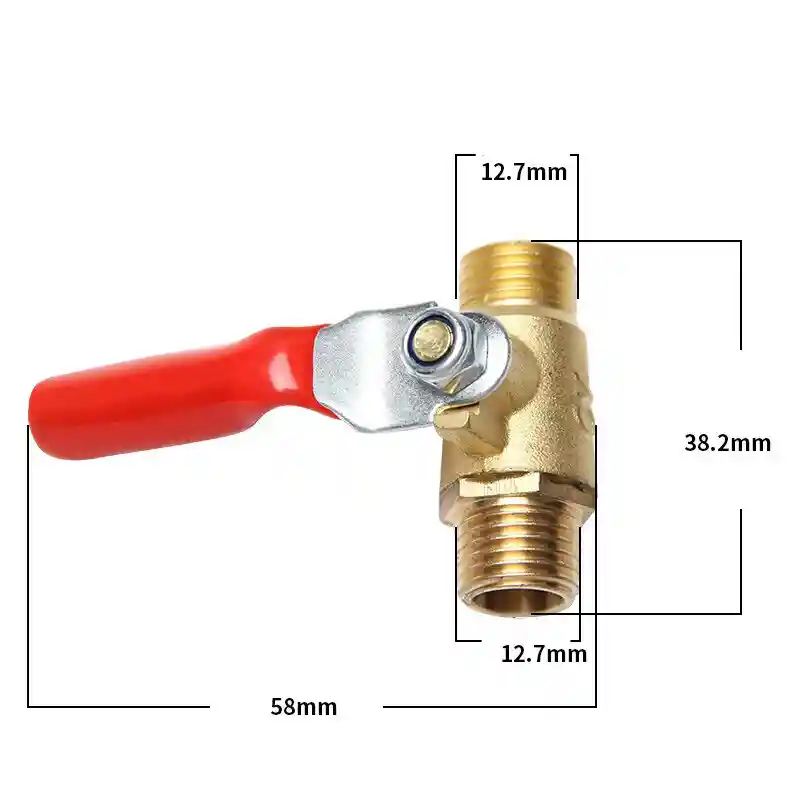
1/2″ Ball Valve with Bleeder – Pressure Relief & Residual Bleed
Discover durable 1/2″ ball valves with bleeder for precise pressure relief, residual bleed, and safe system maintenance. Ideal for gas, water, and oil applications.
Description
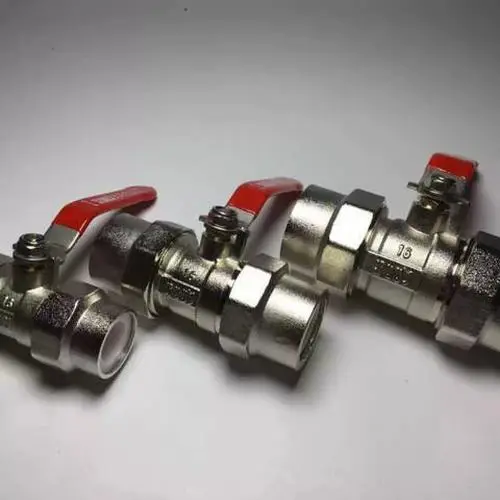
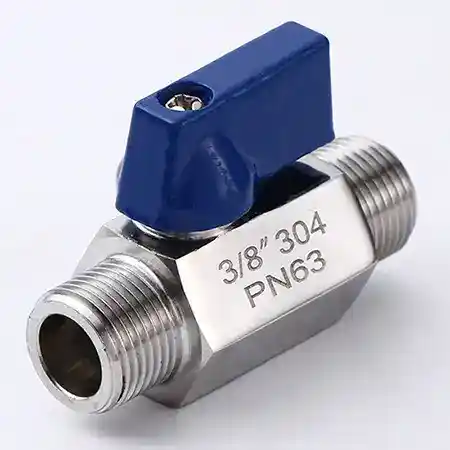
Within piping systems, the 1/2″ ball valve with bleeder functions as a combined control device that offers both isolation and depressurisation capabilities. Its primary role is to start or stop media flow via a quarter‑turn ball mechanism; beyond that, its integrated venting structure allows residual pressure to be safely released from the valve cavity or downstream piping after the main valve has been closed.
This feature proves especially valuable during maintenance, inspection, or when thermal expansion could cause unsafe pressure buildup. It effectively eliminates the risk of disassembling pressurised lines, and serves as an essential accessory for ensuring long‑term system reliability. The design is particularly well suited for high‑pressure gas, steam, or liquid services, where it conveniently handles trapped pressure to protect both personnel and equipment.
Materials and Design Standards
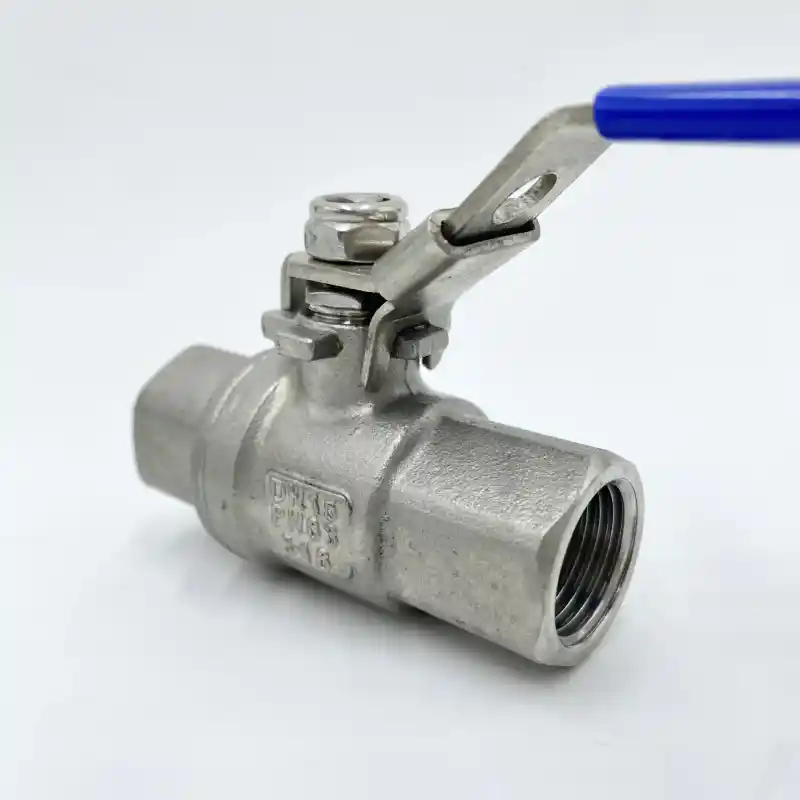
The valve body is available in ASTM A105 forged steel or A182 F316 stainless steel, accommodating a variety of corrosive and high‑temperature conditions. The ball and sealing surfaces are precision‑lapped to ensure low operating torque and bubble‑tight shutoff. Construction follows either 2‑piece or 3‑piece configurations, facilitating inline servicing without complete removal from the pipeline.
Specifications and Connection Options
-
Nominal size: DN15 (1/2″)
-
End connections: Threaded (NPT/BSP), socket weld, or butt weld
-
Pressure ratings: Class 800 / Class 1500 / 3000 PSI
-
Temperature range: –29°C ~ 230°C (dependent on seat material)
-
Actuation: Lever handle (locking device optional)
Detailed Explanation of the Bleeder Relief Function
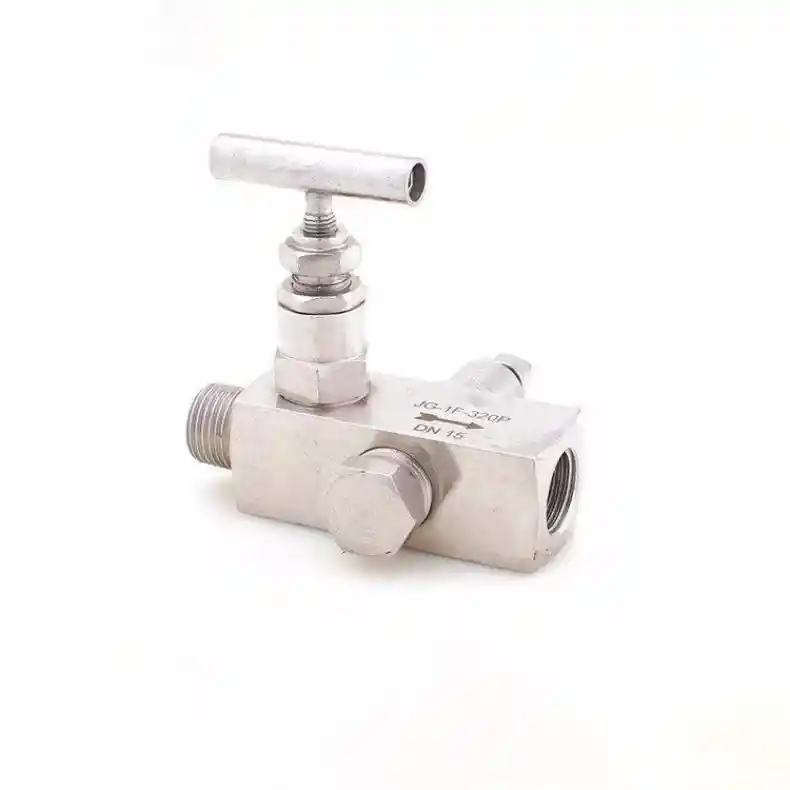
The bleeder is typically positioned on the side or bottom of the valve body, and takes the form of a needle valve or a small ball valve. When the main valve is closed, opening the bleeder safely vents any remaining pressure from the cavity into a designated receptacle or to atmosphere. This capability is critical for natural gas regulator stations, steam tracing systems, and chemical sampling panels—not only meeting safety regulations but also enabling subsequent seat leakage checks.
Technical Data Sheet
| Parameter | Specification |
|---|---|
| Size | 1/2″ (DN15) |
| Pressure rating | 3000 PSI / Class 1500 |
| Body material | A105 (carbon steel), F316 (stainless steel) |
| Ball material | SS304 / SS316 |
| Seat material | PTFE / RTFE / PEEK |
| Relief structure | Side‑mounted needle‑type or ball‑type bleeder |
| Fire‑safe design | API 607 / ISO 10497 |
| Antistatic device | Conductive spring between stem and ball |
| End connection | NPT / BSP thread |
Application Scenarios
-
Gas distribution branch venting – Used in city gas regulator cabinets to discharge residual gas from sections under maintenance.
-
Steam condensate recovery – Installed upstream of steam traps to facilitate draining of cold water and leftover vapour.
-
Hydraulic system blowdown – Periodically removes sediment and pressurised residual liquids from hydraulic power unit piping.
-
Instrument sampling systems – Releases stagnant media in dead legs before sample collection, ensuring representative results.
Case Study – Istanbul Urban Gas Network Retrofit
During the recent upgrade of ageing gas distribution infrastructure in Istanbul, the project authority imposed stringent requirements for “zero leakage and online depressurisation capability” on all pipeline accessories. In the first phase, approximately 300 regulator cabinets were involved, with each cabinet’s inlet and outlet fitted with 1/2″ ball valves with bleeder. The local engineering team leveraged the integral bleeder to successfully perform staged pressure relief and purging on branch lines without interrupting the main transmission pipeline—significantly improving both efficiency and safety. All valves supplied for this project passed API 607 fire‑safe testing and antistatic certification, and have since operated reliably, earning strong recognition from the end‑user.
Conclusion
The 1/2″ ball valve with bleeder is far more than a simple isolation valve; it is a comprehensive solution that combines primary shutoff, safe pressure relief, and residual‑pressure management in one unit. Whether for new installations or renovation of existing networks, its contribution to enhanced system safety and reduced maintenance costs should not be overlooked. To fully realise its benefits, it is essential to select products that meet established threaded ball valve manufacturer standards and to match the valve selection to the actual service conditions.