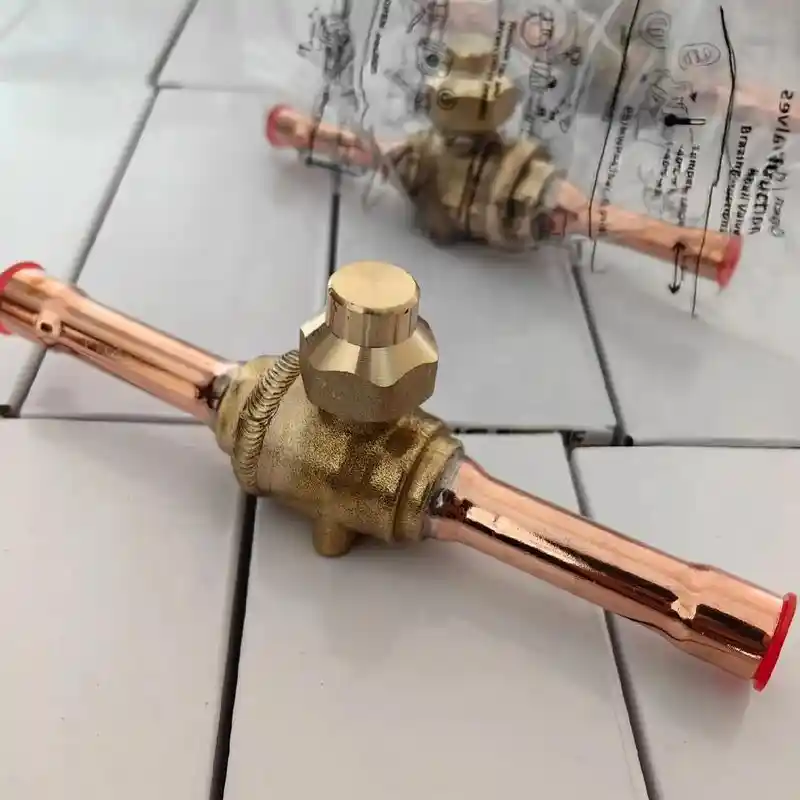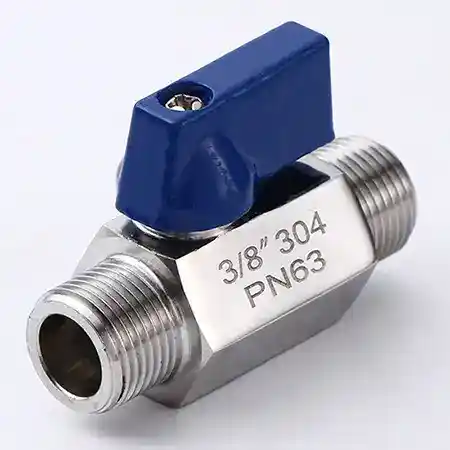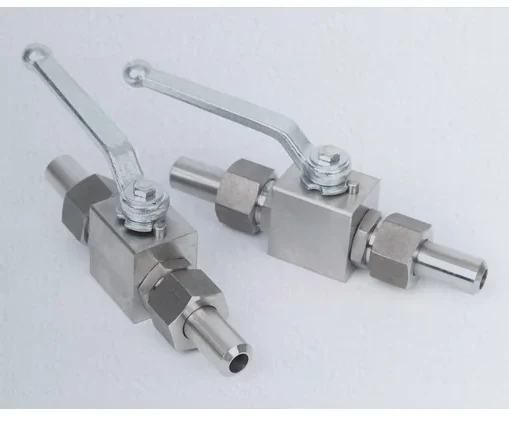

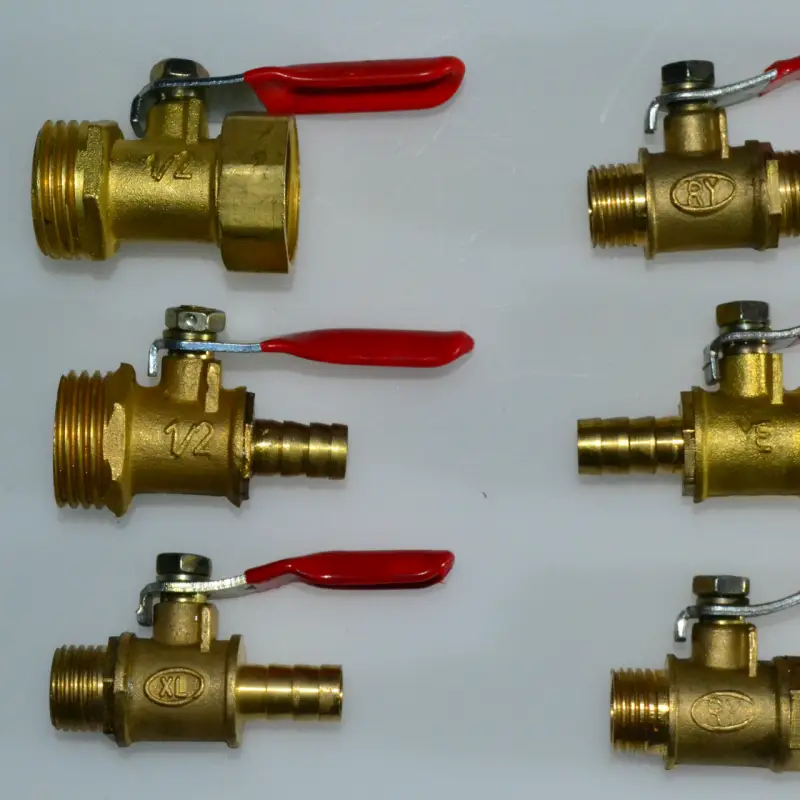

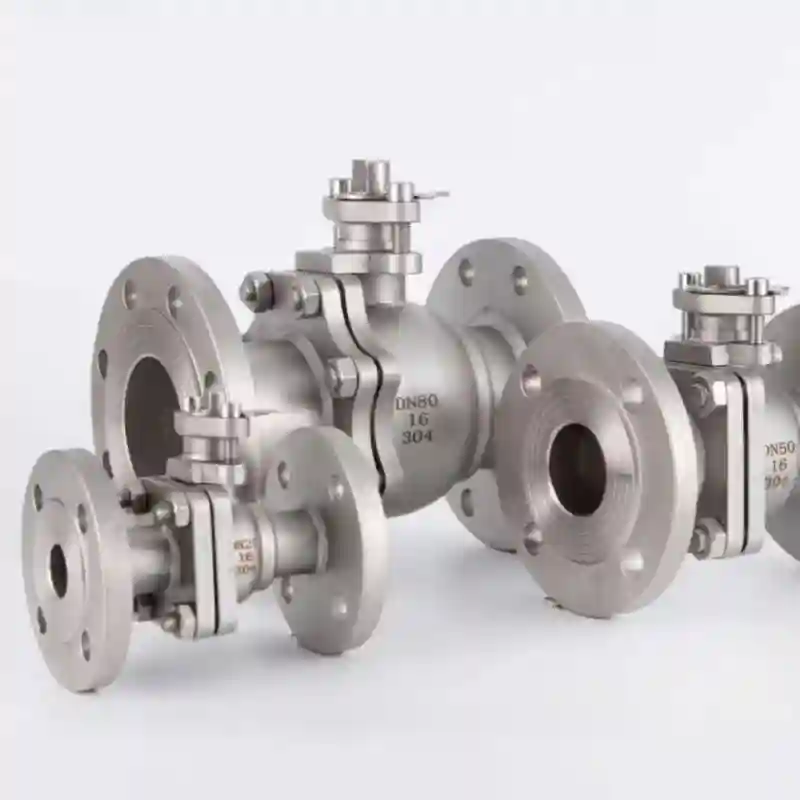
1″ Flanged Ball Valve | Full Port Carbon Steel for Industrial Piping
Discover our 1 inch flanged ball valve in carbon steel and stainless steel. Full port, fire-safe design for reliable shut-off in oil, gas, and water systems. Durable, low-torque, and long-lasting.
Description
In industrial piping systems, the 1″ flanged ball valve serves as an essential shutoff and control device. Its primary function is to rapidly open or close fluid flow by rotating the ball. Compared with threaded or butt‑weld ends, the flanged connection offers superior joint strength and sealing reliability, while also facilitating straightforward installation, disassembly, and maintenance—making it particularly suitable for medium‑to‑high pressure and larger‑bore industrial applications.
Construction and Materials
Our 1‑inch flanged ball valve is available in high‑grade carbon steel (WCB) or stainless steel (CF8M/316), providing robust resistance against a wide range of media including water, oil, natural gas, and various chemical solvents. The ball is precision‑lapped and paired with reinforced PTFE seats to ensure zero leakage in the closed position.
Key Attributes:
-
Connection: Flanged (ANSI Class 150 / 300 / PN16 / PN40)
-
Bore configuration: Full Port / Reduced Bore
-
Body materials: Carbon steel (WCB), Stainless steel (CF8, CF8M), Cast steel
-
Sealing materials: PTFE, RTFE, PEEK (for high‑temperature service)
-
Pressure ratings: Class 150, Class 300, PN16, PN40
-
Temperature range: –29°C ~ +250°C (depending on seal material)
-
Actuation: Lever handle, worm gear, pneumatic/electric actuator
Specification Sheet
| Parameter | Value |
|---|---|
| Nominal bore (DN) | DN25 (1 inch) |
| Pressure class | Class 150 / 300 / PN16 / PN40 |
| Body material | WCB (carbon steel), CF8M (SS316) |
| Ball material | SS304 / SS316 |
| Seat material | PTFE (standard), RTFE (reinforced), PEEK (high‑temp) |
| Flange standard | ANSI B16.5 / EN 1092‑1 / GB/T 9113 |
| Face‑to‑face dimension | ASME B16.10 |
| Suitable media | Water, oil, gas, mild acids/alkalis, steam |
Application Scenarios
Thanks to its reliable sealing performance and convenient maintenance features, the 1‑inch flanged ball valve is widely adopted in:
-
Oil & gas industry – as a block valve on main or branch pipelines for crude oil, refined products, and natural gas transmission.
-
Chemical and petrochemical sectors – on reactor inlet/outlet lines handling various corrosive chemical media.
-
Water treatment and environmental protection – used in large‑scale water facilities, often paired with pump discharge check valves or for line switching.
-
Power and energy generation – in cooling water circuits, lubrication systems, and certain low‑pressure steam lines.
Frequently Asked Questions (FAQ)
Q: What are the main advantages of a 1″ flanged ball valve over a threaded ball valve?
A: The primary benefits are higher mechanical strength and easier serviceability. Under elevated pressures (e.g., Class 300) or on larger bore sizes, the flanged joint provides more robust support to withstand piping stress. Additionally, flanged connections allow valve removal or replacement simply by unbolting—no hot‑work cutting is required—greatly reducing the difficulty and risk of inline maintenance.
Q: How do I select the right seat material based on the service medium?
A: Standard PTFE seats are suitable for most water, oil, and gas services within –29°C to 150°C. For higher temperatures (such as saturated steam), PEEK seats are recommended. If the medium contains particulates or the valve undergoes frequent cycling, reinforced RTFE seats offer improved wear resistance, effectively extending the valve’s service life.