
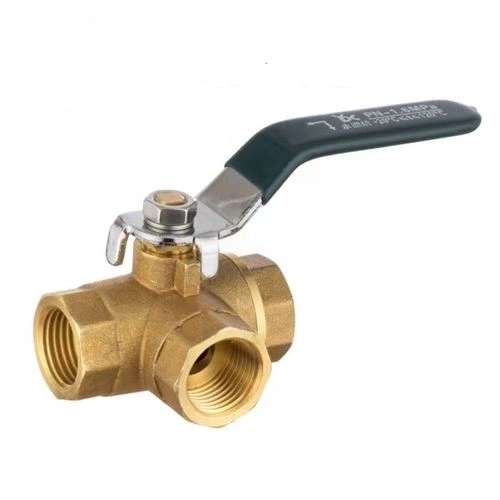
Brass 3 Way Ball Valve – Full Port L/T Port for Water Systems
Brass 3 way ball valve with full port design, L-port and T-port options for flow switching and mixing. Lead-free CW617N brass, PTFE seats, NPT/BSP threads. NSF/ANSI 61 certified for potable water systems.
Description
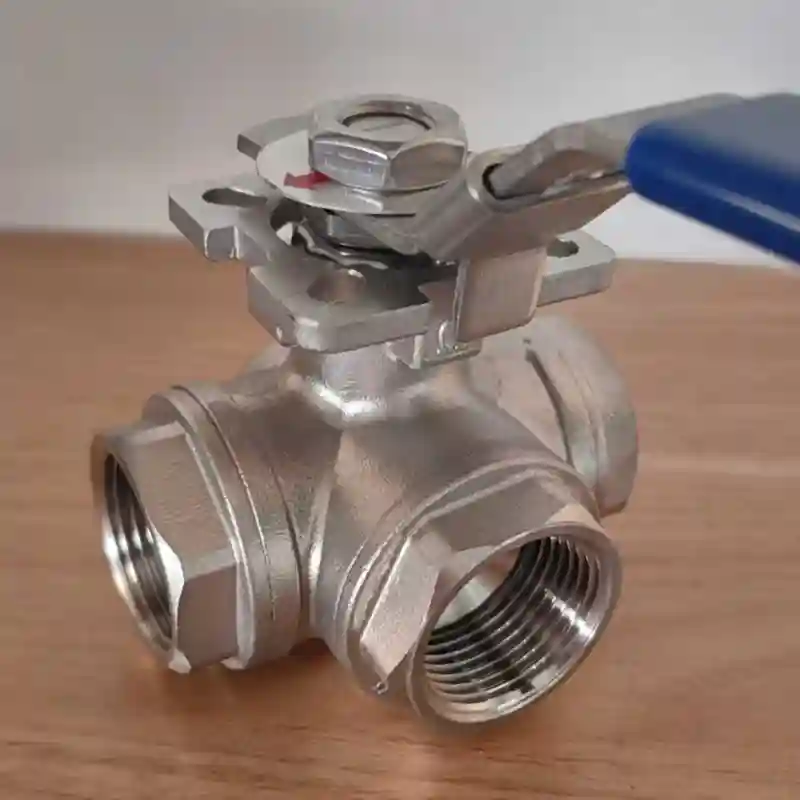
The 3 way ball valve brass is a three‑way ball valve manufactured from brass alloy. Rotation of its internal ball enables flow diversion, splitting and media confluence within process pipelines. Benefiting from favourable mechanical strength, good machinability and decent corrosion‑resistance performance, brass‑bodied three‑way ball valves are widely adopted within HVAC hydronic circuits, potable‑water plumbing, compressed‑air networks and general‑purpose industrial cooling loops.
When compared against multi‑piece assemblies built from separate 2‑way ball valves, this valve delivers notable system‑simplification value. One single 3 way ball valve brass fulfils flow‑reversing duties that otherwise demand two 2‑way ball valves plus three T‑fittings.
Potential leak points drop from more than six down to 2‑3, while installation footprint is reduced by roughly 50 %. Brass exhibits good compatibility with dissolved oxygen, mineral constituents and common water‑treatment additives (corrosion inhibitors, biocides) present in circulating water, delivering far longer service life than carbon‑steel or cast‑iron alternatives within hydronic service conditions.
Corrosion‑Resistance Properties of Brass Construction
The reliable anti‑corrosion performance of 3 way ball valve brass originates from the inherent material characteristics of copper‑zinc brass alloy:
- Water‑system corrosion resistance: Brass resists degradation triggered by dissolved oxygen and mineral salts contained in water. Unlike carbon‑steel or cast‑iron valves, brass units avoid internal rust‑induced handle sticking or seal failure, eliminating “rusty‑water” complaints caused by iron‑oxide leaching.
- Compatibility with water‑treatment chemicals: Brass maintains stable performance when exposed to typical HVAC water‑system additives including corrosion inhibitors, biocides and glycol‑based antifreeze fluids. It resists stress‑corrosion cracking in the presence of residual chlorine found inside potable‑water pipelines.
- Lead‑free / low‑lead compliance: Lead‑free brass variants (weighted lead ≤ 0.25 %) are available for potable‑water contact applications, complying with NSF/ANSI 61 and NSF/ANSI 372 standards to prevent hazardous‑metal leaching into drinking‑water streamsNSF.
- Enhanced surface finishing: Nickel‑plated or chrome‑plated surface treatments are optional, further boosting surface‑level corrosion‑resistance and wear‑resistance while improving visual appearance.
Valve Body Specifications & Parameters
| Parameter | Specification |
|---|---|
| Nominal Size | 1/4″ ~ 2″ (DN8 ~ DN50) |
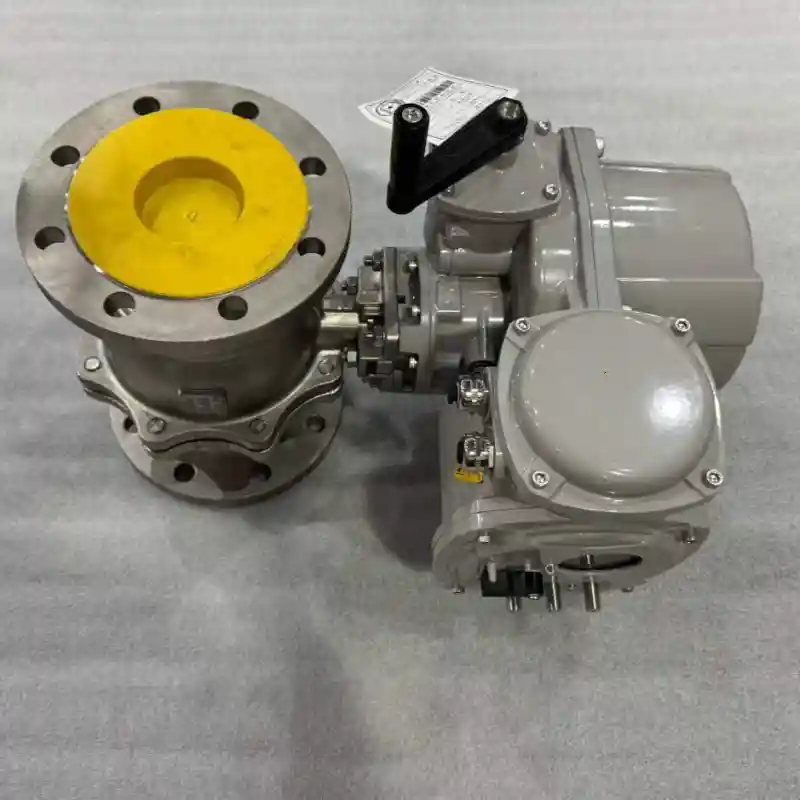
| End Connection | NPT thread / BSP thread / ANSI Class 150 Flange |
| Pressure Rating | 600 PSI WOG / 300 PSI Steam |
| Temperature Range | ‑20°C ~ 180°C (PTFE seat) |
| Flow Pattern | L‑Port (flow switching) / T‑Port (mixing & diversion) |
| Body Material | CW617N brass (standard) / Lead‑free brass (potable‑water grade) |
| Ball Material | Chrome‑plated brass / SS304 / SS316 stainless steel |
| Seat Material | Reinforced PTFE |
| Surface Finish | Raw brass / Nickel‑plated / Chrome‑plated |
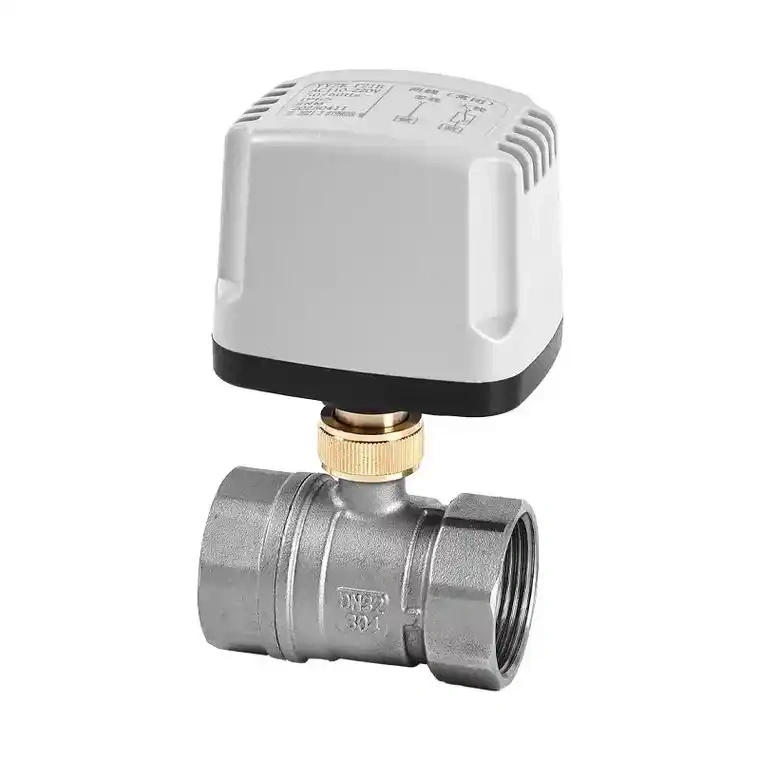
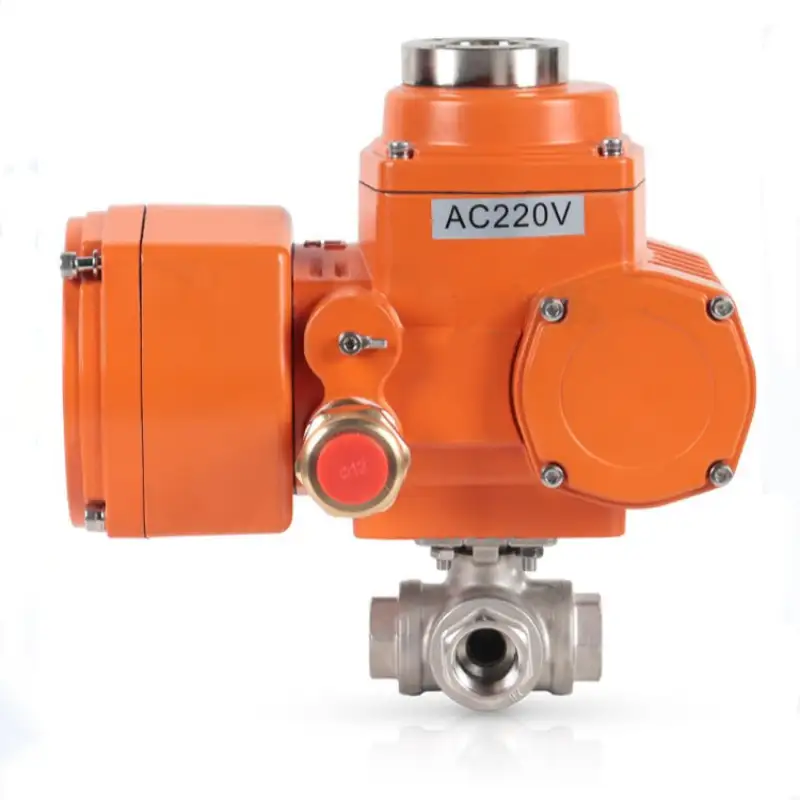
| Operation Mode | Lever manual (lock‑hole equipped) / Pneumatic actuator / Electric actuator |
| Certifications | NSF/ANSI 61 (lead‑free version); AGA/CSA (gas‑service optional) |
Flow‑Pattern Selection Guidance
- L‑Port: Directs incoming flow selectively toward one of two separate outlet branches. Typical applications include fan‑coil supply‑return change‑over, heat‑exchanger bypass modulation, filter back‑wash switching and zonal isolation for domestic water‑supply pipelines.
- T‑Port: Merges two incoming fluid streams into one combined discharge port, or divides a single inlet flow into two outlet branches. Frequently deployed for chilled‑hot‑water temperature blending, sequenced CIP cleaning‑fluid transfer and dual‑component chemical reagent blending and injection.
Typical Application Sectors
3 way ball valve brass enjoys broad deployment across industrial and plumbing‑service scenarios:
- HVAC & building hydronic systems: Supply‑return flow switching and bypass regulation for fan‑coil units and air‑handling equipment. Good circulating‑water corrosion‑resistance makes brass the mainstream material choice for HVAC water‑loop hardware.
- Potable‑water plumbing systems: Cold‑hot‑water switching and zoned‑supply control within residential and commercial buildings. Lead‑free brass variants satisfy NSF/ANSI 61 drinking‑water compliance requirementsNSF.
- Compressed‑air service: Branch‑line distribution and flow‑path change‑over for workshop compressed‑air piping networks. Robust pressure‑bearing capacity suits 150‑300 PSI operating conditions.
- General‑purpose industrial cooling circulation: Inlet‑outlet switching and bypass adjustment for small‑size cooling towers, heat exchangers and air‑compressor cooling circuits.
- Pneumatic control systems: Flow‑path switching for pneumatic‑actuator supply lines and branch‑circuit control of instrument‑air networks.
- Irrigation & horticulture: Zonal‑control and flow‑direction switching for commercial irrigation and greenhouse automated watering installations.
Reference Application Case
Project for domestic‑hot‑water plumbing within a five‑star Hyatt hotel in San Francisco (Case 4). The hotel’s hot‑water distribution network delivers heated water to over 600 guest rooms plus public amenity zones. Multiple three‑way valves are installed for zone‑based diversion and temperature modulation.
Local municipal water features soft water chemistry yet relatively high residual‑chlorine content, imposing corrosion‑resistance requirements on wetted valve components. Previously fitted cast‑iron valves developed internal pitting after five years of operation, undermining hot‑water‑supply stability and occasionally triggering guest complaints caused by discoloured tap water.
3 way ball valve brass units were selected for renovation, configured with Full‑Port bore, T‑Port flow path, lead‑free brass body, chrome‑plated surface finish, stainless‑steel ball, PTFE seats, NPT threaded ends and full NSF/ANSI 61 certification. Lead‑free brass withstands corrosive attack from municipal residual chlorine and prevents hazardous‑metal ion leaching into hot‑water streams.
Chrome‑plated surface treatment further enhances surface anti‑corrosion performance. Since commissioning in 2020, the hotel hot‑water system has operated reliably without reported valve corrosion, leakage or discoloured‑water events. Site maintenance teams commented: “After retrofitting to brass three‑way valves, valve‑related maintenance tasks on the hot‑water system have dropped almost to zero.”
Quality Assurance
CHCV 3 way ball valve brass products are manufactured and inspected in compliance with ASME B16.34 and ISO 9001 quality‑management frameworks. Lead‑free brass variants hold NSF/ANSI 61 and NSF/ANSI 372 approvals for potable‑water contact service.
Every finished valve undergoes 100 % hydrostatic shell‑strength testing plus bi‑directional seat‑tightness verification conforming to API 598. Complete material certificates and full inspection test reports are supplied for each shipment.