
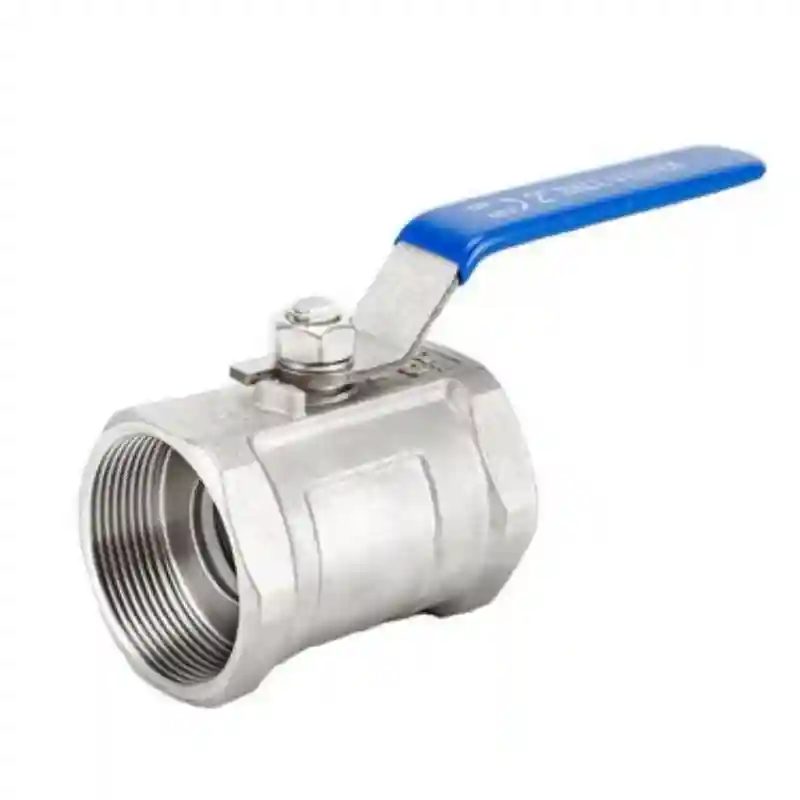
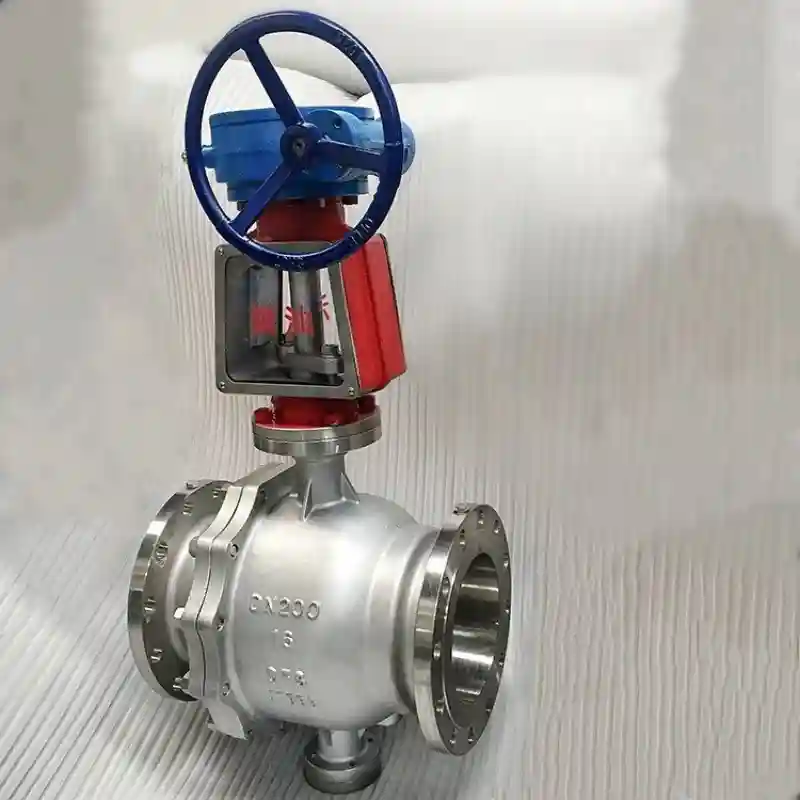
Stainless Steel Trunnion Ball Valve High Pressure Heavy Duty For Petrochemical Pipeline
Stainless steel trunnion ball valves with trunnion support, easy operation under high pressure, used in LNG, petrochemical and long-distance water pipelines.
Description
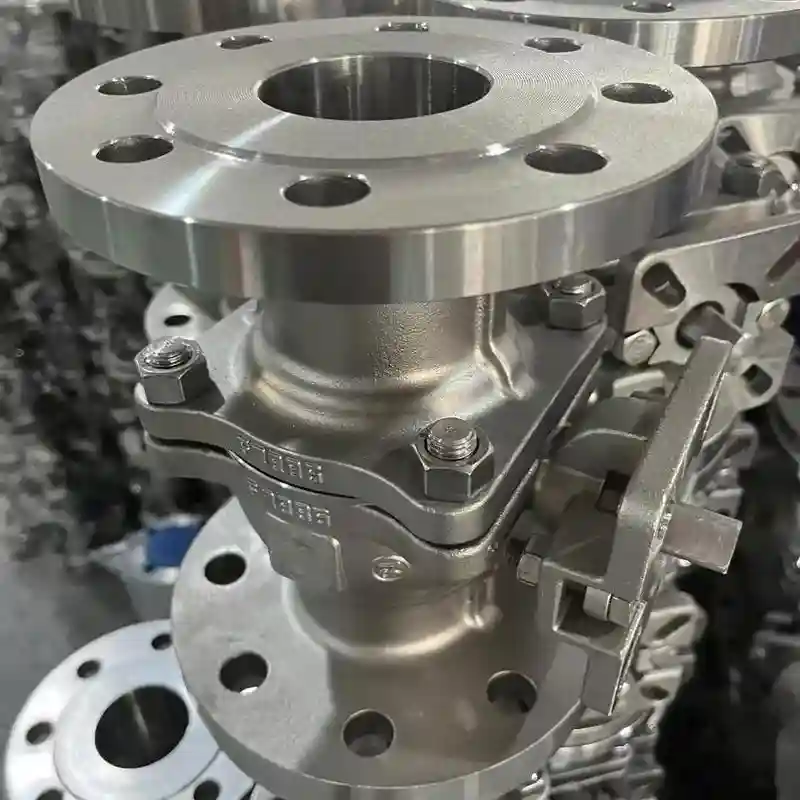
Stainless steel trunnion ball valves – also known as trunnion‑mounted or fixed‑shaft stainless steel ball valves – feature upper and lower metal support trunnions that anchor the ball and bear its weight. Unlike floating ball valves, where the ball is held between seats, the axial thrust generated by high‑pressure media is absorbed by the top and bottom trunnions, significantly reducing the load on the seats.
This design ensures smooth and effortless operation even under Class 300 or Class 600 pressures and in pipelines of DN80 and above. These valves are the preferred shut‑off solution for petrochemical plants, LNG terminals, high‑pressure water transmission, and long‑distance oil and gas pipelines. The body is forged from 304 or 316L stainless steel, offering excellent corrosion resistance, and is available with fire‑safe and anti‑static features, fully complying with API 6D safety standards for the oil and gas industry.
Superior Performance Compared to Floating Ball Valves
In high‑pressure environments, floating ball valves suffer from the ball being forced tightly against the downstream seat by the medium pressure – resulting in heavy operating torque and rapid seat wear. In contrast, stainless steel trunnion ball valves transfer both the ball’s weight and the axial thrust from the medium to the upper and lower trunnion supports. The seats are responsible only for sealing, which reduces seat wear by over 70% and substantially extends service life.
The product is predominantly offered in a three‑piece flanged configuration, with flanges manufactured to ANSI B16.5 (American standard), and GB versions are also available upon request. Sealing options include soft‑seated PTFE for bubble‑tight Class VI zero leakage – suitable for clean media such as water, gas, and refined products – and metal seated trunnion ball valve designs with hard alloy seats that resist high temperatures and erosion, ideal for steam and particle‑laden chemical streams.
Additional Features and Actuation Options
This series can be equipped with a pressure‑relief bore to create a vented trunnion ball valve, specifically for cryogenic and liquefied gases such as LNG or liquid CO₂ that are prone to pressure build‑up. Actuation options include manual gear operators, pneumatic actuators, and electro‑hydraulic units; high‑pressure, large‑diameter pipelines typically employ pneumatic or hydraulic actuation for integration with plant automation systems.
All valves undergo hydrostatic shell testing, pneumatic seat leakage testing, and fire‑safe testing prior to shipment, and are supplied with complete material test reports and non‑destructive examination records. For highly corrosive conditions such as seawater or brine, the trunnion ball valve can be upgraded to 2205 duplex stainless steel.
Technical Specifications
| Parameter | Specification |
|---|---|
| Body Material | 304 / 316L / 2205 duplex stainless steel forgings |
| Support Structure | Upper and lower trunnion bearings – fixed ball design |
| Pressure Ratings | Class 150 ~ Class 600, PN16 ~ PN100 |
| Size Range | DN80 ~ DN1200 |
| Sealing Types | Soft‑seated PTFE; metal‑seated hard alloy |
| Suitable Media | Crude oil, LNG, high‑pressure water, natural gas, chemical solvents |
Case Study – Hamburg Petrochemical Terminal Pipeline Upgrade, Germany
High‑pressure transfer lines at petrochemical terminals operate continuously, making floating ball valves prone to sticking and rapid seat failure. Many overseas petrochemical facilities have therefore adopted trunnion‑mounted ball valves to ensure stable operation. At the crude oil transfer line upgrade project on Hafenstraße 55 in Hamburg, Germany, the terminal originally used large‑bore floating stainless steel ball valves.
Under high‑pressure crude oil impact, the balls were forced hard against the seats, requiring substantial torque to operate, and the seats wore out and leaked every three months on average – frequent shutdowns disrupted transfer efficiency. The facility replaced the entire line with stainless steel trunnion ball valves. The trunnions absorbed the medium thrust, reducing operating torque significantly, allowing personnel to open and close the valves with ease.
The 316L stainless steel bodies resisted mild corrosion from crude oil, while the soft‑seated design provided tight shut‑off. After four years of service, only two routine maintenance interventions have been required; no leakage or seizure has occurred, and pipeline maintenance costs have dropped substantially.
Floating ball valves are unsuitable for high‑pressure, large‑diameter applications; conventional gate valves are slow to operate and prone to seat erosion. Stainless steel trunnion ball valves – with their robust trunnion‑supported design – have become the control valve of choice for high‑pressure, long‑distance transmission pipelines worldwide.