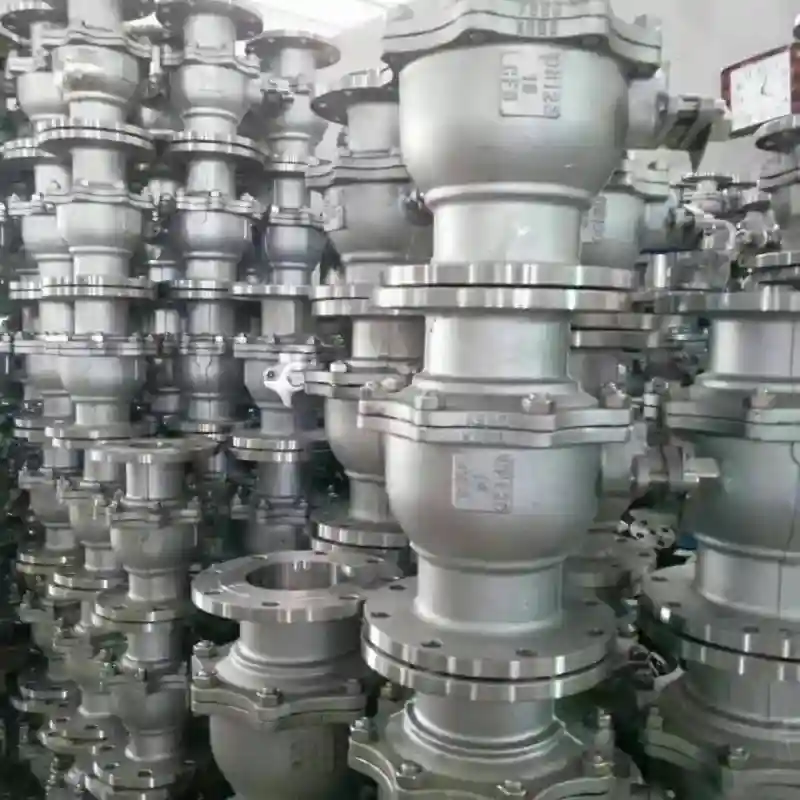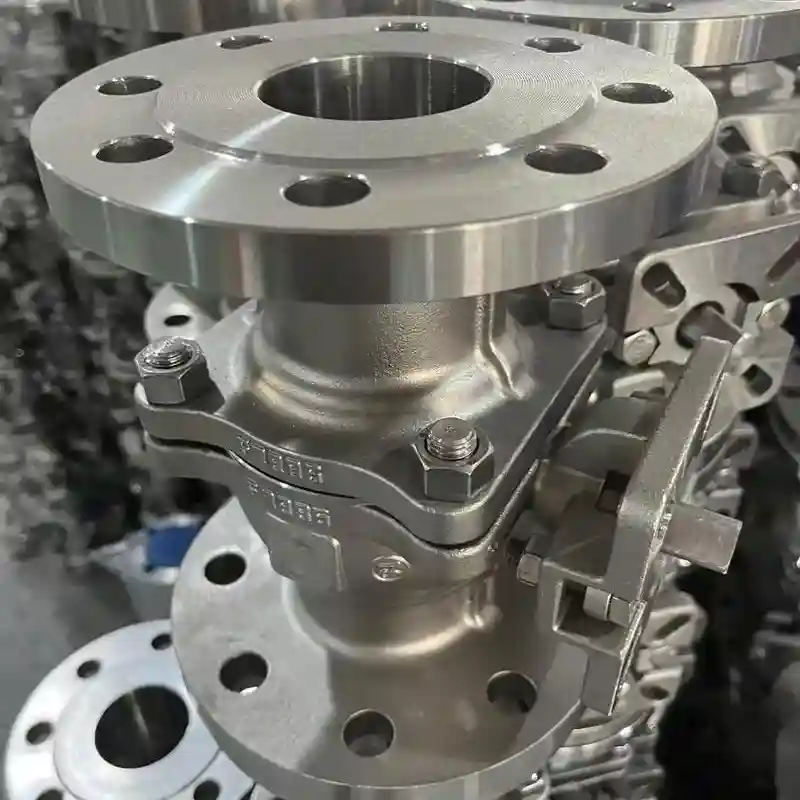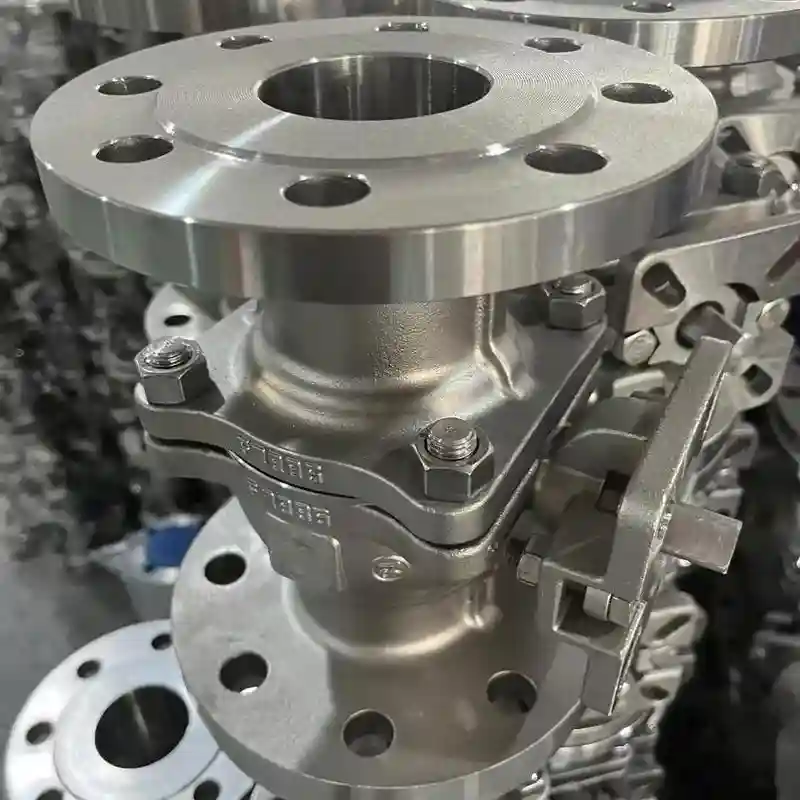

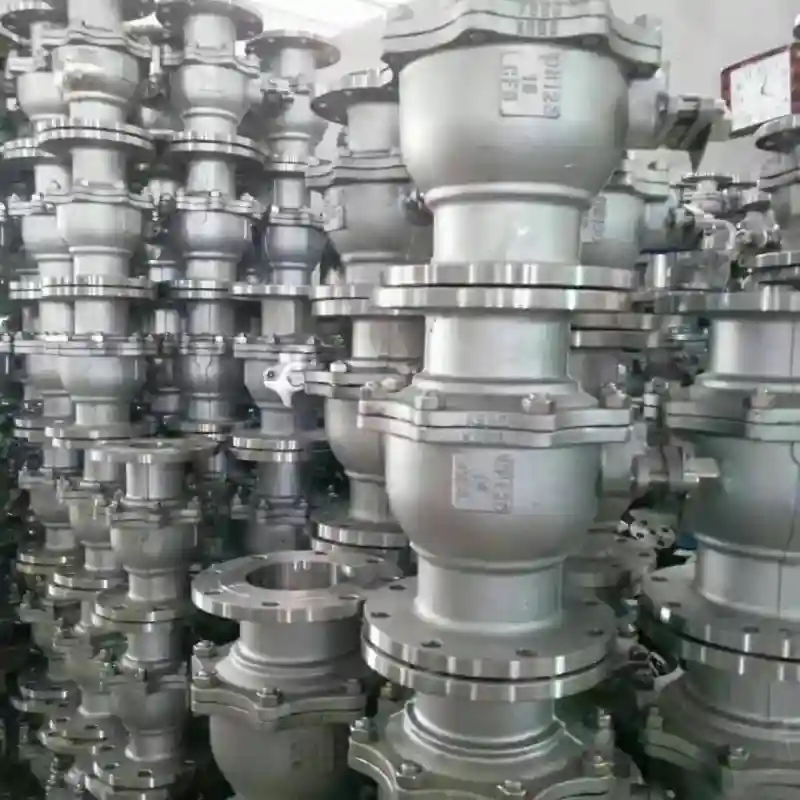
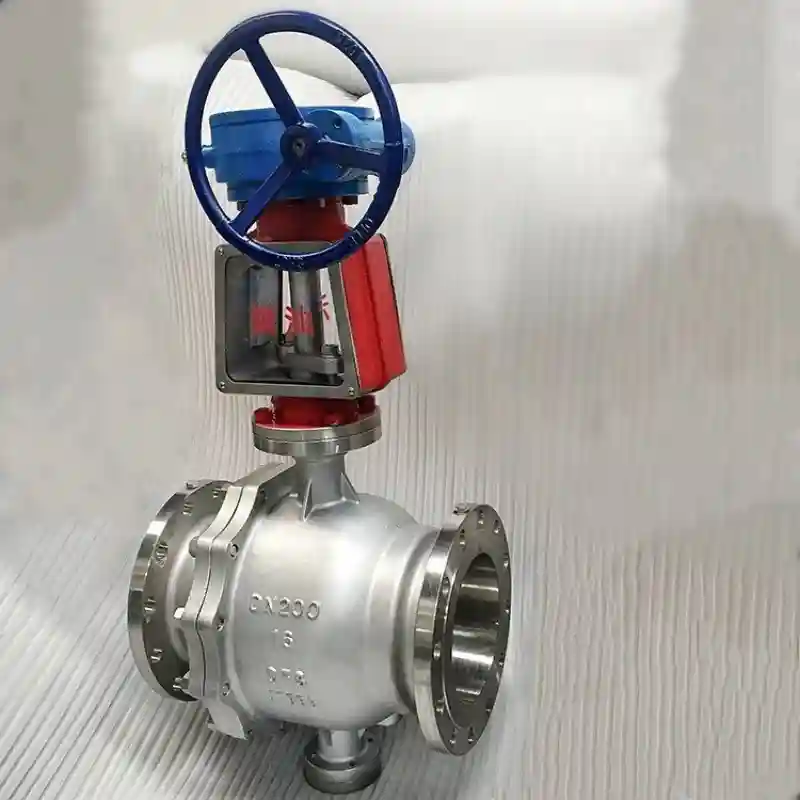
Vented Stainless Steel Ball Valve With Bleed Hole For Cryogenic & Refrigerant Pipeline
Vented stainless steel ball valves feature ball vent hole to release trapped pressure, ideal for cryogenic liquid, refrigerant and LPG industrial pipelines.
Description
Vented stainless steel ball valves – also known as stainless steel ball valves with pressure‑relief bore – feature a miniature vent hole drilled through the ball. When the valve is closed, this orifice automatically releases trapped media and equalizes internal cavity pressure, eliminating the risk of thermal expansion‑induced overpressure, valve body rupture, or difficult operation commonly associated with standard sealed ball valves.
These valves are specifically designed for piping systems handling cryogenic liquefied gases, refrigerants, LPG, and high‑pressure oils where pressure build‑up inside the closed ball is a known hazard. The body is forged from 304 or 316L stainless steel, combining corrosion resistance with structural strength, making this valve the dedicated safety‑enhanced choice for refrigeration, low‑temperature chemical, and liquefied gas transfer applications.
Pressure Equalization Principle and Safety Mechanism
In conventional closed‑type stainless steel ball valves, the medium remains trapped within the ball cavity after shut‑off. When ambient temperature rises, the liquid vaporizes and expands, often causing the valve to seize, the seats to be pushed out, or even the body to crack. In contrast, vented stainless steel ball valves incorporate a small relief hole in the ball.
When the valve is in the closed position, the ball cavity communicates with the downstream side of the pipeline, allowing any trapped pressure to bleed off to the low‑pressure downstream end, thereby maintaining constant pressure balance. During the opening cycle, the vent hole does not affect normal flow, ensuring both safety and full‑bore efficiency.
Configurations, Connections, and Low‑Temperature Options
The product range includes two main types: vented floating ball valve (floating design) for smaller refrigeration lines to control costs, and vented trunnion ball valve (trunnion‑mounted design) for DN80 and above high‑pressure cryogenic services to withstand severe thrust loads. End connections cover NPT/BSP threaded and ANSI flanged ends. The internal bore is mirror‑polished, and with modified PTFE or hard alloy seats, sealing performance reaches ANSI Class VI zero leakage.
For extreme low‑temperature media such as liquid nitrogen or liquid CO₂, extended bonnet stems and cryogenic‑grade sealing kits are available to prevent stem frosting and freezing. All products comply with API 6D cryogenic valve manufacturing standards and undergo low‑temperature pneumatic tightness testing prior to shipment.
Advantages Over Standard and External‑Relief Designs
Compared with ordinary stainless steel ball valves, the vented version incorporates an integrated pressure‑relief feature that eliminates the danger of trapped‑pressure build‑up. In contrast to external relief valve assemblies, the one‑piece vented ball design is simpler in construction, has fewer failure points, and requires no additional piping connections – reducing potential leak paths. Actuation options include manual lever, pneumatic actuator, and electric operator; automated cryogenic production lines often select the pneumatic vented ball valve for integration with distributed control systems.
Technical Specifications
| Parameter | Specification |
|---|---|
| Body Material | 304 / 316L forged stainless steel |
| Valve Types | Vented floating ball valve; vented trunnion ball valve |
| Venting Design | Built‑in relief hole in ball – automatic pressure equalization upon closure |
| Suitable Media | Liquid nitrogen, liquid CO₂, refrigerants, LPG, high‑pressure oils |
| Temperature Range | –196°C ~ 180°C |
| End Connections | ANSI flanged, NPT female threads |
Case Study – Rotterdam Cryogenic Filling Plant, Netherlands
Trapped‑pressure incidents in cryogenic liquefied gas lines pose serious safety risks; many overseas filling facilities have therefore adopted vented ball valves to enhance system integrity. At the liquid CO₂ transfer line upgrade project in the Oosterhorn Industrial Area (Unit 17, Rotterdam, Netherlands), the plant originally used standard stainless steel ball valves.
After shut‑off, the trapped liquid CO₂ vaporized with rising ambient temperatures, repeatedly causing the valves to seize and seats to leak. The facility replaced the entire line with vented stainless steel ball valves – flanged type. Upon closure, the internal pressure was smoothly vented through the ball’s relief hole to the downstream piping, completely eliminating the risk of pressure entrapment.
The 316L stainless steel body withstood cryogenic corrosion, while the extended anti‑frost stem ensured smooth operation even at sub‑zero temperatures. Over three years of continuous service, no pressure‑related failures or leaks have occurred, and the plant’s safety incident rate dropped to zero.
Conventional sealed ball valves present a risk of pressure entrapment; external pressure‑relief accessories introduce additional leak points. Vented stainless steel ball valves – with their integrated one‑piece venting design – have become the standard safety valve for cryogenic refrigerant and liquefied gas pipelines worldwide.