
In industrial piping, instrumentation, sampling, drain and maintenance isolation, single block and bleed is a very common yet easily misunderstood valve configuration.
Many users searching for What is single block and bleed? or What does “block and bleed” mean? actually want to confirm: can this configuration provide safe isolation? When must it be upgraded to double block and bleed?
This article systematically explains the application boundaries of single block and bleed valves from the perspectives of structure, layout, operation, selection and specifications.
What Does “Block and Bleed” Mean?
Block and bleed can be interpreted separately:
- Block: Stop upstream fluid to form isolation.
- Bleed: Use a vent valve to release pressure, residual liquid or gas trapped downstream or within the valve cavity.
Therefore, the core purpose of block and bleed is not simply “two valves connected in series”, but to verify isolation effectiveness via bleeding. The operating sequence is: close the block valve first, then open the bleed valve.
If no continuous fluid flows out from the bleed port, it generally indicates downstream pressure has been relieved, and maintenance work can proceed. It should be emphasized that the bleed port shall be connected to a safe relief system; hazardous media shall not be vented directly to atmosphere.
What Is Single Block and Bleed?
Single block and bleed usually refers to a configuration consisting of one isolation valve plus one bleed valve. It can also be an integrated single block and bleed valve with single isolation and bleeding functions. Its basic function is to provide one layer of isolation and release downstream residual pressure through the bleed port.
In single block and bleed isolation, isolation performance mainly relies on the sealing of the main valve seat. If the main valve leaks internally, downstream pressure may build up again.
For this reason, it is suitable for low-risk applications with relatively safe media and infrequent maintenance, such as general instrument isolation, sampling, draining, venting and auxiliary pipeline maintenance. It does not automatically equal double isolation and cannot replace double block and bleed isolation where positive isolation is required.
Single Block and Bleed Valve Arrangement
A typical single block and bleed valve arrangement includes an upstream main isolation valve, a downstream bleed valve, a bleed connection, and optionally a pressure gauge or drain piping. Layout considerations:
- The main block valve shall be installed as close as possible to the isolated equipment or pipe segment.
- The bleed valve shall be located downstream of the block valve to facilitate residual pressure relief.
- Bleed outlets shall point toward safe areas and comply with site discharge requirements.
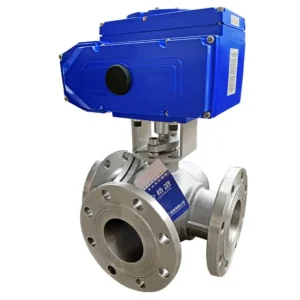
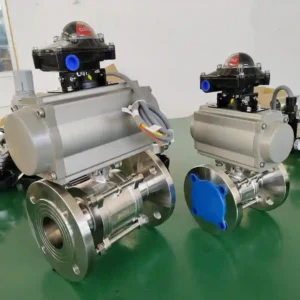
- For larger sizes or higher pressure services, single block and bleed valve flanged types can be selected for easy installation, maintenance and standardized interfaces.
Recommended operating sequence: close block valve → open bleed valve → confirm zero pressure → perform maintenance → close bleed valve → re-open block valve. For toxic, flammable or high-pressure media, lock-out tag-out, pressure relief procedures and gas detection shall be applied.
Single Block and Bleed Isolation: Application Scenarios and Limitations
The advantages of single block and bleed isolation are simple structure, low cost, compact footprint and straightforward operation. It is widely used for:
- Instrument isolation for pressure gauges, transmitters, etc.
- Sampling and drain lines
- General steam, water, air or inert gas pipelines
- Low-risk maintenance that does not require a double barrier
However, it has obvious limitations. For hazardous chemicals, high-pressure steam, hydrogen, natural gas, strongly corrosive media, or projects where specifications explicitly require double isolation, single block plus bleed is often insufficient. In such cases, double block and bleed shall be evaluated, or a spade can be added in a single block and bleed and spade configuration to achieve physical isolation.
Single Block and Bleed vs Double Block and Bleed: Core Differences
Single block and bleed vs double block and bleed is the most common comparison during valve selection. Double block and bleed normally consists of two isolation valves plus one bleed valve, or an integrated DBB valve. It forms an intermediate cavity between the two isolation valves. The bleed valve releases pressure from this intermediate cavity, enabling on-site verification of the sealing performance of both upstream and downstream valve seats.
| Comparison Item | Single Block and Bleed | Double Block and Bleed |
|---|---|---|
| Number of isolation barriers | One layer | Two layers |
| Fluid to be bled | Downstream / post-valve fluid | Intermediate cavity and downstream fluid |
| On-line sealing verification | Limited capability | Strong capability |
| Safety level | Suitable for general isolation | Suitable for high-risk, critical isolation |
| Cost and weight | Lower | Higher |
| Installation footprint | Smaller | Larger |
To answer What are the key differences between single block and double block and bleed valves?: single block and bleed provides one layer of isolation plus bleeding, while double block and bleed provides two layers of isolation plus intermediate cavity bleeding.
Common search variants include Single block and bleed valve vs double block and bleed, also seen as Single block and bleed valve vsdouble block and bleed. Both refer to the comparison between single block and bleed and double block and bleed.
Is Double Block and Bleed Required?
The answer to Is double block and bleed required? is not “required for all services”. It depends on medium hazards, pressure and temperature, risk level, project specifications and owner standards. DBB is generally preferred for:
- Toxic, flammable, explosive or high-value media
- High-pressure steam, high-pressure gas or cryogenic services
- Applications requiring on-line maintenance, on-line calibration or frequent operation
- Scenarios where internal leakage of a single valve must not cause downstream pressurization
- Cases identified by safety analysis, HAZOP or project specifications
For low-risk services where bleeding confirmation is sufficient to verify zero downstream pressure, single block and bleed may meet requirements. Where higher integrity is needed, double block and bleed isolation or a spade shall be considered.
Single Block and Bleed and Spade: When to Add a Spade?
Single block and bleed and spade adds a spade or blind plate on the basis of single block and bleed. It delivers physical isolation rather than relying solely on valve sealing.
For long-term maintenance, shutdown isolation, hazardous media or services where valve internal leakage cannot be tolerated, a spade greatly improves safety.
Nevertheless, fitting a spade normally requires shutdown, disassembly and extra working space, so it is less suitable for frequent on-line operation compared with DBB. Therefore, the selection between single + spade and DBB shall consider operation frequency, isolation class and site conditions.
Single Block and Bleed Valve Catalogue, Parker, Flanged and Weight Selection Points
When reviewing a single block and bleed valve catalogue, focus on: size, pressure class, temperature range, media compatibility, end connection, leakage class, material, certification and installation dimensions. If a project specifies single block and bleed valve parker, verify model and parameters from Parker’s official catalogue or authorized distributors; do not select based only on appearance.
For single block and bleed valve flanged products, confirm flange standard, gasket face type and bolt hole dimensions.
Single block and bleed valve weight is also critical, as weight affects pipe support, installation stress, transportation cost and lifting requirements during maintenance. CHCV recommends confirming service parameters, connection standards and bleed requirements at the selection stage before deciding between single block and bleed, DBB or spade solution.
FAQ
- What is single block and bleed? It is a configuration of one isolation valve plus one bleed valve, used to block fluid and release residual downstream pressure.
- What does “block and bleed” mean? Block means isolation; bleed means venting or pressure relief. Combined, they are used for isolation and zero-pressure confirmation.
- How to choose between Single block and bleed and double block and bleed? Select single for low-risk, general isolation; select double for high-risk, critical isolation or when on-line verification is required.
- Is double block and bleed required? It depends on medium, pressure, temperature, specifications and safety assessment. DBB is usually required for hazardous media and critical isolation.
- When is single block and bleed and spade needed? When physical isolation, long-term maintenance is required, or reliance solely on valve sealing is unacceptable.
- What should be checked when reviewing single block and bleed valve catalogue? Pay attention to pressure class, material, end connection, leakage class, flange standard, weight and certification.
Conclusion
Single block and bleed is an economical and straightforward isolation and relief solution for general instrumentation, sampling, draining and low-risk maintenance. Its core principle is “one layer of isolation + pressure verification via bleeding”. When service risk rises, media becomes hazardous or specifications require a double barrier, double block and bleed, double block and bleed isolation or single block and bleed and spade shall be evaluated.
During selection, combine single block and bleed valve arrangement, flange type, weight, catalogue parameters and brand requirements to guarantee isolation safety and long-term reliability.