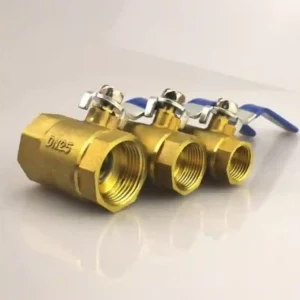

Brass Ball Check Valve: What to Confirm
A brass ball check valve is intended for check service, not ordinary manual isolation. A ball check valve uses flow direction and differential pressure to move the ball and block reverse flow as the ball returns toward the seat. It has no handle for an operator to close when needed and should not be used as a maintenance isolation valve. During selection, separate the functions of “backflow prevention” and “service shutoff.”
Check-valve movement is affected by installation direction, medium cleanliness, flow velocity, ball-to-seat fit, and pipe pulsation. When the documentation does not define the opening and closing conditions, do not invent a fixed flow or pressure. For media containing particles, media that crystallize, marked pulsation, or low-noise requirements, ask the supplier to confirm the construction against the actual service.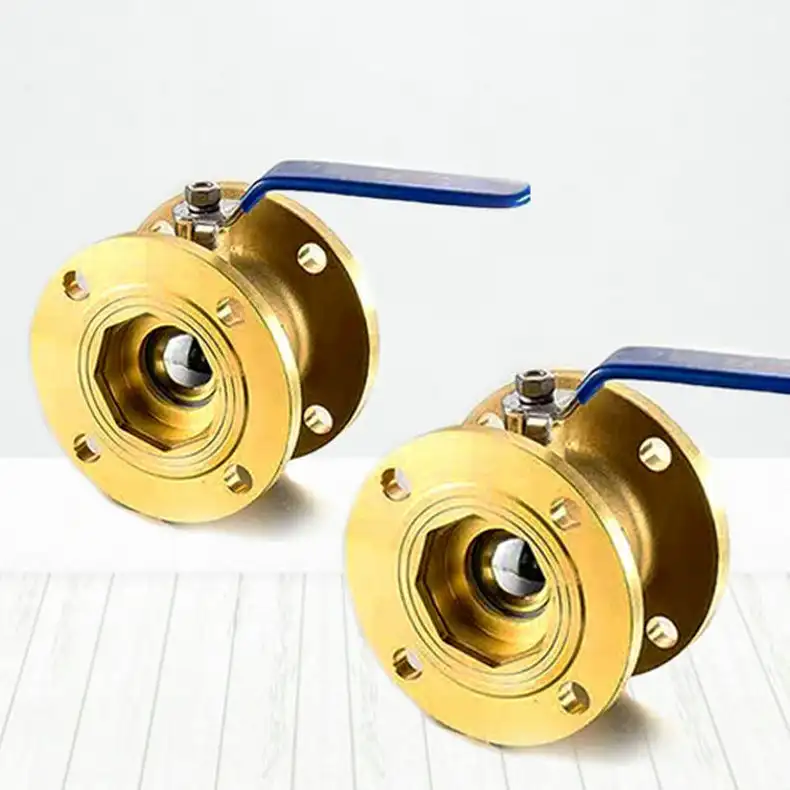
How Is ball check valve brass Different from a Manual Brass Ball Valve?
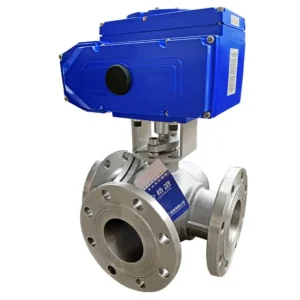
Ball check valve brass changes state automatically with fluid conditions, while a manual brass ball valve rotates the ball through a handle or actuator. The key fields for the former are flow direction, reverse-flow prevention, installation direction, and ball movement. The latter requires an operating position, stem, seats, and operating clearance. Both may use brass, but their functions and acceptance methods are different.
How Should a brass ball check valve factory Describe the Assembly?
A brass ball check valve factory should identify the body, ball, seat, spring or guide structure, end connections, and seals rather than providing only an outside view. Ask for a section view, flow-direction marking, permitted installation direction, cleanliness requirements, and test items. If the product has no spring or guide, confirm in particular whether gravity and differential pressure can return the ball under the actual conditions.
What Is the Acceptance Focus for a ball check valve assembly?
Acceptance of a ball check valve assembly can be divided into three steps. First check the flow arrow and connection specification. Then check that the ball has reasonable free movement. Finally, under suitable controlled conditions, check forward passage and reverse blocking. The record should include the model, medium, installation direction, and test result; “installed” alone is not an adequate record.
How Should ball check valve advantages and disadvantages Be Judged on Site?
Ball check valve advantages and disadvantages must be considered in the actual service. A ball structure can provide automatic backflow prevention in a compact branch, but it may be sensitive to particles, installation direction, and flow conditions, and it cannot replace maintenance isolation. If the line needs frequent dismantling and cleaning, provide an independent isolation point and drain arrangement beside the check valve.
What Questions Should a brass ball check valve supplier Answer?
When asking a brass ball check valve supplier for a quotation, provide the medium, flow direction, nominal size, connection standard, installation direction, pressure and temperature range, particle content, allowable pressure drop, and maintenance method. The supplier should return the exact model, materials, construction, testing, and installation boundary. “Brass check valve” alone does not establish whether the product meets the site task.
📌 Case Setting: Kuala Lumpur Packaging Warehouse Backflow Review
WAKIM publicly describes its Kuala Lumpur and Selangor business in disposable food packaging and related packaging products, with warehouse and retail space. In this case setting, a warehouse utility-water branch shows reverse flow after a pump stops. The CHCV approach evaluates a brass ball check valve as the backflow-prevention element while retaining manual isolation points upstream and downstream. Site acceptance checks flow direction, ball movement, reverse blocking, and maintenance isolation separately, avoiding the mistake of treating check function as safe shutoff. Food, beverages, and packaging contents do not pass through the branch.
How Should the Procurement Conclusion Be Written into the Order?
The order should state the check function and the independent isolation requirement, together with nominal size, connection, flow direction, installation direction, materials, seat and seal, test medium, and documents. When comparing a ball check valve manufacturer, give priority to a model whose construction and test boundaries are clearly documented rather than comparing appearance and unit price alone.
For product and technical reference, visit CHCV. Related reading: Brass Ball Valve Parts.