
Plumbing three way valves are widely used in domestic water supply, floor heating mixing, irrigation pipelines and HVAC water systems. B2B wholesalers and project buyers often encounter selection pitfalls: they cannot tell when to choose a manual model and when to adopt a 3-way actuated valve with an actuator.
L-port three-way ball valve vs T-port three-way ball valve: How to select flow path
An L-port three-way ball valve allows media to switch between two paths. Only two ports are open at one time, suitable for pipeline diversion and water path switching, such as switching water supply sources in irrigation systems.
A T-port three-way ball valve enables communication among all three ports. It is mostly applied in mixing conditions, such as mixing hot and cold supply water for floor heating systems.
Note: Pipe sizes including 1/2″, 3/4″ and 1″ cannot determine the flow path. For plumbing three way valves of the same size, the internal ball structure of L-port and T-port types is completely different. The flow path type must be specified when placing orders.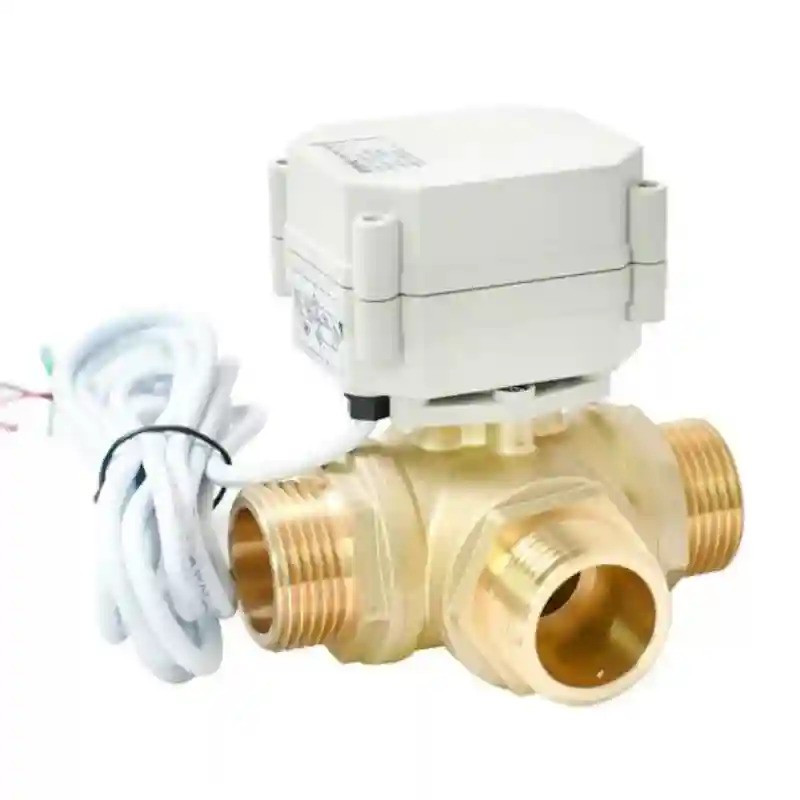
three way ball valve with actuator: The plumbing version of 3-way actuated valve
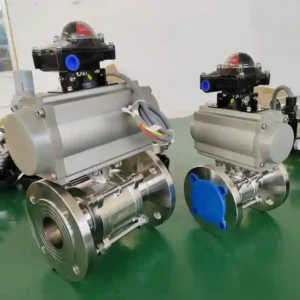
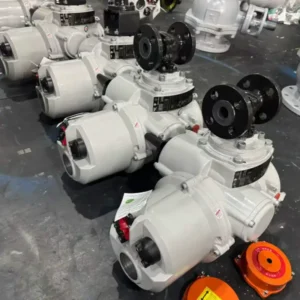
three way ball valve with actuator refers to a three-way ball valve fitted with an electric or pneumatic actuator, which is the 3-way actuated valve we mentioned.
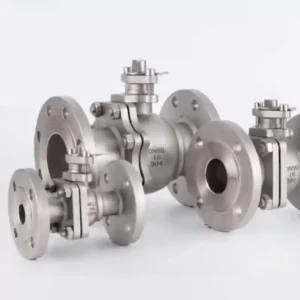
A manual plumbing three way valve relies on a handle to rotate the valve body for diversion; while a 3-way actuated valve can receive control system signals to switch water paths remotely and automatically.
Application scenarios: Building automation, HVAC circulating water, projects requiring automatic timed mixing and switching.
Limitations: It cannot fully replace manual plumbing three way valves. For small simple maintenance and spare parts bulk orders, manual valve bodies have lower cost and simpler maintenance procedures.
three way ball valve plumbing: Parameters to verify for B2B bulk procurement
When supporting projects with three way ball valve plumbing, apart from confirming the flow path (L-port / T-port), check the following parameters to avoid assembly failure after delivery:
- Connection type: NPT, BSP thread specification, distinguish between female thread and male thread;
- Media: Cold water, potable domestic water, heating hot water; confirm low-lead brass material for potable water applications;
- Working pressure and working temperature;
- If selecting a 3-way actuated valve, additionally confirm actuator voltage, operating time and whether feedback signals are required.
three-way ball valve dimensions: Do not use pipe size in place of valve body dimensions
Many buyers simply refer to “1-inch plumbing three way valve”. Pipe size is not equivalent to three-way ball valve dimensions.
For plumbing three way valves with the same 1″ connection size, the stem square drive size, overall valve length and mounting center distance vary between manufacturers.
For spare part procurement to replace old valves, measure the physical dimensions of the old valve first instead of only providing the pipe size. If matching a three way ball valve with actuator, the valve stem specification must match the actuator output shaft; otherwise slipping and valve actuation failure will occur.
Quick checklist: Manual plumbing three way valve VS 3-way actuated valve
- On-site manual operation only for water path switching and spare parts stock → select manual plumbing three way valve;
- Remote control, timed switching or integration into building automation systems required → select 3-way actuated valve (three way ball valve with actuator);
- T-port three-way ball valve is preferred for mixing applications; L-port three-way ball valve is preferred for simple water path switching;
- For bulk procurement and replacement projects, verify three-way ball valve dimensions. Do not place orders based solely on pipe size.
Common procurement mistakes reminder
- Placing orders only with pipe size while ignoring L-port / T-port flow path. The delivered valve body cannot perform the required water function on site;
- Purchasing 3-way actuated valve without checking valve stem size. The actuator slips after installation and cannot divert the valve;
- Lead content of material not confirmed for potable water pipelines, resulting in project acceptance failure.
Suggestion for B2B inquiries: Provide flow path type, thread specification and media parameters to suppliers. For automatic models, supplement actuator power requirements. For old valve replacement, attach physical photos or measured three-way ball valve dimensions.
FAQ
Q: Can all plumbing three way valves be fitted with actuators to become 3-way actuated valves? A: No. The valve body and stem structure must be compatible with the actuator output shaft. Some manual plumbing three way valves have mismatched stem strength and specifications. Forcing actuator installation will cause stem wear and slipping. When purchasing three way ball valve with actuator, prioritize complete units with factory-fitted actuators.
Q: Can an L-port three-way ball valve be used for water mixing? A: No. The L-type flow path only connects two ports and cannot mix media from three paths. T-port three-way ball valve is required for mixing applications.