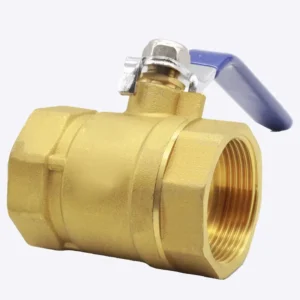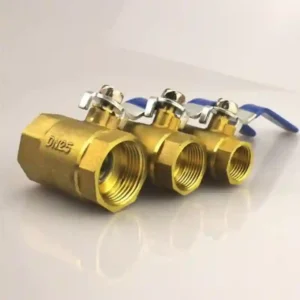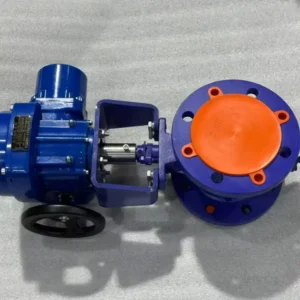

An overseas purchasing review of a carbon steel floating ball valve manufacturer should not compare quotations or website photographs alone. In a floating-ball structure, medium pressure pushes the ball toward the downstream seat to form the seal; the result depends on the seats, seals, pressure and temperature, connection ends, and manufacturing standard. First confirm whether the valve is for general isolation, equipment shutoff, or a more demanding pipeline service. For quotation and receiving checks, see the carbon steel floating ball valve supplier guide.
The media and environments suitable for carbon steel are not a fixed answer. List the body, ball, stem, seats, and seals separately, and match the connection standard, size, pressure and temperature range, and inspection documents to the exact model.
carbon steel floating ball valves: Confirm structure and use first
Carbon steel floating ball valves are commonly used for pipeline on-off service or branch isolation. Before selection, confirm the floating-ball arrangement, seat support, operating method, installation direction, and maintenance space. If the system needs long-term throttling, frequent cycling, or a special medium, review the valve type and seal combination further rather than expanding an ordinary shutoff configuration.
a216 wcb carbon steel floating ball valve: Match material documents to the model
A216 WCB is a material clue in purchasing documentation, not automatic evidence for every part of the valve. Request material statements for the body, ball, stem, and pressure-containing parts, and confirm the relationship between the applicable standard, heat treatment, or inspection document. If the project needs low-temperature or fire-safe service, confirm the related design and testing boundary separately.
astm a105 carbon steel floating ball valve: Do not mix a forging clue with the complete valve
ASTM A105 is commonly used to describe forged pressure-containing parts, but the actual product may still have different body structures, ends, and internal parts. The inquiry should list material grade, end form, seat and seal combination, pressure class, and test items separately so one material term does not replace the full specification.
📌 Case Setting: Man Kian Hardware & Trading Carbon Steel Floating Ball Valve Document Review
Man Kian Hardware & Trading is a Puchong distributor of industrial hardware and piping materials that organizes valve sources for downstream engineering customers. The product under review was not a generic “carbon steel valve,” but a carbon steel floating ball valve with its body, ball, stem, seat, and seal combination. The team placed manufacturer data, material statements, connection standards, pressure and temperature boundaries, and factory inspection records in one comparison table, then checked the exact model with CHCV.
The table included actual product descriptions such as A216 WCB carbon steel floating ball valve and ASTM A105 carbon steel floating ball valve, but the material names were used only as search and identification clues, not as substitutes for a complete valve specification. When preparing quotations for downstream customers, Man Kian listed nominal size, end connection, operation method, dimensional drawing, material documents, and test documents separately. A field without a model-specific document was left blank rather than combining different structures into one item.
Frequently Asked Questions
FAQ: Does a floating-ball structure suit every carbon steel pipeline?
No. Consider size, differential pressure, medium, temperature, cycling frequency, connection standard, and seat and seal combination together.
FAQ: Can suppliers be compared directly when their material grade is the same?
No. Also compare structure, internal parts, testing, document completeness, and actual connection dimensions.